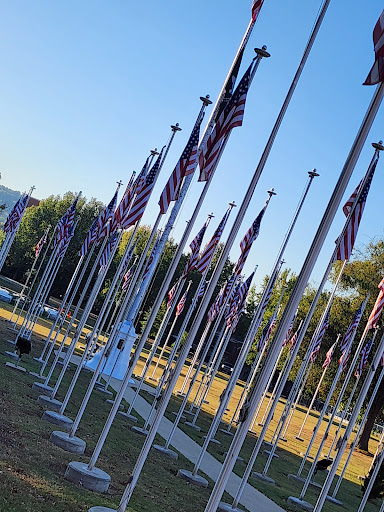
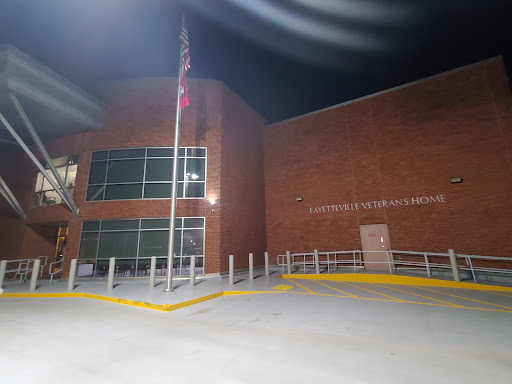
1179 North College Avenue, Fayetteville, AR 72703
For more information about senior living options: (866) 208-4318
Overall Review of Arkansas Veterans Home At Fayetteville
Pros
 Nice people provide great services for military veterans.
- The staff are very professional and pleasant to talk to.
- They show they really care about the residents.
- The resident-to-staff ratio is incredible.
- The meals served to residents are restaurant-quality.
- The doctors and directors, along with local ER doctors and surgeons, are stellar.
- The Cross Church Sunday school group sang Christmas carols for US veterans.
- The director has a good heart.
- The care and attention given to residents is amazing.
- They publish a monthly sheet of activities.
Cons
 State support is awful.
- Many nurses talk to residents and families disrespectfully.
- Employees are often late.
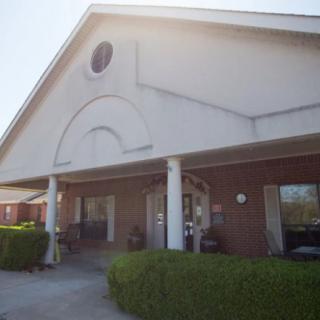
- The quarters are pretty cramped.
- The rooms at the old Washington General Hospital are semi-private and pretty tiny.
Review
Arkansas Veterans Home at Fayetteville is best suited for military veterans and their families who prize hands-on caregiving, a high level of staff engagement, and reliable medical oversight over sleek interiors or modern bells-and-whistles. The community earns consistent praise for the people delivering care: professional, approachable staff who residents and families say they can trust, paired with a very favorable resident-to-staff ratio that translates into timely attention. The culture is clearly veteran-centric, reinforced by community ties such as church involvement and events that integrate residents into meaningful activities. For families seeking concrete value in caregiving and clinical support, this setting delivers where it matters most.
The strongest positives center on caregiving quality and daily life. Caregivers are described as caring and attentive, with staff who demonstrate genuine concern for residents. The staff-to-resident contact is frequent and meaningful, which reassures families about supervision and safety. Meals stand out as restaurant-quality offerings, a notable comfort and morale booster for residents and their families. Medical oversight is credibly supported by doctors and local ER physicians and surgeons who are described as stellar, contributing to a sense of clinical competence that can ease transitions into and through higher levels of care. The combination of a supportive director and an active, engaged environment helps residents stay connected and well-monitored.
Yet the experience is not without friction. Several reviews flag systemic challenges that temper the otherwise strong caregiving narrative. State support is described as a weakness, which appears to ripple through staffing reliability and morale. Instances of disrespectful communication from some nurses toward residents and families, along with reports of chronic lateness, point to broader organizational strains rather than individual failings. These concerns matter because they touch daily interactions, care planning, and family confidence. Pairing these with practical realities of aging infrastructure, quarters described as cramped and the building itself as an older facility, creates a secondary layer of consideration for families weighing comfort and modernity against care quality.
The pros do offset some of these cons when weighed against the core mission of the home. A generous resident-to-staff ratio means more eyes on each resident, faster responses to needs, and more opportunities for personal connection, which can offset the feel of smaller, more crowded rooms. The exceptionally attentive medical staff alleviates some concerns about access to care, ensuring that serious needs are met promptly. Restaurant-quality meals and an ongoing sense of community, evidenced by church groups and other activities, help sustain morale and daily purpose, which is central for long-term well-being. In short, for veterans who view dignity, clinical reliability, and meaningful daily life as primary priorities, the strengths often outweigh the drawbacks, especially in the context of a traditional, veteran-focused setting.
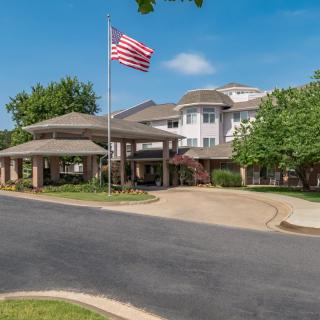
Alternatives are worth considering for residents who want more space, a quieter atmosphere, or a more congenial social dynamic. The cramped, semi-private rooms in a building described as the old Washington General Hospital can feel confining, and for some families that limits long-term comfort or social ease. If privacy, modern amenities, and a broader array of daily activities are non-negotiables, exploring communities with private rooms, updated facilities, and more consistent staffing across shifts becomes prudent. For veterans or families who place equal emphasis on modern interiors and robust social programming, other VA-adjacent options or civilian assisted-living communities may offer a better alignment of preferences and budget.
To decide, prospective residents should prioritize a direct, real-time sense of the daily experience. Visits should focus on observing staff-resident interactions, speaking with current residents and family members, and confirming room configurations and availability. Clarify how staffing levels vary by shift, what the admission process looks like for higher-acuity needs, and how medical coordination with external specialists is managed. If the goal is uncompromising caregiving, strong clinical oversight, and meals that feel restaurant-inspired, this community stands out as a solid, principled choice; if privacy, modern aesthetics, and a quieter social atmosphere take precedence, alternatives deserve serious consideration.
 90 resident community capacity
 Skilled Nursing Facility
 Air-conditioning
 Beauty salon
 Cable or satellite TV
 Computer center
 Dining room
 Fitness room
 Fully furnished
 Gaming room
 Garden
 Housekeeping services
 Kitchenette
 Move-in coordination
 Outdoor space
 Private bathrooms
 Restaurant-style dining
 Small library
 Telephone
 Wellness center
 Wi-Fi/high-speed internet available
 Northwest Arkansas Regional (16 miles away)
 Community operated transportation
 12-16 hour nursing
 24-hour call system
 Activities of daily living assistance
 Assistance with bathing
 Assistance with dressing
 Assistance with transfers
 Diabetes diet
 Medication management
 Mental wellness program
 Special dietary restrictions
 Concierge services
 Planned day trips

 Top Cars for Senior Drivers and Essential Safety Innovations
 A Closer Look at Private Pay Home Care
 Comprehensive Approaches for Arthritis: A Detailed Guide to Symptoms, Causes, and Care