745 Southern Springs Road, Union Springs, AL 36089
For more information about senior living options: (866) 208-4318
Overall Review of Southern Springs Healthcare Facility
Pros
 The facility is clean and neat.
- The staff are friendly.
- The customer service is good.
- The staff are helpful.
- They get the job done.
- The inpatient and outpatient therapy is great.
- The dining room is great.
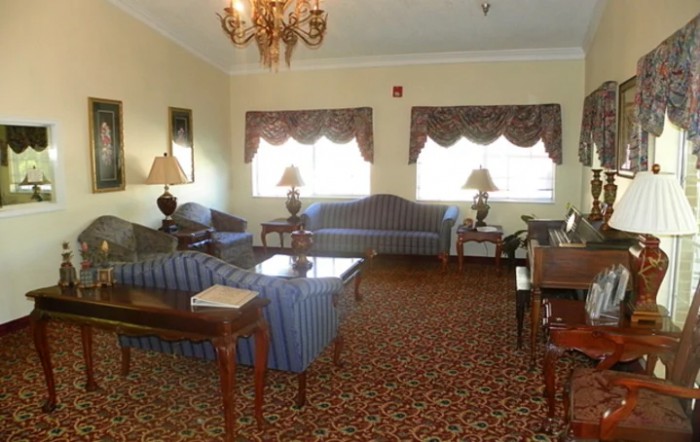
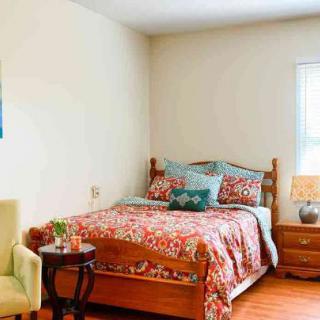
- The facility has a home-like atmosphere.
Review
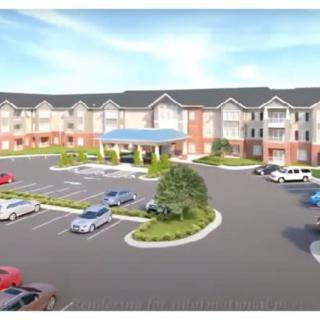
Southern Springs Healthcare Facility in Union Springs, Alabama, is best suited for families seeking a warm, community-oriented nursing home where daily life feels like home, and where rehabilitation services are a clear strength. The strongest signals from the available impressions point to a facility that is clean and tidy, with a staff that seems genuinely friendly and service-minded. Residents appear to benefit from attentive caregiving and a practical, "get the job done" approach that keeps routines predictable and tasks handled efficiently. The combination of a well-regarded inpatient and outpatient therapy program, plus a dining room described as great, reinforces the sense that rehabilitation and daily nourishment are prioritized without sacrificing comfort or dignity.
Those whose priorities lie elsewhere, such as cutting-edge medical technology, extensive memory-care specialization, or a larger, more varied campus, may want to examine other options. The reviews do not highlight a wide array of advanced clinical services or expansive amenities, and the small-town setting implies a more limited geographic footprint for specialized care or rapid escalation if acute needs arise. Families should weigh whether a quieter, home-like atmosphere aligns with the resident’s medical complexity and the family’s ability to access transportation or extended care resources in Bullock County and surrounding areas.
On balance, the positives in this setting offset the potential gaps well. The cleanliness and neatness reduce stress and infections, while consistently friendly staff and reliable customer service provide a reassuring safety net for everyday tasks and emergency decisions. The emphasis on both inpatient and outpatient therapy signals a robust rehab track, critical for post-acute recovery or ongoing functional goals. The dining experience, paired with a home-like ambiance, supports enjoyment, proper nutrition, and emotional comfort, which often get overlooked in facility evaluations. In addition, the social fabric, activities like choirs, youth-group efforts, and visits by local entertainers, helps keep residents connected to the fabric of the larger community.
Compassionate care shines through in anecdotes about end-of-life support, where staff did everything possible to ensure comfort in a resident’s final days. That level of empathy is more than sentiment; it translates into lower anxiety for families and steadier routines for residents who may struggle with change. In a smaller facility, such individualized attention can be a practical advantage, compensating for any limits on clinical breadth with steady, person-centered care. The overall climate feels respectful, unhurried, and oriented toward preserving dignity, especially for seniors who value familiar routines and a gentle pace.
For families evaluating this community, a practical checklist can help separate fit from misfit. Visit the dining room during a meal and observe how staff interact with residents, then ask about the rehab schedule, what therapies are offered, how often, and whether seamless transitions exist between inpatient and outpatient services. Inquire about daily activities, volunteer-led programs, and the availability of cultural or social stimuli that matter to the resident. Clarify the facility’s approach to memory support, if relevant, and discuss end-of-life preferences with the administration. Lastly, confirm accessibility, transportation options, and any cost considerations that affect choice and sustainability.
Overall, Southern Springs stands out as a practical, comforting choice for families prioritizing warmth, reliable daily care, and solid rehabilitation and dining options in a small-town setting. It works best for residents who thrive on routine, personal attention, and community engagement within a modest footprint. Those needing advanced medical complexity, heavy memory-care infrastructure, or a broader spectrum of amenities may find alternatives more suitable. With informed tours, candid conversations with staff, and a clear view of long-term goals, families can determine whether this facility will become a true home or if another option better aligns with the resident’s needs and the family’s expectations.
 123 resident community capacity
 Skilled Nursing Facility
 Air-conditioning
 Beauty salon
 Cable or satellite TV
 Computer center
 Dining room
 Fitness room
 Fully furnished
 Gaming room
 Garden
 Housekeeping services
 Kitchenette
 Move-in coordination
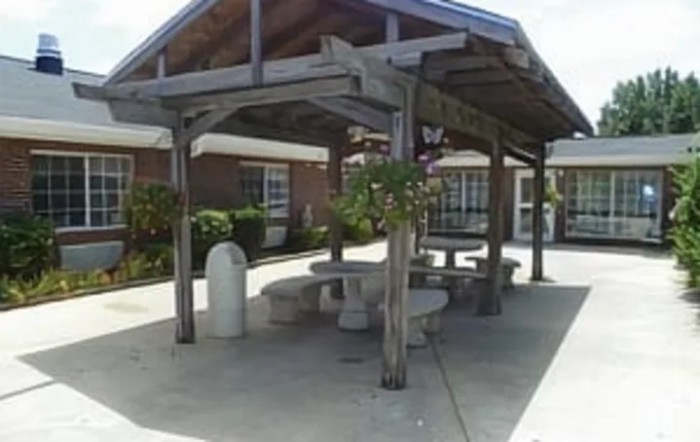
 Outdoor space
 Private bathrooms
 Restaurant-style dining
 Small library
 Telephone
 Wellness center
 Wi-Fi/high-speed internet available
 Community operated transportation
 12-16 hour nursing
 24-hour call system
 Activities of daily living assistance
 Assistance with bathing
 Assistance with dressing
 Assistance with transfers
 Diabetes diet
 Medication management
 Mental wellness program
 Special dietary restrictions
 Concierge services
 Planned day trips





 9 Stimulating Memory Activities for Seniors: Puzzles, Cards, and Much More
 Managing Nursing Home Expenses After Medicare Coverage Ends
 Is a Geriatric Care Manager the Right Choice for Your Family?