

515 Elba Highway, Troy, AL 36079
For more information about senior living options: (866) 208-4318
Overall Review of Troy Health & Rehabilitation Center
Pros
 The staff at Charlton Place absolutely love working there and take care of the residents.
- Charlton Place has a great team with one purpose: to give residents the best care.
- The team at Charlton Place is committed to delivering the best possible care for residents.
Cons
 They would not recommend putting a loved one in this place.
- They have a drunken administration.
- No one can pass a drug test.
- There has been beating of the reviewer’s sister.
Review
This community is best suited for families that prioritize intimate, hands-on daily care delivered by a dedicated front-line team. It works best for residents who respond well to consistent, person-centered attention and value a caregiving culture that keeps residents’ needs at the forefront of daily routines. Those seeking a facility with rock-solid administrative oversight, transparent governance, and rigorous safety accountability should consider other options. In Troy, AL, the environment can feel approachable and homey, but its effectiveness rests largely on the people delivering care day to day, not on corner-office assurances.
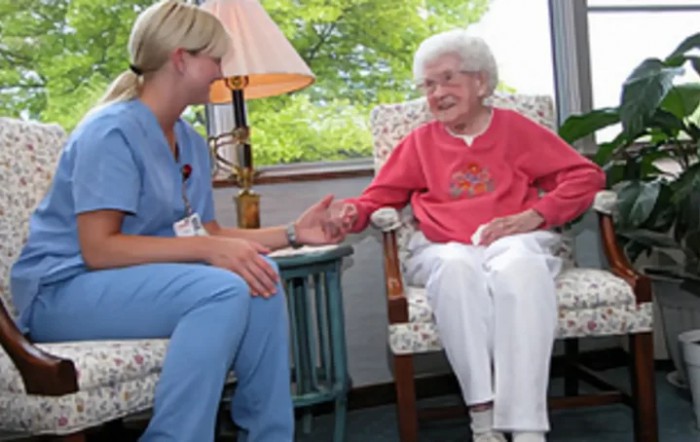
The strongest asset that repeatedly surfaces is the front-line care ethos. Reviewers who praise the staff highlight a cohesive team with a clear singular purpose: to support residents and attend to their daily needs with genuine engagement. The sense of pride among caregivers appears palpable in several accounts, and for families prioritizing responsive, personal attention, this can translate into meaningful daily interactions, timely assistance, and a feeling that loved ones are seen and attended to. When care moments matter, assistance with mobility, hygiene, meals, and activity engagement, the frontline team is the credible core of the operation.
However, the picture is deeply ambivalent. On one side, there are explicit, troubling claims about leadership and safety that cannot be dismissed. A subset of reviews alleges a pattern of problematic administration, including references to inappropriate behavior and concerns about judgment and oversight. The seriousness of these claims, such as accusations of alcohol-related issues among leadership and safety incidents within the facility, creates an unsettling undercurrent that undermines confidence in governance and in the facility’s ability to prevent or promptly address problems. These concerns are not marginal; they touch the core of how decisions are made, how crises are managed, and how residents’ welfare is safeguarded.
The central tension is clear: robust caregiving quality can deliver real, day-to-day value, but governance instability and safety questions threaten that value over time. When immediate care tasks are met with a warm, attentive approach, families may feel relief about their loved one’s daily comfort. Yet those same families must also reckon with whether issues are identified and corrected quickly, whether complaints are adequately investigated, and whether leadership accountability is reliable. In practical terms, the consistent warmth of caregivers may offset some inconveniences or gaps, but it cannot fully compensate for potential lapses in oversight or for unresolved safety concerns that affect a resident’s long-term well-being.
For families weighing a decision, several action steps help translate these observations into a concrete choice. Plan multiple visits, and observe shifts beyond peak hours to gauge consistency of staffing and responsiveness. Speak directly with residents when possible to hear how care feels across a full day, not just during a planned tour. Request to review any incident logs, complaint procedures, and how investigations are conducted, including outcomes and follow-up actions. Verify the administrator’s accessibility and track record with state inspections and safety compliance; ask about staffing levels, medication management practices, and how emergency situations are escalated and documented. These inquiries clarify whether the positives on the floor meet a standard of governance that ensures ongoing safety and accountability.
In the end, this community serves a specific kind of family: those who value a committed caregiving culture and can tolerate, or actively demand, rigorous governance and transparent safety practices. The mixed ratings, strong frontline praise paired with serious governance concerns, signal that decision-makers should enter with clear expectations and a plan for ongoing oversight. If choosing this facility, insist on concrete assurances around supervision, incident handling, and leadership accountability, and consider a defined trial period with measurable benchmarks for safety, communication, and resident satisfaction. For families who prioritize rock-solid administration and demonstrable safety history, alternatives with clearer, verifiable governance structures are worth exploring.
 234 resident community capacity
 Skilled Nursing Facility
 Air-conditioning
 Beauty salon
 Cable or satellite TV
 Computer center
 Dining room
 Fitness room
 Fully furnished
 Gaming room
 Garden
 Housekeeping services
 Kitchenette
 Move-in coordination
 Outdoor space
 Private bathrooms
 Restaurant-style dining
 Small library
 Telephone
 Wellness center
 Wi-Fi/high-speed internet available
 Community operated transportation
 12-16 hour nursing
 24-hour call system
 Activities of daily living assistance
 Assistance with bathing
 Assistance with dressing
 Assistance with transfers
 Diabetes diet
 Medication management
 Mental wellness program
 Special dietary restrictions
 Concierge services
 Planned day trips





 Urinary Tract Infections in Older Adults: Comprehensive Insights on Symptoms, Treatment, and Prevention
 California's Form 602A: An In-Depth Examination of Senior Care Assessment
 Comprehensive Look at Senior Blood Pressure Charts: Normal and Elevated Levels by Age