Crowne Health Care Of Mobile

Save

  • Outdoors

    A view of a school building under clear blue skies.
  • Building

    A sunny day view of palm trees in front of a brick building.
  • Landscaping

    A sunny outdoor scene featuring palm trees and a clear blue sky.
  • Flag

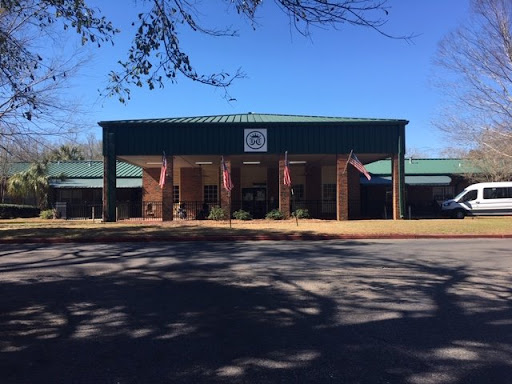
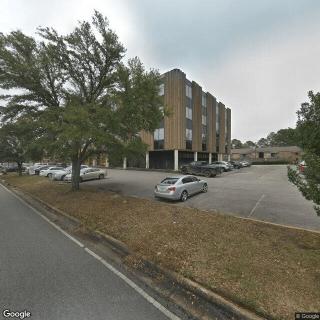
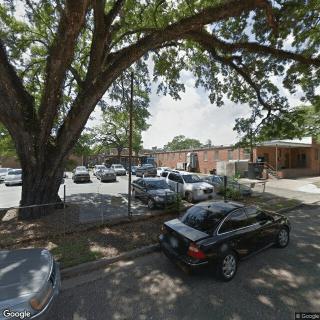
    Exterior view of a rehabilitation center in Mobile, showcasing American flags.
  • Healthcare

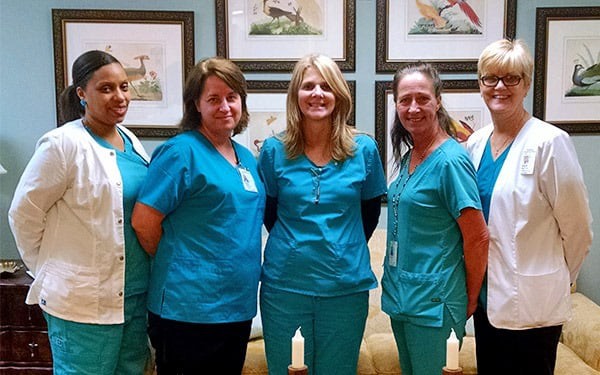
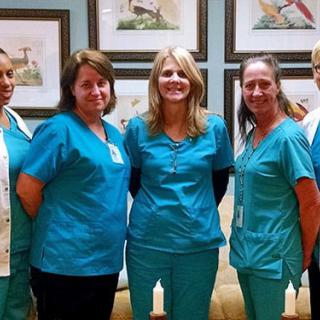
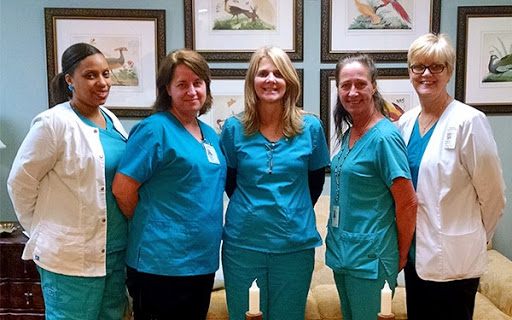
    A group of healthcare professionals in blue scrubs posing for a team photo.
  • Caregiver

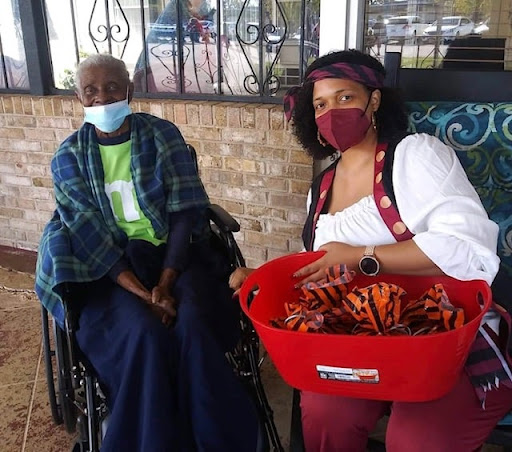
    A caregiver and an elderly woman enjoying a moment outdoors, with the caregiver holding a basket filled with items.

Crowne Health Care Of Mobile

954 Navco Road, Mobile, AL 36605

For more information about senior living options: (844) 490-3973

3.4 from 50 reviews
5 stars
25
4 stars
5
3 stars
1
2 stars
1
1 stars
18

Skilled Nursing Facility

Overall Review of Crowne Health Care Of Mobile

Pros

  • pro Crowne Health Care of Mobile is described as a great place to work and a place where residents are treated like family.
  • pro The staff are caring, friendly, and responsive to residents' questions and concerns.
  • pro The facility offers engaging activities and a remodeled gazebo to encourage socialization.
  • pro Families report peace of mind knowing their loved ones are in good hands.
  • pro The nursing and rehab teams are outstanding and genuinely care about patients.
  • pro The environment is clean and comfortable, with good meals.
  • pro A social worker is noted for genuine care and advocacy for residents.

Cons

  • pro The staff neglected to contact the designated healthcare advocate in a timely manner after falls resulting in serious injuries.
  • pro Nursing staff allegedly tried to minimize injuries by claiming they were nothing serious, saying "she's just bruised."
  • pro The facility was described as neglectful, instilling emotional distress and mental anguish.
  • pro Problems were said to originate at the top of administration and nursing leadership, implying accountability issues throughout.
  • pro The facility was accused of emotional abuse and care neglect across multiple falls with fractures.
  • pro Staff were described as rude with no bedside manner and as denying needed care or services.
  • pro Personal information about a deceased relative was disclosed in a public area, violating privacy standards and potentially OSHA rules.
  • pro There were threats to transfer a resident to another facility if complaints were made.

Review

Crowne Health Care of Mobile on Navco Road presents itself in these accounts as a facility with a long history and a deep investiture in the well-being of its residents. Across many remarks, the place is described as welcoming and family-like, with residents and their families reporting affection for the environment, activities, and the people who work there. Several reviewers emphasize that the staff culture is focused on care, responsiveness, and creating an atmosphere where residents can feel valued. The facility is also noted for tangible improvements, such as a recently remodeled gazebo and a steady stream of activities designed to engage residents and promote socialization, which many families say brings peace of mind.

From the perspective of staff and long-time collaborators, Crowne appears to be a rewarding place to work. One healthcare worker who has spent more than a decade at Crowne notes the absence of tolerance for foolishness, but also highlights a fair approach and a genuine commitment to residents. A long-time family member praises the facility for providing excellent long-term care to a father and expresses that the peace of mind gained from seeing a loved one well cared for is invaluable. The sentiment is echoed by others who speak of caring, responsive staff who take time to answer questions and involve families in caregiving decisions. In particular, family members describe attentive nurses, CNAs, and other staff who strive to keep residents comfortable and engaged, with some emphasizing that office and social work staff are helpful and supportive.

Praise also centers on the quality of life and rehabilitation experiences. A guest who was admitted for rehab after a serious fall recounts outstanding care from physical and occupational therapists, noting that the rehabilitation team helped her regain mobility and independence. Others describe welcome home-like interactions with staff, the cleanliness of the facility, good meals, and a warm, respectful treatment of residents. The memory care unit earns positive remarks from a family who says their loved one is treated with dignity and respect, with residents enjoying a comfortable environment and responsive, person-centered care. These stories collectively paint a portrait of a facility that can deliver excellent, compassionate care under the right circumstances and with dedicated staff.

Nevertheless, the reviews include significant concerns that cannot be overlooked. A number of family members recount troubling incidents in which they allege neglect and poor communication. In one account, a mother who sustained two falls resulting in a broken ankle and then a broken fibula was not promptly informed, and staff allegedly downplayed the seriousness of her injuries. The son describes a pattern of administrative investigations that seemed to deflect responsibility, leading to frustration and emotional distress. The criticism extends to top leadership, with accusations that the administrator and director of nursing manipulate information and failure to provide timely updates to designated healthcare advocates. These accounts call for accountability and improved transparency in how incidents are reported and handled.

Another family member describes emotional abuse and multiple falls with fractures that prompted an urgent transfer from the facility. The reviewer asserts that not only care lapses - but also systemic issues with truth-telling and accountability, with the state reportedly aware of concerns and fines possibly issued. The sentiment here is a warning to others to proceed with caution and to consider the governance and oversight of the facility as a factor in safety and quality of care. A separate review amplifies the theme of administrative defensiveness, alleging rude or dismissive behavior from specific staff, concerns about privacy and the handling of personal information, and a general sense of distrust toward certain administrators.

A few accounts emphasize mixed experiences and conditional praise. Some reviewers acknowledge apprehension at the outset about transitioning a loved one to a nursing facility, yet report that the staff's empathy, accessibility, and willingness to provide information helped families feel supported during difficult times. There are mentions of social workers who stand out for their care, and of an overall sense that when the right individuals are present, care quality can be high. However, the consistency of that positive experience appears to hinge on the unit, the staff on duty, and the leadership at the helm on any given day.

Taken together, the stories reveal a facility with a dual reality: many families describe Crowne Health Care of Mobile as a place where residents are treated with kindness, where activities and social engagement are valued, and where staff go the extra mile in many cases to ensure comfort and safety. At the same time, several families recount serious concerns about falls, timely communications, accountability of leadership, and instances of neglect or emotional distress. The breadth of experiences suggests variability that may depend on factors such as staff assignment, leadership decisions, and the specific care needs of residents.

For anyone evaluating Crowne Health Care of Mobile, Navco Road, these reviews underscore the importance of conducting thorough, in-person assessments and asking pointed questions about the facility's protocols. Prospective families may want to inquire about fall prevention practices, how quickly family members are notified after incidents, and who serves as the direct point of contact for healthcare advocates. It can also be helpful to review state inspection reports, speak with multiple staff members on different shifts, and observe daily routines in the memory care and rehab units. Ultimately, the facility appears capable of delivering compassionate, person-centered care and meaningful rehabilitation when operations run smoothly, but families should weigh both the heartfelt testimonials and the warnings to make a well-informed decision.

Features

Housing

  • 174 resident community capacity 174 resident community capacity

Types of Care

  • Skilled Nursing Facility Skilled Nursing FacilitySkilled Nursing Facilities are crucial for seniors as they provide round-the-clock medical care, rehabilitation services, and assistance with daily activities. These facilities ensure that seniors receive the specialized care they need to maintain their health and well-being as they age.

Amenities

  • Air-conditioning Air-conditioningAir conditioning is important for seniors as they are more vulnerable to heat-related illnesses and may have underlying health conditions that make it difficult for them to regulate their body temperature. It helps to keep them comfortable, safe, and healthy in hot weather.
  • Beauty salon Beauty salonBeauty salons are important for seniors because they provide a space for them to feel pampered, socialize, and maintain their personal grooming and hygiene. Regular visits to a beauty salon can help boost seniors' self-esteem and overall well-being.
  • Cable or satellite TV Cable or satellite TVCable or satellite TV is important for seniors because it provides entertainment, news, and companionship, helping to combat loneliness and boredom. It also offers a wide range of programming options tailored to different interests and preferences.
  • Computer center Computer centerA computer center is essential for seniors as it provides access to technology, communication tools, and resources that can enhance their daily lives. It allows them to stay connected with loved ones, engage in online activities, and learn new skills, ultimately promoting socialization and mental stimulation.
  • Dining room Dining roomDining rooms are important for seniors as they provide a space for socialization, connection, and nutritious meals. They offer opportunities for residents to bond over shared meals, foster a sense of community, and promote healthy eating habits. Dining rooms also ensure that seniors have access to well-balanced meals tailored to their dietary needs and preferences.
  • Fitness room Fitness roomHaving a fitness room in a senior living community is essential for seniors to stay active, maintain their physical health, and improve their overall well-being. Regular exercise can help prevent falls, reduce the risk of chronic diseases, and promote mental sharpness. It also provides social opportunities for residents to connect with others and enjoy a sense of community.
  • Fully furnished Fully furnishedFully furnished senior living communities are important for seniors because they provide convenience, comfort, and a hassle-free moving experience. Seniors can easily settle into their new living space without the stress of having to buy and move furniture. This allows them to focus on enjoying their new home and community.
  • Gaming room Gaming roomGaming rooms are important for seniors as they provide a fun and engaging environment for socializing, cognitive stimulation, and physical activity. Games can improve memory, problem-solving skills, and overall mental well-being while fostering friendships and reducing feelings of isolation.
  • Garden GardenGardens are important for seniors as they provide a peaceful and therapeutic environment for relaxation, physical activity, and socialization. Being in nature has been shown to reduce stress, improve mood, and promote overall well-being. Gardens also offer opportunities for seniors to engage in gardening activities, which can improve mobility, flexibility, and cognitive function. Additionally, gardens create a sense of community and connection with others who share a passion for plants and outdoor spaces.
  • Housekeeping services Housekeeping servicesHousekeeping services are important for seniors because they help maintain a clean and safe living environment, promote independence, and reduce the risk of accidents or illnesses. Additionally, having assistance with household chores can alleviate physical strain and allow seniors to focus on other aspects of their well-being.
  • Kitchenette KitchenetteKitchenettes are important for seniors living in senior living communities because they provide the convenience and independence of being able to prepare simple meals and snacks in the comfort of their own living space. This can help promote a sense of autonomy and well-being for seniors, allowing them to maintain some level of control over their dietary choices and daily routines.
  • Move-in coordination Move-in coordinationMove-in coordination is important for seniors because it helps ease the transition into their new living environment. It ensures that all logistics, such as packing, organizing movers, and setting up utilities are taken care of, allowing seniors to focus on settling in and adjusting to their new home. Having a smooth move-in process can alleviate stress and anxiety, making the transition smoother and more enjoyable for seniors.
  • Outdoor space Outdoor spaceOutdoor spaces are important for seniors as they provide opportunities for physical activity, social interaction, exposure to natural light and fresh air, and a sense of connection to nature. Having access to outdoor spaces can improve overall well-being and quality of life for older adults living in senior communities.
  • Private bathrooms Private bathroomsPrivate bathrooms are important for seniors in senior living communities because they provide independence, dignity, and comfort. Having a private bathroom allows seniors to maintain their personal hygiene routines without the need for assistance, promoting a sense of autonomy and privacy. Additionally, private bathrooms help prevent the spread of infections and provide a safe and clean environment for seniors to navigate safely.
  • Restaurant-style dining Restaurant-style diningRestaurant-style dining is important for seniors because it allows them to enjoy delicious, nutritious meals in a social and upscale setting. This enhances their dining experience, promotes healthy eating habits, and fosters socialization with fellow residents, ultimately contributing to their overall well-being and quality of life.
  • Small library Small librarySmall libraries are important for seniors as they provide access to a variety of reading materials, including books, newspapers, and magazines. This can help stimulate their minds, keep them engaged, and provide a sense of community through book clubs and other social activities. Additionally, reading has been shown to improve cognitive function and overall mental well-being in older adults.
  • Telephone TelephoneTelephones are important for seniors as they provide a lifeline for communication with loved ones, emergency services, and healthcare providers. They offer a sense of security and independence, enabling seniors to stay connected and access assistance when needed.
  • Wellness center Wellness centerWellness centers are important for seniors because they offer a variety of programs and services that promote physical, mental, and emotional well-being. These centers provide opportunities for exercise, socialization, education, and relaxation, helping seniors maintain their overall health and quality of life.
  • Wi-Fi/high-speed internet available Wi-Fi/high-speed internet availableWi-Fi/high-speed internet is important for seniors to stay connected with loved ones, access online resources, and participate in virtual activities to combat feelings of loneliness and isolation. It also allows them to easily manage healthcare needs, access entertainment, and engage in lifelong learning opportunities.

Transportation

  • Mobile Regional (9 miles away) Mobile Regional (9 miles away)
  • Community operated transportation Community operated transportationCommunity operated transportation is crucial for seniors as it provides them with the means to access essential services, social activities, and medical appointments. It allows seniors to maintain their independence and quality of life by ensuring they can participate in activities outside of their homes. Additionally, community-operated transportation services offer a safe and reliable way for seniors to travel without having to rely on family or friends for assistance.
  • Transportation arrangement Transportation arrangementTransportation arrangements are crucial for seniors as they may face challenges with driving, mobility, or access to public transportation. Having reliable transportation services ensures that seniors can easily attend appointments, social activities, and maintain their independence and quality of life.
  • Transportation arrangement (non-medical) Transportation arrangement (non-medical)Transportation arrangements are essential for seniors as they provide access to essential services, activities, and social interactions outside the home. This service helps maintain independence, mobility, and overall well-being for seniors who may have limited transportation options.
  • Transportation to doctors appointments Transportation to doctors appointmentsTransportation to doctors appointments is crucial for seniors as it ensures they have access to necessary medical care and support, promoting their health and well-being. It allows them to receive timely treatment, monitor existing conditions, and address any new health concerns efficiently. Additionally, transportation services can help seniors maintain their independence and quality of life by enabling them to stay connected with their healthcare providers.

Care Services

  • 12-16 hour nursing 12-16 hour nursing12-16 hour nursing care is crucial for seniors in order to ensure around-the-clock monitoring, timely medication administration, and prompt response to any health concerns or emergencies. This level of care helps to promote the overall well-being and safety of seniors living in senior living communities.
  • 24-hour call system 24-hour call system24-hour call systems are important for seniors because they provide peace of mind and immediate assistance in case of emergencies. This technology ensures that help is always available, promoting safety and security for elderly individuals living alone or in assisted living facilities.
  • 24-hour supervision 24-hour supervision24-hour supervision is important for seniors to ensure their safety, well-being, and access to immediate assistance in case of emergencies or health issues. This constant support provides peace of mind for both seniors and their loved ones, allowing them to age in place with dignity and security.
  • Activities of daily living assistance Activities of daily living assistanceActivities of daily living assistance are important for seniors because they provide essential support with tasks such as eating, bathing, dressing, and mobility. This assistance helps seniors maintain their independence, dignity, and overall quality of life as they age.
  • Assistance with bathing Assistance with bathingAssistance with bathing is crucial for seniors as it helps maintain personal hygiene, prevents infections, and ensures their overall well-being and comfort. It also provides a sense of dignity and independence for seniors who may struggle with this task on their own.
  • Assistance with dressing Assistance with dressingAssistance with dressing is important for seniors because it helps maintain their independence, promotes personal hygiene, prevents accidents and injuries, and improves overall quality of life. This service ensures that seniors can continue to dress comfortably and confidently, despite any physical limitations they may have.
  • Assistance with transfers Assistance with transfersAssistance with transfers is crucial for seniors as it helps prevent falls and injuries, maintains their independence, and ensures they can safely navigate their living environment. It also provides peace of mind for both seniors and their loved ones.
  • Diabetes diet Diabetes dietA diabetes diet is crucial for seniors as it helps manage blood sugar levels, reduce risks of complications, and improve overall health and well-being. By following a balanced and nutritious diet tailored to their specific needs, seniors can better control their diabetes and enhance their quality of life.
  • Meal preparation and service Meal preparation and serviceMeal preparation and service are crucial for seniors as they may have limited mobility or energy to cook nutritious meals. Having access to healthy and convenient food options can ensure they are getting the proper nutrition needed to maintain their overall health and well-being.
  • Medication management Medication managementMedication management is crucial for seniors to ensure they are taking the right medications at the correct dosages and times. This helps prevent adverse drug interactions, reduces the risk of medication errors, and promotes overall health and well-being. Proactive management also allows for adjustments as needed based on changing health conditions or new prescriptions.
  • Mental wellness program Mental wellness programMental wellness programs are essential for seniors as they promote cognitive stimulation, emotional support, and social engagement. These programs help prevent isolation, depression, and cognitive decline, ultimately enhancing the overall quality of life for older adults.
  • Special dietary restrictions Special dietary restrictionsSpecial dietary restrictions are important for seniors because age-related changes in metabolism and health conditions can make it difficult for their bodies to process certain foods. By following a diet tailored to their specific needs, seniors can maintain their overall health and well-being, manage chronic conditions, and reduce the risk of complications such as malnutrition or food interactions with medications.

Dining

  • Diabetes diet Diabetes dietA diabetes diet is crucial for seniors as it helps manage blood sugar levels, reduce risks of complications, and improve overall health and well-being. By following a balanced and nutritious diet tailored to their specific needs, seniors can better control their diabetes and enhance their quality of life.
  • Special dietary restrictions Special dietary restrictionsSpecial dietary restrictions are important for seniors because age-related changes in metabolism and health conditions can make it difficult for their bodies to process certain foods. By following a diet tailored to their specific needs, seniors can maintain their overall health and well-being, manage chronic conditions, and reduce the risk of complications such as malnutrition or food interactions with medications.

Activities

  • Community-sponsored activities Community-sponsored activitiesCommunity-sponsored activities are important for seniors as they provide opportunities for social interaction, mental stimulation, and physical activity. These activities can help improve overall well-being, combat loneliness and isolation, and promote a sense of belonging and purpose among older adults.
  • Concierge services Concierge servicesConcierge services are essential for seniors as they provide assistance with daily tasks and errands, enhance their quality of life by offering convenience and personalized care, and promote a sense of safety and security.
  • Fitness programs Fitness programsFitness programs are crucial for seniors as they help improve strength, flexibility, balance, and overall well-being. Staying active can reduce the risk of chronic diseases, improve mental health, and enhance quality of life in older adults.
  • Planned day trips Planned day tripsPlanned day trips are important for seniors because they offer opportunities for socialization, mental stimulation, and physical activity. They provide a change of scenery and help seniors stay engaged and connected to their community, promoting overall well-being and quality of life.
  • Resident-run activities Resident-run activitiesResident-run activities are important for seniors as they encourage social interaction, creativity, and a sense of autonomy. These activities empower seniors to stay engaged and active in their community while fostering meaningful connections with their peers.
  • Scheduled daily activities Scheduled daily activitiesScheduled daily activities are important for seniors because they provide structure, socialization, mental stimulation, and physical activity. Engaging in regular activities can improve overall well-being and quality of life for seniors living in a community setting.

Description

Crowne Health Care of Mobile is an assisted living community located in Mobile, AL. Our facility offers a wide range of amenities to ensure that our residents feel at home and have access to the services they need.

Our amenities include a beauty salon, where residents can pamper themselves and feel their best. We also offer cable or satellite TV for entertainment, as well as community-operated transportation for outings and appointments. Our computer center allows residents to stay connected with loved ones, while our dining room provides restaurant-style dining for delicious meals.

Residents can stay active in our fitness room and enjoy various games in our gaming room. We also have a beautiful garden and outdoor space for those who enjoy nature. Our housekeeping services keep the community clean and tidy, while private bathrooms provide convenience and privacy.

In terms of care services, we have 24-hour call systems and supervision to ensure the safety and well-being of our residents. Our staff is available to assist with activities of daily living, such as bathing, dressing, and transfers. We also offer assistance with medication management and diabetes diets.

At Crowne Health Care of Mobile, we prioritize mental wellness through our dedicated program. Special dietary restrictions are accommodated, ensuring that each resident's nutritional needs are met. Transportation arrangements are made both for non-medical purposes and doctors' appointments.

Our community offers a range of activities to keep residents engaged and active. These include fitness programs, planned day trips, resident-run activities, and scheduled daily activities organized by our staff.

With cafes, pharmacies, physicians' offices, restaurants nearby, as well as places of worship and hospitals within close proximity, our residents have easy access to essential services.

Overall, Crowne Health Care of Mobile provides a comfortable and caring environment for seniors who require assistance with daily tasks but wish to maintain their independence and engage in an active lifestyle.

Nearby Places of Interest

This part of Mobile, Alabama offers a mix of dining options ranging from fast food chains like McDonald's and Burger King to sit-down restaurants like Royal Knight the Restaurant & Lounge and Mudbugs At The Loop. For those who enjoy coffee, there are several Starbucks locations in the vicinity. Medical care is easily accessible with Maysville Medical Center and Southern Psychiatry nearby, along with pharmacies such as Pharmacy Services of Mobile and Midtown Pharmacy. Residents can also find spiritual support at places of worship like Little Flower Catholic Church and Dauphin Way Baptist Church. In terms of healthcare facilities, Springhill Medical Center and Infirmary Health System are located within a few miles, providing comprehensive medical services for seniors living in the area.

Restaurants

  • Royal Knight the Restaurant & Lounge (0.8 miles)
  • McAlister's Deli (0.9 miles)
  • Steak 'n Shake (0.9 miles)
  • McDonald's (1 miles)
  • Whataburger (1.4 miles)
  • Burger King (1.8 miles)
  • Mudbugs At The Loop (1.8 miles)

Cafes

  • Starbucks (0.8 miles)
  • Starbucks (2 miles)
  • Starbucks (3 miles)
  • Starbucks (3.8 miles)
  • Carpe Diem Coffee & Tea Co. (3.9 miles)

Physicians

  • Maysville Medical Center (1.3 miles)
  • Southern Psychiatry (1.5 miles)
  • Hanger Prosthetics & Orthotics (1.6 miles)
  • Stanton Optical (2.3 miles)
  • Victory Clinic (2.5 miles)
  • Internal Medicine Center (2.7 miles)
  • Alabama Medical Group (2.7 miles)

Pharmacies

  • Pharmacy Services of Mobile (1.5 miles)
  • Midtown Pharmacy (1.8 miles)
  • Cox Nuclear Pharmacy (2.1 miles)
  • Winn-Dixie (2.6 miles)
  • Walmart Pharmacy (2.6 miles)
  • Heritage Pharmacy (2.7 miles)
  • Benzer Pharmacy (2.8 miles)

Places of Worship

  • Little Flower Catholic Church (1.7 miles)
  • Dauphin Way Baptist Church (2.8 miles)
  • Spring Hill Baptist Church (3.9 miles)

Hospitals

  • Springhill Medical Center: Pain Management Clinic (2.9 miles)
  • Diabetes Resource Center (3.3 miles)
  • Infirmary Health System (3.3 miles)

Frequently Asked Questions

Where is Crowne Health Care Of Mobile?
What photos are available for Crowne Health Care Of Mobile in Mobile, Alabama?

Nearby Communities

Skilled Nursing Facility in Nearby Cities

Related Resources

  • skilled nursing facility vs nursing homeSkilled Nursing Facilities vs. Nursing Homes: Making Sense of the Differences

    Skilled nursing facilities (SNFs) provide high-level medical care and rehabilitation for short-term recovery, typically covered by Medicare after hospitalization, while nursing homes focus on ongoing custodial care for chronic conditions, mainly funded by Medicaid or private payments. The staffing and regulatory structures differ significantly between the two, necessitating clarity for families in choosing appropriate long-term care options.

  • nursing home costsA Detailed Examination of Nursing Home Costs Across the U.S.
    Nursing home care costs in the U.S. vary significantly based on location, level of care, and amenities, with private room prices ranging from approximately $6,700 to over $30,000 monthly. Families need to explore various payment options and conduct thorough research to manage these expenses effectively.

  • non medical home careExploring Nonmedical Home Care: Understanding Services, Costs, and Financial Approaches

    Nonmedical home care provides assistance with daily activities and companionship for individuals wishing to maintain independence and quality of life at home, without medical intervention. Its growing popularity is driven by an aging population, the need for supportive environments for recovery, and the emotional benefits of caregiver companionship, while costs vary based on service frequency and location.