



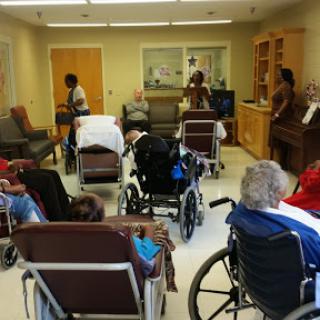

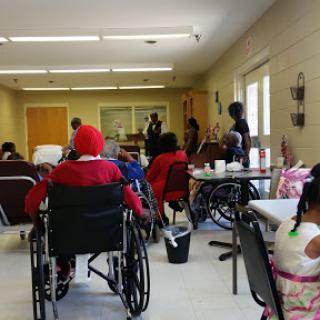
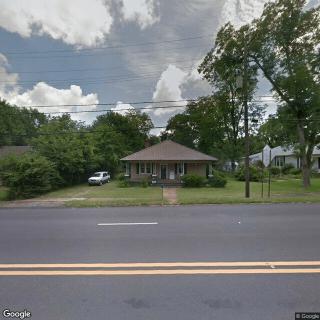
805 Hospital Street Southwest, Lafayette, AL 36862
For more information about senior living options: (866) 208-4318
Overall Review of Lafayette Extended Care
Pros
 The staff has been very helpful.
- The staff has been friendly to residents and families.
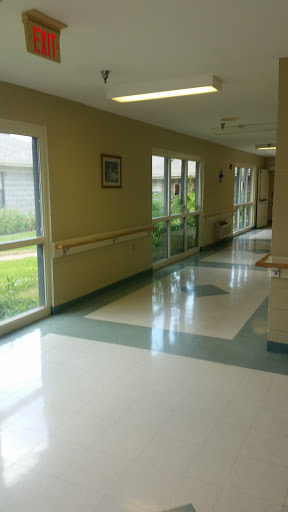
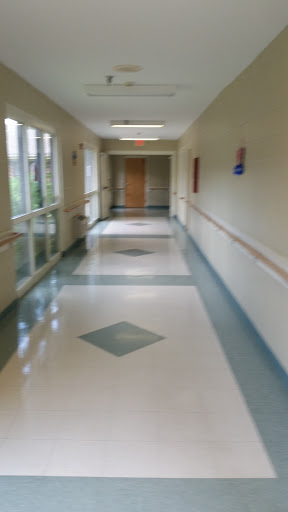
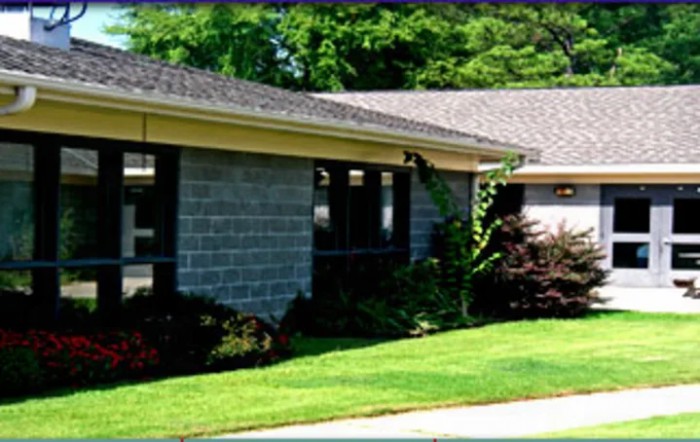
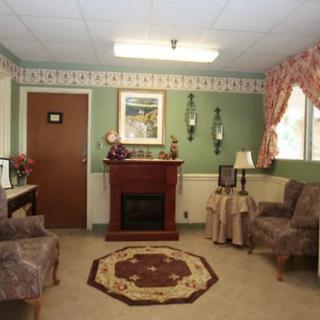
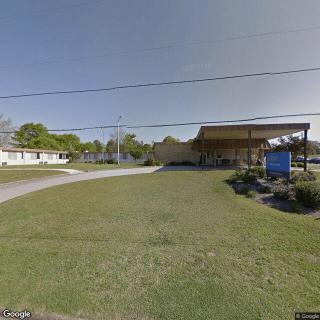
- It looks like a pretty nice facility.
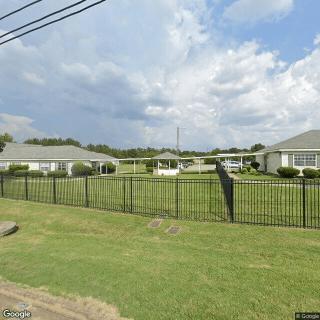
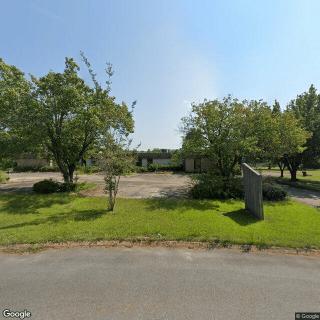
- There are outdoor spaces and a small courtyard area for residents.
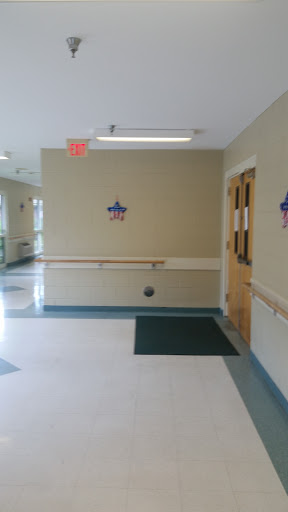
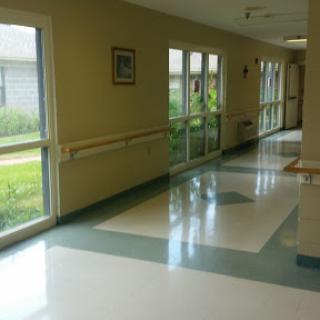
- The building is a convenient one-story layout.
- Most of the staff has always been nice to residents.
Cons
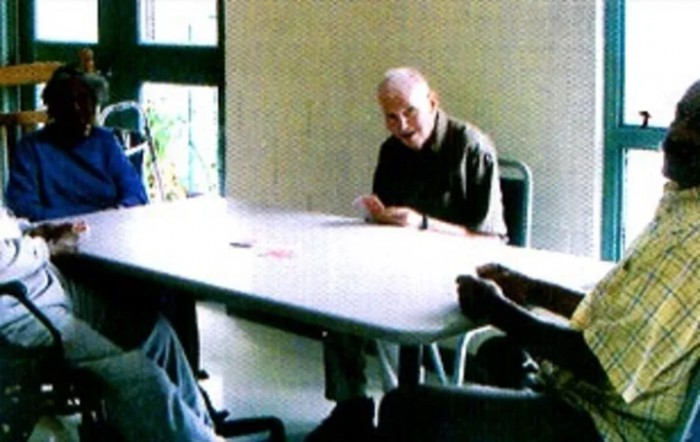
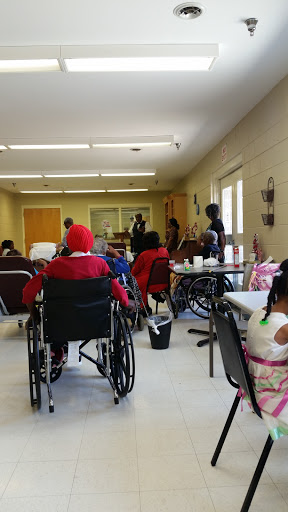
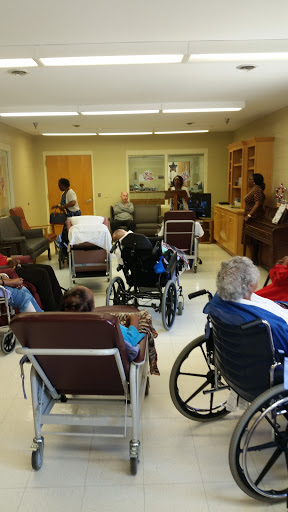
 There is a noticeable lack of regular, engaging activities for residents.
- The staff appear to focus on health care to the exclusion of quality-of-life improvements.
- The facility seems profit-driven, risking neglect of residents' everyday happiness.
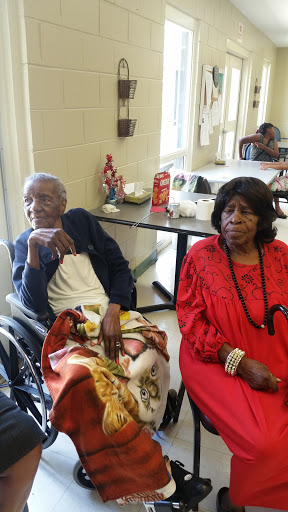
- Residents without regular visitors are described as depressed and forgotten.
- The absence of stimulating activities leaves residents with little to look forward to.
- Volunteers or paid facilitators could help provide activities, according to the reviewer.
Review
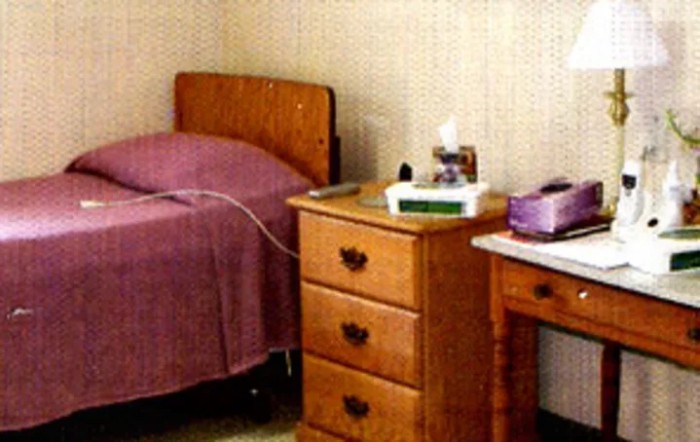
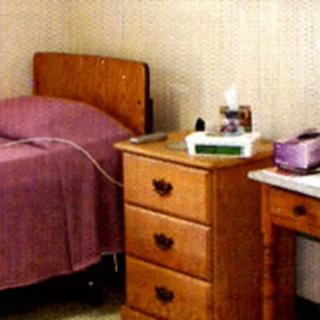
Lafayette Extended Care is best suited for seniors who want solid medical oversight in a straightforward, easy-to-navigate setting. The community’s one-story design, private rooms with the option of shared accommodations, and walkable outdoor spaces create a practical home for residents who prioritize safety, predictable routines, and dependable nursing attention over a high-energy social calendar. Families weighing this option should recognize that the environment rewards quiet, consistent care and clear communication with staff, rather than a bustling slate of daily activities or weekend outings.
Those who may want to consider alternatives are evident. Residents who crave rich social engagement, regular group programming, and a lively life-enrichment calendar will likely find Lafayette Extended Care falls short. If regular visitors or volunteers are integral to a person’s sense of purpose, or if a resident’s well-being is tied to frequent, structured activities, arts, movies, outings, and interactive programs, elsewhere may offer more daily stimulation. In short, this facility tends to fit care-focused needs more than experiential, life-enrichment priorities.
The strongest positives are the staff’s approachability and the facility’s practical design. Families repeatedly note friendly, responsive caregivers and dependable communication, paired with a private-room environment and accessible outdoor spaces. The one-story footprint reduces mobility risk and simplifies navigation for residents with limited stamina or assistive devices. When a resident’s health needs are primary, these attributes translate into reliable daily support, predictable routines, and a calm, manageable setting that can be essential for seniors who value consistency and safety over flashy amenities.
Yet the most significant drawbacks center on activity and engagement. A key concern raised by family members is the limited array of programs and a perceived underinvestment in quality-of-life stimulation. The critique isn’t about neglect of health care; it’s about not investing enough in opportunities for regular, meaningful interaction, arts, crafts, social moments, or movie-like experiences, that help residents feel a sense of daily purpose. The tension between necessary medical care and the need for ongoing social and sensory engagement weighs heavily for families who worry about loneliness or a diminished sense of self for long-term residents.
Overall, the pros and cons create a nuanced profile. The staff competence and accessible layout offset many routine caregiving challenges, particularly for residents who require steady medical oversight and a low-distraction environment. However, the limited programming can fail to offset the risk of social stagnation for those who thrive on activity and connection. Families with a plan to supplement care, through regular visits, community volunteers, or partnerships that bring in stimulating programming, will likely experience a more balanced outcome. Without that extra enrichment, the comfort of a quiet setting may not fully meet an individual’s broader well-being needs.
For decision-making, ask diligent questions before committing. Inquire about the full activity calendar, the presence of an activities coordinator, and how volunteers or paid program staff could augment daily life. Verify room options, including the availability and pricing of private versus shared accommodations, and confirm the facility’s policy on resident-led socialization and outings. Probe how care plans integrate social and emotional well-being with medical management, and explore whether respite or trial stays are possible to test whether the environment truly supports ongoing engagement. If enrichment feels non-negotiable, looking at facilities with a proven, vibrant life-enrichment program will likely yield a better match.
 69 resident community capacity
 Skilled Nursing Facility
 Air-conditioning
 Beauty salon
 Cable or satellite TV
 Computer center
 Dining room
 Fitness room
 Fully furnished
 Gaming room
 Garden
 Housekeeping services
 Kitchenette
 Move-in coordination
 Outdoor space
 Private bathrooms
 Restaurant-style dining
 Small library
 Telephone
 Wellness center
 Wi-Fi/high-speed internet available
 Community operated transportation
 12-16 hour nursing
 24-hour call system
 Activities of daily living assistance
 Assistance with bathing
 Assistance with dressing
 Assistance with transfers
 Diabetes diet
 Medication management
 Mental wellness program
 Special dietary restrictions
 Concierge services
 Planned day trips

 Nurturing Our Elders: Linda's Journey of Supporting Her Mother
 A Comprehensive Exploration of Common Misunderstandings about Powers of Attorney
 Senior Move Management: Understanding the Role, Value, and Associated Costs