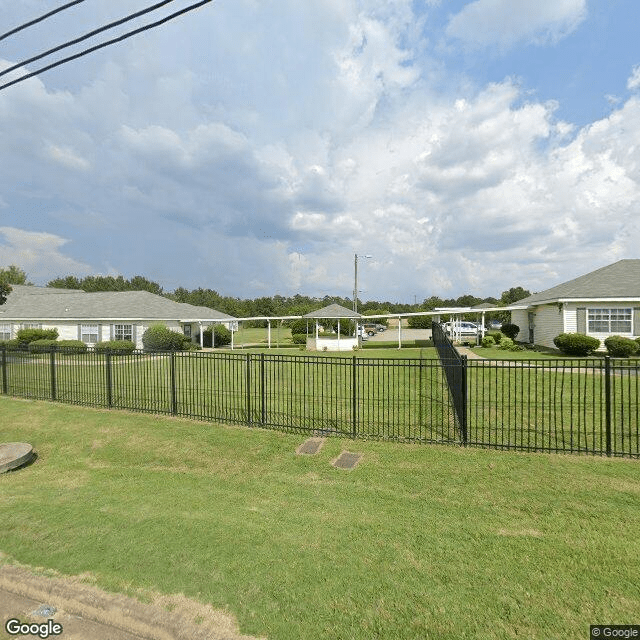
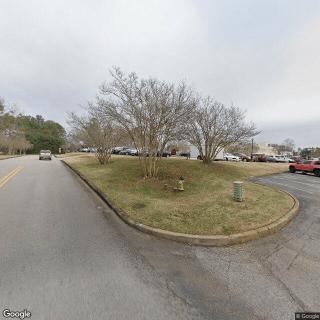
7200 Fairfax Bypass, Valley, AL 36854
For more information about senior living options: (866) 208-4318
Lakewood Specialty Care Of Valley Costs & Pricing
Lakewood Specialty Care of Valley offers competitively priced accommodations compared to both Lee County and the broader state of Alabama. For a studio room, the cost at Lakewood is $2,100, significantly lower than the Lee County average of $3,233 and the state average of $3,279. Similarly, one-bedroom units are available for $2,400 at Lakewood, again presenting a more affordable option than the county's $3,470 and the state's $3,417. Even for two-bedroom arrangements, residents will find Lakewood's price of $2,425 to be more attractive relative to Lee County's average of $3,413 and Alabama's statewide figure of $3,788. This pricing structure positions Lakewood Specialty Care as an appealing choice for those seeking quality care without compromising their budget.
| Floor plans | Lakewood Specialty Care Of Valley | Lee County | Alabama |
|---|---|---|---|
| Studio | $2,100 | $3,233 | $3,279 |
| 1 Bedroom | $2,400 | $3,470 | $3,417 |
| 2 Bedrooms | $2,425 | $3,413 | $3,788 |
Memory care communities with a similar price nearby
-
from +$100 / mo
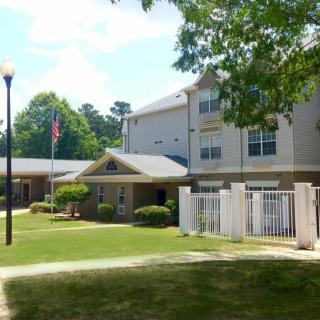
Manor House of Columbus
$2,200 to $3,000 / month22.4 miles away
Overall Review of Lakewood Specialty Care Of Valley
Pros
 The staff are super nice and very caring.
- The staff are warm and welcoming.
- The rooms are large, spacious, and light-filled.
- The food is good and offers different choices.
- The facility is clean, well maintained, and attractive.
- The administration is compassionate, knowledgeable, and organized.
- Lakewood is an exceptionally well-run community with caring staff.
- There is an activity director who engages the residents.
Cons
 The caretakers are just there for a paycheck; none of them care about the residents.
- There is an employee who picks on the residents and talks badly about them, and is rude to them as well.
- The staff appear to be floating for a paycheck and not providing proper care.
- The facility has bed bugs, and employees sleep on the job while residents fall and are not looked after properly.
- There were multiple incidents where staff did not keep the oxygen on for a resident.
- The review warns to think twice before sending a loved one there.
Review
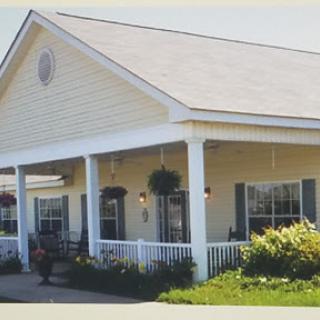
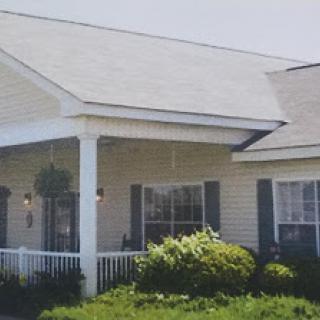
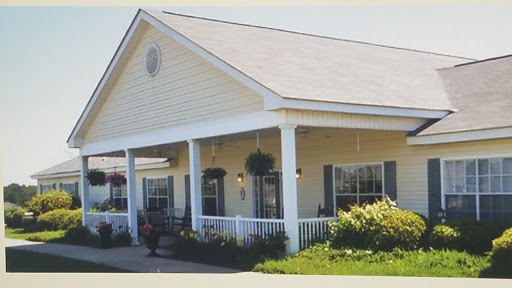
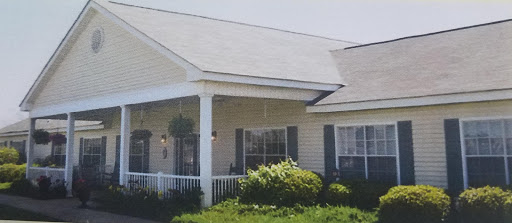
Lakewood Specialty Care of Valley is best suited for families seeking a smaller, home‑like assisted living and memory care setting in Valley, Alabama. The campus operates on a compact two-building plan that keeps life manageable while still offering distinct spaces for memory care. Residents can expect bright, spacious rooms and common areas that don’t feel clinical, which supports a sense of autonomy within a supported framework. The administration is repeatedly described as compassionate, knowledgeable, and organized, a critical variable when families need dependable oversight and a clear care plan. The dining program earns steady praise for balanced, tasty meals with room for choices, and an on-site activity director works to keep residents engaged without turning the community into a rigid schedule. For families prioritizing proximity, warmth, and a setting that feels intimate rather than impersonal, Lakewood provides a practical, emotionally resonant option.
That said, this community is not a universal fit, and families should be prepared for significant tradeoffs. Those who require flawless, consistently high-level care across all shifts should look elsewhere, because several reviews describe a caregiving culture that can feel transactional rather than vocation-driven. Mixed signals about staff attentiveness emerge: some caregivers are warm and supportive, while others are perceived as inconsistent or disengaged. More serious red flags appear in a few accounts, including reports of bed bugs and situations where staff appeared to neglect essential needs or allow safety lapses, such as inadequate monitoring of oxygen. These concerns, while not universal, highlight a real risk that can erode trust and safety, especially for residents with memory or higher levels of dependency. In short, Lakewood can be a solid home if day‑to‑day caregiving stays consistently strong; when it doesn’t, the positives may not be enough to compensate.
When Lakewood is functioning at its best, several core strengths create a compelling value proposition. Administrators are praised for their leadership, compassionate, knowledgeable, and organized, providing predictable routines and reliable escalation when issues arise. Staff members who connect with residents and families can transform daily life into a workable, pleasant experience, and many accounts emphasize warmth and respect as standout attributes. The facility’s cleanliness and upkeep contribute to a dignified atmosphere, while bright rooms and ample lighting help residents maintain a sense of independence. Meals are not simply adequate; they are thoughtfully prepared with attention to dietary preferences, and the presence of an active, engaged activity program adds structure and purpose. For families prioritizing a smaller, well‑run setting where staff can form meaningful relationships, these elements can offset the inherent risk that accompanies any mixed‑quality staffing model.
Yet the negative experiences seeded in several reviews cannot be dismissed. The most consequential concern is the perception that caregiving quality and attentiveness are uneven, undermining the trust that families rely on for ongoing care. When caregivers drift, residents may miss cues, safety may be compromised, and daily routines become less reliable. The bed bug mention, while not universal, is a stark reminder that housekeeping and preventive maintenance must be relentlessly vigilant. Reports of staff sleeping on the job or failing to monitor critical needs such as oxygen push the conversation from “adequate for now” to “is this consistently safe?” This is not simply about comfort or dissatisfaction; it is about the core duty to protect vulnerable elders. The negative threads aren’t universal, but they are significant enough to demand careful, proactive due diligence from any prospective resident or family.
For families weighing Lakewood, a disciplined decision framework is essential. Start by speaking with the administrator and several direct caregivers to gauge whether attentiveness and responsiveness are consistent across shifts. Demand concrete staffing metrics: caregiver-to-resident ratios per shift, nurse coverage, and plans for night and weekend coverage. Probe safety protocols in practical terms, oxygen management, fall prevention, and escalation procedures when distress signals arise. Request recent housekeeping findings, pest control history, and any corrective actions taken to address environmental concerns. A transparent tour should extend to both assisted living and memory‑care areas, with attention to room dimensions, lighting, call systems, and access to outdoor spaces. Finally, corroborate impressions by talking to current residents or families, and if possible, negotiate a trial period to observe how daily care actually unfolds in real time.
Bottom line: Lakewood Specialty Care of Valley can be a solid, practical choice for families prioritizing an intimate, well‑led community with good meals and a friendly, engaged staff culture. It is particularly suitable for residents who prize spacious rooms and a manageable, close-knit environment where leadership visibility matters and daily routines are predictable. However, the decision hinges on risk tolerance for staffing inconsistency and potential safety lapses. For families requiring unwavering caregiver reliability, rigorous day‑to‑day oversight, and a documented, zero‑defect record on safety, alternatives deserve serious consideration, whether another, possibly larger campus with higher staffing ratios, a facility known for stricter safety protocols, or an in-home care plan that preserves independence under close supervision. The decisive test is a direct, current read on staffing consistency, the credibility of safety measures, and alignment between observed care quality and the promises offered by administration. Lakewood can deliver a genuine, comforting home, but only when the day‑to‑day caregiving and safety standards match the hopeful leadership narrative.
 16 resident community capacity
 Assisted Living
 Board and Care Home
 Memory Care
 Cats allowed
 Dogs allowed
 Activities on-site
 Beautician on-site
 Cable or satellite TV
 Devotional services off-site
 Dining room
 Fully furnished
 Garden
 Housekeeping services
 Indoor common areas
 Move-in coordination
 Outdoor common areas
 Respite or short term stays offered
 Telephone
 Wheelchair accessible showers
 Wi-Fi/high-speed internet available
 24-hour supervision
 Ambulatory care
 Assistance with bathing
 Assistance with dressing
 Assistance with transfers
 Diabetes diet
 Hospice waiver
 Meal preparation and service
 Medication management
 Mental wellness program
 Special dietary restrictions
 Transportation arrangement (medical)
 Transportation to doctors appointments





 When to Transition from Assisted Living to Memory Care: Key Indicators, Steps, and Finding the Right Community
 Understanding the Distinctions: Assisted Living and Memory Care Explained
 How to Communicate with a Loved One Living with Dementia: 10 Supportive Strategies