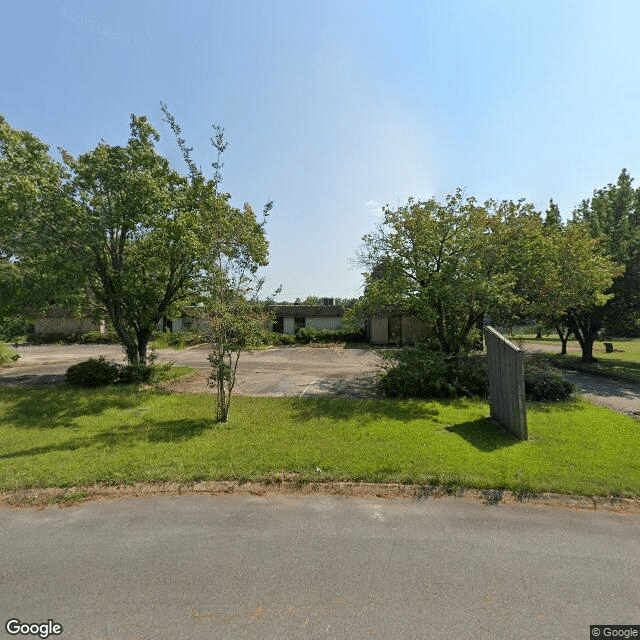
George H Lanier Memorial Home
Save
21 Medical Park, Valley, AL 36854
For more information about senior living options: (844) 490-3973
What level of care are you interested in?

Assisted Living

Memory Care

Independent Living

Skilled Nursing Facility

Continuing Care Retirement Community (CCRC)CCRC

Other
A steady thread running through the comments about the hospital is a wide disparity in the quality of experience depending on who you encounter and which department you visit. A number of reviewers describe the ER as a place where bedside manner and attentiveness can range from nurturing and professional to dismissive and even hurtful. Several accounts center on encounters with specific staff members who left patients feeling unheard, disrespected, or dismissed, while other patients recounted moments of genuine care and competence that helped them weather frightening or painful situations. Taken together, the collection paints a picture of a facility whose performance, from one visit to the next, can swing dramatically.
Many reviews focus on the ER, where patients recount feeling rushed or ignored during moments of distress. One patient described being in the middle of an anxiety attack while a doctor repeatedly asked what the emergency room could do for them "because I don't look familiar," with a sense that concerns were minimized or dismissed. Complaints about staff not taking time to assess or listen, coupled with perceived HIPAA violations, echo a frustration that the basics of compassionate care - acknowledging fear, explaining what's happening, and ensuring privacy - were not consistently present. Some reviews emphasize that patients felt their questions went unanswered and their comfort neglected, especially when the occasion demanded empathy due to acute distress.
Interspersed with these criticisms are accounts that name particular individuals and depict a different experience. Some readers point to rude or dismissive behavior from specific nurses or administrators. For example, the experience with Nurse Destin is highlighted by a commenter who found her extremely rude and dismissive, with little concern for comfort or questions. Another reviewer recalls a nurse who used abrupt, scant language and an unhelpful bedside manner, contributing to a sense that the staff culture prioritized efficiency or expediency over patient-centered care. In contrast, other entries recount encounters that were the opposite: nurses who were kind, patient, and reassuring, and even a few who went out of their way to explain what was happening and why. A review that mentions "Korean nurses" in the ER describes their presence as comforting and reassuring, suggesting that compassion and professionalism can be found in the same department even within the same facility.
There are also stories of staff who were seen as competent but overwhelmed by systemic issues. A number of reviewers attribute long waits, signs of understaffing, or administrative bottlenecks to larger hospital management concerns rather than to individual physicians or nurses alone. Some patients felt they were treated as a number or a nuisance, while others observed that the care they did receive - when it finally arrived - was efficient and well-executed once the appropriate clinician was involved. Reports of shortages - whether of rooms, staff, or other resources - are tied to the frustration of having to defer certain tests or treatments, which understandably heightens anxiety and dissatisfaction.
Beyond the ER, some reviewers speak to experiences in other parts of the hospital that range from praise to critique. A few accounts of rehab and nursing staff in inpatient settings are notably positive; one reviewer praises the rehab department, noting that the nurses, physical therapists, and even the cleaning crew were exceptional and that the facility was particularly clean and well-run in that area. In contrast, another reviewer describes a negative, dismissive attitude from a nurse practitioner who was perceived as condescending, and who allegedly influenced others to treat the patient poorly for advocating to see an MD. The discrepancy here appears to hinge less on a single moment and more on the overall tone of interaction and the perceived willingness of staff to validate patient concerns.
There is also a sense, in multiple entries, of frustration with administrative processes and communication. Several reviewers describe frustrations with the intake and admission steps, including questions about insurance and personal information that felt redundant or mismanaged. One patient who used a different nearby facility for urgent issues urged others to seek care elsewhere, citing a long wait, a lack of clear communication, and dismissive attitudes as cues to avoid the hospital in question. This theme of administrative friction blends with clinical critique, creating an overall impression that even when clinical care might be adequate, the patient experience is undermined by how information is requested, communicated, and followed up on.
Despite the criticism, there are also voices of reassurance and gratitude. A few patients describe experiences where the staff were gentle, attentive, and clear in their explanations, and where patients left feeling better after treatment and discharge with educational materials. Some praise is focused on the kindness of specific individuals or teams, the efficacy of certain treatments, and the positive impact of compassionate interactions in the midst of painful or worrying conditions. These contrasting stories suggest that, for this facility, quality of care is not uniform and can vary widely from shift to shift, team to team, and patient to patient.
In short, the feedback depicts a complex, uneven landscape. Certain patients report feeling disrespected, hurried, or inadequately listened to, sometimes with concerns about privacy and the perceived attentiveness of the care team. Others recount experiences of genuine empathy, clear communication, and effective help, especially in inpatient rehab or in interactions with particular compassionate staff members. The recurring themes point to the critical need for consistent, patient-centered communication, reliable staffing, and respectful, thorough assessment - so that distress and fear do not become amplified by the way care is delivered. As with many large facilities, the challenge appears to be translating pockets of high-quality, compassionate care into a consistently positive experience for every patient who seeks help.
The George H Lanier Memorial Home in Valley, AL is a skilled nursing facility that provides top-quality care for its residents. With a focus on diabetic care, the dedicated staff ensures that all residents receive the specialized attention they need to manage their condition.
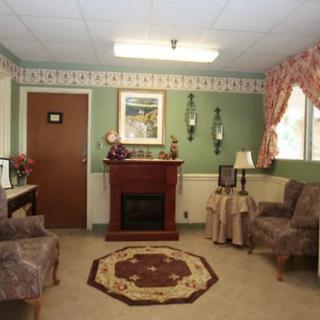
In addition to its excellent care services, the assisted living community offers a range of amenities to enhance the quality of life for its residents. While devotional services are held off-site, they provide a sense of spiritual support and connection for those who wish to participate. The indoor common areas offer a welcoming space for socializing and relaxation, promoting a sense of community among residents.
Located in close proximity to various cafes, pharmacies, physicians, restaurants, transportation options, places of worship, and hospitals, George H Lanier Memorial Home offers convenience and accessibility. Residents can easily access additional resources and services in the surrounding area.
With its commitment to providing exceptional care and ensuring the well-being of its residents, George H Lanier Memorial Home is an ideal choice for individuals seeking skilled nursing facility services in Valley, AL.
This part of Valley, Alabama, offers a range of healthcare services including physicians specializing in women's health, orthopedics, gastroenterology, cardiology, and family medicine. There are also several hospitals nearby for any medical emergencies or treatments. In terms of pharmacies, there are multiple options within a short distance for convenient access to medications. For spiritual needs, there are various places of worship representing different faiths in the area. Additionally, there are cafes and restaurants for dining options and parks for leisurely activities. Overall, this area provides a mix of essential services and amenities that may appeal to seniors looking for a comfortable and convenient living environment in Valley.
George H Lanier Memorial Home is located at 21 Medical Park, Valley, AL 36854 in Lee County, Alabama
Comprehensive Insights into Activities of Daily Living (ADLs) and Their Assessment

Activities of Daily Living (ADLs) are fundamental tasks vital for an individual's independence, particularly in older adults over 85, and include functions like bathing and dressing; assessing ADLs alongside Instrumental Activities of Daily Living (IADLs) helps determine the level of required assistance due to age-related health challenges. Tailored support plans, involving family and community resources, are essential for maintaining dignity and autonomy in assisted living environments.
Medicare Coverage for Assisted Living: An In-Depth Exploration

Medicare does not cover assisted living costs, as it focuses on acute medical needs and short-term care, with exceptions for certain medically necessary services like physical therapy. Individuals must explore other options such as Medicaid, veterans' benefits, or long-term care insurance to manage these expenses effectively.
Choosing the Right Senior Care: A Detailed Exploration of Assisted Living and Nursing Homes
Choosing between assisted living and nursing homes involves evaluating emotional and financial factors, with assisted living offering independence and support for daily activities at a lower cost, while nursing homes provide intensive medical care for individuals with significant health needs. The decision is influenced by personal preferences, health status, cognitive function, and varying Medicaid coverage across states.