





1406 East Pushmataha Street, Butler, AL 36904
For more information about senior living options: (866) 208-4318
Overall Review of Blue Ridge Healthcare Willow Trace
Pros
 The staff were incredibly helpful and kind throughout the stay and discharge process.
- They arranged Home Health after discharge, which was a great idea.
- The nurses ensured he ate, stayed clean, and kept an upbeat spirit.
- The office personnel guided the family through setup and discharge without overwhelming them.
- The patient left the facility walking with no assistance, thanks to the staff’s care.
- The team went above and beyond to make the stay as good as possible under the circumstances.
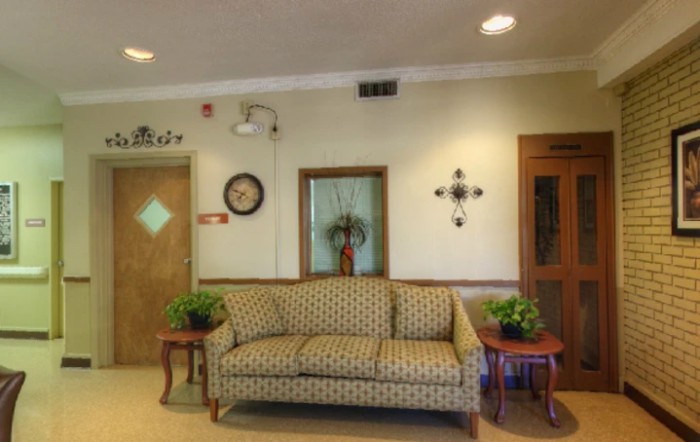
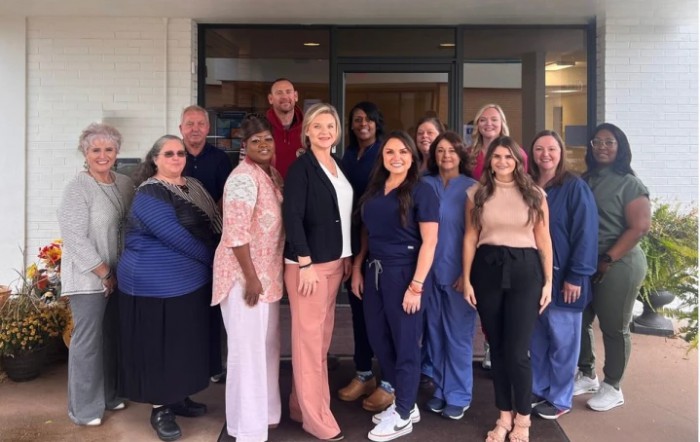
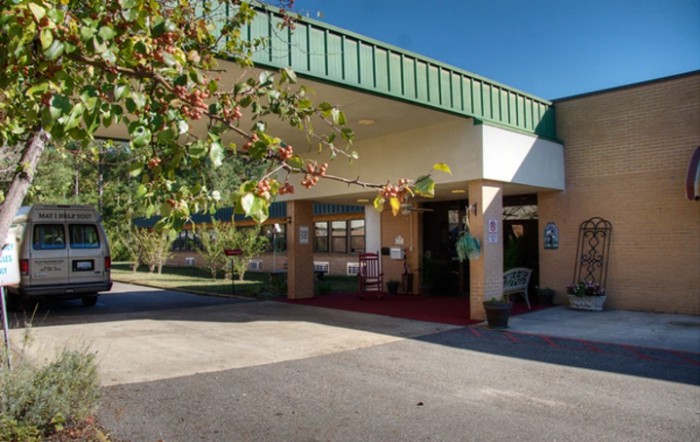
- The facility is well kept and the staff treat residents like family.
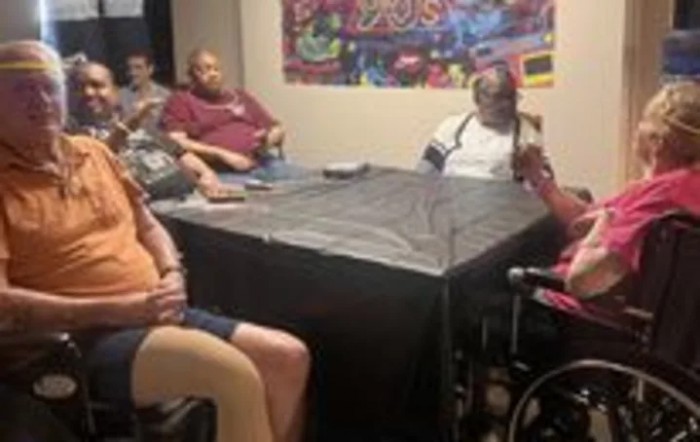
- The activities program keeps residents engaged and smiling.
- Jekita Moody is praised for being the sweetest, caring, and bringing joy to residents.
Review
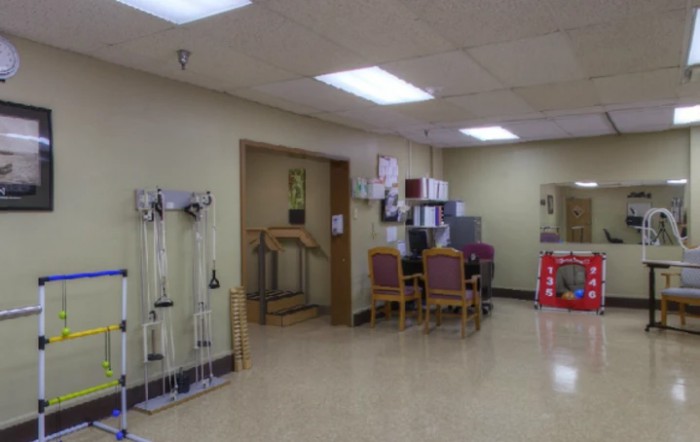
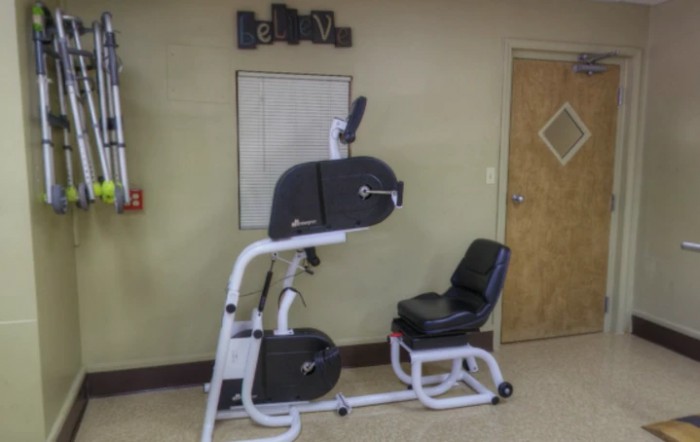
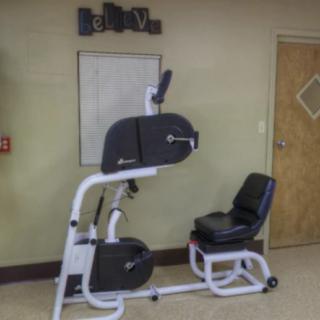
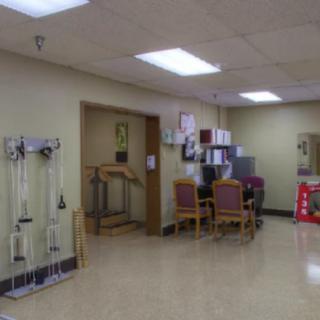
This community is best suited for seniors emerging from a hospital stay who need focused post-acute rehab with a strong emphasis on rapid mobility gains and a smooth transition home. The reviews consistently highlight a rehab-forward approach, where skilled nursing and therapies work in tandem with proactive discharge planning and coordination of home health services. Families considering Willow Trace should be assured that the setting prioritizes getting residents back on their feet, often with noticeable progress and a practical path to continuing care at home after discharge.
Those weighing alternatives should recognize that the strongest fit here is not long-term, memory-care, or independent-living goals. The narratives revolve around swing-bed and rehab experiences, with discharge support and caregiver guidance as central features. If the need is ongoing, around-the-clock medical oversight, specialized memory care, or a permanent residence with comprehensive long-term services, other communities with a clearly defined long-term continuum may be a better match. For residents seeking sustained independence, a different model emphasizing upkeep and social life without a heavy rehab focus could prove more suitable.
The standout pros center on staff devotion and hands-on care. Families repeatedly praise nurses and aides who attend to meals, cleanliness, and daily well-being, often going “above and beyond” to foster a positive mood and practical progress. This level of attention translates into real rehab wins, patients who arrive limited in mobility exit walking with reduced or no assistance. The strength in discharge planning is equally noteworthy: staff guide families through the transition, arrange home health services, and minimize overwhelm during a potentially stressful period. In practical terms, these factors make the difference between a frustrating recovery and a confident step toward independence.
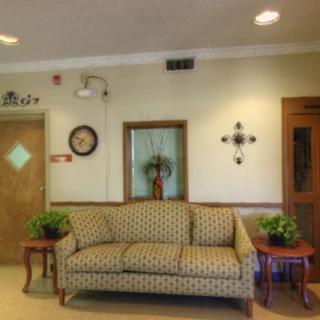
Equally compelling are the everyday anchors of care: a well-kept facility, genuine warmth from staff, and a culture that treats residents like family. The reviews describe abundant social activity, meaningful interactions, and staff who remember residents’ preferences and birthdays. This combination addresses a common risk in rehab settings, romanced promises without lasting personal connection, by anchoring rehab in a supportive, socially engaged environment. For families, the implication is clear: a positive, participatory daily rhythm can accelerate rehabilitation and cushion the emotional toll of transition.
From a family-daddy/guardian perspective, the most persuasive element is transparent, compassionate communication during the process. The ability to navigate discharge details without feeling overwhelmed stands out as a practical advantage, not a marketing promise. When loved ones exit, they do so with a clear plan for continuing care at home, sometimes aided by home health. The absence of negative red flags in the reviews, no cited tensions, and many stories of patience and pride, further reinforces the sense that the core strength lies in people and process rather than gloss. Still, the caveat remains: if the goal shifts from rehab to long-term, specialized care, those plans must be clarified upfront.
Bottom line: this community appears to deliver what families pursuing short-term rehab and a well-supported return home value most, expert staff, proactive discharge coordination, and an environment that makes recovery feel personal and achievable. Pros offset potential limitations by creating a reliable bridge from hospital to home, with tangible patient gains and peaceful family involvement. Prospective residents should verify the exact rehab offerings, eligibility for swing-bed services, and the scope of post-discharge support, while also assessing long-term care options if that stage becomes necessary. A targeted visit should confirm therapy schedules, staff-to-resident ratios, and a clear, written plan for the next steps after discharge.
 120 resident community capacity
 Skilled Nursing Facility
 Air-conditioning
 Beauty salon
 Cable or satellite TV
 Computer center
 Dining room
 Fitness room
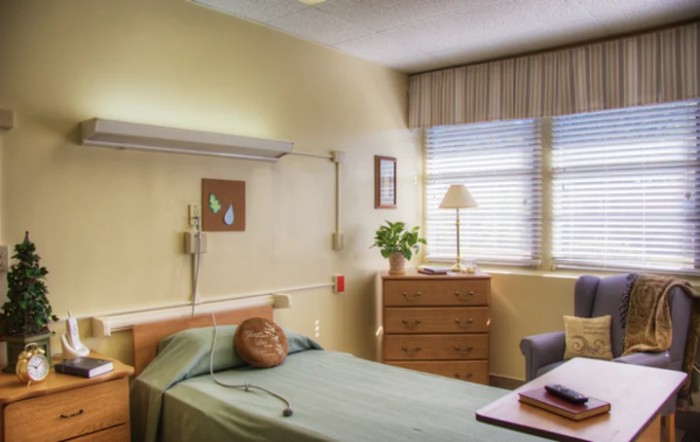
 Fully furnished
 Gaming room
 Garden
 Housekeeping services
 Kitchenette
 Move-in coordination
 Outdoor space
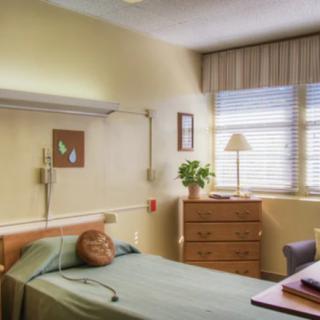
 Private bathrooms
 Restaurant-style dining
 Small library
 Telephone
 Wellness center
 Wi-Fi/high-speed internet available
 Community operated transportation
 12-16 hour nursing
 24-hour call system
 Activities of daily living assistance
 Assistance with bathing
 Assistance with dressing
 Assistance with transfers
 Diabetes diet
 Medication management
 Mental wellness program
 Special dietary restrictions
 Concierge services
 Planned day trips



 Comprehensive Guide to Qualifying for Home Health Care Services
 Powerful Realities of Elder Abuse and the Most Effective Ways to Report It
 Ten Vital Duties of a Senior Caregiver: A Comprehensive Guide