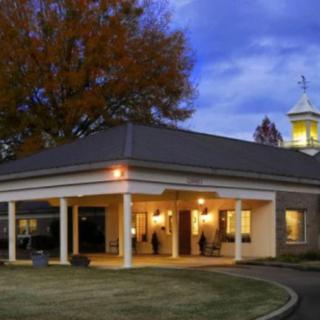
Sumter Assisted Living Facility

1505 4th Avenue, York, AL 36925

For more information about senior living options: (844) 490-3973

4.1 from 19 reviews
5 stars
14
4 stars
0
3 stars
1
2 stars
0
1 stars
4

Assisted Living Board and Care Home Skilled Nursing Facility

Overall Review of Sumter Assisted Living Facility

Pros

  • pro The staff were exceptional, kind, and caring.
  • pro Residents are treated like family by the staff, with genuine care.
  • pro Sumter has a strong therapy department and a very caring nursing management team.
  • pro The facility offers engaging activities, such as bingo, tie-dye, bird feeders, Easter hats, and karaoke.
  • pro There is a high level of staff longevity, with many long-tenured employees who know the residents well.
  • pro Families would choose Sumter for their loved ones and would readily refer others.

Cons

  • pro They allege harassment and bullying by staff development, the DON, and the head CNA, with petty firings.
  • pro They claim loyal CNAs are being terminated or suspended weekly, with corporate not investigating.
  • pro They report halls full of uncertified CNAs working in the building and residents receiving poorer care as a result.
  • pro They describe management as unprofessional, rude, and messy, contributing to a decline in care quality.
  • pro They say night shift staff are overworked and cannot go home to rest due to scheduling practices.
  • pro They accuse staff of being called on speakerphone to discuss personal social media posts and to hear made-up assumptions.
  • pro They note poor communication with families, including missed callbacks and lack of timely updates.
  • pro They state the facility has COVID-19 cases throughout the building and overall bad administration.

Review

Sumter Health and Rehab Center elicits a wide spectrum of experiences from staff and family alike, with many longtime employees painting a picture of a facility that can feel like a close-knit family and others describing a management culture that they view as controlling, chaotic, and sometimes hostile. On one end of the ledger, several reviews celebrate the facility as a place where residents are treated with genuine care and where the therapy department shines. On the other end, former and current employees recount a troubling dynamic at the top of the organization, marked by micromanagement, abrupt personnel decisions, and a pervasive sense of fear and frustration among CNAs, nurses, and activities staff. The clash between these two portraits is striking and suggests that experiences at Sumter H&R vary dramatically depending on who you are, what department you work in, and which leadership team is currently in place.

A recurring thread in the more critical accounts centers on a particular shift in leadership a couple of years ago. Reviewers describe a CNA who allegedly began "running things" by taking over CNA schedules, daily assignment sheets, hiring processes, orientations, and even the firing of CNAs for what are described as petty reasons. The sentiment expressed is that this individual, along with certain other managers, has created an environment of harassment and intimidation. Critiques go so far as to claim that staff are pressured to work specific days and discouraged from requesting changes, with concerns aired about management sharing or fabricating stories with upper administrators when staff call off. In these narratives, the culture at the top appears chaotic and punitive, with accusations that the administrator and certain unit managers bypass proper processes and instead rely on personal judgments and miscommunications that ripple down through shifts.

Linked to this perceived leadership problem is a broader concern about staffing stability and the resulting impact on resident care. Several reviews point to "halls full of NAs that's not certified" and a rapid turnover that leaves residents at risk of inconsistent care and diminished continuity. The implication is that when seasoned CNAs are fired or leave, the remaining staff struggle to keep up, which reviewers argue translates into poorer outcomes for residents. Night shifts, in particular, are described as taxing and disruptive - ending up with staff getting off at odd hours and not being able to sleep peacefully, a condition that some reviewers suggest further degrades the quality of daily care and oversight. The sense is that mismanagement at the administrative level compounds staffing shortages and directly affects the lived experience of residents and their families.

Despite these criticisms, there are voices within the reviews that emphasize the opposite: the facility can be, and sometimes is, a wonderful place to work and to receive care. Several accounts praise long-tenured staff and an atmosphere described as "one big happy family" who genuinely care about residents. The therapy department is repeatedly highlighted as strong, with therapists delivering effective care and residents making meaningful progress. The activities program is celebrated for variety and engagement, with examples like bingo, tie-dye projects, bird feeders, Easter hats, karaoke, and other events that create a sense of community and normalcy for residents. Staff such as Courtney and Nicki are singled out for creating stimulating activities, while Vera becomes a go-to contact for questions, and Kat and Carolyn are remembered for keeping the environment clean and welcoming. In these narratives, Sumter H&R is a place where families feel confident entrusting their loved ones to caregivers who treat residents with respect, warmth, and a family-like approach.

Other testimonials underscore a sense of pride in the organization's mission and in its people. Several reviewers - some who have spent decades at Sumter H&R - note the strength of the management team and the depth of relationships between residents and staff. They speak of trust built over years, with residents who know the staff by name and feel secure in the care they receive. The words "our family caring for yours" appear as a theme, underscoring a culture that many residents and staff perceive as resident-centered and compassionate. Even reviewers who are no longer at the facility express gratitude for past experiences, recalling positive interactions with both coworkers and residents and describing Sumter H&R as a place where people took pride in their work and in serving others.

There is also a distinctly external critique that touches on communication and responsiveness from the facility to families and loved ones outside the building. One reviewer recounts a long-distance experience with a family member who has been in the facility since August, expressing frustration over missed call-backs, inconsistent email communications, and a lack of follow-through on requests for information. This account highlights perceived gaps in staff responsiveness, unequal handling of room assignments or amenities (such as the issue of a mini-fridge in a roommate's space), and delays in visibility for families who rely on timely updates. The reviewer also mentions not receiving a requested list of Florida facilities for transfer and notes repeated missed calls for a FaceTime appointment, which all contribute to a sense of disconnect between the facility and families trying to stay engaged with their loved ones' care.

Tipping the balance, the collection of reviews presents a nuanced portrait: Sumter Health and Rehab Center appears to be a place where the majority of residents and families can experience high-quality, compassionate care, particularly when familiar, long-standing staff are present and effective therapy and activity programs are in place. Yet the same facility also harbors serious concerns about administrative leadership, staff morale, communication, and consistency of care when leadership is perceived as overbearing, inconsistent, or slow to address systemic issues. The contrast between the glowing reminiscences of dedicated, caring staff and the sharp, critical feedback about management and accountability suggests that the overall environment at Sumter H&R is highly dependent on which leadership team is active and how well they listen to front-line staff and respond to concerns.

Ultimately, Sumter Health and Rehab Center emerges as a facility with strong opportunities for positive resident experiences - thanks to devoted caregiving, meaningful activity programs, and long-term staff relationships - while simultaneously facing significant challenges in leadership practices, staff coordination, and family communication. The voices calling for corporate or regional intervention emphasize a need for clearer policies, more consistent management approaches, and robust mechanisms to protect staff morale and ensure accountable, constructive responses to concerns. Balancing these dimensions will be essential for the facility to sustain the best aspects of its caregiving culture while addressing and mitigating the issues that some reviewers describe as undermining resident care and staff well-being.

Features

Housing

  • 12 resident community capacity 12 resident community capacity

Types of Care

  • Assisted Living Assisted LivingAssisted living facilities provide crucial support and care for seniors who may need help with daily tasks such as medication management, bathing, and meal preparation. These communities offer a safe and comfortable environment where seniors can maintain their independence while receiving the assistance they need to thrive in their golden years.
  • Board and Care Home Board and Care HomeBoard and care homes provide a smaller, more intimate setting for seniors who require assistance with daily tasks but do not need the level of care offered by a nursing home. They offer personalized care, meals, and social activities in a homelike environment, ensuring that seniors receive individualized attention and support in their golden years.
  • Skilled Nursing Facility Skilled Nursing FacilitySkilled Nursing Facilities are crucial for seniors as they provide round-the-clock medical care, rehabilitation services, and assistance with daily activities. These facilities ensure that seniors receive the specialized care they need to maintain their health and well-being as they age.

Amenities

  • Cable or satellite TV Cable or satellite TVCable or satellite TV is important for seniors because it provides entertainment, news, and companionship, helping to combat loneliness and boredom. It also offers a wide range of programming options tailored to different interests and preferences.
  • Dining room Dining roomDining rooms are important for seniors as they provide a space for socialization, connection, and nutritious meals. They offer opportunities for residents to bond over shared meals, foster a sense of community, and promote healthy eating habits. Dining rooms also ensure that seniors have access to well-balanced meals tailored to their dietary needs and preferences.
  • Fully furnished Fully furnishedFully furnished senior living communities are important for seniors because they provide convenience, comfort, and a hassle-free moving experience. Seniors can easily settle into their new living space without the stress of having to buy and move furniture. This allows them to focus on enjoying their new home and community.
  • Garden GardenGardens are important for seniors as they provide a peaceful and therapeutic environment for relaxation, physical activity, and socialization. Being in nature has been shown to reduce stress, improve mood, and promote overall well-being. Gardens also offer opportunities for seniors to engage in gardening activities, which can improve mobility, flexibility, and cognitive function. Additionally, gardens create a sense of community and connection with others who share a passion for plants and outdoor spaces.
  • Housekeeping services Housekeeping servicesHousekeeping services are important for seniors because they help maintain a clean and safe living environment, promote independence, and reduce the risk of accidents or illnesses. Additionally, having assistance with household chores can alleviate physical strain and allow seniors to focus on other aspects of their well-being.
  • Move-in coordination Move-in coordinationMove-in coordination is important for seniors because it helps ease the transition into their new living environment. It ensures that all logistics, such as packing, organizing movers, and setting up utilities are taken care of, allowing seniors to focus on settling in and adjusting to their new home. Having a smooth move-in process can alleviate stress and anxiety, making the transition smoother and more enjoyable for seniors.
  • Outdoor space Outdoor spaceOutdoor spaces are important for seniors as they provide opportunities for physical activity, social interaction, exposure to natural light and fresh air, and a sense of connection to nature. Having access to outdoor spaces can improve overall well-being and quality of life for older adults living in senior communities.
  • Telephone TelephoneTelephones are important for seniors as they provide a lifeline for communication with loved ones, emergency services, and healthcare providers. They offer a sense of security and independence, enabling seniors to stay connected and access assistance when needed.
  • Wi-Fi/high-speed internet available Wi-Fi/high-speed internet availableWi-Fi/high-speed internet is important for seniors to stay connected with loved ones, access online resources, and participate in virtual activities to combat feelings of loneliness and isolation. It also allows them to easily manage healthcare needs, access entertainment, and engage in lifelong learning opportunities.

Care Services

  • 24-hour supervision 24-hour supervision24-hour supervision is important for seniors to ensure their safety, well-being, and access to immediate assistance in case of emergencies or health issues. This constant support provides peace of mind for both seniors and their loved ones, allowing them to age in place with dignity and security.
  • Activities of daily living assistance Activities of daily living assistanceActivities of daily living assistance are important for seniors because they provide essential support with tasks such as eating, bathing, dressing, and mobility. This assistance helps seniors maintain their independence, dignity, and overall quality of life as they age.
  • Assistance with bathing Assistance with bathingAssistance with bathing is crucial for seniors as it helps maintain personal hygiene, prevents infections, and ensures their overall well-being and comfort. It also provides a sense of dignity and independence for seniors who may struggle with this task on their own.
  • Assistance with dressing Assistance with dressingAssistance with dressing is important for seniors because it helps maintain their independence, promotes personal hygiene, prevents accidents and injuries, and improves overall quality of life. This service ensures that seniors can continue to dress comfortably and confidently, despite any physical limitations they may have.
  • Assistance with transfers Assistance with transfersAssistance with transfers is crucial for seniors as it helps prevent falls and injuries, maintains their independence, and ensures they can safely navigate their living environment. It also provides peace of mind for both seniors and their loved ones.
  • Coordination with health care providers Coordination with health care providersCoordination with health care providers is crucial for seniors to ensure proper medical care, medication management, and overall well-being. This collaboration helps prevent overlapping treatments, track progress more effectively, and provide comprehensive support tailored to individual needs.
  • Diabetes diet Diabetes dietA diabetes diet is crucial for seniors as it helps manage blood sugar levels, reduce risks of complications, and improve overall health and well-being. By following a balanced and nutritious diet tailored to their specific needs, seniors can better control their diabetes and enhance their quality of life.
  • Meal preparation and service Meal preparation and serviceMeal preparation and service are crucial for seniors as they may have limited mobility or energy to cook nutritious meals. Having access to healthy and convenient food options can ensure they are getting the proper nutrition needed to maintain their overall health and well-being.
  • Medication management Medication managementMedication management is crucial for seniors to ensure they are taking the right medications at the correct dosages and times. This helps prevent adverse drug interactions, reduces the risk of medication errors, and promotes overall health and well-being. Proactive management also allows for adjustments as needed based on changing health conditions or new prescriptions.
  • Special dietary restrictions Special dietary restrictionsSpecial dietary restrictions are important for seniors because age-related changes in metabolism and health conditions can make it difficult for their bodies to process certain foods. By following a diet tailored to their specific needs, seniors can maintain their overall health and well-being, manage chronic conditions, and reduce the risk of complications such as malnutrition or food interactions with medications.
  • Transportation arrangement (medical) Transportation arrangement (medical)Transportation arrangements for medical purposes are essential for seniors as they may have difficulty driving themselves to appointments or accessing public transportation. Having reliable and safe transportation options ensures that seniors can receive timely medical care and maintain their health and well-being.
  • Transportation to doctors appointments Transportation to doctors appointmentsTransportation to doctors' appointments is crucial for seniors as it ensures they have access to necessary medical care and support for their health needs. Without reliable transportation, seniors may struggle to attend important appointments, leading to potential delays in treatment and health complications. Providing transportation services helps seniors maintain their overall well-being and quality of life.
Dining

  • Diabetes diet Diabetes dietA diabetes diet is crucial for seniors as it helps manage blood sugar levels, reduce risks of complications, and improve overall health and well-being. By following a balanced and nutritious diet tailored to their specific needs, seniors can better control their diabetes and enhance their quality of life.
  • Special dietary restrictions Special dietary restrictionsSpecial dietary restrictions are important for seniors because age-related changes in metabolism and health conditions can make it difficult for their bodies to process certain foods. By following a diet tailored to their specific needs, seniors can maintain their overall health and well-being, manage chronic conditions, and reduce the risk of complications such as malnutrition or food interactions with medications.

Activities

  • Community-sponsored activities Community-sponsored activitiesCommunity-sponsored activities are important for seniors as they provide opportunities for social interaction, mental stimulation, and physical activity. These activities can help improve overall well-being, combat loneliness and isolation, and promote a sense of belonging and purpose among older adults.
  • Scheduled daily activities Scheduled daily activitiesScheduled daily activities are important for seniors because they provide structure, socialization, mental stimulation, and physical activity. Engaging in regular activities can improve overall well-being and quality of life for seniors living in a community setting.

Description

Sumter Assisted Living Facility in York, AL offers a comfortable and supportive environment for seniors requiring various levels of care. Our facility provides both board and care home options as well as skilled nursing services to cater to the individual needs of each resident.

Our community boasts a range of amenities to enhance the living experience of our residents. Enjoy delicious meals in our dining room where special dietary restrictions are taken into consideration. Each living space is fully furnished, ensuring a cozy and inviting atmosphere. Residents can also take advantage of our beautiful garden and outdoor space to relax or engage in outdoor activities. Housekeeping services ensure that living spaces are clean and well-maintained at all times. We also offer move-in coordination services to make transitioning into our community as seamless as possible. Stay connected with loved ones using our telephone and Wi-Fi/high-speed internet facilities.

At Sumter Assisted Living Facility, we prioritize the well-being and care of our residents. Our trained staff provide assistance with activities of daily living such as bathing, dressing, and transfers to ensure residents' comfort and safety. We work closely with health care providers to coordinate medical needs effectively. Special attention is given to individuals with diabetes through specialized diet plans, while delicious meals are prepared and served for all residents.

Medication management services are provided by our dedicated team, ensuring that medication schedules are adhered to accurately. Transportation arrangements for medical visits as well as doctors' appointments are available for added convenience.

Residents at Sumter Assisted Living Facility have the opportunity to engage in scheduled daily activities designed to promote socialization and mental stimulation. With nearby access to pharmacies, physicians, restaurants, places of worship, and hospitals, our community is conveniently situated within reach of essential resources outside the facility.

Join us at Sumter Assisted Living Facility where we strive to provide compassionate care while maintaining a comfortable and active lifestyle for our residents.

Nearby Places of Interest

Places of Worship

  • Kingdom Hall of Jehovah's Witnesses (0.4 miles)
  • Southern Baptist Convention (1.7 miles)
  • York Baptist Church (1.7 miles)
  • Abundant Life Church (1.8 miles)
  • TrueVine Fellowship Full-Gospel Church Ministries (1.9 miles)
  • Apostolic Outreach Center (2.1 miles)
  • Southern Baptist Convention (5.9 miles)

Hospitals

  • Hill Hospital Physicians Clinic (1.4 miles)
  • Hill Hospital of Sumter County (1.4 miles)
  • Vital Care (21.3 miles)
  • Rush Hospital (24.4 miles)

Physicians

  • Hill Hospital Physicians Clinic (1.4 miles)
  • Sumter County Health Center (1.5 miles)
  • Anderson Family Medical Center - Livingston (8.3 miles)
  • Rush Medical Group Livingston (9 miles)
  • Rush Medical (22.7 miles)
  • Meridian Plastic Surgery (24.2 miles)
  • McGilbra Jeffrey L MD - Physicians Outpatient Clinic (24.2 miles)

Restaurants

  • Miss Sissy's Diner (1.6 miles)
  • China Dragon (7.4 miles)
  • Cuba One Stop (7.5 miles)
  • Jack's (7.7 miles)
  • Cuba Station (7.8 miles)
  • The Bistro at the Howden Park Centre (8.1 miles)
  • Popeyes Louisiana Kitchen (24.7 miles)

Pharmacies

  • Health Mart Pharmacy (1.7 miles)
  • Health Mart Pharmacy (7.6 miles)
  • Livingston Drug (7.6 miles)
  • Fred's Pharmacy (8.4 miles)
  • Southeast Pharmacy (22.5 miles)
  • Marion Discount Drug (22.7 miles)
  • Winn-Dixie (24.1 miles)

Transportation

  • U-Haul Neighborhood Dealer (7.5 miles)
  • U-Haul Moving & Storage (7.6 miles)
  • Amtrak (8 miles)
  • Topton Air Estates Airport (19.8 miles)
  • Ryder Truck Rental (24.2 miles)
  • Enterprise Rent-A-Car (24.9 miles)

Parks

  • Tiger Stadium (7.8 miles)

Cafes

  • Joe Muggs Coffee (25 miles)

Frequently Asked Questions

Where is Sumter Assisted Living Facility?

Nearby Communities

Related Resources

  • activities of daily livingComprehensive Insights into Activities of Daily Living (ADLs) and Their Assessment

    Activities of Daily Living (ADLs) are fundamental tasks vital for an individual's independence, particularly in older adults over 85, and include functions like bathing and dressing; assessing ADLs alongside Instrumental Activities of Daily Living (IADLs) helps determine the level of required assistance due to age-related health challenges. Tailored support plans, involving family and community resources, are essential for maintaining dignity and autonomy in assisted living environments.

  • does medicare pay for assisted livingMedicare Coverage for Assisted Living: An In-Depth Exploration

    Medicare does not cover assisted living costs, as it focuses on acute medical needs and short-term care, with exceptions for certain medically necessary services like physical therapy. Individuals must explore other options such as Medicaid, veterans' benefits, or long-term care insurance to manage these expenses effectively.

  • assisted living vs nursing homeChoosing the Right Senior Care: A Detailed Exploration of Assisted Living and Nursing Homes

    Choosing between assisted living and nursing homes involves evaluating emotional and financial factors, with assisted living offering independence and support for daily activities at a lower cost, while nursing homes provide intensive medical care for individuals with significant health needs. The decision is influenced by personal preferences, health status, cognitive function, and varying Medicaid coverage across states.