








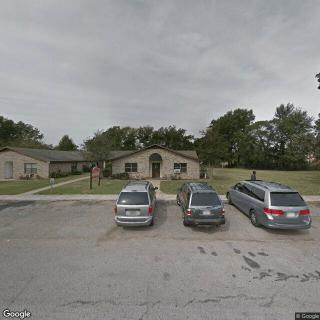
325 Selma Road, Bessemer, AL 35020
For more information about senior living options: (866) 208-4318
Oak Trace Care & Rehabilitation Center Costs & Pricing
At Oak Trace Care & Rehabilitation Center, the costs for care and accommodations reflect a premium service environment, particularly when compared to both Jefferson County and the broader context of Alabama. For a studio room, residents can expect monthly fees ranging from $7,199 to $7,200, significantly higher than the county average of $4,002 and the state average of $3,279. This disparity is even more pronounced with semi-private rooms, which are priced at $9,700 - well above Jefferson County's average of $4,413 and Alabama's statewide figure of $3,495. These rates suggest that Oak Trace offers specialized services or amenities that justify their higher cost structure, appealing to those seeking enhanced care in a supportive community setting.
| Floor plans | Oak Trace Care & Rehabilitation Center | Jefferson County | Alabama |
|---|---|---|---|
| Studio | $7,199 to $7,200 | $4,002 | $3,279 |
| Semi-Private | $9,700 | $4,413 | $3,495 |
Overall Review of Oak Trace Care & Rehabilitation Center
Pros
 The visit was awesome, and the staff were a big help with bringing in items for the residents for Christmas from Friendship Missionary Baptist Church on Main Street, Brighton, AL.
- The staff were friendly, attentive, knowledgeable, and courteous.
- Willie Newberry looked better after being cleaned up; his hair was combed, the shave was on point, and he was awake.
Cons
 There is no public transport available.
- The nurse was very rude and refused to provide information about his health.
- The nurse spoke to him in a hateful manner.
- The nurse claimed that a code was required to access information.
Review
Oak Trace Care & Rehabilitation Center in Bessemer is best suited for families seeking a warm, hands-on care experience where frontline staff visibly invest in residents’ daily well-being. The community excels at personal, day-to-day attention, from grooming to friendly chats, that makes a resident feel noticed and cared for. Staff are described as friendly, attentive, knowledgeable, and courteous, creating a reassuring atmosphere for relatives who want to stay connected with their loved one’s routine. The setting appears particularly welcoming for families who want to participate in or observe in-house activities, as evidenced by staff coordinating contributions from a church group and facilitating celebrations. For seniors who flourish with steady personal contact and a home-like pace rather than a strictly clinical environment, Oak Trace delivers meaningful value. It is, however, not the kind of facility that aims to be a one-stop shop for all medical complexity or seamless, always-on information flow.
Those with high medical acuity, or who require consistent, proactive medical updates to distant relatives, may want to consider alternatives. The reviews indicate a mixed experience in information sharing, including an instance where a nurse refused to provide health updates or even confirm if a loved one was in the building. While such moments may reflect occasional staffing shortages or communication gaps, they are enough to deter families who must stay fully in the loop. Additionally, the lack of public transportation options creates a practical barrier for visitors and for residents who wish to maintain outside connections without relying on private arrangements.
On balance, the key positives, friendly staff, helpfulness with family needs, and good personal care, offset several common headaches associated with short-stay rehab or residential care. The staff’s willingness to assist with practical tasks, like coordinating items for holiday celebrations from a local church, speaks to a collaborative culture that values family engagement. Observations of grooming quality, hair, shaving, cleanliness, underscore a level of daily care that residents notice and families appreciate. These strengths can translate into a calmer, more dignified daily experience for a resident who thrives on consistent human interaction. However, the real question is whether these positives can compensate for ongoing communication issues that may surface during medical or emotional family inquiries.
The negative interactions described, most notably a nurse who spoke rudely and withheld information, are where the risk line appears. When family members cannot confirm a loved one’s status or health without friction, trust erodes and visits can feel more stressful than comforting. This is not a minor quirk; it signals potential gaps in staff consistency, accountability, and customer-service culture that families must weigh against any perceived warmth on the floor. In practice, a single tense interaction does not condemn an otherwise caring environment, but it does increase the likelihood of repeat concerns if not addressed. Prospective residents should probe how information is communicated, who is responsible for updates, and what the facility’s process looks like for family inquiries.
Accessibility matters in daily life, and the absence of public transport compounds the challenge. For families without private means, arranging regular visits can become logistical stress, even when care is otherwise solid. The site’s lack of transit options places a premium on on-site family-friendly scheduling, structured visit windows, and support for arranging private transportation or community resources that facilitate visitation and participation in activities. Families should ask about any transportation partnerships, volunteers, or volunteer-friendly programs that could bridge this gap. The combination of accessible staff and the transport hurdle should drive a clear conversation about how to maintain a consistent, engaged support network around the resident.
Overall, Oak Trace offers a practical choice for families prioritizing accessible, compassionate day-to-day care and a community feel, with staff who stand out for personal warmth and practical help. It does not absolve a potential family of the obligation to verify how health updates are communicated and to plan transport logistics. For caregivers who value steady in-person interaction and opportunities for spiritual or social involvement, Oak Trace can be a solid fit; for those whose decision hinges on flawless communication and robust transport support, alternatives deserve serious consideration. A disciplined visit, meet the charge nurse or social worker, review a sample care plan, request a clear updates policy, and discuss visitation logistics, will reveal how well Oak Trace aligns with the family’s priorities. In the end, it comes down to balancing heart with clarity: warmth and attentiveness on the floor against the need for transparent updates and practical access.
 79 resident community capacity
 Skilled Nursing Facility
 Air-conditioning
 Beauty salon
 Cable or satellite TV
 Computer center
 Dining room
 Fitness room
 Fully furnished
 Gaming room
 Garden
 Housekeeping services
 Kitchenette
 Move-in coordination
 Outdoor space
 Private bathrooms
 Restaurant-style dining
 Small library
 Telephone
 Wellness center
 Wi-Fi/high-speed internet available
 Birmingham International (14 miles away)
 Community operated transportation
 12-16 hour nursing
 24-hour call system
 Activities of daily living assistance
 Assistance with bathing
 Assistance with dressing
 Assistance with transfers
 Diabetes diet
 Medication management
 Mental wellness program
 Special dietary restrictions
 Concierge services
 Planned day trips







 California's Form 602A: An In-Depth Examination of Senior Care Assessment
 Comprehensive Look at Senior Blood Pressure Charts: Normal and Elevated Levels by Age
 Top Canine Companions for Older Adults