
2330 Michigan Ave., Waukesha, WI 53188
To contact a resident: (262) 524-6400
For more information about senior living options: (866) 208-4318
Overall Review of Linden Court-Waukesha
Pros
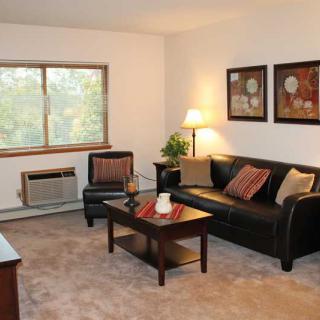
 The rooms are nice and well-appointed.
- The memory care unit appears very clean, secure, and organized.
- It is described as a great place at the beginning.
- The grandfather liked the food.
Cons
 The nurse in the dining room is described as one of the rudest people encountered.
- The nurse is described as an awful woman.
- Linden Court Waukesha is described as a two-year nightmare that never ended.
- The facility is poorly managed from the top, with a revolving door of staff and unclear leadership.
- Caregivers were left without proper tools or assistance to do their jobs.
- No certification is required to work in a CBRF facility.
- Residents were left without basic daily needs or changing clothes for four days.
- Medications were not given as scheduled or at all.
- There was a lack of accountability and only excuses.
- Residents were not treated with dignity and the facility should be ashamed.
- The memory ward care was non-existent.
- No staff checked on residents during visits.
- Items went missing and were not returned.
- The facility should be approached with extreme caution; families must monitor their loved ones.
Review
Linden Court-Waukesha is best suited for seniors in the early to mid-stages of dementia who want a clean, orderly environment and can tolerate limited, but steady, on-site oversight. The memory-care atmosphere feels organized and the spaces appear well-kept, with a sense of order that can reassure families in the initial phases of cognitive decline. However, the caregiver ratio, about six residents per caregiver in the memory unit, means intimate, around-the-clock attention is not guaranteed. For residents who are incontinent, unable to eat independently, or require frequent hands-on assistance, this setting will likely fall short as needs escalate. Families should enter with the expectation that daily duties may be variably covered and that proactive family involvement will be necessary to ensure basic care.
Those who should seriously consider alternatives are families facing signs that care quality cannot be consistently sustained. Recurrent turnover at the leadership level, inconsistent staffing, and reports of medication omissions point to a fragile operational backbone. The intensity of daily caregiving appears uneven, with anecdotes of extended delays in routine tasks, and instances where essential care was not delivered or documented. For any loved one whose health depends on reliable staff response, careful comparison with other local options is essential before committing. If continuous accountability and dependable daily care are non-negotiable, Linden Court-Waukesha likely will not meet those standards.
On the plus side, the facility’s physical environment carries some merit. Rooms are described as nicely appointed, and the memory-care area is noted to be clean, secure, and organized. In a sector where atmosphere often feels secondary to care quality, this combination creates a presentable frontline that can be appealing to families evaluating spaces. Yet these positives do not cancel out the weightier concerns. The contrast between a pleasant interior and repeated care lapses, missed medications, delayed responses, and care gaps in daily living, means the charm of the setting cannot compensate for inconsistent caregiving. For families prioritizing a warm, respectful environment paired with steady care, the pros are real but not decisive.
A practical evaluation requires pressing for concrete assurances before any move-in. Families should request current leadership contact and a clear overview of the day-to-day staffing plan, including exact staff-to-resident ratios across shifts, and the process for medication administration and daily care checks. Demand to review recent incident and response logs, and verify how dietary orders, especially concerning low-sodium plans, are monitored and enforced. Communication protocols with families, documentation practices, and a transparent grievance process must be articulated in writing. Given the past emphasis on accountability failures, insist on a detailed onboarding and ongoing training plan for frontline aides, with visible accountability structures and routine overseer involvement.
If memory care is a critical concern, considerations should extend beyond appearance and sugary assurances. Comparisons with peer facilities reveal a common truth: appearances can mislead when care delivery is unstable. The memory-care experience at Linden Court-Waukesha has been described as clean and secure, but the care quality in practice has been questioned by multiple families. For families weighing options, this often means seeking communities with documentary evidence of stable staffing, reliable med-pass routines, and proactive, frequent resident engagement. A facility that can demonstrate consistent leadership, lower risk of care gaps, and a track record of timely medical and family communications will typically deliver far more peace of mind than a superficially well-kept setting.
In the end, Linden Court-Waukesha presents a mixed picture that demands a cautious, data-driven decision. It may work for a narrowly defined segment, those in early dementia who can tolerate uneven but present supervision and who insist on a tidy, contained environment. For anyone whose Loved One requires high-touch care, rapid problem-solving, or unwavering medication management, alternatives warrant serious consideration. The decisive factor is whether the family can establish and enforce a robust oversight framework from day one, ensuring that care quality keeps pace with the pace of decline. Without that guardrail, the risks highlighted by the experienced reviewers, staff turnover, inconsistent care, and avoidable hospital interactions, will likely eclipse the potential benefits of a pleasant, well-kept facility.
 Memory Care
 General Mitchell International (19 miles away)


 Vibrant Senior Living: A Comprehensive Guide for Active Older Adults
 Assisted Living and Memory Care: Understanding Their Core Differences
 Choosing the Right Senior Care: A Detailed Exploration of Assisted Living and Nursing Homes