
2330 West Michigan Avenue, Waukesha, WI 53188
For more information about senior living options: (866) 208-4318
Overall Review of Lindencourt Waukesha
Pros
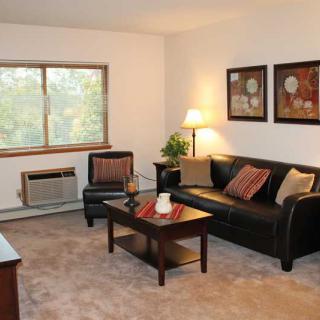
 The rooms are nice and well-appointed.
- The memory care unit appears very clean, secure, and organized.
- The memory care unit has a 6-to-1 caregiver ratio for residents with Alzheimer's and/or dementia.
- The facility is a great place at the beginning.
Cons
 The nurse in the dining room is described as one of the rudest people the reviewer has encountered.
- The staff are said to have horrendous attitudes, and management is extremely poor.
- The memory ward is portrayed as delivering non-existent care, with no one checking on residents during visits.
- Belongings and clothing are reported missing, with only some items returned after a long delay.
- The facility allegedly served foods that contradicted a low-sodium diet, causing swelling and wounds for a resident.
- A patient was sent to the hospital against doctors’ orders, and the family was not notified; the facility then left the patient on a “do not return” list.
Review
Lindencourt Waukesha is best suited for families whose loved one is in the early to mid-stages of dementia or Alzheimer's and who want a memory-care focused setting that feels organized and secure. The facility presents a clean, orderly environment with a dedicated memory-care designation and a caregiver structure that points to routine and predictability. For families seeking a place that can handle escalating needs with consistently attentive nursing care, though, the picture is much more mixed. The positive first impression of a well-kept building and a defined memory-care program can be compelling, but it does not guarantee the level of hands-on, daily support required as dementia progresses.
Those considering alternatives should be alert to signs that Lindencourt may not meet ongoing, high-touch care demands. The reviews point to ongoing concerns about staff attitudes, with direct encounters described as disrespectful or slow to respond. Management and operational lapses also appear repeatedly, including broken communication, missteps with medical orders, and inconsistent adherence to care plans. Families with loved ones who require frequent assistance, strict monitoring of fluids and medications, or rapid response to changing needs should evaluate other options where staff stability, accountability, and family communication are demonstrably stronger.
The strongest positives here are the structural ones: a memory-care focus, a defined unit, and a facility that looks tidy and secure. A 6-to-1 caregiver ratio in memory care suggests a framework for supervision in a setting intended for residents with cognitive impairment. In theory, this can translate to more predictable supervision, safer routines, and a contained environment. Yet these advantages only partly offset the most consequential drawbacks: inconsistent caregiving quality, reported rude interactions, and management gaps that undermine trust and safety. A well-managed unit can feel comforting, but when basic care responsibilities, like ensuring residents are appropriately dressed, comfortable, and monitored, are slipping, the overall value collapses for families prioritizing reliability.
From a decision-making standpoint, Lindencourt warrants a rigorous, test-drive approach. Prospective families should demand clear, written care plans and tangible evidence of daily engagement from front-line staff. Schedule multiple shifts to observe how aides interact with residents, how quickly aides respond to calls, and how dietary and medical orders are implemented in real time. If dietary promises are made, such as a low-sodium regimen, verify adherence with kitchen staff on several occasions. Insist on detailed incident follow-ups whenever concerns arise, and request direct access to the nurse manager or administrator to gauge how complaints are handled and escalated.
The most troubling themes in the feedback point to real safety concerns that can override any aesthetic or programmatic appeal. Instances of leaving a resident unattended, temperature management issues, and materials going missing suggest gaps in day-to-day vigilance. There are also alarming episodes involving hospital transfers and disputes over medical orders and re-admission, which signal systemic issues rather than isolated incidents. For families, these red flags translate into a higher need to supervise, document, and potentially pursue outside oversight to protect a loved one’s well-being.
Ultimately, Lindencourt Waukesha should be approached with clear contingencies in mind. It is not a blanket recommendation for anyone whose loved one requires reliable, high-frequency nursing care or strong, proactive care coordination. Instead, it may serve as a temporary or transitional option for those who anticipate early-stage dementia needs and are prepared for intensive family involvement and ongoing scrutiny. If this route is chosen, proceed with a precise plan: secure regular updates, insist on documented care plans and schedules, and maintain backup options for higher-touch care. In a crowded field of senior living, Lindencourt stands out for its memory-care framework, but the concrete care experience must match the promise; otherwise, it’s prudent to look elsewhere for a more consistently dependable standard of daily support.
 24 resident community capacity
 Assisted Living
 Beauty salon
 Cable or satellite TV
 Dining room
 Fully furnished
 Garden
 Housekeeping services
 Kitchenette
 Move-in coordination
 Outdoor space
 Telephone
 Wi-Fi/high-speed internet available
 General Mitchell International (19 miles away)
 24-hour call system
 Activities of daily living assistance
 Assistance with bathing
 Assistance with dressing
 Assistance with transfers
 Diabetes diet
 Meal preparation and service
 Medication management
 Mental wellness program
 Special dietary restrictions
 Transportation arrangement (medical)
 Transportation to doctors appointments




 How and When Medicaid May Cover Assisted Living Costs
 A Detailed Exploration of Assisted Living Medicaid Waivers Across the United States
 Comprehensive Residential Support and Assisted Living Solutions for Individuals with Disabilities