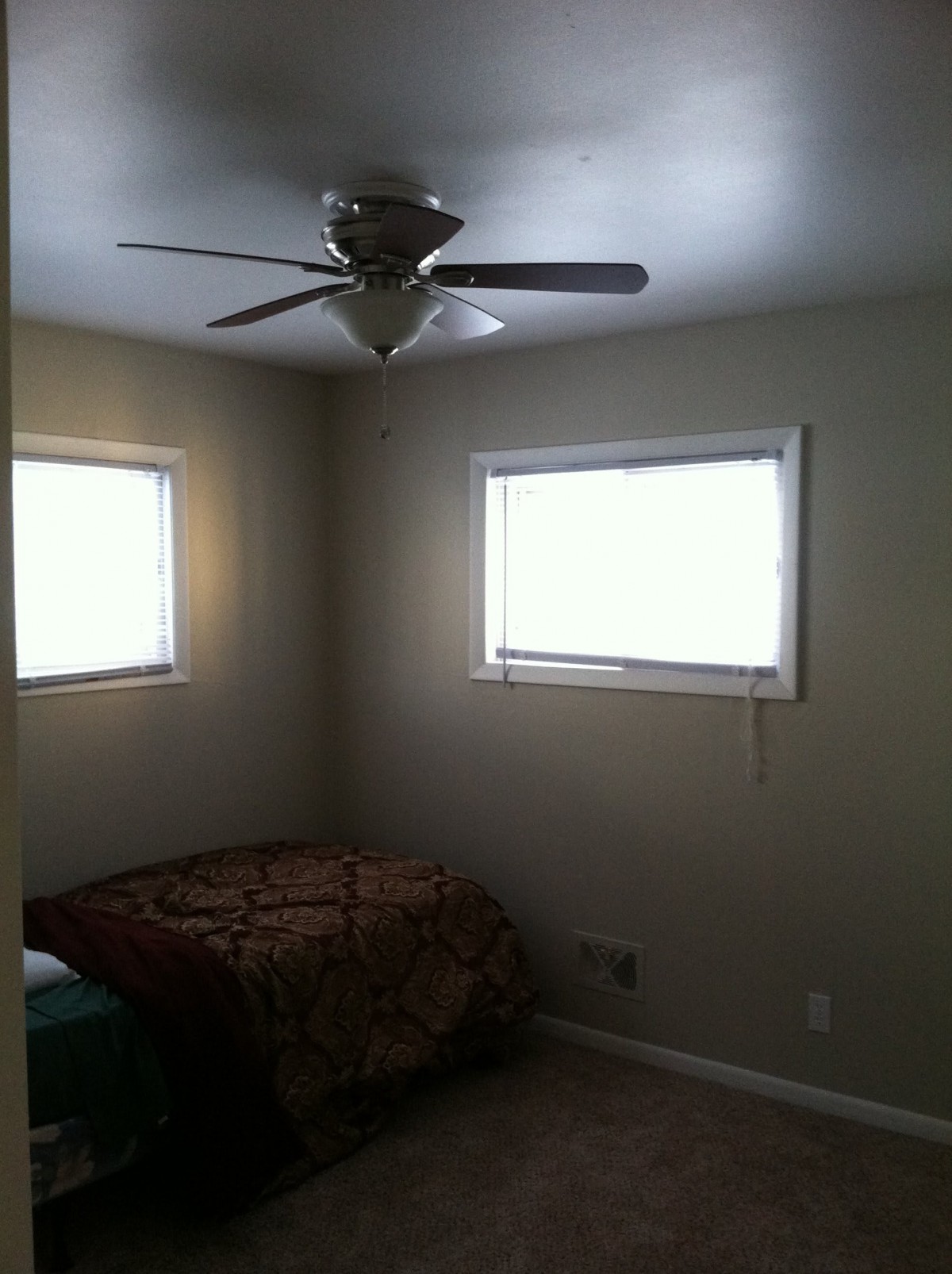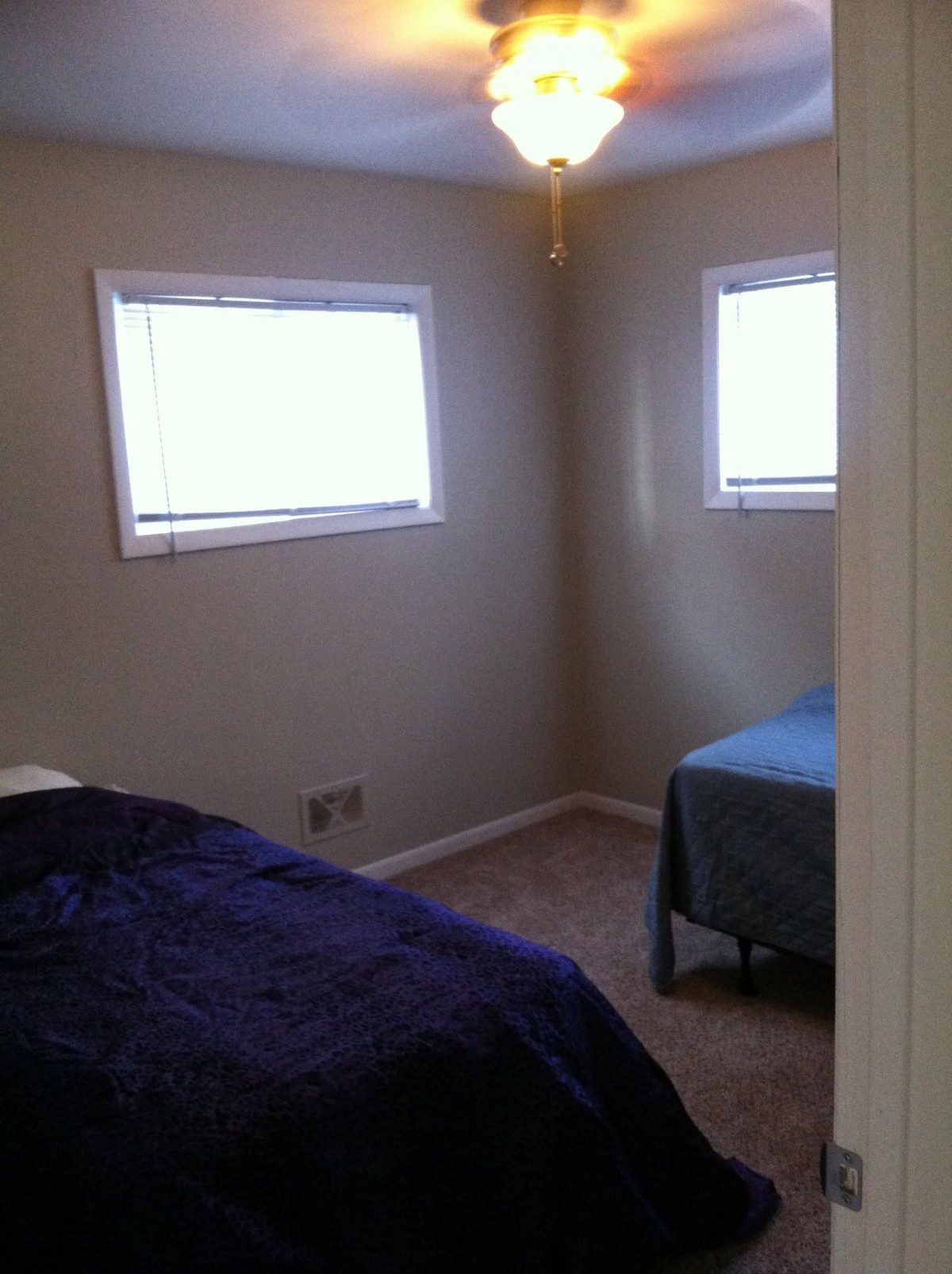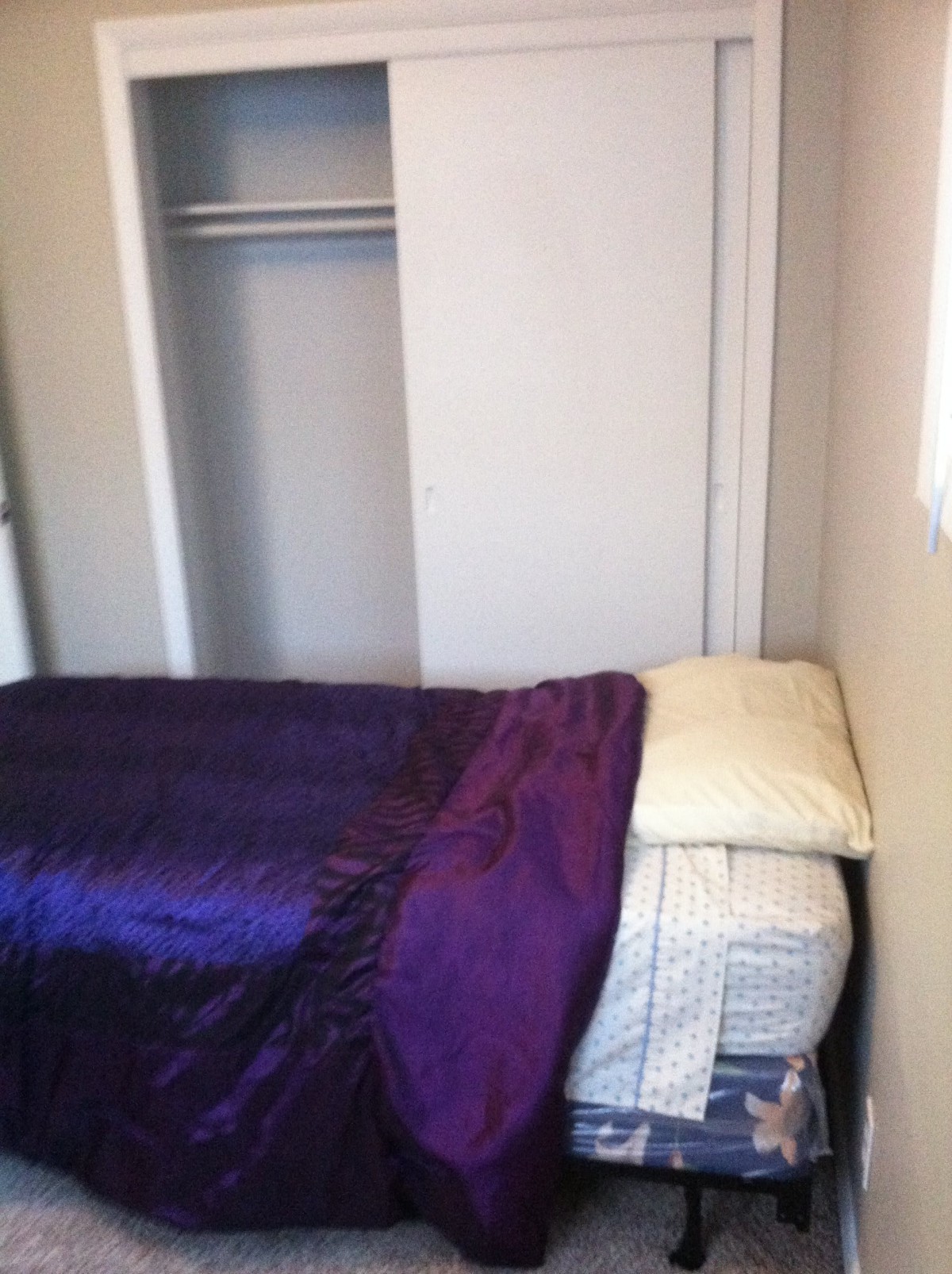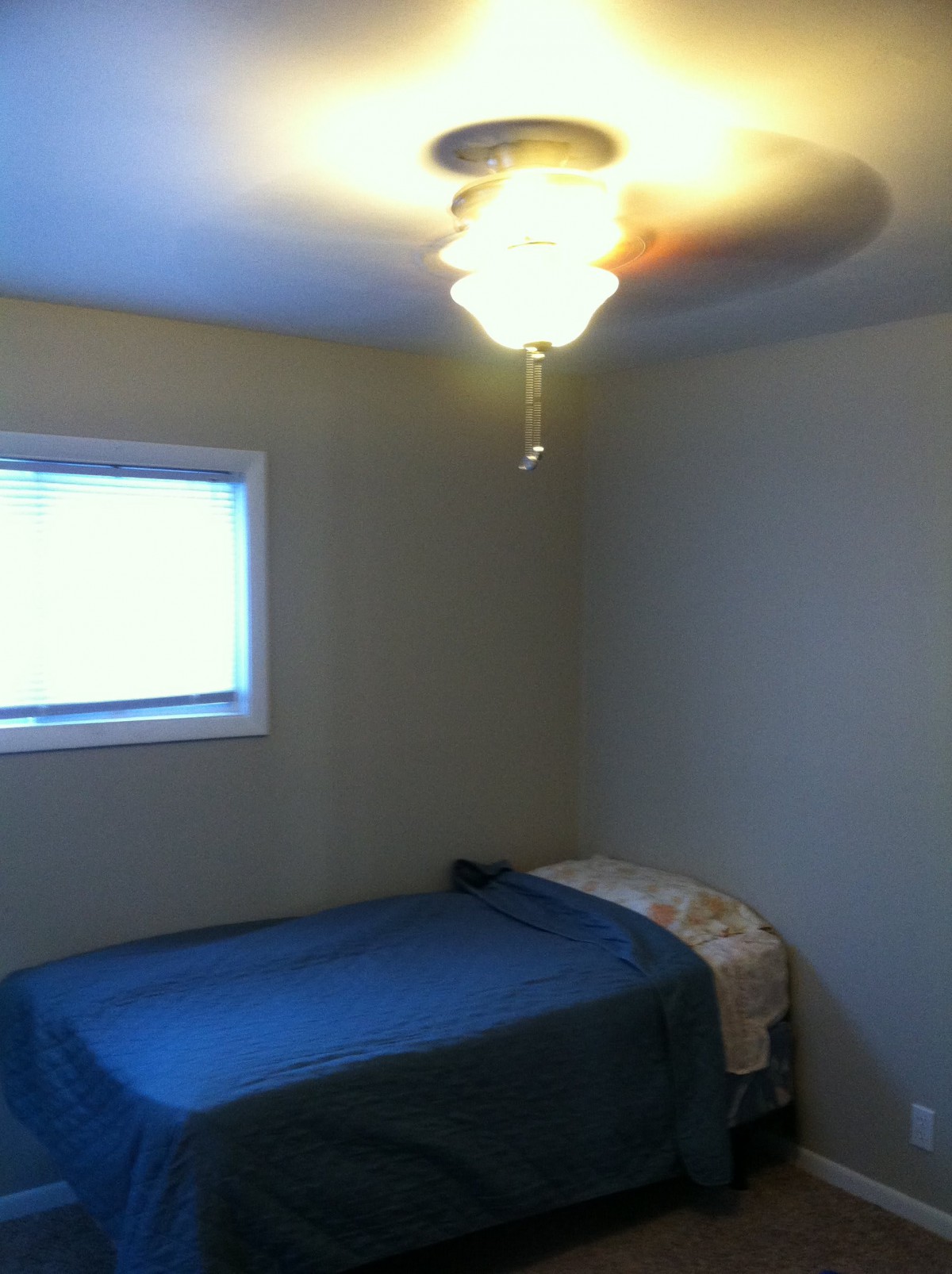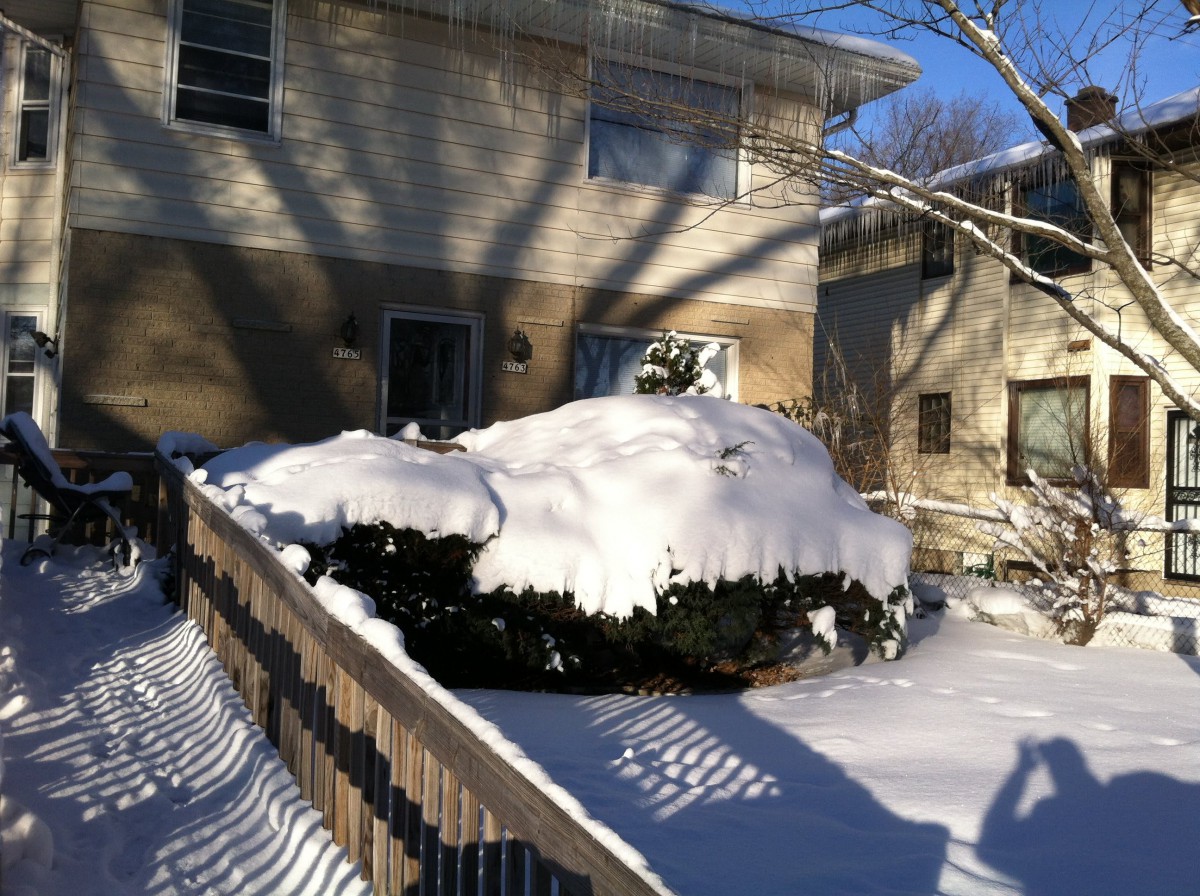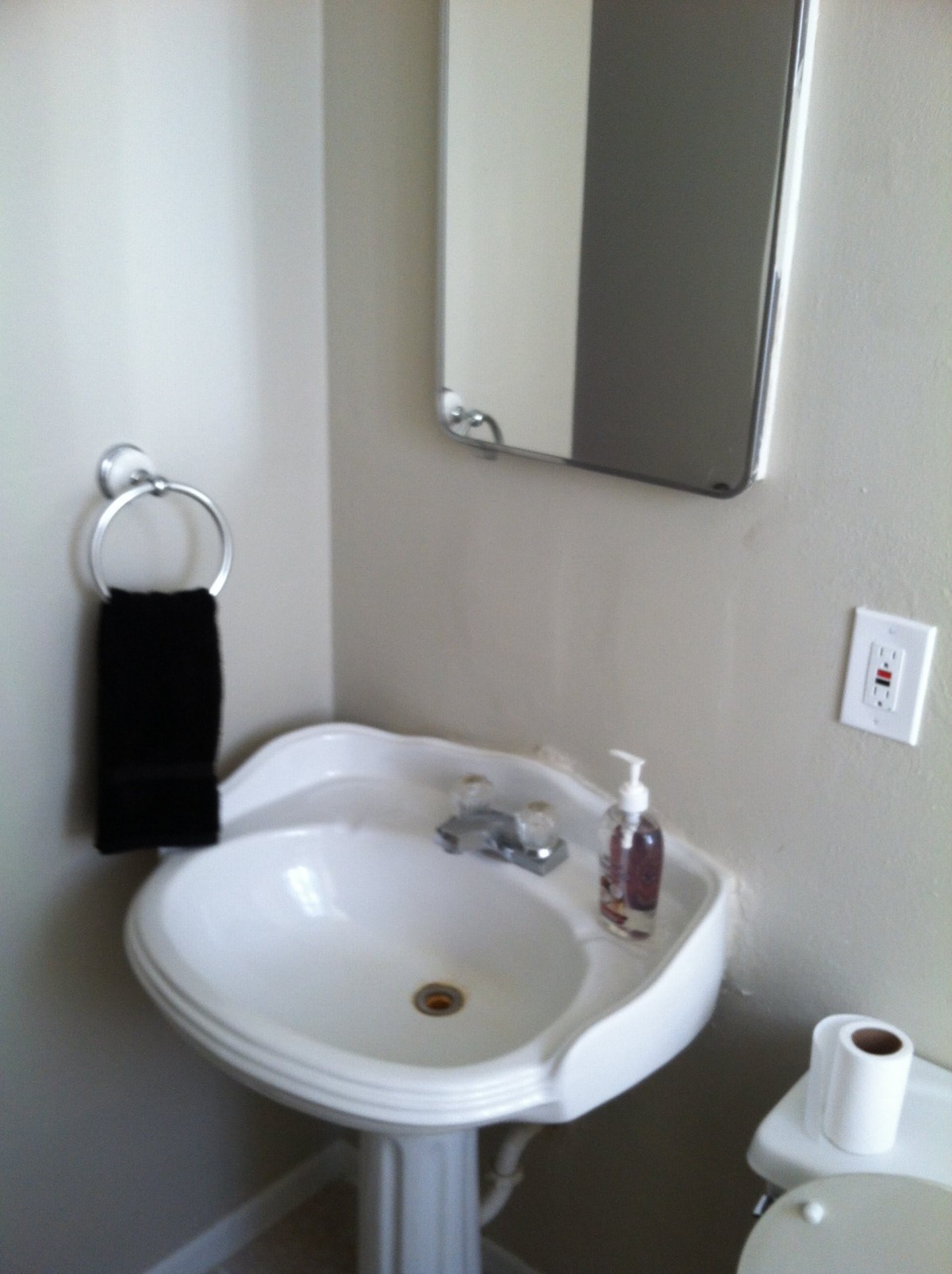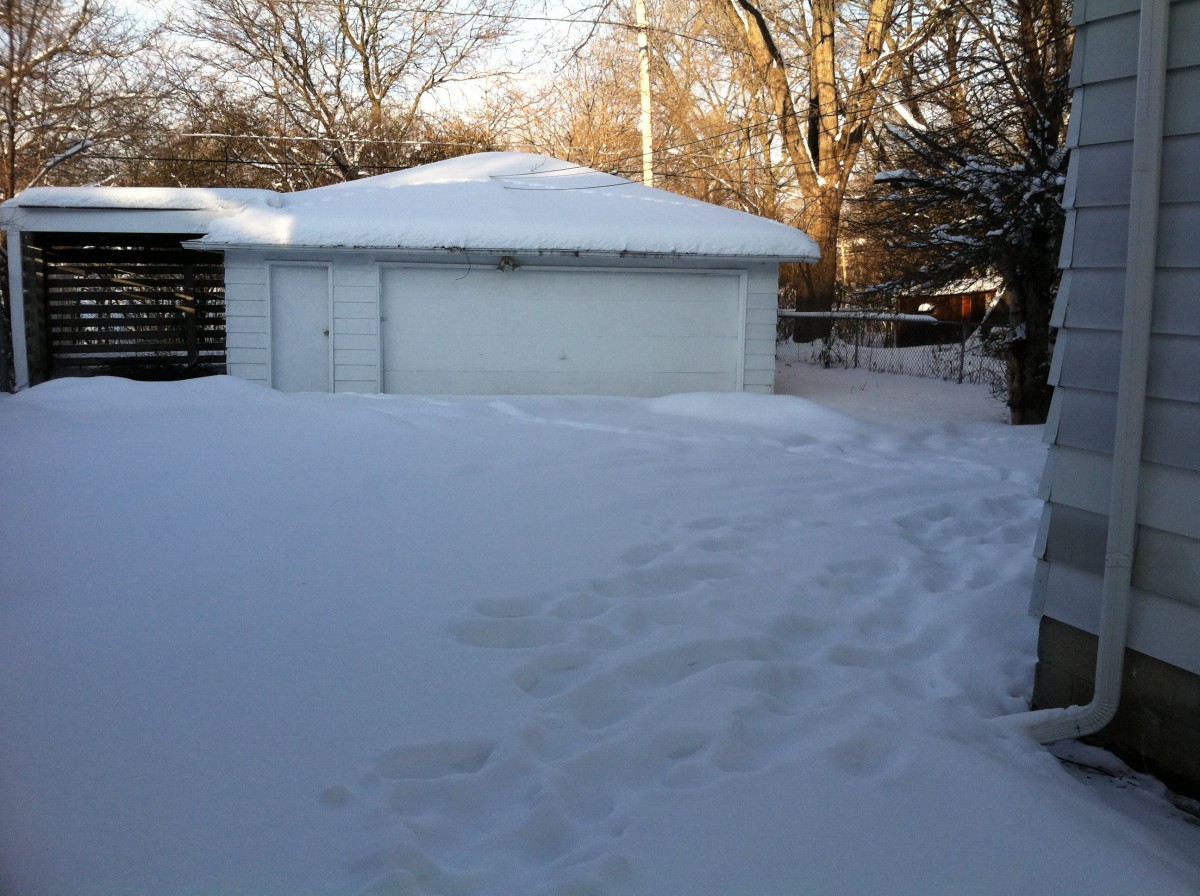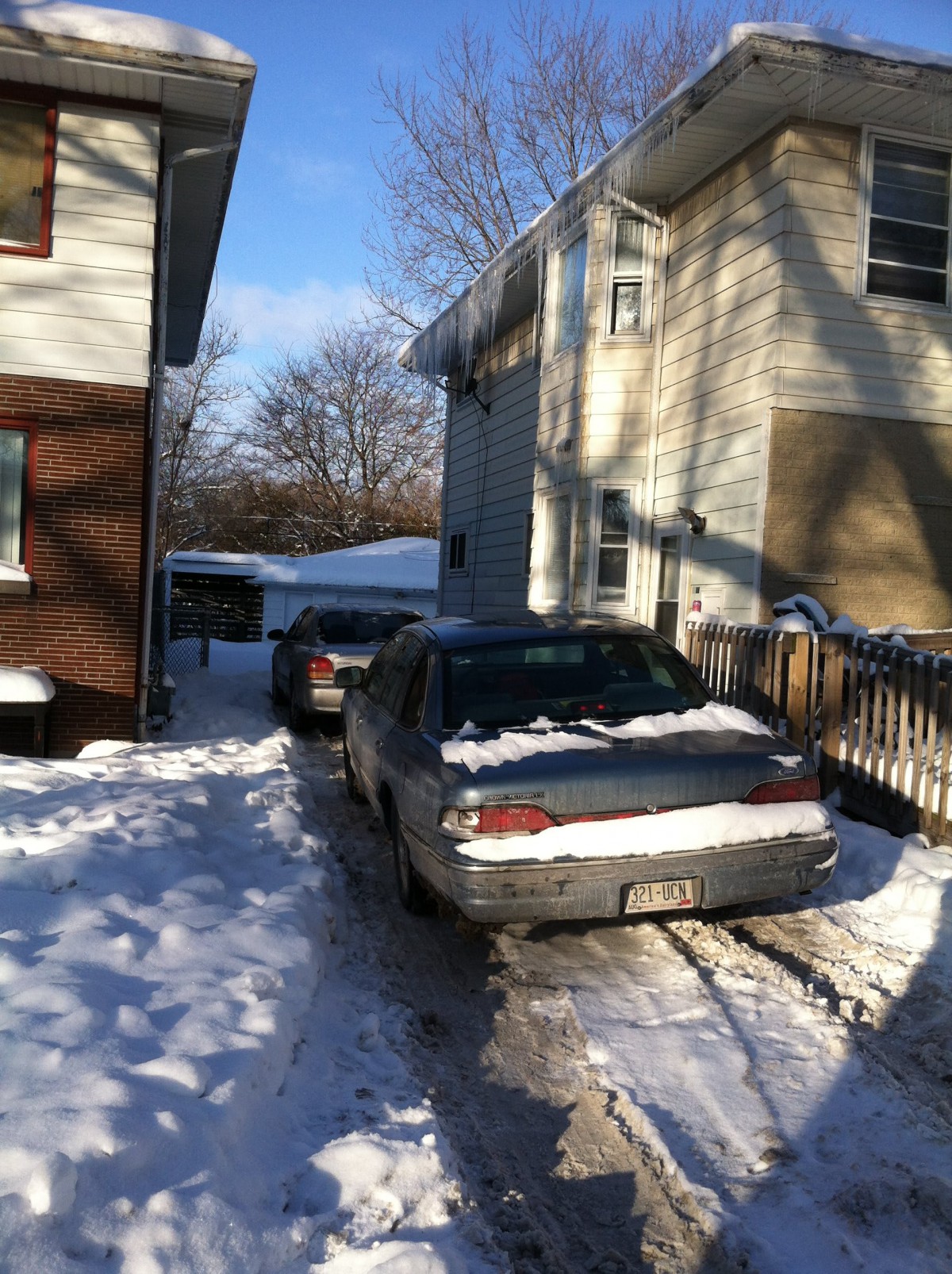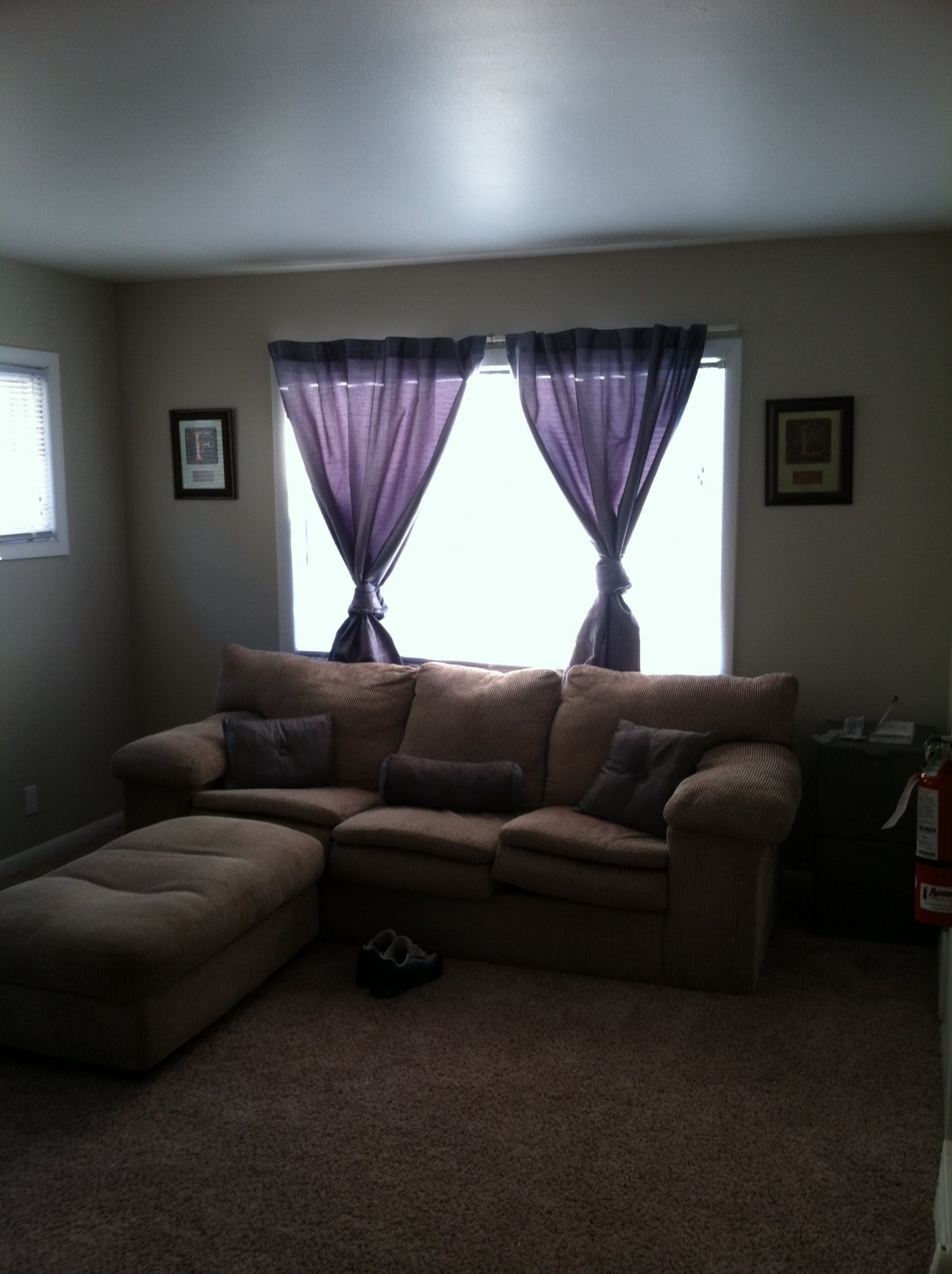
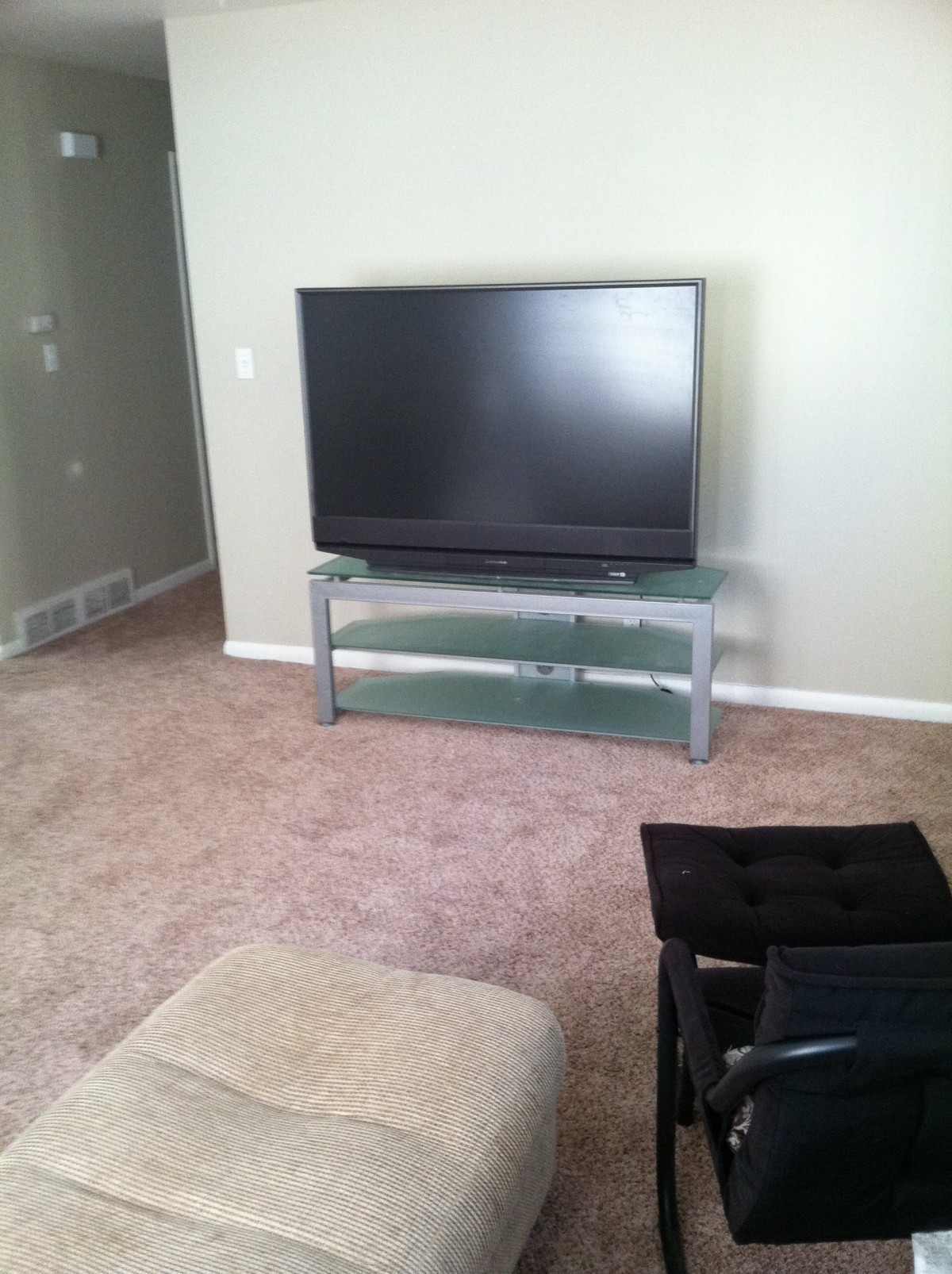
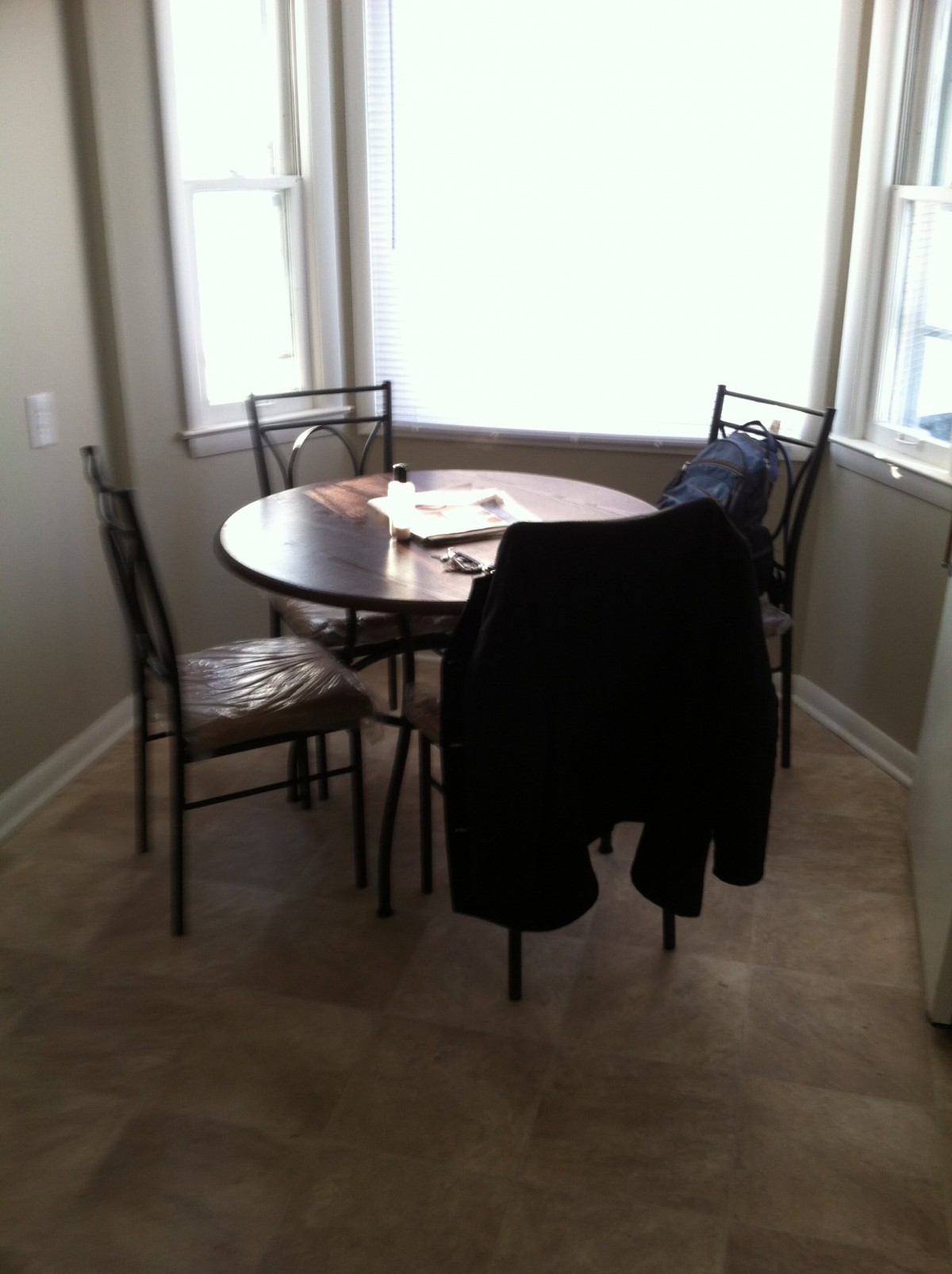
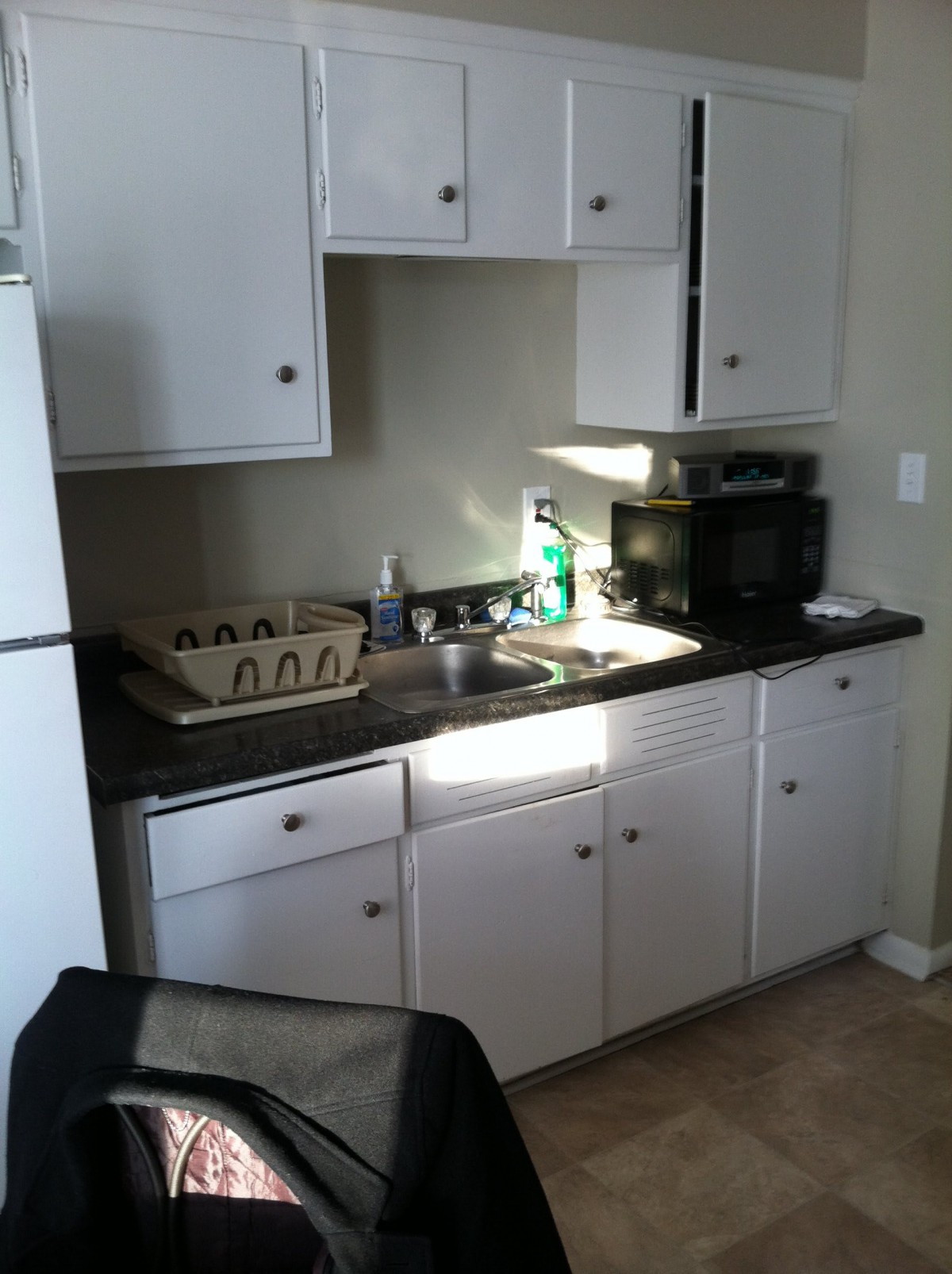
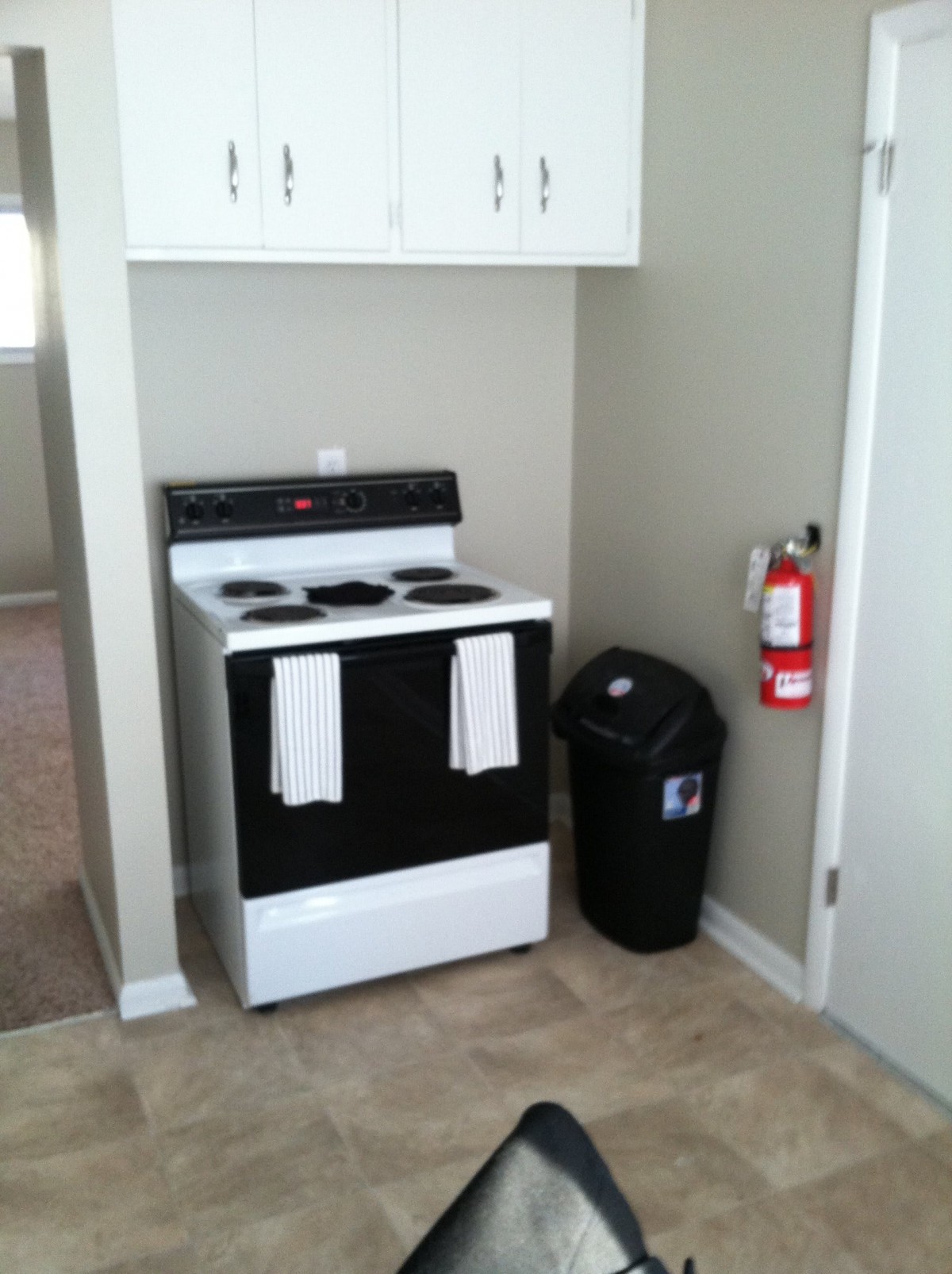
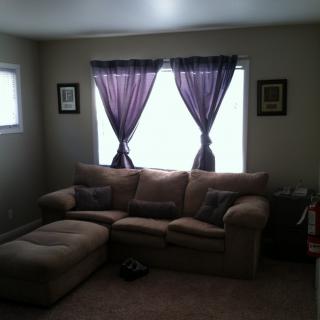


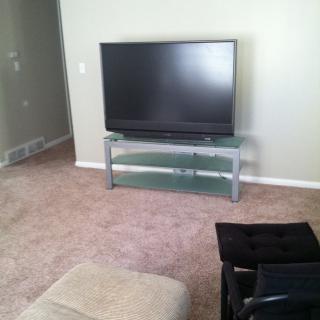
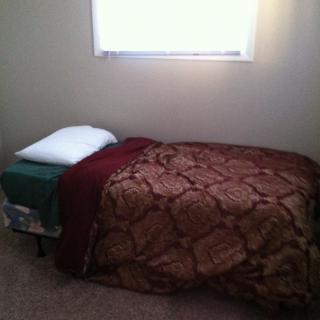

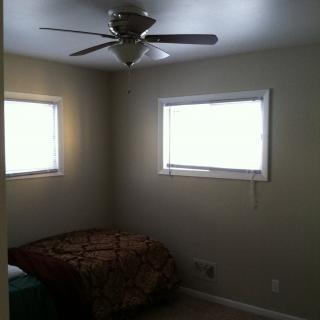
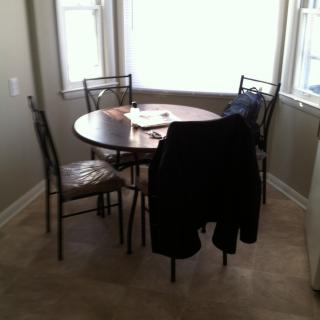

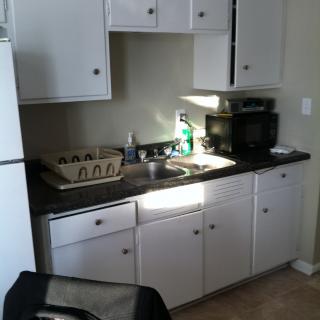
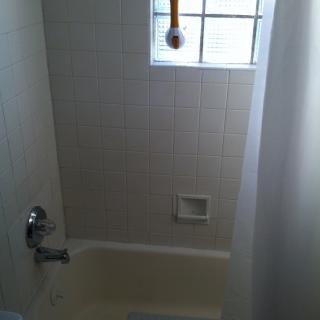
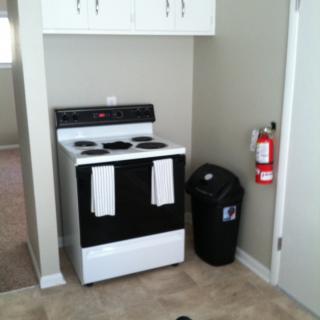

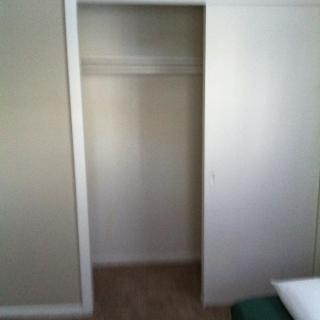
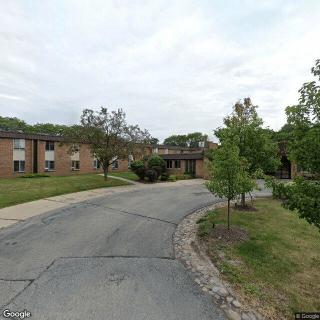
4763 N 46th Street - Lower, Milwaukee, WI 53218
To contact a resident: (414) 779-5387
For more information about senior living options: (866) 208-4318
Davis and Paden Home Costs & Pricing
At Davis and Paden Home, the monthly costs for accommodation present a competitive alternative compared to both Milwaukee County and the broader state of Wisconsin. For a semi-private room, residents are charged $3,500, which is notably lower than the county average of $4,341 and also below the state average of $3,977. In terms of private rooms, the rate at Davis and Paden Home stands at $5,000, slightly higher than Milwaukee County's average of $4,513 but still remains more affordable than Wisconsin's statewide figure of $4,339. Overall, Davis and Paden Home offers an appealing pricing structure for prospective residents seeking quality care without the typically higher costs associated with similar facilities in the region.
| Floor plans | Davis and Paden Home | Milwaukee County | Wisconsin |
|---|---|---|---|
| Semi-Private | $3,500 | $4,341 | $3,977 |
| Private | $5,000 | $4,513 | $4,339 |
Memory care communities with a similar price nearby
-
from -$400 / mo
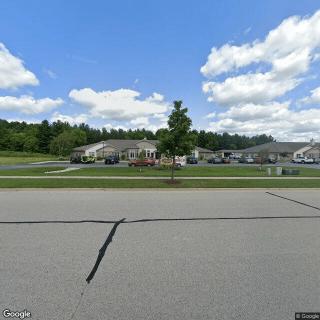
Serenity Villa
$3,100 to $5,500 / month19.8 miles away -
from -$350 / mo
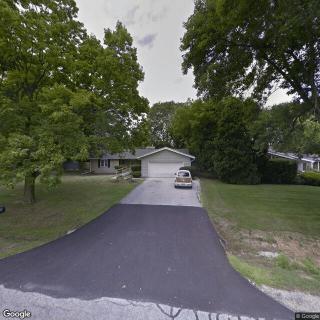
Home Share North Shore House
$3,150 / month4.9 miles away -
from -$410 / mo
Wellington Place at Hartford
$3,090 to $4,020 / month23.1 miles away -
from +$500 / mo
Ellens Home Germantown
$4,000 / month9.8 miles away -
from +$500 / mo
Complete Home Health Care
$4,000 / month0.8 miles away
Overall Review of Davis and Paden Home
Pros
 She takes good care of her residents.
- She makes sure they are healthy and safe.
- She ensures they have everything they need.
- She answers the phone for any emergencies in a heartbeat.
Review
Davis and Paden Home in Milwaukee is best suited for families seeking an intimate, hands-on care setting where a dedicated owner-operator can provide direct, responsive attention to daily needs. This is not a high-volume, impersonal facility; it is a small, group-home environment where the caregiver’s hands-on approach matters. Residents who require regular supervision for health and safety, along with ready access to someone who can address emergencies in real time, will likely feel most at home here. The emphasis on being present for residents, having everything they need and quick, heartbeat-fast emergency responses, appears to be the core strength of this community.
Families should consider alternatives if they prioritize scale, formal programs, or broader medical oversight. Larger assisted living campuses with licensed nursing teams, structured activity calendars, and more extensive memory-care options can offer a different level of continuity and predictability. If a resident requires a robust schedule of social programming, frequent on-site medical staff, or a facility with more in-depth regulatory oversight and clearly delineated policies, exploring other options is prudent. Additionally, if a family needs guaranteed, 24/7 on-site staffing with certified care coordinators and more extensive respite possibilities, alternatives with a fuller staff complement may be a better fit.
The primary advantages here, personalized care, direct accountability, and rapid response, set a high bar for safety and attentiveness. The owner’s hands-on stance translates into quick problem resolution, clear communication, and a sense that residents’ needs are prioritized. These strengths help offset the potential downsides of a smaller operation by ensuring that emergencies are handled promptly and basic needs are consistently met. However, the single negative rating in the mix signals that consistency and breadth of services may vary, and that a family should probe carefully during visits. The positive experiences emphasize daily reliability; the negative rating serves as a reminder to verify all expectations, from med management to daily routines, before committing.
That rating spread, two five-star notes alongside a one-star critique, points to a real potential for outstanding personal care, tempered by the possibility of inconsistency in other areas. Prospective movers should approach with a clear checklist: how is medication managed and supervised? who oversees medical appointments and transportation? what is the exact level of support for mobility, toileting, and meal-time assistance? how are residents engaged day-to-day, and what opportunities exist for meaningful activities? Families should also ask about staffing patterns, continuity of caregivers, and what contingencies are in place if the primary caregiver is unavailable. The absence of broader programming calls for a candid assessment of how a resident will fill the day and maintain social connection.
In practical terms, this community suits those who value direct access to the caregiver and a tightly run home environment over formalized programming. It benefits residents who thrive on routine, straightforward care, and who do not require extensive medical intervention beyond what a small team can safely manage. For families, the recommended next steps are concrete: arrange a firsthand tour, observe interactions between residents and the owner, and request a written outline of daily schedules, emergency protocols, and incident reporting. Seek references and speak with current families to confirm the consistency of care over time. And compare, with equal rigor, against at least two other options to ensure alignment with long-term needs and financial realities.
Ultimately, Davis and Paden Home presents a compelling choice for families prioritizing personal oversight and immediate, compassionate care in a small setting. It is less compelling for those needing broad-scale programming or intensive medical support. A careful site visit, explicit questions about staffing and care levels, and honest conversations about the resident’s day-to-day experience will reveal whether this home can sustain the level of trust families seek. If the answer aligns, this option becomes a practical, accountable choice; if not, the search should move toward facilities that offer a more expansive framework of services and stability.
 Board and Care Home
 Memory Care
 Activities off-site
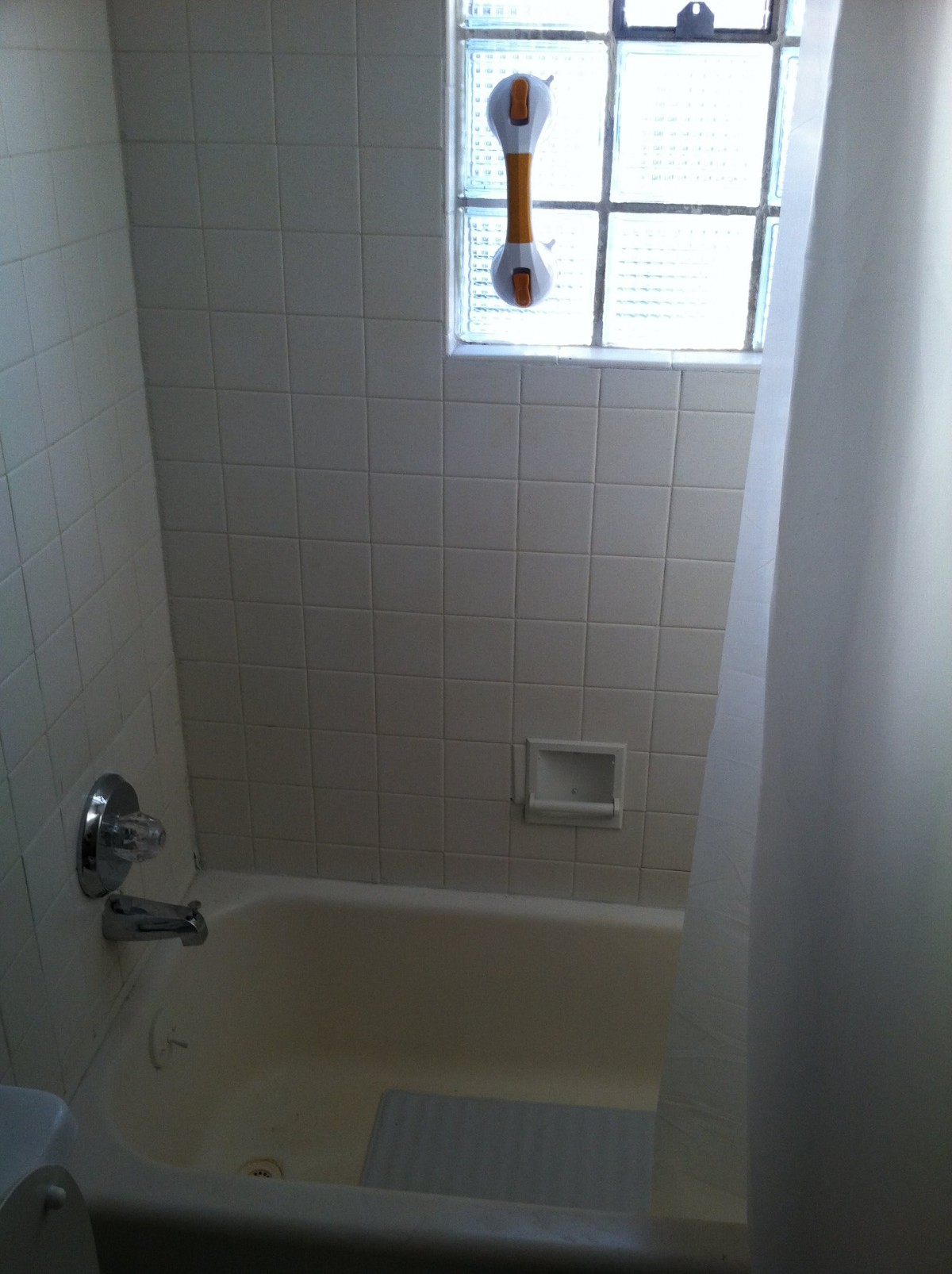
 Bath tubs
 Beautician on-site
 Devotional services off-site
 Indoor common areas
 Outdoor common areas
 Private
 Respite or short term stays offered
 General Mitchell International (12 miles away)
 Ambulatory care
 Diabetic care
 High acuity care
 Incontinence care
 Medication management

 Five Subtle Dementia Indicators to Observe: An In-Depth Guide to Understanding “Does My Mom Have Dementia?”
 Dementia, Paranoia, and Caregiver Guidance: Understanding the Connection
 Engaging Memory Care Activities That Enhance Quality of Life