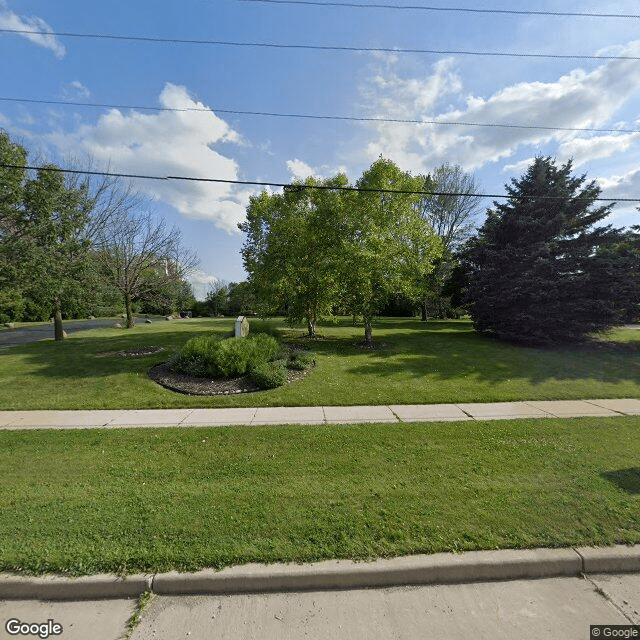
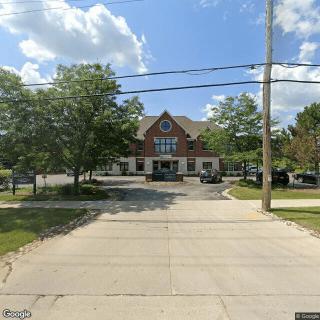
3111 W. Mequon Road, Mequon, WI 53092
To contact a resident: (262) 242-1199
For more information about senior living options: (866) 208-4318
Overall Review of New Perspective Senior Living Mequon
Pros
 The staff are friendly and helpful.
- The community is nice and clean.
- They accept Medicaid and Family Care.
- They offer many nice activities.
- The atmosphere is homier and more personal.
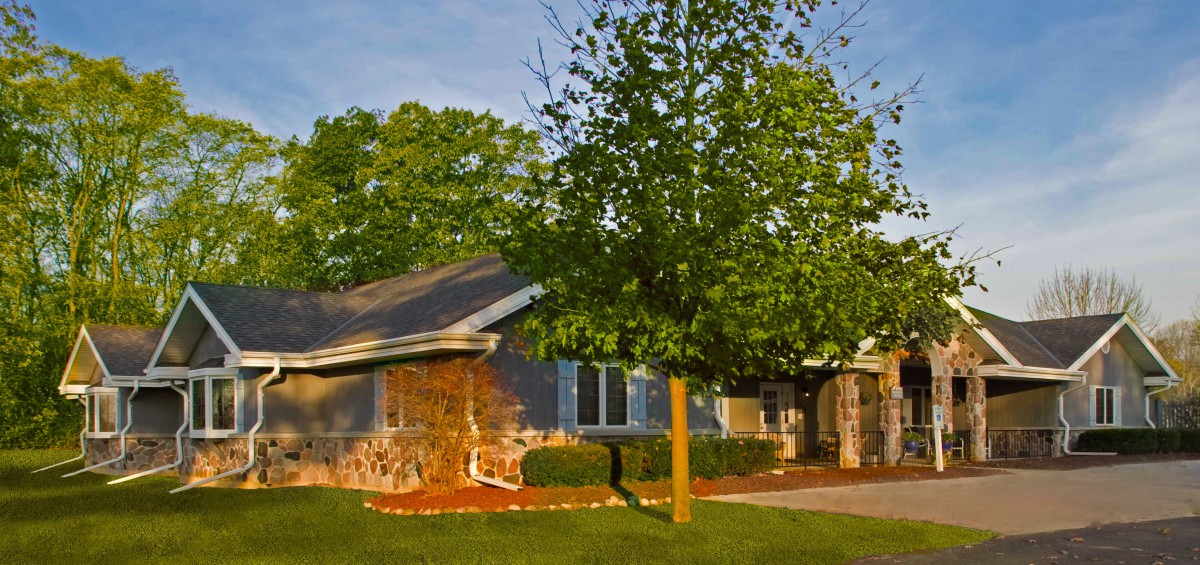
- The facility is clean, quiet, and well maintained.
Cons
 The distance from their location was too far.
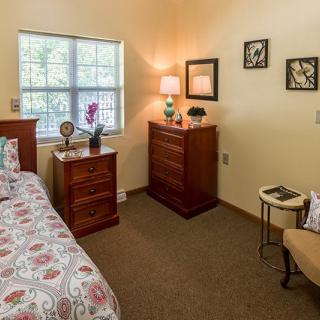
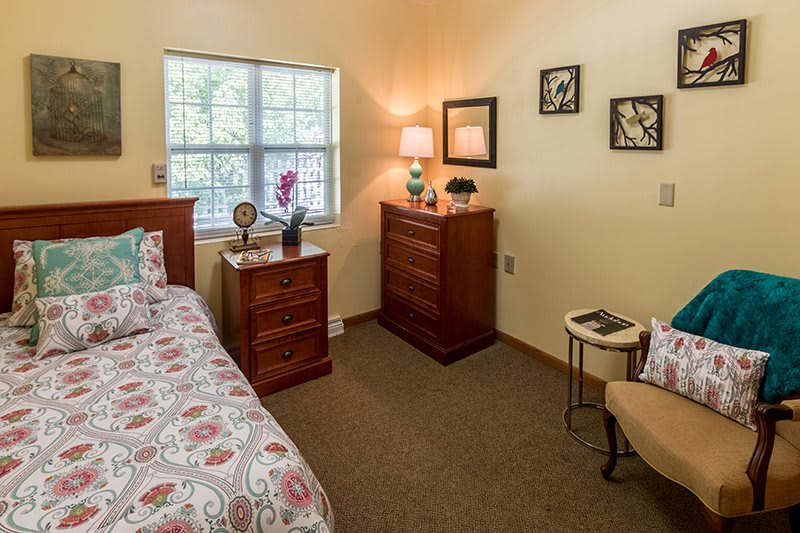
- The rooms were not well kept and the floors were not cleaned.
- The staff did not do a great job with hygiene care.
- The community was lacking direction.
- Management and the director had changed, and concerns were not heard or addressed.
- A fall occurred and they were not notified, with the circumstances remaining unclear.
- The caregivers were lax in their attention to residents.
- The facility seemed geared toward more independent residents who don’t need a lot of attention.
- Caution should be exercised before placing someone there.
- The resident has fallen several times.
- There have been a few hiccups.
- The activity calendar seems rather light compared to other facilities.
- The facility would not have been the best fit for their loved one.
Review
New Perspective Senior Living Mequon is best suited for families seeking a small, homey memory-care environment where cleanliness, approachable staff, and predictable costs matter most. The property leans into intimate cottage living, with capacities around 16 residents per cottage, which tends to foster closer relationships, steadier routines, and more individualized attention. For residents who are not seeking a sprawling campus with busier common areas, this community offers a practical, value-oriented option. An added plus in several reviews is the willingness to work with Medicaid and family care plans, reducing the financial barrier for seniors who qualify. In short, this is a practical choice for families prioritizing comfort, consistency, and a softer, more personal setting over big-venue amenities.
However, it is not for every senior. Families needing strong, proactive safety oversight and clear incident reporting should consider alternatives. Several reviews describe safety-sensitive gaps: a resident fell and was not promptly informed about the event, and caregivers were viewed as lax in monitoring. The same reviewers questioned whether the setting is best suited for individuals who require steady, high-level supervision rather than a primarily independent or lightly supervised environment. Management turnover and variability in follow-up communications further complicate continuity of care. Distance from family also emerges as a constraint for some guests, reducing the ability to monitor daily care.
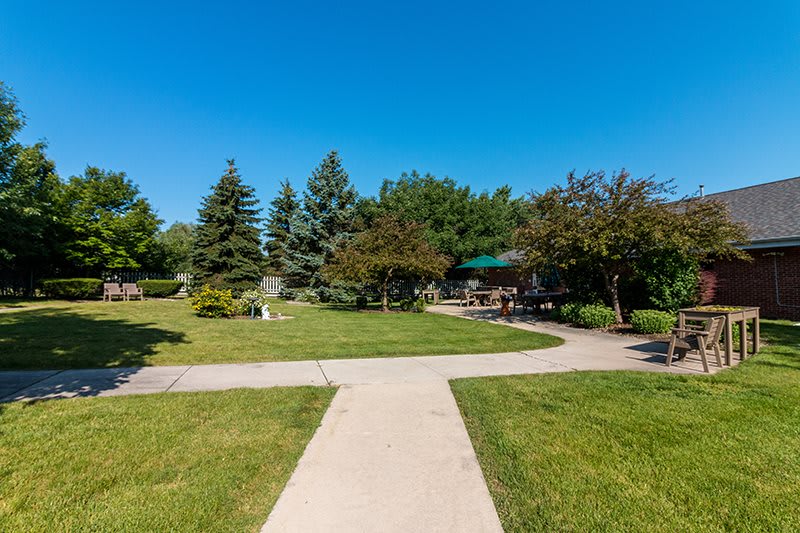
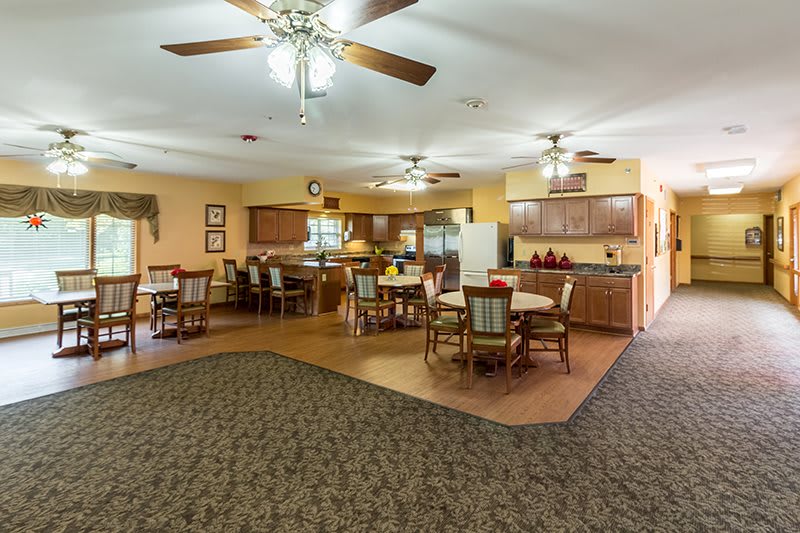
On the plus side, the core strengths show up consistently: clean, well-maintained surroundings; staff described as friendly, helpful, and responsive to questions; and a calendar of activities that many reviewers found appealing. The small cottage format contributes to a quieter, more homelike atmosphere that can feel reassuring to residents who prize familiarity and routine. For memory-care residents, the ability to be in a smaller, more personal setting while still accessing social programs adds tangible value. These positives provide a meaningful offset to cost concerns and can deliver a comfortable, predictable routine that reduces distress for some residents.
Yet the downsides are real and should not be minimized. Several accounts highlight maintenance lapses and room upkeep that undermine comfort. Falls appear as a recurring concern, with reports of inadequate notification and variable caregiver attention, which undermines trust in safety. Management instability, changes in the director and inconsistent follow-up, can erode family confidence over time. Some feedback suggests the community skews toward residents who require less intensive supervision, implying that those with higher needs may not receive the level of attention required. While the atmosphere remains appealing, these issues can tip the balance for families weighing options where stronger safety controls and more consistent leadership are non-negotiable.
Nevertheless, the advantages can justify this option for the right resident and family. The intimate setting enables more direct observation and quicker responsiveness when care plans are properly enforced, and the staff's friendliness contributes to a warmer daily experience. Medicaid acceptance lowers out-of-pocket costs, making memory care more accessible for eligible seniors. The perceived homier environment and the focused size can help residents settle in and participate in activities without feeling overwhelmed by a large campus. Where families can demand concrete safety measures, regular rounding, transparent incident reports, proactive hygiene checks, and a stable management line, these strengths can significantly offset the drawbacks.
Decision guidance: New Perspective Mequon suits a family seeking a smaller, personal memory-care option with cost-conscious care and a staff that is reachable and accommodating. Prospects should verify fall-prevention protocols, incident-reporting frequency, room upkeep standards, and the current leadership structure before committing. If the resident requires rigorous supervision, a robust activity lineup, or a consistent, fully-structured care workflow, exploring alternative communities with stronger safety metrics and steadier management is prudent. Schedule a focused tour of the memory-care cottage, meet direct caregivers, and ask for a sample week’s activity plan aligned to the resident’s interests. When these elements align, this community can deliver genuine comfort and value in a less crowded, more intimate setting.
 Memory Care
 Cats allowed
 Dogs allowed
 Activities on-site
 Devotional services off-site
 Indoor common areas
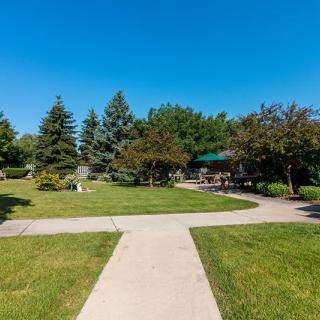
 Outdoor common areas
 Wheelchair accessible showers
 General Mitchell International (19 miles away)
 Ambulatory care
 Diabetic care
 High acuity care
 Incontinence care
 Meals provided


 Understanding the Distinctions: Assisted Living and Memory Care Explained
 How to Communicate with a Loved One Living with Dementia: 10 Supportive Strategies
 Comprehensive Guide to VA Nursing Homes: A Crucial Long-Term Care Resource for Veterans