
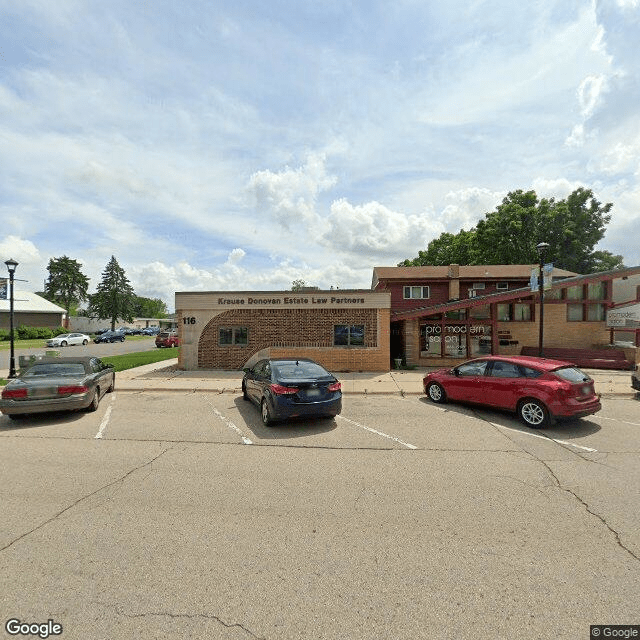
504 Bassett St, Deforest, WI 53532
To contact a resident: (608) 835-0040
For more information about senior living options: (866) 208-4318
Sienna Meadows Memory Care Costs & Pricing
Sienna Meadows Memory Care offers a 1-bedroom suite at a monthly cost of $4,325. This price is slightly higher than the average rate in Dane County, which stands at $4,101, and significantly above the state average of $3,412 for similar facilities across Wisconsin. While Sienna Meadows may be priced on the higher end compared to both county and statewide averages, this investment reflects their commitment to providing specialized care tailored for individuals with memory-related conditions. Their focus on ensuring a supportive and enriching environment is pivotal for families seeking quality assistance for their loved ones.
| Floor plans | Sienna Meadows Memory Care | Dane County | Wisconsin |
|---|---|---|---|
| 1 Bedroom | $4,325 | $4,101 | $3,412 |
Memory care communities with a similar price nearby
-
from -$325 / mo
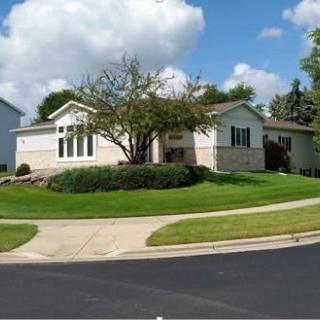
Timberwood Lodge Assisted Living and Memory Care
$4,000 to $4,500 / month8.7 miles away -
from -$825 / mo
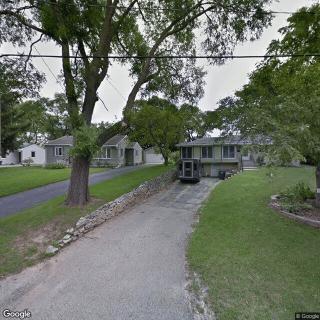
Reynolds Assisted Living Home LLC
$3,500 to $3,750 / month9.6 miles away -
from -$425 / mo

Kettle Park Senior Living
$3,900 to $4,820 / month8.5 miles away -
from -$525 / mo
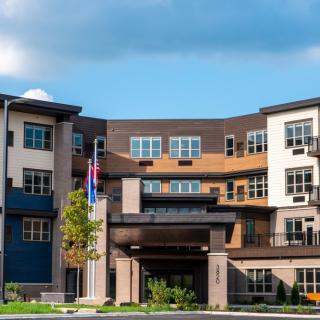
Cardinal View Senior Living
$3,800 to $5,000 / month14.9 miles away -
from +$575 / mo
BeeHive Homes of Oregon 2
$4,900 / month0.5 miles away
Overall Review of Sienna Meadows Memory Care
Pros
 The management and staff truly care about residents and are attentive to their well-being.
- Communication is open via phone calls, emails, and in-person updates.
- They work well with families and hospice on move-in day, and staff introduce themselves to visitors.
- The staff are very caring and ensure residents are comfortable, spending extra time with them when family could not.
- The facility is highly recommended for anyone seeking a caring memory care environment.
- The setting has a nice home-like feel.
- The workers are caring and attentive.
Review
Sienna Meadows Memory Care in Deforest, Wisconsin, is best suited for families seeking a small, home-like memory-care environment where residents with dementia receive highly attentive, compassionate care and where staff maintain open, proactive communication with families. The available feedback emphasizes management that genuinely cares and a team that is consistently attentive to residents’ well-being. For families facing a dementia diagnosis, the setting appears intimate enough to support personalized routines, while still delivering clear timelines for updates and transitions. This combination is especially valuable for those who want peace of mind that caregivers will know a loved one’s preferences and respond promptly to changes in condition or mood.
Those weighing options should consider alternatives for loved ones who require more intensive medical oversight or a broader menu of therapies and activities than what a smaller, memory-focused site typically provides. If a resident demands round-the-clock clinical nursing on site, a larger campus with expansive programming, or a more highly structured, facility-style atmosphere, a different arrangement may be a better fit. Families prioritizing a very active social calendar or a broader continuum of care across multiple levels of care should assess whether the community’s size and scope can meet sustained needs over time.
The strongest positives in the available impressions center on the care team. Management and staff are described as genuinely caring and highly attentive to residents’ well-being, with communication that travels across channels, phone, email, and in-person conversations. The staff’s willingness to introduce themselves on move-in day and to collaborate with hospice demonstrates a proactive, resident-centered approach. When a resident is navigating the progression of dementia, these elements matter deeply: they reduce uncertainty for families, help establish trust early, and create a supportive daily experience for the person living with memory loss.
These advantages offset potential drawbacks in several meaningful ways, though the data remain limited to two positive accounts. The home-like setting complements the hands-on care, making daily routines feel less clinical and more comforting for residents who may resist transition. Open, multi-channel communication directly addresses common family concerns about status and safety, ensuring that families feel informed even when they cannot be present. While no long-term outcomes are documented here, the combination of compassionate interaction, collaborative planning with hospice, and transparent updates provides a practical antidote to the anxiety that frequently accompanies placement decisions.
For families moving forward, several practical steps can sharpen the decision. Inquire about staff-to-resident ratios during day and night shifts, confirm the availability of licensed nursing coverage around the clock, and review how care plans are crafted, updated, and shared with families. Ask to observe a typical day for residents, including mealtime routines, activity options, and opportunities for family involvement. Request examples of how transitions are handled when a resident’s needs evolve, and explore how hospice or palliative care services are integrated into ongoing care. Finally, gauge the setting through a personal visit, watch how staff interact with residents, how residents respond to staff, and whether the home-like atmosphere aligns with the loved one’s preferences.
In sum, Sienna Meadows Memory Care stands out for its warmth, attentiveness, and transparent communication in a home-like environment. It is especially well-suited for families prioritizing individualized attention and steady, compassionate care in the memory-care space. Those needing deeper medical infrastructure, a broader activity program, or a larger campus should consider alternatives that offer more extensive clinical resources. With careful observation and purposeful questions during a tour, families can determine whether this intimate setting will reliably support their loved one’s comfort, dignity, and daily quality of life.
 Memory Care
 Dane County Regional (15 miles away)


 Choosing the Right Senior Care: A Detailed Exploration of Assisted Living and Nursing Homes
 Safeguarding Your Memory Through the Golden Years: Eight Ways to Preserve Cognitive Health
 Comprehensive Insights into Activities of Daily Living (ADLs) and Their Assessment