
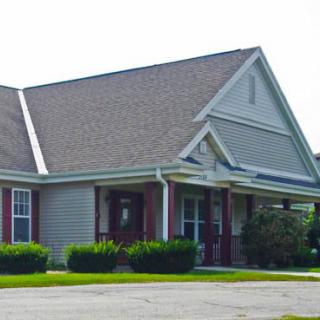
109 Prairie Grass Rd, Oregon, WI 53575
To contact a resident: (608) 807-0776
For more information about senior living options: (866) 208-4318
Overall Review of Signal Health Group of Wisconsin
Pros
 The staff promptly addressed the situation by finding a better fit.
- A staff member who was sent out walked with the loved one and did exercises.
- The manager worked hard to ensure the loved one had someone who worked well with him.
- The manager attended the loved one's funeral and gave books, demonstrating care and support.
Cons
 One of the staff did not work out so well.
Review
Signal Health Group of Wisconsin in Oregon is best suited for families seeking highly personalized, hands-on caregiving where staff selection and compatibility are treated as a central operating principle. The community appears to prioritize relationship-based care, with a clear willingness to adjust quickly when a caregiver does not fit well with the resident. The manager’s visible involvement, contacting families, ensuring a better staff match, and even participating in meaningful moments, signals a small-to-mid sized operation that aims to know each resident well and to keep care tightly aligned with individual needs.
Those who may want to consider alternatives are families seeking broad medical depth and formalized, large-scale programming. If the priority is access to a wide network of specialists, a full-time on-site geriatric medical team, or comprehensive memory-care pathways integrated into a larger campus, a larger community with more standardized processes across shifts could be a better fit. Likewise, if predictable, highly regimented schedules, extensive amenities, or a long track record of consistently consistent staffing are paramount, exploring other options would be prudent.
The strongest positives here, staff responsiveness, caregiver matching, and personal engagement by leadership, effectively offset the potential risks of a flexible care model. The ability to reassign staff quickly when a fit isn’t right means residents can avoid prolonged mismatches that erode trust or engagement. In addition, caregivers who actively participate in exercises and daily activities, and a manager who shows up in important moments, create a sense of continuity and reassurance for families. Those elements translate into tangible benefits: enhanced safety, better activity participation, and a resident who feels understood and valued.
That same set of strengths should be viewed through a practical lens. The willingness to intervene and reallocate staff is commendable, yet it also points to a potential variability in who is present on any given day. For a family evaluating long-term placement, this means asking direct questions about staffing stability, shift coverage, and how caregiver assignments are documented and communicated. The depth of medical oversight remains unclear from a single positive recollection, so families should clarify the scope of on-site nursing, therapy services, and how medical emergencies are managed relative to resident needs.
Another prudent step is to probe the everyday experience: what a typical day looks like, how meals are arranged, and what avenues exist for family input. With only one positive review on record, the community’s true consistency will show through extended interactions and corroborating references. Prospective residents should request opportunities to meet potential caregivers, observe a routine, and discuss care planning in detail. The goal is to understand whether the personal touch is a genuine, systemwide feature or primarily the result of standout staff and leadership moments.
In the end, this community delivers a compelling case for families who prize a responsive, relationship-centered approach and a leadership culture that actively ensures fit and connection. If that framework aligns with the resident’s needs and family’s expectations, Signal Health Group of Wisconsin can offer a rare cadence of personalized care and meaningful staff-resident bonds. For those requiring more extensive medical infrastructure, predictable staffing across all shifts, or expansive programmatic depth, alternatives with larger scale and broader medical capabilities should be part of the evaluation. Begin with a candid conversation about caregiver matching, then verify with multiple references and a tangible trial period to confirm that the day-to-day reality matches the hopeful strengths highlighted by the standout aspects of care.
 Dane County Regional (15 miles away)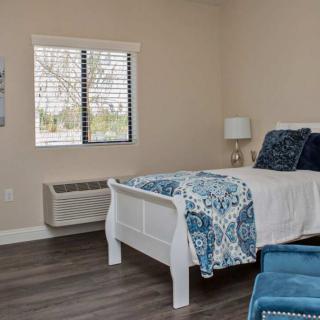


 Skilled Nursing Facilities vs. Nursing Homes: Making Sense of the Differences
 A Detailed Examination of Nursing Home Costs Across the U.S.
 Exploring Nonmedical Home Care: Understanding Services, Costs, and Financial Approaches