




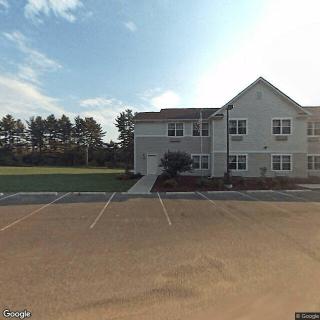
201 Wood Street, Sistersville, WV 26175
For more information about senior living options: (866) 208-4318
Overall Review of Sistersville Center
Pros
 The staff at Genesis have been amazing during orientation.
- Paula and Phil have been helpful and kind.
- They are looking forward to their next chapter at Genesis.
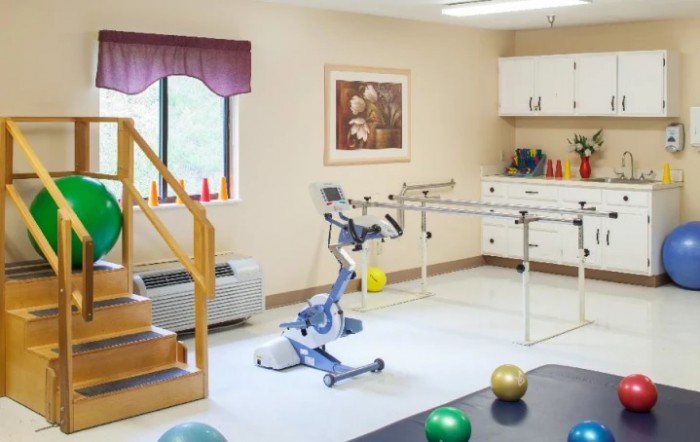
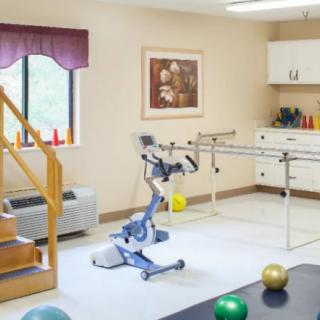
- The Genesis staff has taken excellent care of residents, and the physical therapy department is top notch.
- The staff at Sistersville Genesis are excellent with residents and take time to fix hair and dress them nicely.
- They are considered the best care facility; they provide excellent care and keep families informed.
- The staff were pleasant and helpful, and the aunt seemed happy.
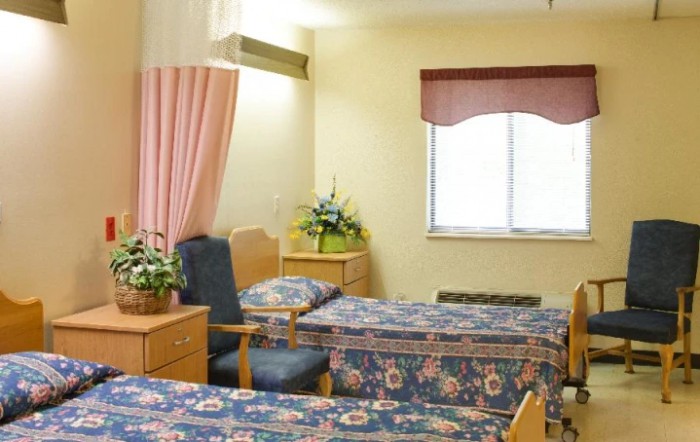
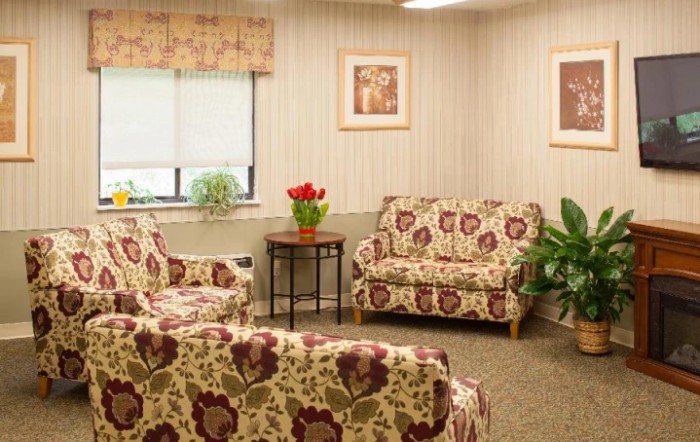
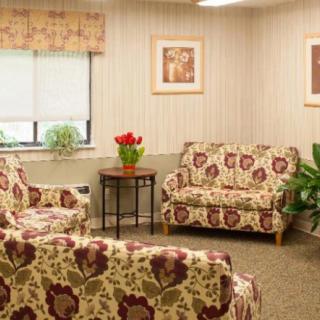
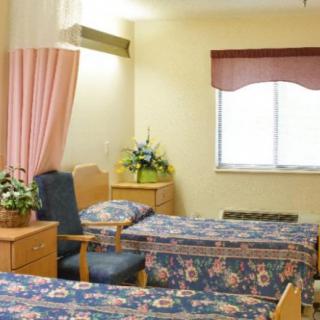
- The center has amazing staff, and the building is beautiful and clean.
- Staff from all departments are compassionate toward residents and their families.
Cons
 The reviewer asserts that weekend coordination failed and that no one answered the phone, calling it totally unacceptable and ridiculous.
- The reviewer claims the discharge timing and insurance/care decisions were inconsistent, causing significant inconvenience and requiring time off work.
- The reviewer alleges the patient was left in bed without proper wound care for days, with dried blood on the wraps and a strong odor.
- The reviewer suggests the discharge was deliberate to avoid dealing with the patient, implying intentional neglect.
- The reviewer states that the nursing home demonstrates incompetence.
Review
Sistersville Center in Sistersville, WV is best suited for families seeking a warm, people-centered rehab and long-term care environment where staff genuinely connect with residents. The community earns high marks for compassionate, engaged caregivers and a rehabilitation program that can deliver meaningful progress. It is especially well-matched for seniors who want daily personal attention, reliable updates to family members, and a stable, friendly atmosphere created by long-tenured staff across departments. The setting also benefits residents who value a clean, pleasant building and a culture that treats residents with dignity and respect, often going beyond the basics to make daily life feel manageable and comforting.
Those considering alternatives should weigh the realities of discharge coordination and administrative responsiveness. For families needing consistently flawless hospital-to-facility transitions, or for loved ones with higher medical acuity or complex wound care, other facilities with more robust integrated discharge teams may reduce uncertainty. Additionally, families far from home or who rely on timely social-work outreach to arrange transportation and home equipment should scrutinize response times and the clarity of discharge plans before committing. The center’s strengths do not erase the potential need for more streamlined, predictable administrative processes.
On balance, the central strengths, exceptional staff, strong physical therapy, and transparent family communication, often offset the less predictable administrative hiccups. Reviewers repeatedly highlight the premier care delivered by the team, including hands-on rehab progress and daily personal touches that reinforce a sense of well-being and security for residents. The culture of compassion across dietary, nursing, and therapy staff is not cosmetic; it translates into tangible comfort, frequent check-ins, and a willingness to accommodate individual routines. When family members want evidence of genuine commitment to a loved one’s comfort and progress, these are precisely the attributes that stand out.
Nevertheless, the most serious criticisms illuminate real gaps that cannot be ignored. Instances of delayed or unclear discharge decisions, incomplete follow-through with insurance communications, and transport missteps can create stressful, avoidable disruptions for families and residents alike. Reports of delayed dressings for wounds, a sense of abandonment during transitions, and insufficient responsiveness from social-work contacts point to weaknesses in discharge coordination and day-to-day operational follow-through. These concerns are not universal, but they are persistent enough to require proactive verification before placement, especially for families navigating the end-to-day logistics of care after a hospital stay.
Prospective buyers should use the intake and tour as a diagnostic moment. Ask to meet the social worker who would oversee a loved one’s discharge planning, and request a written, step-by-step timeline for a typical rehab-to-home transition. Inquire about PT scheduling, goals for ongoing therapy, and how progress is communicated to families. Request examples of daily communication updates, and ask how staff handle urgent concerns after hours. Observe patient rooms and common areas for cleanliness and warmth, and specifically note how staff interact with residents during routine tasks, these moments often reveal the true culture of care.
In the end, Sistersville Center offers a principled choice for families prioritizing caregiver warmth, measurable rehabilitation progress, and a homey, respectful environment. The community’s best-fit match is a senior who values consistent, compassionate staffing, clear family updates, and a rehab program that genuinely pushes for progress while preserving dignity. Those who must rely on highly predictable discharge coordination, or who require specialized medical oversight and meticulous transition logistics, should compare alternatives and bring concrete questions to the table. A well-planned visit can confirm whether the balance of heartfelt care and clinical capability aligns with the loved one’s specific needs and the family’s expectations.
 21 resident community capacity
 Memory Care
 Skilled Nursing Facility
 Beauty salon
 Cable or satellite TV
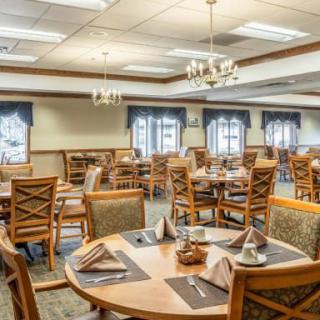
 Dining room
 Fully furnished
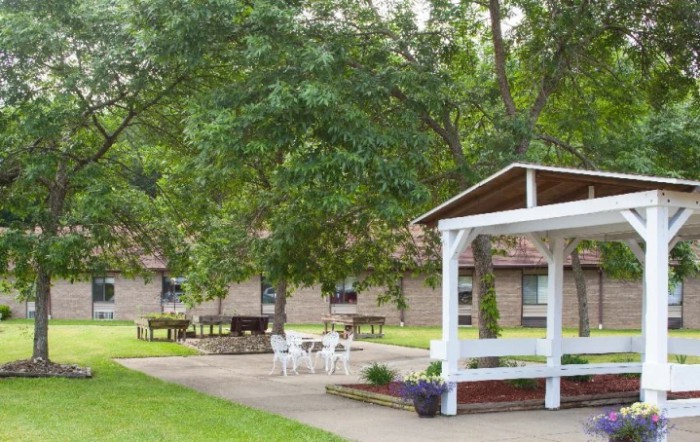
 Garden
 Housekeeping services
 Kitchenette
 Move-in coordination
 Outdoor space
 Telephone
 Wi-Fi/high-speed internet available
 24-hour call system
 Activities of daily living assistance
 Assistance with bathing
 Assistance with dressing
 Assistance with transfers
 Diabetes diet
 Meal preparation and service
 Medication management
 Mental wellness program
 Special dietary restrictions
 Transportation arrangement (medical)
 Transportation to doctors appointments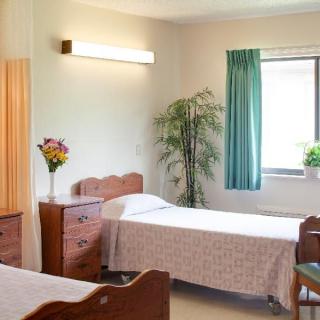






 Comprehending Evening Confusion in Dementia: Causes, Manifestations, and Support
 Delirium and Dementia: Unraveling the Key Differences
 Are Dementia and Alzheimer's Disease Lethal? A Comprehensive Exploration