
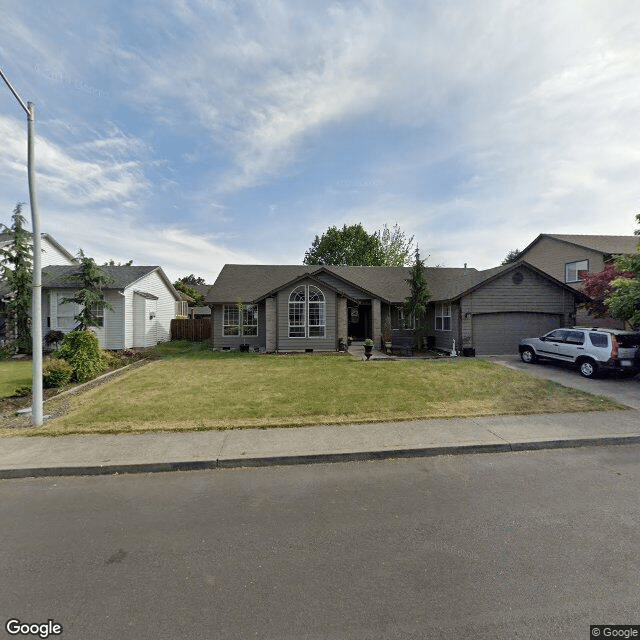
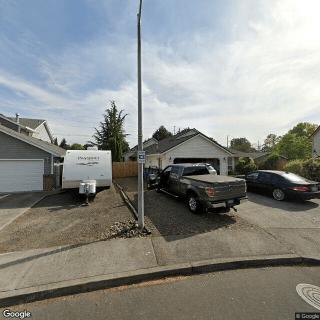
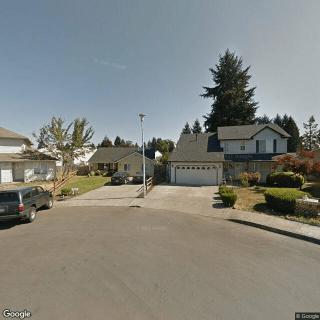
10503 NE 21st St, Vancouver, WA 98664
To contact a resident: (360) 896-3930
For more information about senior living options: (866) 208-4318
Home Is Where the Heart Is Costs & Pricing
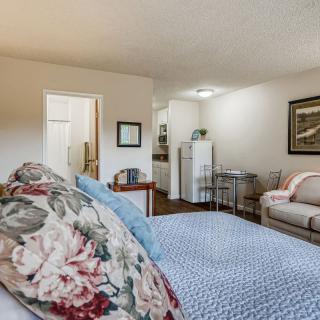
At Home Is Where the Heart Is, we offer competitive pricing for our accommodations, with private rooms and studios available at $2,200 per month. This rate stands in stark contrast to the average costs in Clark County, where similar options typically run around $3,992 for a private room and $3,882 for a studio. Even more striking is the comparison with Washington state overall, where these costs escalate to approximately $4,772 and $4,126 respectively. Our pricing not only reflects a commitment to affordability but also underscores our dedication to providing quality housing solutions that prioritize comfort and community without compromising on value.
| Floor plans | Home Is Where the Heart Is | Clark County | Washington |
|---|---|---|---|
| Private | $2,200 | $3,992 | $4,774 |
| Studio | $2,200 | $3,882 | $4,128 |
Memory care communities with a similar price nearby
-
from +$300 / mo
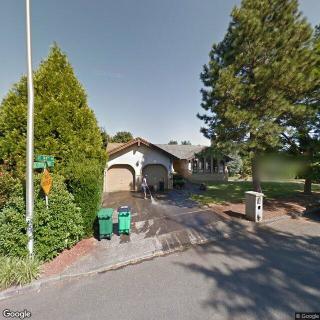
A Gentle Care Home
$2,500 / month12.2 miles away -
from +$400 / mo
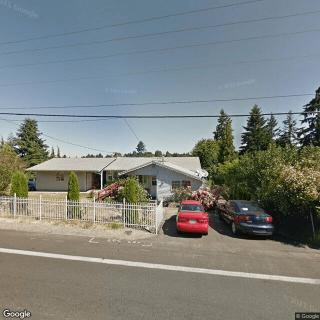
Golden Lane Adult Care Home
$2,600 / month3.0 miles away -
from +$395 / mo
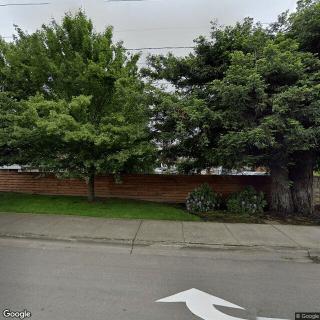
Highgate Senior Living
$2,595 to $3,095 / month6.3 miles away -
from -$165 / mo
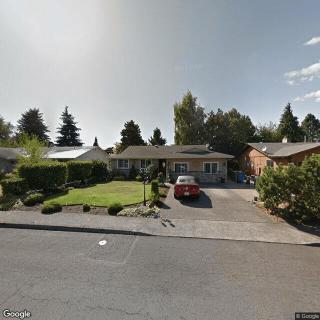
Young at Heart AFH
$2,035 to $3,995 / month4.1 miles away -
from +$300 / mo
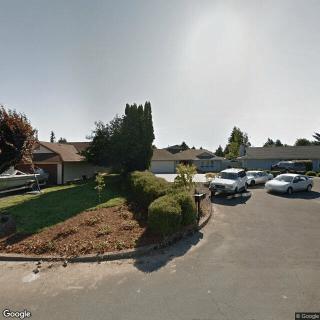
Golden Age Living
$2,500 / month7.0 miles away
Overall Review of Home Is Where the Heart Is
Pros
 Young at Heart provides a safe, clean, and loving home for residents.
 - The caregivers treat residents like family and make them feel cared for.
- They handle medications from start to finish with professionalism.
- They prepare inviting, home-cooked meals and accommodate dietary needs.
- They prioritize comfort while preserving as much independence as possible.
- They coordinate smoothly with visiting medical staff and hospice teams.
- The home has a warm, family-like atmosphere filled with care and compassion.
- Families would highly recommend Young at Heart for their loved ones.
Cons
 The reviewers felt the facility misrepresented itself as specializing in Alzheimer's care.
- The experience was not wonderful, with the family asked to pick up their relative after 23 hours.
- The RN was unable to get the resident to take her medication, and there were no clear strategies for administering it.
- They concluded the home could not take care of the elder relative and might not be the right place for someone who couldn’t stay.
- They suggested Young at Heart might be best for seniors requiring hospice care or those who do not need much attention.
- They stated the facility advertised Alzheimer’s and nursing care but did not deliver the expected level of care.
Review
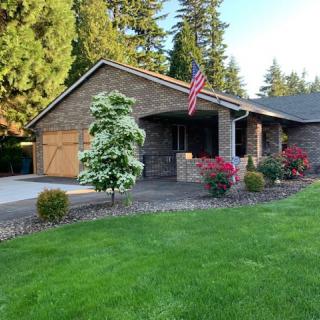
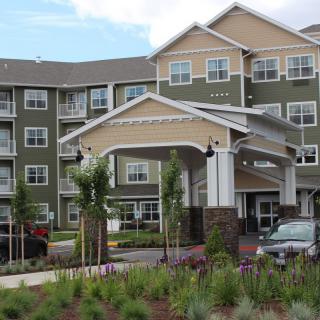
Home Is Where the Heart Is, operating as Young at Heart, is best suited for families seeking a truly intimate, home-like setting in Vancouver, Washington. This community shines for seniors who value warmth, consistent personal attention, and a caregiver team that treats residents like family. It is especially compelling for those with memory concerns or end-of-life needs who can thrive in a small, visible home environment where meals are homestyle, daily routines are predictable, and staff engagement is high. The combination of a hands-on RN presence, meticulous med management, and strong communication with families creates a sense of safety and dignity that many families prize when the goal is comfort and continuity over clinical showroom appeal.
Those who may want to consider alternatives include families with higher-acuity memory care requirements or those needing robust, 24/7 medical supervision in a more clinical setting. A few reviews raise questions about how this home handles complex Alzheimer’s behaviors or higher-level nursing tasks, suggesting that it may not be the best fit for residents who require aggressive medication strategies, elopement prevention, or rapid escalation to hospital-level care. For seniors whose care needs are trending toward intensive therapy, high-risk behavioral management, or the need for a formal dementia program with a larger staff-to-resident ratio, a larger memory-care facility or skilled-nursing setting could offer more comprehensive capabilities.
The strongest pros center on the lived-in, family-centered atmosphere. Families repeatedly describe a home that feels “like a place,” not an institution, with caregivers who know residents’ preferences, listen attentively, and respond with genuine warmth. Meal service is highlighted as a standout, home-cooked options and attention to dietary restrictions matter to families who want both nutrition and comfort. Medication management and coordination with visiting medical professionals or hospice teams are presented as seamless, allowing families to feel confident that medical needs are being monitored without a constant hospital-like environment. Cleanliness, safety, and the sense of belonging within a small community are consistently cited as major positives.
Where the reviews diverge, and thus where caution is warranted, concerns do surface about whether this home can meet every dementia scenario. A notably negative experience questioned the facility’s specialization in Alzheimer’s care and described challenges with medication administration and behavior management. That account underscores a reality: in a small, intimate AFH, the degree of clinical structure and the breadth of memory-care programming may not match what is found in larger, purpose-built dementia settings. Prospective families should verify current capabilities for your relative’s exact needs, particularly if wandering risk, aggressive pharmacologic management, or rapid shifts in cognition are expected.
In weighing the positives against the cautions, the offset is clear for families prioritizing a humane, family-style living arrangement. The pros, emotional support, personalized care plans, consistent caregiver presence, and transparent, ongoing family communication, often outweigh the limitations of a smaller operation. For loved ones who flourish in a steady routine, with caregivers who know their preferences and share a genuine concern for comfort, the home environment can deliver more meaningful quality of life than a larger, more clinical setting. The ability to stay with a small group and maintain a sense of belonging is not trivial; it translates into fewer disorienting transitions and more predictable days.
For families evaluating options, practical steps matter. Schedule a thorough visit with Ema and Reg, ask to meet direct care staff, and request a current, detailed plan of care that covers memory-related needs, medication handling, and emergency escalation procedures. Confirm staff-to-resident ratios, the facility’s approach to elopement risk, and how they partner with outside medical teams for changing conditions. Cost clarity is essential, as is a realistic timeline for admission if demand is high. If the priority is a warm, homey environment with strong family engagement and reliable day-to-day care, Home Is Where the Heart Is stands out as one of the strongest small-home choices in Vancouver. If the plan centers on intensive clinical dementia programming or high-acuity medical supervision, exploring larger memory-care facilities or skilled-nursing communities may be prudent.
 Board and Care Home
 Memory Care
 Private
 Portland International (4 miles away)
 Diabetic care

 Comprehending Evening Confusion in Dementia: Causes, Manifestations, and Support
 Delirium and Dementia: Unraveling the Key Differences
 Are Dementia and Alzheimer's Disease Lethal? A Comprehensive Exploration