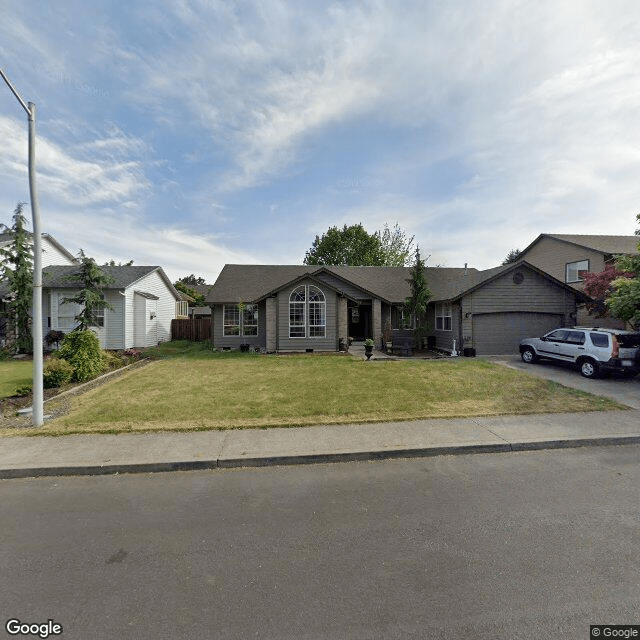
Arms Wide Open

Save
Arms Wide Open

Arms Wide Open

10503 NE 21st Street, Vancouver, WA 98664

For more information about senior living options: (844) 490-3973

3.4 from 10 reviews
5 stars
6
4 stars
0
3 stars
0
2 stars
0
1 stars
4

Board and Care Home Memory Care

Arms Wide Open Costs & Pricing

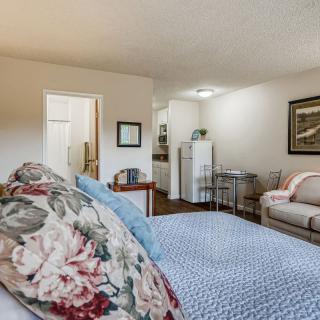
At Arms Wide Open, the monthly costs for various room types reflect a commitment to providing quality care, while also aligning closely with the broader market in Clark County and Washington. For semi-private rooms, Arms Wide Open is priced at $4,000, which positions it slightly above the county average of $3,897 but below the state average of $4,267. Similarly, private rooms are offered at $5,000 - again higher than Clark County's average of $3,992 but competitive compared to Washington's statewide figure of $4,772. Studio rooms also maintain this trend with a price of $5,000, surpassing the county's average of $3,882 while remaining lower than the state's typical rate of $4,126. This pricing strategy suggests that Arms Wide Open provides exceptional value and personalized support tailored to residents' needs within its premium offerings.

Floor plansArms Wide OpenClark CountyWashington
Semi-Private$4,000$3,897$4,272
Studio$5,000$3,882$4,128
Private$5,000$3,992$4,774

What level of care are you interested in?

Assisted Living

Memory Care

Independent Living

Skilled Nursing Facility

Continuing Care Retirement Community (CCRC)CCRC

Other


Request a tour at Arms Wide Open

    Overall Review of Arms Wide Open

    Pros

    • pro Arms Wide Adoption Services is praised for making families feel welcome from the start and for finding solutions when others couldn't help with unique situations.
    • pro It is described as patient, compassionate, and understanding throughout the adoption journey.
    • pro The agency is noted for being very supportive and easy to work with.
    • pro It is said to maintain high standards and for compliance to be highly regarded.
    • pro The AWAS Christmas party is described as noteworthy and fulfilling.
    • pro The agency takes on challenging child placement assignments and does remarkable work placing kids into loving homes.
    • pro Donors and advisory supporters describe Arms Wide Adoption Services as a great agency to work with.

    Cons

    • pro The reviewers claim Arms Wide Adoption Services has abysmal customer service and is unprofessional.
    • pro They say communications are consistently poor, with emails and calls often unanswered and responses delayed and unhelpful.
    • pro They describe scheduling as unreliable, with last-minute cancellations or rescheduling without adequate notice.
    • pro They state the agency fails to provide mandated post-adoption services, including counseling, support groups, crisis intervention, and ongoing education.
    • pro They report counseling as inadequate, with long wait times and high counselor turnover disrupting continuity of care.
    • pro They note support groups as infrequent, poorly organized, often canceled, and sparsely attended.
    • pro They claim crisis intervention is deficient, citing an unresponsive hotline and unreturned crisis messages.
    • pro They describe persistent staffing changes and server issues causing lost records and general disorganization.
    • pro They allege they were ghosted and told there were many other agencies, implying the agency prioritizes reputation or winning cases over helping families.

    Review

    Arms Wide Adoption Services (AWAS) occupies a spectrum of opinions among the families and supporters who interact with them. On one hand, there are years of praise from people who credit AWAS with bringing their families together, offering a welcoming environment, and presenting solutions that other agencies could not find. These voices describe a journey to adoption that was not always smooth, but one where AWAS remained patient, compassionate, and understanding through each bump in the road. For these families, AWAS did more than place a child; they helped build a sense of belonging and completion, turning a long-held dream into a tangible family reality. The gratitude in these testimonials is palpable, and the sentiment is that AWAS's support laid the groundwork for a thriving family life after adoption.

    Alongside these affirmations, there are accounts of AWAS's positive impact in specific moments that resonate with many prospective and current adoptive families. One reviewer recalls a Christmas party hosted at a local church that stood out as "note worthy and fulfilling," a hint of the organization's ability to cultivate community beyond formal services. Other supporters describe AWAS as a steadfast partner with "very high standards" and a compliance culture that inspires confidence. A donor-advisor who has worked with AWAS for over two decades paints a picture of an agency that confronts some of the most challenging child placements, emphasizing the nurses, social workers, and mentors who make such placements possible and, in their view, meaningful and transformative work. In these voices, AWAS is seen not merely as a service provider but as a durable, mission-driven institution that attracts long-term supporters who believe in its core goals.

    Yet the narrative around AWAS is not uniformly positive. A notably critical assessment emphasizes profound shortcomings in customer service and organizational reliability. The reviewer portrays AWAS as "abysmal" in its responsiveness, with communications routinely going unanswered and responses arriving late or unhelpful. The critique extends to kinship placements and more complex inquiries, where staff are described as disorganized and ill-equipped to manage even routine questions. Scheduling becomes a stress point, with repeated last-minute cancellations and rescheduling that disrupt families' routines and erode trust. In this account, a pattern of neglect appears to undermine the very stability that adoptive families rely on, casting a long shadow over AWAS's ability to deliver consistent, dependable support.

    The most troubling allegations in this critique concern post-adoption services, which the reviewer insists are mandated by the state and essential for the well-being of adopted children and their families. According to the review, AWAS falls short across multiple facets of post-adoption care: counseling services are hard to obtain due to long wait times and a lack of qualified personnel, with frequent counselor turnover washing away continuity of care. Support groups are described as infrequent and poorly organized, with meetings canceled without notice and limited attendance signaling disengagement. Crisis intervention - the safety net families turn to in urgent moments - is singled out as severely deficient, including a hotline that goes unanswered and messages that are not returned during crises. The reviewer ties these gaps to systemic issues within AWAS, including persistent staffing changes and server problems that lead to lost records, missed appointments, and a broader sense of disorganization.

    The consequences of these operational failures, as depicted, extend beyond inconvenience. Families report disrupted progress for children who depend on stable therapeutic relationships, consistent counseling, and timely crisis response. The repeated turnover of caseworkers, each with incomplete knowledge of a family's history, is described as undermining trust and continuity of care. The reviewer's lament is that these persistent shortcomings erode the very foundations of post-adoption support, leaving families feeling unsupported and overwhelmed at a time when they most need steadiness and professional guidance. The overall tone is one of deep disappointment and a call for accountability and substantial improvement to ensure the safety and well-being of adoptive families.

    Within the mix of praise and critique lies another strand of experience: individual stories of frustration with not being able to connect with AWAS, sometimes described as ghosting or being dismissed in a way that leaves families feeling abandoned. One account details a confrontation where engagement only occurred after an in-person visit, followed by a claim that there were many other agencies available in Houston. The language used - frustration with being neglected, the sense of being ignored until it became unavoidable to respond - paints a stark contrast to the more celebratory testimonials and underscores the risk that some families perceive AWAS as prioritizing reputation or other considerations over real collaboration with those they are meant to serve. That voice concludes with a clear warning to prospective clients to consider other options, highlighting the potential for a negative experience if AWAS does not align with a family's needs and expectations.

    Against this backdrop of mixed experiences, a few voices circle back to the positive, almost reaffirming the potential AWAS has when it operates effectively. Some reviewers emphasize the agency's commitment to challenging placements and their long-standing involvement with the community. They celebrate the idea that AWAS can be a trusted ally for families who are navigating complex situations and who require a partner with depth of experience and a willingness to tackle difficult cases. The recurring theme across these affirmations is the belief that AWAS possesses the capacity to do meaningful, lifesaving work - that with improved communication, staffing stability, and a robust infrastructure, the organization can live up to the high standards some supporters already associate with it.

    In the end, AWAS emerges as a landscape of compelling stories - of families whose adoptions were possible thanks to patient and compassionate support, and of families whose experiences were marred by miscommunication, administrative lapses, and gaps in mandated post-adoption services. The breadth of testimony suggests a real tension between the organization's aspirational mission and the practical realities of how its services are delivered on the ground. For some, AWAS remains a beacon of hope and a partner in building family. For others, it represents a painful lesson in what can go wrong when responsiveness, continuity of care, and reliable structure are not consistently present. What remains clear is that AWAS holds an important place in the adoption community: a source of transformative potential for some and a battleground of unmet expectations for others.

    Features

    Types of Care

    • Board and Care Home Board and Care HomeBoard and care homes provide a smaller, more intimate setting for seniors who require assistance with daily tasks but do not need the level of care offered by a nursing home. They offer personalized care, meals, and social activities in a homelike environment, ensuring that seniors receive individualized attention and support in their golden years.
    • Memory Care Memory CareMemory care is crucial for seniors as it provides specialized support and services for individuals with dementia or Alzheimer's disease. These programs offer a safe and secure environment where residents receive personalized care, cognitive stimulation, and help with daily activities. Memory care helps seniors maintain their independence, quality of life, and dignity while also providing peace of mind for their families.

    Amenities

    • Private PrivatePrivacy is important for seniors as it allows them to maintain their independence, dignity, and sense of control over their own lives. It also gives them the space and freedom to relax, reflect, and engage in activities that bring them joy and fulfillment. Creating private spaces within senior living facilities is crucial for promoting overall well-being and quality of life.

    Transportation

    • Portland International (4 miles away) Portland International (4 miles away)
    Description

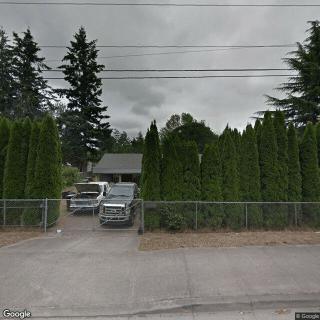
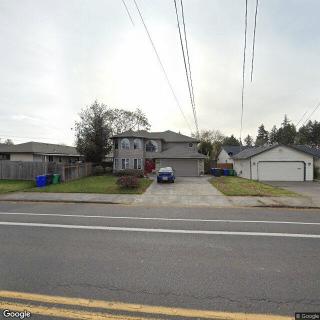
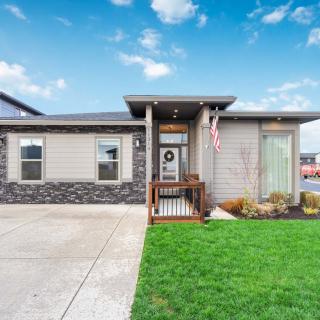
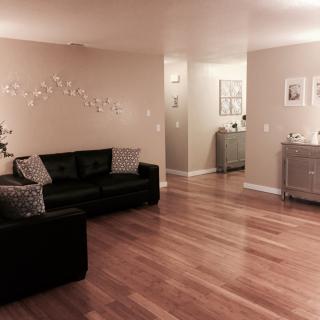
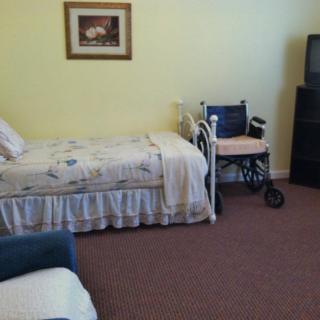
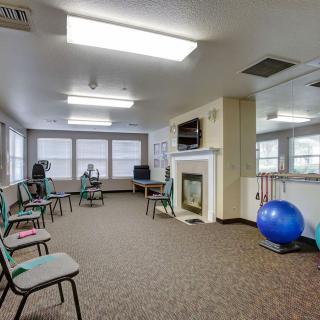
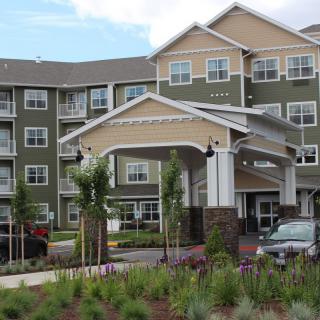
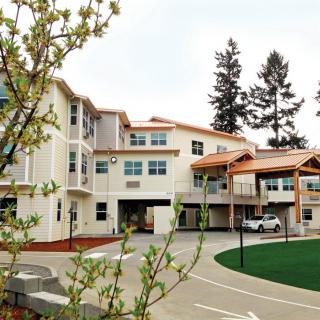
    Arms Wide Open in Vancouver, WA is an assisted living community that specializes in providing top-notch Memory Care services. Our dedicated and compassionate staff is committed to ensuring the safety, well-being, and comfort of our residents with memory impairments.

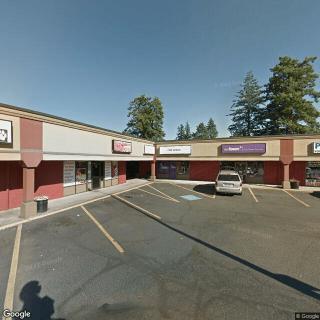
    Situated conveniently in Vancouver, our community enjoys easy access to various amenities that cater to the needs of our residents. For those who love a good cup of coffee or enjoy meeting friends for brunch, there are seven cafes located close by. Nature enthusiasts can take advantage of the five parks nearby, offering beautiful landscapes and tranquil environments perfect for leisurely walks or picnics.

    We understand that medication management is essential for seniors with memory concerns, which is why we have thirteen pharmacies located within close proximity to our community. Additionally, with three physicians nearby, our residents have easy access to medical professionals for regular check-ups or any healthcare needs that may arise.

    At Arms Wide Open, we believe in ensuring that our residents have plenty of dining options. With seven restaurants located nearby, our residents can indulge in various cuisines and dining experiences according to their preferences.

    Our commitment to providing comprehensive care extends beyond the walls of our community. We offer reliable transportation services within the area so that residents can easily access local attractions or attend appointments as necessary. Additionally, there is a place of worship nearby for those who seek spiritual nourishment.

    In case of emergencies or specialized medical care needs, our community benefits from having three hospitals located nearby. This ensures quick response times and provides peace of mind to both residents and their families.

    At Arms Wide Open in Vancouver, WA, we strive to create a warm and supportive environment where individuals with memory impairments can thrive. With easy access to various amenities and services that enhance their quality of life, our community truly offers a secure and enriching experience for all residents.

    Nearby Places of Interest

    This area of Vancouver, Washington offers a variety of amenities that would be beneficial for senior living. There are several cafes and restaurants within close proximity, providing convenient dining options. Additionally, there are multiple pharmacies nearby, making it easy to access necessary medications and healthcare supplies. The presence of hospitals and medical clinics, such as PeaceHealth Southwest Family Birth Center and The Vancouver Clinic, ensures that quality healthcare services are readily available. For recreation and relaxation, there are several parks in the area, including Douglas Carter Fisher Park and Heritage Park. Transportation options are also easily accessible, with Portland International Airport just a short distance away. Places of worship, like Summit View Church and St Rose Catholic Church, offer opportunities for spiritual fulfillment. Overall, this neighborhood provides a well-rounded environment for seniors seeking a comfortable and convenient living situation.

    Cafes

    • Dutch Bros Coffee (1.1 miles)
    • Black Rock Coffee Bar (1.3 miles)
    • Dutch Bros Coffee (1.6 miles)
    • Dutch Bros Coffee (1.6 miles)
    • Starbucks (3.8 miles)
    • Dutch Bros. Coffee (4 miles)
    • Panera Bread (4.7 miles)

    Pharmacies

    • Walgreens (1.2 miles)
    • Walgreens (1.8 miles)
    • Safeway Pharmacy (2 miles)
    • Walgreens (2 miles)
    • Walgreens (2.1 miles)
    • Walgreens (2.8 miles)
    • Fred Meyer Pharmacy (2.8 miles)

    Hospitals

    • PeaceHealth Southwest Family Birth Center (1.2 miles)
    • Firstenburg Tower (1.2 miles)
    • Vancouver VA Medical Center (4.5 miles)
    • HCR ManorCare (6.9 miles)
    • Salmon Legacy Creek Hospital (7 miles)

    Restaurants

    • Final Draft Taphouse (1.2 miles)
    • Taco Bell (1.3 miles)
    • McDonald's (1.8 miles)
    • McDonald's (3.6 miles)
    • Henry's Tavern - Portl (3.7 miles)
    • Hopworks Urban Brewery (3.8 miles)
    • Beaches Restaurant & Bar (4.5 miles)

    Physicians

    • The Vancouver Clinic (1.3 miles)
    • Sea Mar Community Health Centers (1.5 miles)
    • PeaceHealth Family Medicine (3.9 miles)
    • Vancouver Eye Care (5.1 miles)
    • Family medicine clinic (5.2 miles)
    • Sanjeev Jain (5.3 miles)
    • Ideal Option (5.3 miles)

    Parks

    • Douglas Carter Fisher Park (3.2 miles)
    • Heritage Park (4.2 miles)
    • Luke Jensen Sports Park (4.4 miles)
    • Clearmeadows Park (4.4 miles)
    • Fort Vancouver National Historic Site (4.4 miles)
    • Hockinson Meadows Community Park (5.3 miles)
    • Esther Short Park (5.4 miles)

    Transportation

    • Concourse D (3.5 miles)
    • Concourse E (3.5 miles)
    • Concourse C (3.6 miles)
    • TSA Checkpoint A/B/C - Portland International Airport (3.6 miles)
    • Portland International Airport (PDX) (3.6 miles)
    • Portland Airport Rental Car Center (3.6 miles)
    • Alaska Airlines Lounge - PDX (3.7 miles)

    Places of Worship

    • Summit View Church (4.9 miles)
    • St Rose Catholic Church (6.9 miles)

    Frequently Asked Questions

    How much does it cost to live at Arms Wide Open in Vancouver, WA?
    Where is Arms Wide Open?
    Does Arms Wide Open provide care for residents with dementia or Alzheimer's disease?

    Nearby Communities

    Related Resources

    • dementia behaviorsUnderstanding Dementia Behaviors: Practical Insights and Strategies for Caregivers

      Dementia affects memory and cognitive function in older adults, presenting challenges for caregivers due to behavioral changes such as confusion and mood swings. Compassionate, person-centered care that considers individual history and preferences, along with effective communication and environmental modifications, is essential for supporting both patients and their caregivers.

    • dementia and angerWhen Dementia Sparks Anger and Aggression: Understanding the Connection and Ways to Cope

      Dementia leads to cognitive impairment and can cause emotional and behavioral changes, including aggression that arises from frustration, confusion, or fear. Effective coping strategies for caregivers include understanding dementia's nature, recognizing triggers, using empathetic communication, and employing non-pharmacological interventions like music and art therapy.

    • dementia behaviorsDementia Behaviors: In-Depth Understanding and Effective Coping Strategies

      Dementia causes cognitive decline and challenging behaviors that caregivers must manage, necessitating an understanding of the neurological basis of these issues. Effective strategies and self-care for caregivers can enhance support for those with dementia and improve their daily lives.


    Get Pricing Ask A Question Schedule A Tour Contact Senior Advisor