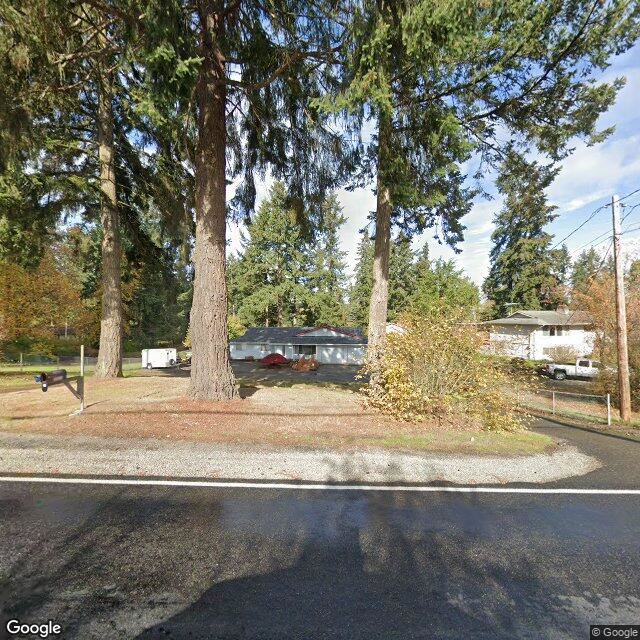
Assurecare Adult Home #2 in Tacoma, WA

Save
Assurecare Adult Home #2

Assurecare Adult Home #2 in Tacoma, WA

3105 192nd St E, Tacoma, WA 98446

For more information about senior living options: (844) 490-3973

4.3 from 3 reviews
5 stars
2
4 stars
0
3 stars
1
2 stars
0
1 stars
0

Board and Care Home Memory Care

Assurecare Adult Home #2 Costs & Pricing

At Assurecare Adult Home #2, the monthly costs for care reflect a range designed to accommodate various needs while remaining competitive within Pierce County and the broader Washington state context. For private rooms, fees range from $1,740 to $5,000, significantly lower than the county average of $4,623 and the state average of $4,772. This pricing structure offers flexibility for individuals seeking personalized care options. Meanwhile, semi-private accommodations are set at a flat rate of $4,500, which is slightly above Pierce County's average of $4,264 but closely aligns with the overall state average of $4,267. These rates highlight Assurecare Adult Home #2's commitment to providing accessible and quality living solutions for its residents while ensuring affordability compared to local benchmarks.

Floor plansAssurecare Adult Home #2Pierce CountyWashington
Private$1,740 to $5,000$4,623$4,774
Semi-Private$4,500$4,264$4,272

Overall Review of Assurecare Adult Home #2

Pros

  • pro Rona was very nice.
  • pro The home is large and accommodates one resident.
  • pro The facility is very impressive.
  • pro The facility seems to be a very loving place.
  • pro The mother-in-law would thrive in this setting.

Cons

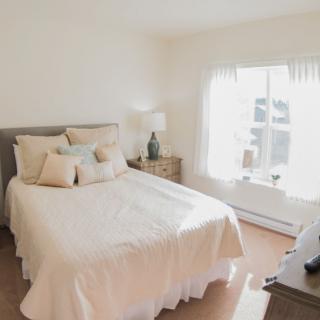
  • pro The rugs were quite stained throughout the rooms.
  • pro The yard wasn't very big.
  • pro It didn't seem like Rona was present at the home, since she worked elsewhere.
  • pro The reviewer didn't think it would be a good match for the mother's care needs.

Review

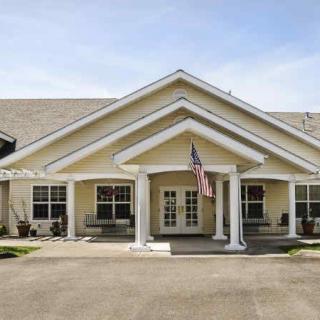
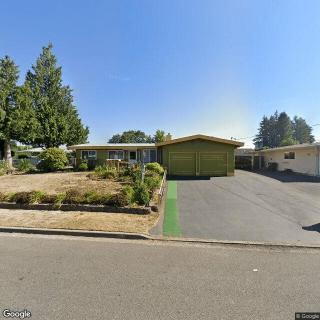
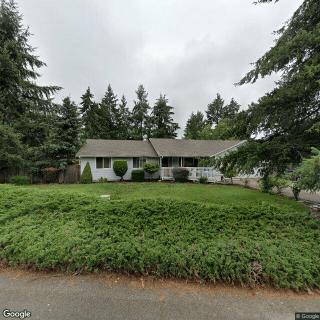
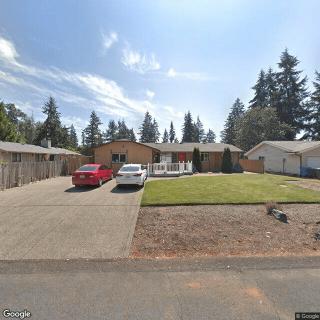
Assurecare Adult Home #2 in Tacoma is best suited for seniors who want a true home environment and can thrive with highly personalized attention backed by active family involvement rather than institutional-scale care. The setting centers on a small, house-style operation where care feels intimate and individualized, not rushed. In practice, this can translate to a calm, predictable routine and caregivers who scroll less bureaucracy and more direct, day-to-day interaction with the resident. For someone who prioritizes a warm, familial atmosphere over a bustling campus, this community offers a compelling fit.

That said, there are clear reasons to consider alternatives. For residents who require steady, around-the-clock professional nursing oversight or robust memory-care programming, a larger licensed facility with dedicated shift coverage will likely be more reassuring. Families unable to participate regularly in oversight or execution of daily routines may find the arrangement here challenging to sustain. A resident with strong dietary or medical needs beyond what a small, home-style kitchen can reasonably accommodate may also benefit from a setting with broader medical supports and more structured supervision. The occupancy pattern and the sense that staff presence can hinge on the family or a smaller team suggest alternatives for those seeking consistent, highly available professional coverage.

The strongest pros are the most tangible for a particular kind of resident. The environment is described as loving and welcoming, with a genuine sense that residents are cared for like family. The small footprint of the home allows staff to tailor activities, meals, and routines to individual preferences, a level of personalization that can yield meaningful comfort and reduce agitation for seniors who value consistency and familiarity. Meals are prepared in-house, and the tacit culture appears to lean toward warmth and personal attention, which can translate into better mood and cooperation for someone who thrives on daily affirmation and predictable caregiving. A reviewer even framed the setting as one where a resident (such as a parent-in-law) would likely thrive, underscoring the potential for strong compatibility with certain seniors.

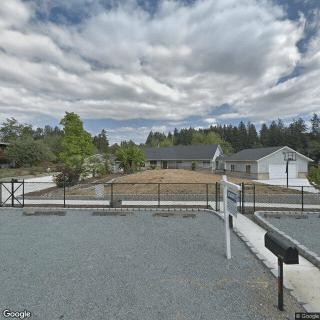
Yet the cons are not negligible. One review notes that the primary caregiver often isn't physically present on-site, with family members stepping in to help, which can raise questions about continuity, escalation, and emergency response. Cleanliness and maintenance concerns arise in passing, with rugs described as stained, signaling attention to upkeep as a potential red flag for some families. Outdoor space is limited, offering a modest yard and a larger back deck but not a generous external area for walks or activities. The meals, while home-cooked, may reflect cultural preferences that don't align with every resident's tastes or medical dietary needs, and the overall capacity for socialization and structured programming may be limited by the home's size and staffing model.

These pros can offset the drawbacks under the right conditions. For families who can commit to regular hands-on involvement and who prioritize a home-like feel over institutional polish, the intimate setting can deliver exceptionally attentive, compassionate care that feels tailor-made. The key is alignment: the resident must be comfortable with a caregiver team that relies on family participation to fill staffing gaps, and the family must be prepared to partner actively in daily routines, safety checks, and meal planning. When that partnership exists, the warmth and perceived safety of a small, loving home can compensate for the absence of a large-scale activity calendar or on-call professional coverage.

Practical next steps for families weighing this option include: scheduling thorough on-site visits with questions about staffing patterns, caregiver availability, and how emergencies are managed; asking to meet the core caregiving team and any family members who live in or regularly assist at the home; inspecting cleanliness and safety features, including rugs, floors, and entry/exit protections; clarifying dietary options, menu planning, and how medical needs (medications, monitoring, and special diets) are handled within a home setting; and discussing a trial stay or short-term respite to observe daily routines, responsiveness, and the resident's comfort level over a practical period. This approach helps ensure the choice aligns with medical needs, social expectations, and the practical realities of a small, family-involved caregiving model.

Features

Types of Care

  • Board and Care Home Board and Care HomeBoard and care homes provide a smaller, more intimate setting for seniors who require assistance with daily tasks but do not need the level of care offered by a nursing home. They offer personalized care, meals, and social activities in a homelike environment, ensuring that seniors receive individualized attention and support in their golden years.
  • Memory Care Memory CareMemory care is crucial for seniors as it provides specialized support and services for individuals with dementia or Alzheimer's disease. These programs offer a safe and secure environment where residents receive personalized care, cognitive stimulation, and help with daily activities. Memory care helps seniors maintain their independence, quality of life, and dignity while also providing peace of mind for their families.

Amenities

  • Activities off-site Activities off-siteEngaging in off-site activities is crucial for seniors to maintain social connections, stay active, and stimulate their minds. It promotes overall well-being and helps combat feelings of isolation and loneliness.
  • Activities on-site Activities on-siteActivities on-site are important for seniors because they provide opportunities for socialization, mental stimulation, physical activity, and overall well-being. Engaging in activities can help seniors stay active, maintain their independence, and improve their quality of life.
  • Bath tubs Bath tubsBath tubs are important for seniors because they provide a safe and relaxing way to bathe, helping to prevent slips and falls while promoting independence and overall well-being.
  • Devotional services on-site Devotional services on-siteDevotional services on-site provide seniors with spiritual support and a sense of community, as well as an opportunity for reflection and guidance during their senior living experience. This can promote emotional well-being and connection to others, leading to a more fulfilling and enriching lifestyle in their later years.
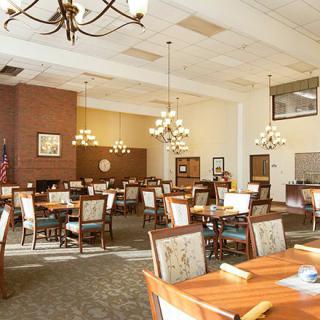
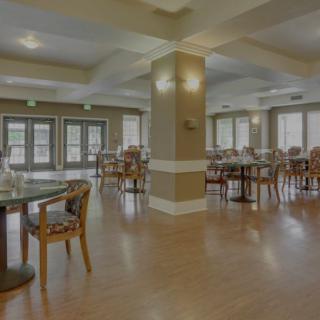
  • Indoor common areas Indoor common areasIndoor common areas are crucial for seniors as they provide a space for socialization, recreation, and community engagement, promoting overall well-being and reducing feelings of isolation and loneliness.
  • Outdoor common areas Outdoor common areasOutdoor common areas are important for seniors as they provide a space for socialization, physical activity, and relaxation. Being outside in nature can improve mood and overall well-being, while also encouraging movement and engagement with others. These spaces can help combat feelings of isolation and promote a sense of community among residents.
  • Private PrivatePrivacy is important for seniors as it allows them to maintain their independence, dignity, and sense of control over their own lives. It also gives them the space and freedom to relax, reflect, and engage in activities that bring them joy and fulfillment. Creating private spaces within senior living facilities is crucial for promoting overall well-being and quality of life.
  • Respite or short term stays offered Respite or short term stays offeredRespite or short term stays provide seniors with a temporary solution when their regular caregiver is unavailable, offering them the opportunity to receive additional care and support during times of need, while also giving caregivers a chance to rest and recharge.
  • Wheelchair accessible showers Wheelchair accessible showersWheelchair accessible showers are crucial for seniors as they provide a safe and independent bathing option for those with mobility challenges. These showers help prevent falls and allow seniors to maintain their dignity and autonomy while ensuring they can bathe comfortably.

Care Services

  • Diabetic care Diabetic careDiabetic care is crucial for seniors as they are more susceptible to developing diabetes due to aging and other health conditions. Proper management of diabetes can help prevent complications such as heart disease, vision loss, and nerve damage, improving the overall quality of life for seniors in senior living communities.
  • High acuity care High acuity careHigh acuity care is important for seniors because it provides specialized medical attention and support for individuals with complex medical needs. This level of care ensures that seniors receive the appropriate treatment and assistance to maintain their health and quality of life as they age.
  • Incontinence care Incontinence careIncontinence care is essential for seniors to maintain their dignity, hygiene, and overall quality of life. By addressing incontinence issues promptly and effectively, seniors can enjoy a sense of independence and comfort in their daily activities.
  • Medication management Medication managementMedication management is crucial for seniors to ensure they are taking the right medications at the correct dosages and times. This helps prevent adverse drug interactions, reduces the risk of medication errors, and promotes overall health and well-being. Proactive management also allows for adjustments as needed based on changing health conditions or new prescriptions.

Dining

  • Meals provided Meals provided"Meals provided" are crucial for seniors in assisted living communities as it ensures they have access to nutritious, balanced meals without the stress of meal planning and preparation. This can help promote overall health and well-being for seniors who may have limited mobility or cognitive abilities.
  • Vegetarian VegetarianA vegetarian diet is important for seniors because it can help lower the risk of chronic diseases, maintain a healthy weight, and provide essential nutrients needed for aging bodies. Additionally, plant-based diets are often easier on digestive systems and can contribute to overall well-being in older adults.

Activities

  • Activities off-site Activities off-siteEngaging in off-site activities is crucial for seniors to maintain social connections, stay active, and stimulate their minds. It promotes overall well-being and helps combat feelings of isolation and loneliness.
  • Activities on-site Activities on-siteActivities on-site are important for seniors because they provide opportunities for socialization, mental stimulation, physical activity, and overall well-being. Engaging in activities can help seniors stay active, maintain their independence, and improve their quality of life.
  • Christian services Christian servicesChristian services are important for seniors because they provide a sense of community, spiritual support, and opportunities for connection with others who share their faith. These services can offer comfort, hope, and guidance as seniors navigate the challenges of aging and find meaning and purpose in their lives.
  • Devotional activities on-site Devotional activities on-siteDevotional activities on-site provide seniors with a sense of community, spiritual fulfillment, and emotional support, promoting overall well-being and a positive sense of purpose in their lives.

Description

Assurecare Adult Home #2 in Tacoma, WA is an assisted living community that specializes in memory care. Our dedicated staff provides high acuity care and medication management, ensuring that our residents receive the support they need. We also offer specialized services such as incontinence care to promote comfort and dignity.

Our community is designed with the well-being of our residents in mind. We have a range of amenities including activities on-site to keep our residents engaged and entertained, and devotional services for those who wish to nurture their spiritual needs. Our indoor common areas provide a welcoming space for socializing, while our outdoor common areas allow residents to enjoy the fresh air and natural surroundings.

At Assurecare Adult Home #2, we understand the importance of accessibility for individuals with mobility challenges. That's why we provide wheelchair accessible showers and bath tubs, ensuring safety and convenience for all residents.

Residents at our community can enjoy delicious vegetarian dining options, accommodating various dietary preferences and restrictions. Our meal plans are designed to be nutritious and flavorful, promoting overall health and well-being.

We believe that staying active and engaged is vital for the quality of life of our residents. That's why we offer a variety of activities on-site, catering to different interests. For those who seek spiritual fulfillment, we also provide Christian services and devotional activities.

Located conveniently near several cafes, parks, pharmacies, physicians' offices, restaurants, and places of worship, Assurecare Adult Home #2 offers easy access to essential services within the Tacoma area.

Overall, our assisted living community strives to create a warm and inclusive environment where seniors with memory care needs can thrive while receiving compassionate care from experienced professionals.

Nearby Places of Interest

This area of Tacoma, Washington, offers convenient access to various amenities and services that may appeal to seniors looking for a comfortable living environment. With several pharmacies, restaurants, cafes, places of worship, physicians' offices, parks, hospitals, and transportation options nearby, residents can easily meet their daily needs and stay engaged in the community. The presence of a variety of dining options and recreational facilities such as parks and theaters provides opportunities for leisure activities and socializing. Additionally, the proximity to medical facilities ensures accessible healthcare services. Overall, this part of Tacoma offers a well-rounded and convenient living experience for seniors.

Pharmacies

  • Walmart Pharmacy (1.6 miles)
  • Safeway Pharmacy (1.9 miles)
  • Rite Aid (3 miles)
  • Albertsons Pharmacy (3.2 miles)
  • Walgreens (3.3 miles)
  • Rite Aid (4.1 miles)
  • Parkland Marketplace (4.3 miles)

Restaurants

  • McDonald's (1.6 miles)
  • Taco Bell (1.6 miles)
  • McDonald's (1.7 miles)
  • Wendy's (3 miles)
  • McDonald's (3.5 miles)
  • Lucky's Drive In (4.2 miles)
  • Pour Me Bar and Bistro (4.4 miles)

Cafes

  • Starbucks (1.8 miles)
  • Starbucks (2.8 miles)
  • Starbucks (5.1 miles)
  • Dutch Bros Coffee (6.6 miles)
  • Panera Bread (6.8 miles)
  • Panera Bread (8.1 miles)

Places of Worship

  • St Mary's Catholic Church (4.3 miles)
  • Evergreen Presbyterian Church (5.6 miles)
  • Iglesia Ni Cristo (6.5 miles)
  • Abundant Life Foursquare Church (8.2 miles)

Physicians

  • Oral Surgical Associates (4.3 miles)
  • Rainier Medical Group (4.8 miles)
  • Woodcreek Healthcare (5.1 miles)
  • Sunrise Medical Campus (5.2 miles)
  • Washington Gastroenterology - Sunrise Clinic (5.3 miles)
  • Park in Kwon MD - In Kwon Park, MD (5.3 miles)
  • Daniel Enestroescu (5.3 miles)

Parks

  • Frontier Park (4.7 miles)
  • Sunrise Park (6.6 miles)
  • Bradley Lake Park (7.3 miles)
  • Williams park (8 miles)

Hospitals

  • Attaway (5.8 miles)
  • Multicare Medical Center (7.8 miles)
  • Madigan Army Medical Center (8 miles)

Transportation

  • Lakewood Station Sounder train (7.1 miles)

Theaters

  • AMC Lakewood Mall 12 (8 miles)

Frequently Asked Questions

How much does it cost to live at Assurecare Adult Home #2 in Tacoma, WA?
Where is Assurecare Adult Home #2?
Does Assurecare Adult Home #2 provide care for residents with dementia or Alzheimer's disease?

Nearby Communities

  • Barb's Place

    Barb's Place

    Tacoma, WA

     
    $3,000 / month

    pro Affordable private room compared to Pierce County and Washington state averages for memory care.

  • Sunny Meadows AFH

    Sunny Meadows AFH

    Tacoma, WA

     
    $3,500 to $4,000 / month

    pro Competitive pricing with semi-private ($3,500) and private ($4,000) rooms below county and state averages, plus memory-care focus with medication management and high-acuity/incontinence care and on-site activities.

  • Vistra Care Adult Family Home

    Vistra Care Adult Family Home

    Tacoma, WA

     
    $4,800 to $5,800 / month

    pro Memory-care focused with personalized assistance and restaurant-style dining.

  • Fountain of Life AFH

    Fountain of Life AFH

    Spanaway, WA

     
    $2,500 to $3,500 / month

    pro Competitive memory-care pricing with medication management and high-acuity support.

  • Mashburn House II

    Mashburn House II

    Spanaway, WA

     
    $2,500 / month

    pro Affordable private-room care with diabetic support and nearby amenities

  • AssureCare Adult Home,  LLC

    AssureCare Adult Home, LLC

    Spanaway, WA

    4.5 from 2 reviews
    $5,000 to $6,000 / month

    pro Clean, well-kept facility with friendly, accommodating staff and a welcoming manager.

  • Silver Creek by Bonaventure

    Silver Creek by Bonaventure

    Puyallup, WA

    4.1 from 121 reviews
    $3,700 to $4,405 / month

    pro Friendly, attentive staff with a well-maintained, sociable community.

  • Julian Estates Gracious Retirement Living

    Julian Estates Gracious Retirement Living

    Puyallup, WA

    4.6 from 135 reviews
     

    pro Beautiful, well-maintained private apartments with a caring staff and vibrant community.

  • Brookdale Courtyard Puyallup

    Brookdale Courtyard Puyallup

    Puyallup, WA

    3.7 from 82 reviews
    $3,785 to $6,890 / month

    pro Friendly staff during tours, engaging activities, and transportation support.

Related Resources

  • alzheimer's factsIlluminating Insights About Alzheimer's Disease: Ten Crucial Realities

    Alzheimer’s disease is a progressive neurological disorder that significantly impacts memory and cognitive functions, accounting for 60-80% of dementia cases, with early diagnosis being crucial yet challenging. It involves brain changes like beta-amyloid plaques and tau tangles, influenced by genetic and lifestyle factors, and while there is no cure, symptom management and support for caregivers are essential.

  • list of drugs linked to dementiaA Thorough Discussion of Medications Potentially Linked to Dementia Risk

    Dementia, influenced by aging and certain medications, may be exacerbated by drug classes such as anticholinergics, benzodiazepines, and antipsychotics, which are associated with cognitive impairment. Regular medication reviews by healthcare professionals are crucial for older adults to manage risks and optimize cognitive health.

  • do dementia patients sleep a lotWhy Do Dementia Patients Sleep So Much? Understanding Oversleeping, Stages, and Care Approaches

    Dementia often results in disrupted sleep patterns, leading to excessive daytime sleeping due to factors like brain damage affecting circadian rhythms, medication side effects, and lack of structure in daily activities. Caregivers must monitor these changes closely, as oversleeping can increase risks such as malnutrition or dehydration, and provide necessary support and routines to enhance patient engagement and well-being.