
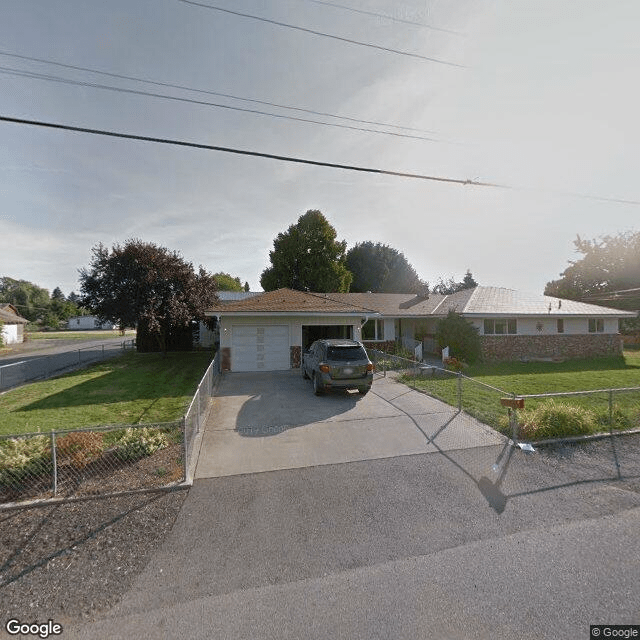
7918 E. Glass Ave, Spokane Valley, WA 99212
To contact a resident: (509) 474-9680
For more information about senior living options: (866) 208-4318
Allen's Adult Family Home II Costs & Pricing
Allen's Adult Family Home II offers competitive pricing for its accommodations, with both studio and private rooms available at $3,000 per month. This cost is notably lower than the average monthly rates in Spokane County, where a studio typically runs around $3,609 and a private room averages $4,111. Furthermore, when compared to the broader Washington state averages of $4,126 for studios and $4,772 for private rooms, Allen'sAdult Family Home II presents an attractive option for those seeking quality care at a more affordable price point. This value positioning not only highlights the commitment to providing accessible care but also emphasizes their dedication to serving the local community effectively.
| Floor plans | Allen's Adult Family Home II | Spokane County | Washington |
|---|---|---|---|
| Studio | $3,000 | $3,609 | $4,128 |
| Private | $3,000 | $4,111 | $4,774 |
Memory care communities with a similar price nearby
-
About the same

Wellspring Meadows Assisted Living
$3,000 / month23.9 miles away -
from -$350 / mo
Riverview Terrace
$2,650 to $10,800 / month4.0 miles away -
from +$500 / mo
Mary Ann's Home Care
$3,500 to $4,000 / month7.2 miles away -
from -$305 / mo
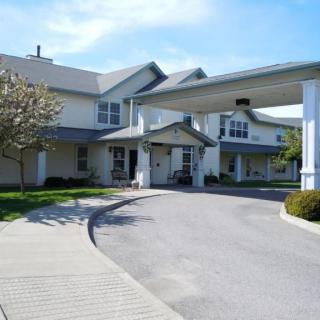
Sullivan Park Assisted Living Community
$2,695 to $4,450 / month5.0 miles away -
from -$200 / mo
Peterson Place
$2,800 to $3,500 / month24.8 miles away
Overall Review of Allen's Adult Family Home II
Pros
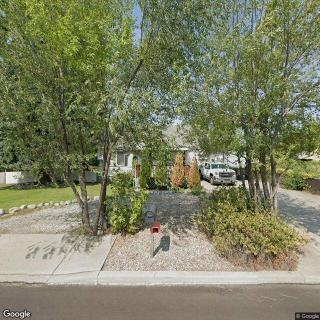
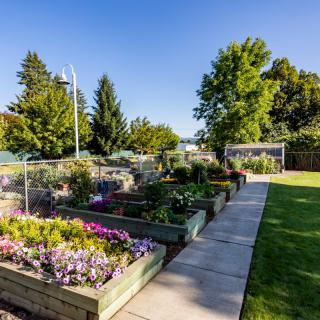
 The outdoor area is lovely.
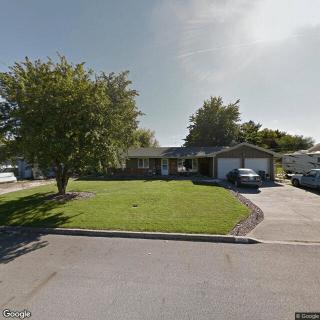
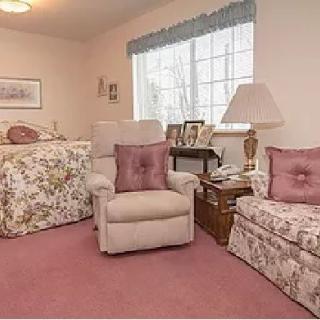
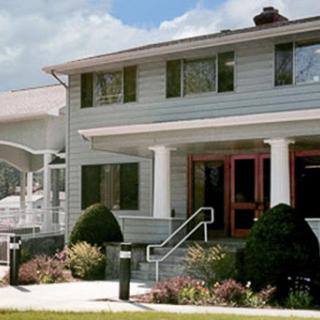
- The setting is small, clean, and homey.
- Residents love the place.
Review
Allen's Adult Family Home II, now Haven AFH in Spokane Valley, WA, is best suited for seniors who prize a small, intimate, home-like setting with an inviting outdoor area. This is a community where privacy and personalized attention come first, and where residents can enjoy a calm, neighborly atmosphere rather than a bustling, large-scale campus. Families weighing options for someone who thrives on quiet companionship over formal programming will find this an attractive match. Those needing frequent medical interventions, intensive 24/7 supervision, or a wide slate of on-site activities should consider alternatives such as larger assisted living communities or memory-care environments where staffing and programs are more expansive.
The two available reviews converge on a clear, compelling portrait: a lovely outdoor area and a small, clean, homey setting. Residents were spoken to directly in at least one account, and the sentiment conveyed is strikingly positive, people who live there express love for the place. That kind of resident-voiced warmth in a compact, well-maintained setting is a strong signal that the day-to-day experience centers on comfort, routine, and approachable care. In practical terms, this translates to predictable, low-stress living where familiar faces and consistent neighbors contribute to a sense of belonging.
That small-scale environment tends to yield tangible benefits in care dynamics. With fewer residents and a compact footprint, staff can cultivate tighter relationships with each person, enabling smoother communication about preferences, meals, and daily rhythms. The homey vibe also supports a sense of dignity and autonomy, making it easier for residents to participate in familiar routines and personal rituals. For families, these factors often translate into fewer friction points when coordinating visits, medication handoffs, or casual conversations with caregivers about how a day went.
What remains unclear from the limited public feedback are concrete gaps or red flags. No drawbacks jump out in the brief reviews, but the absence of critical detail matters. Prospective families should verify essential care specifics: exact staffing levels and hours, how medications are administered and supervised, availability of licensed nursing support, emergency protocols, daily activity options, meal quality and flexibility, transportation for appointments, and how visits from family are accommodated. Given the small sample, a structured visit and direct questions are essential to confirm alignment with care needs.
The positives, the outdoor space, the clean, home-like setting, and genuine resident satisfaction, can meaningfully offset potential gaps when paired with careful vetting. The outdoor area is not merely pleasant; it offers opportunities for fresh air, light activity, and mood enhancement that suit many seniors well. The intimate setting reduces sensory overload and helps residents feel seen, heard, and valued. If these attributes align with a senior’s preferences and care requirements, the likelihood of a comfortable, stable living situation rises, provided the care depth matches needs through verification on a site tour.
Bottom line: this community is a strong fit for seniors who want a warm, intimate home environment with a pleasant outdoor space and a sense of daily continuity. It is not the first choice for those requiring robust medical oversight, complex care management, or a wide spectrum of planned activities typical of larger facilities. Families should schedule a visit, request to meet the caregiver team, and speak with current residents to gauge consistency of experience. For those who decide to move forward, contact Breeann at Haven AFH to arrange a tour and gather specifics on licensing, staffing, and service scope.
 Board and Care Home
 Memory Care
 Activities on-site
 Bath tubs
 Devotional services on-site
 Indoor common areas
 Outdoor common areas
 Private
 Private bathrooms
 Respite or short term stays offered
 Spokane International (12 miles away)
 Ambulatory care
 High acuity care
 Medication management
 Kosher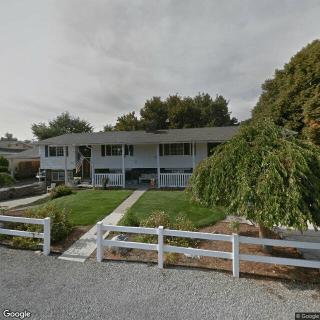
 Comprehending Evening Confusion in Dementia: Causes, Manifestations, and Support
 Delirium and Dementia: Unraveling the Key Differences
 Are Dementia and Alzheimer's Disease Lethal? A Comprehensive Exploration