For more information about senior living options: (866) 208-4318
4.2 from 114 reviews
5 stars
89
4 stars
3
3 stars
1
2 stars
3
1 stars
18
Overall Review of Family First Senior Care Inc.
caveat7 reviews mention this
Care depends on consistent coverage
Several residents describe gaps or uncertainty in getting the help they expected.
Some reviews mention being left without a caregiver for hours, missing scheduled support, or experiencing too few hours than promised. Others describe changes to schedules without notice, which they say left clients without needed care. A few reviews also note caregivers leaving early or coverage being pulled away, creating additional stress. Overall, coverage reliability comes through as a recurring concern.
caveat12 reviews mention this
Communication problems are a repeat issue
Multiple reviewers say it can be hard to reach the office and get timely responses.
Many comments focus on communication breakdowns, including not answering the phone and not calling back after voicemails. Several reviewers say the office failed to keep them informed about scheduling or caregiver changes, sometimes only finding out when someone arrived or after timing was already missed. A few residents also report frustrations with office management responsiveness when concerns were raised. While some people praised help they received, the negative communication pattern is frequent in the reviews.
common8 reviews mention this
Compassion and kindness stand out
Many reviewers describe caregivers and office staff as compassionate, kind, and respectful.
A number of reviews say the caregivers show warmth, compassion, and respect, and that this made a noticeable difference in a family member’s comfort and confidence. Some reviewers also mention feeling supported by the office, not just the caregiver providing hands-on help. Even when reviewers discuss practical assistance, they often pair it with how kindly care was delivered. This theme shows up strongly across multiple client and family experiences.
common2 reviews mention this
Training and professionalism get praise
Some reviews highlight training and professionalism as part of the support for caregivers.
Two reviews mention the training they received as making them feel confident in their abilities. Others describe being treated professionally and supported in their roles, which residents and families often connect to more reliable care. While this isn’t the most dominant theme, it does appear in caregiver-focused feedback. That supports the idea that staff preparation and conduct matter to reviewers.
How we summarize
Counts show how many written reviews mention each theme; a review can touch several themes, and only frequently mentioned themes are displayed.
Features
Transportation
Spokane International (12 miles away)
Nearby Places of Interest
This part of Spokane Valley, Washington, offers a variety of amenities and services that cater to seniors. With multiple physician offices, pharmacies, and hospitals within close proximity, residents have access to quality healthcare options. The area also features a range of cafes and restaurants for socializing and dining out. Places of worship provide spiritual support, while parks offer opportunities for outdoor recreation and relaxation. Transportation centers make it easy to get around the city, and a nearby theater provides entertainment options. Overall, this neighborhood provides a convenient and supportive environment for seniors looking to settle in Spokane Valley.
Physicians
Restylyne (0.3 miles)
Providence Physicians Services Co. (0.3 miles)
Spokane Oral Surgery (1.9 miles)
Freedom Health Group (2.1 miles)
Aspen Sleep Centers (2.2 miles)
MultiCare Rockwood Clinic Digestive Health Center - Spokane Valley (2.2 miles)
MultiCare Rockwood Radiation Therapy and PET/CT Services (2.2 miles)
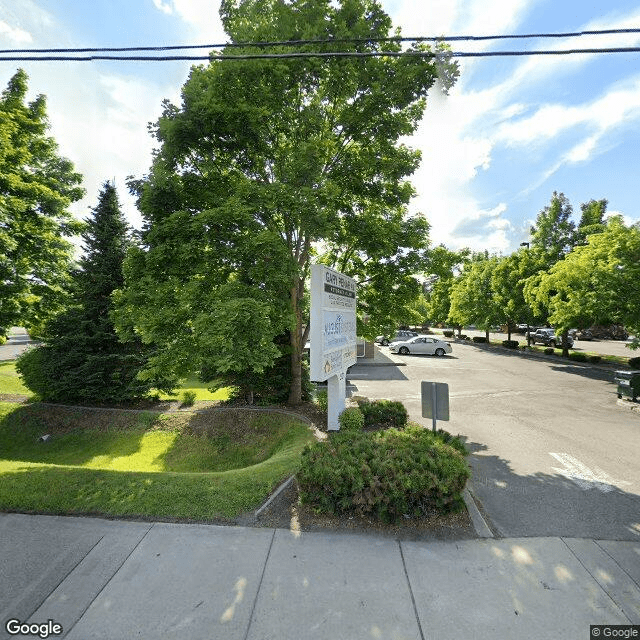
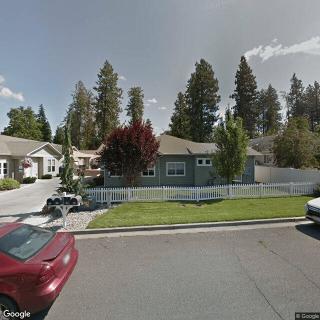
Family First Senior Care Inc. is located at 521 N Argonne Rd Bldg B Suite 103, Spokane Valley, WA 99212 in Spokane County, Washington
Nearby Communities
Angel of Grace
Spokane, WA
4.5 from 28 reviews
$2,500 to $5,500 / month
Competitive memory care pricing with abundant nearby amenities.
Cozy Place AFH
Spokane Valley, WA
4.7 from 6 reviews
$3,000 / month
Affordable memory care with high-acuity support; private rooms with private bathrooms and accessible showers, plus on-site activities and medication/incontinence care.
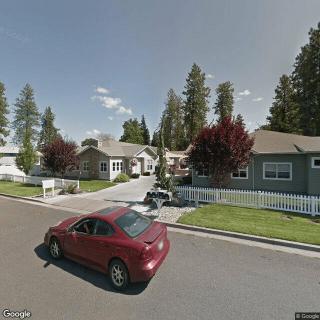
Sunshine Adult Family Home II
Spokane Valley, WA
3.3 from 7 reviews
$4,000 / month
Exceptional staff care, excellent dining, and proactive family communication; expansion plans.
Revel Spokane
Spokane, WA
4.6 from 139 reviews
$2,995 to $4,400 / month
Welcoming staff and community with engaging activities and quality dining.
Total Care - Spokane
Spokane, WA
3 from 2 reviews
Excellent access to pharmacies, physicians, dining, transportation, places of worship, entertainment, and a nearby hospital.
Sunshine Adult Family Home IV
Spokane Valley, WA
3 from 6 reviews
$4,000 / month
Competitive pricing with private rooms and comprehensive amenities.
Colonial Court
Spokane, WA
4.5 from 46 reviews
$5,195 / month
Caring, dedicated staff with personalized attention in a clean, home-like setting.
Bethany Place
Spokane, WA
3.4 from 52 reviews
Caring, dedicated staff in a clean, welcoming environment.
Broadway Court Estates
Spokane Valley, WA
4.8 from 89 reviews
$2,195 to $3,395 / month
Friendly, caring staff with an active, social community and well-maintained facilities.
Medicare provides limited coverage for skilled nursing home care, covering full benefits for the first 20 days and partial benefits up to 100 days under certain conditions, after which families must explore alternative funding options like Medicaid or long-term care insurance to manage potentially high costs. Proactive planning is essential to navigate the complexities of financing ongoing care once Medicare coverage ends.
Geriatric care managers create personalized care plans for older adults, addressing their medical, social, financial, and psychological needs while coordinating services and advocating for their well-being. They help families navigate caregiving challenges but may be hindered by high costs and a shortage of qualified professionals.
The article highlights the importance of empathy and open communication when comforting someone who is grieving, noting that grief is unique to each individual and emphasizing the need for sincere expressions of condolence, active listening, and ongoing support. It also addresses cultural differences in mourning practices and encourages tailored approaches to provide effective comfort.
Get PricingAsk A QuestionSchedule A TourContact Senior Advisor
By clicking submit, you agree to our Partner's Terms of Use. You
also consent to receive calls and texts, which may be autodialed, from our Partner. Your consent is not a condition to
using our Partner's service. Please visit our Partner's Privacy Policy for information about their privacy practices.

 Spokane International (12 miles away)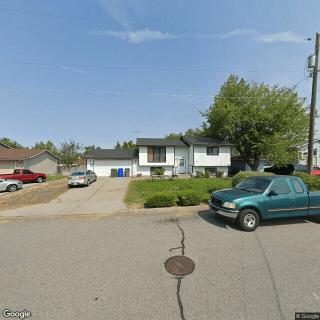
 Competitive memory care pricing with abundant nearby amenities.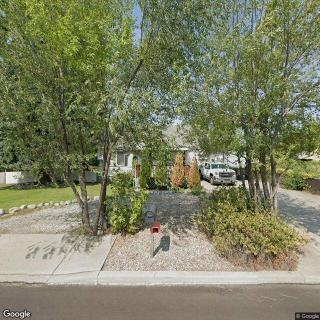




 Managing Nursing Home Expenses After Medicare Coverage Ends
 Is a Geriatric Care Manager the Right Choice for Your Family?
 Compassionate Conversations: How to Comfort Someone Who Is Grieving