
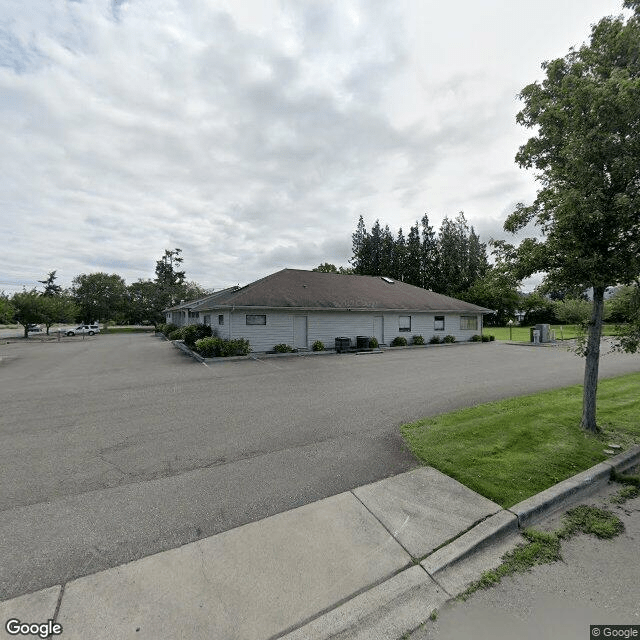
651 N Garry Oak Dr, Sequim, WA 98382
To contact a resident: (360) 582-9309
For more information about senior living options: (866) 208-4318
Dungeness Courte Alzheimer Community Costs & Pricing
Dungeness Courte Alzheimer Community offers a specialized environment for individuals living with Alzheimer's, featuring a monthly cost of $4,891 for a studio room. This rate is notably higher than the average costs in Jefferson County, which stand at $3,628, and even exceeds the broader state average of $4,126 for similar accommodations. While Dungeness Courte's pricing reflects its dedicated care and tailored services aimed at enhancing the quality of life for residents with cognitive impairments, it does position itself at a premium compared to other options in the area. This investment underscores the community's commitment to providing exceptional support and resources for both residents and their families navigating the complexities of Alzheimer's care.
| Floor plans | Dungeness Courte Alzheimer Community | Jefferson County | Washington |
|---|---|---|---|
| Studio | $4,891 | $3,628 | $4,128 |
Memory care communities with a similar price nearby
-
from -$406 / mo

San Juan Villa
$4,485 to $5,165 / month15.8 miles away -
from -$641 / mo
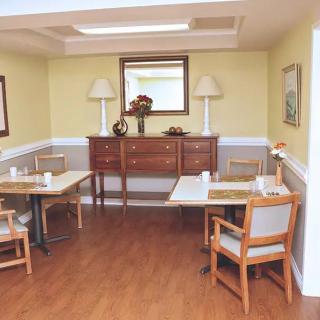
Discovery Memory Care
$4,250 to $5,350 / month0.5 miles away -
from +$304 / mo
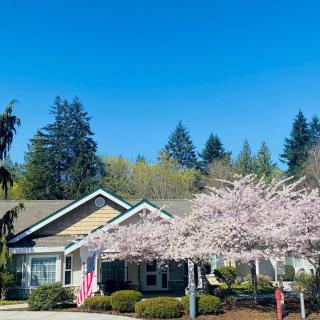
Highland Court Memory Care
$5,195 to $6,195 / month13.6 miles away
Overall Review of Dungeness Courte Alzheimer Community
Pros
 The family was thankful for the quality care provided to their mother over the past two years.
- Each and every person employed at Dungeness Courte treated the mother and the entire family with dignity, compassion, and love.
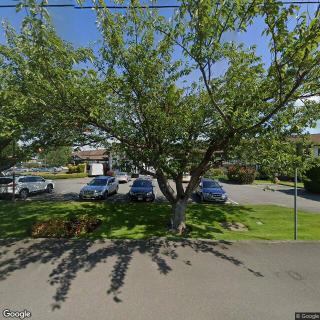
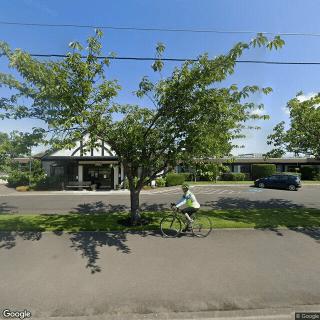
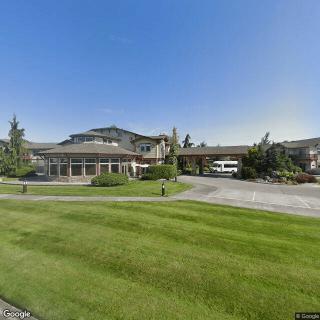
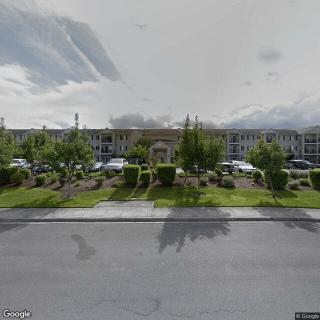
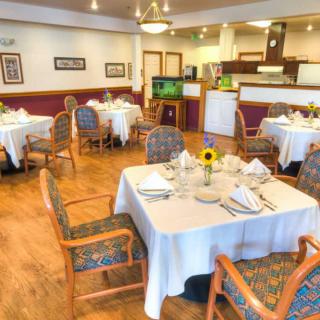
- The facility is immaculately clean and warm.
- Dungeness Courte is, beyond any doubt, the highest quality of care they could have chosen for their lovely mother.
Cons
 They waited a week for a call after applying, and were told by the general manager to wait rather than being seen, which felt rude and disappointing.
- They witnessed their mother fall multiple times and noted there was insufficient staffing for one-on-one care.
- They saw their mother with blackened eyes and cuts, which raised serious concerns about safety and dignity.
- They found promises like "we react quickly" and "we never say no" were not fulfilled, and no annual family survey was conducted.
- They described the head nurse as aggressively pushing sedation, turning their mother into a bedridden patient.
- They felt management promoted an image of customer involvement that did not actually exist, with neglect patterns recurring.
- They pointed out that the facility charged over $90,000 per year, yet the level of care did not meet expectations.
Review
This community is best suited for families seeking a memory-care setting in Sequim where cleanliness, warmth, and visible acts of kindness from frontline staff can meaningfully support a loved one's daily life. The strongest fit is for families who can stay closely involved, observe care patterns over time, and hold management accountable. A resident who requires meaningful engagement, predictable routines, and respectful treatment will find the environment appealing, provided there is a willingness to advocate when concerns surface and to demand timely answers from leadership.
Those evaluating alternatives should note who may want to look elsewhere. If reliable, consistent staffing and transparent governance are non-negotiables, this facility warrants caution. Families that cannot or will not engage in ongoing advocacy may encounter ongoing frustration, given the recurring threads of management responsiveness and the reported gaps in care. If there is substantial concern about medication practices, non-emergency sedation decisions, or the safety record of a unit, pursuing other options with stronger oversight and clearer communication protocols is prudent. And for households where cost is a dominant constraint, the expense profile of this memory-care offering demands careful comparison with what is truly delivered day to day.
The most compelling positives center on the environment and the people who do connect with residents. The facility is described as immaculate, with a warm, inviting atmosphere, and multiple staff members cited as genuinely caring and respectful toward both residents and families. In other instances, families report a two-year period of quality care reflecting dignity and compassion. These strengths, cleanliness, a humane bedside approach, and moments of standout caregiving, create a foundation for meaningful daily life and can ease the transition for a person with Alzheimer’s who thrives on routine and familiar, courteous interactions.
However, the most persistent drawbacks undermine those strengths. Understaffing concerns translate into limited one-on-one attention and slower, less responsive support for daily needs. Safety issues emerge in accounts of falls and injuries, and the use of sedating medications to manage wandering or agitation is given as a troubling pattern by some families. Communication with families is described as inconsistent, with delays in information, and formal feedback mechanisms, including annual family surveys, appear neglected in practice. These factors collectively erode trust and raise questions about whether the overall care quality consistently justifies the price.
To determine whether the pros offset the cons, balance must be weighed against risk. The clean, compassionate front-line care is meaningful and can deliver a respectful daily life for many residents, but ongoing staffing gaps and reported management gaps dilute that impact. Sedation practices and purported delays in notifying families about health issues erode autonomy and may compromise timely family involvement in important decisions. If a family can secure regular, candid communication and can press for appropriate staffing levels, the positive aspects become more reliably realizable; without that advocacy, the negatives tend to resurface.
Practical steps for families considering this community are clear. Schedule unannounced visits at varying times to observe staff interactions, responsiveness, and the actual caregiver-to-resident ratios. Request to review daily care plans, incident logs, and a direct line of communication to both the director and a supervising nurse. Have concrete questions ready about how wandering, safety, and health monitoring are managed, and insist on seeing documented responses to prior concerns. If concerns persist, document them in writing and escalate to the parent company or state resources rather than relying on episodic assurances. A vigilant approach is essential to determine whether the promised standards are consistently delivered.
Bottom line: Dungeness Courte presents a mixed picture. For families who prize a clean, humane environment and can commit to active advocacy, the facility can offer meaningful memory-care experiences and genuine caregiver warmth. For others, especially those requiring unwavering staffing reliability, transparent governance, and consistent safety oversight, alternatives with stronger, verifiable oversight and steadier care continuity should be seriously weighed. In Sequim, this facility sits as a viable option only for those prepared to monitor, engage, and push for accountability on an ongoing basis.
 Memory Care
 Are Dementia and Alzheimer's Disease Lethal? A Comprehensive Exploration
 Exploring the Power of Reminiscence Therapy for Individuals With Dementia
 An In-Depth Look at Reminiscence Therapy in Dementia Care