

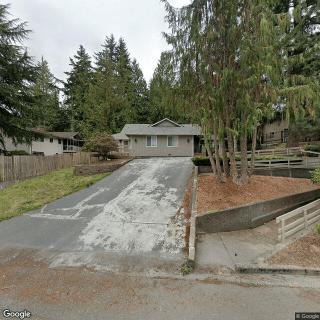
4422 NE 178th Ave., Lake Forest Park, WA 98155
To contact a resident: (206) 368-3833
For more information about senior living options: (866) 208-4318
Overall Review of Evergreen Adult Family Home
Pros
 Aurica and her staff are caring and thoughtful, organizing exercise, music, and activities for residents.
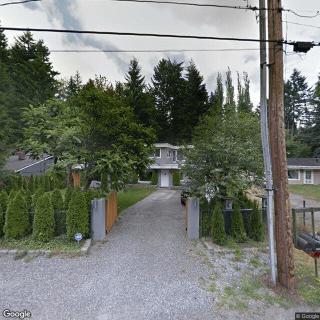
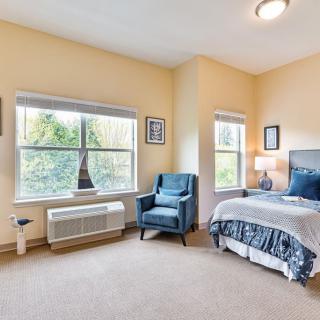
- The houses are set up with private rooms and bathrooms and feature welcoming spaces such as a deck.
- The care teams take excellent care of residents physically and emotionally and interact personally with each person.
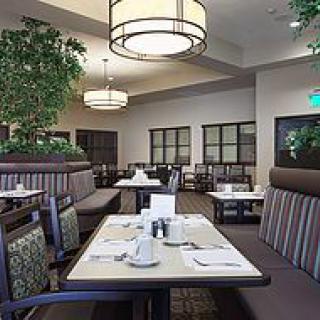
- The homes are light, bright, and clean, creating a comfortable environment.
- The staff provide tender, attentive, consistent, respectful, and upbeat care with humor and affection daily.
- Caregivers communicate changes quickly and address residents’ needs, keeping families well informed.
- Aurica’s oversight is described as a gift, reflecting strong leadership and quality care.
- Evergreen Adult Family Home offers 24/7 observation and close communication with families, coordinating with doctors and hospice as needed.
Review
Evergreen Adult Family Home in Lake Forest Park is best suited for families seeking an intimate, home-like setting where aging loved ones receive highly personalized, around-the-clock supervision. The facility emphasizes private rooms with individual baths, easy access to a bright living space, and a deck that supports regular time outdoors. Caregivers are described as attentive and deeply involved in daily routines, organizing light exercise, music, and engaging activities that sustain mood and participation. For seniors who need steady monitoring, dementia-friendly oversight, and frequent family communication, Evergreen offers a reassuring, hands-on alternative to larger institutional settings.
Those weighing alternatives should consider families seeking a larger campus with broader medical services, a more expansive social calendar, or a defined continuum of care beyond the home-like AFH model. The reviews position Sheridan View Adult Family Home as a comparably strong option nearby, highlighting a bright, clean environment and a care team that addresses both physical and emotional needs while keeping families well informed. If a resident requires more specialized rehabilitation, on-site therapists, or a more formal memory-care infrastructure, exploring other AFHs or nearby assisted-living options could be prudent to ensure all service gaps are covered.
A core strength is the highly personalized staffing and the sense of a true, familial environment. Residents benefit from staff who know them as individuals, creating routines that feel meaningful rather than transactional. Private rooms and baths preserve dignity and convenience, while the nurse-owner oversight provides reliable medical-administrative continuity. Daily programming, exercise, music, and other activities, delivers purposeful engagement without overwhelming residents. The home’s bright, clean atmosphere, coupled with the absence of overpowering odors, reinforces comfort during the delicate transition from independent living to a supported setting. Transparent communication about health status enhances trust and reduces family anxiety.
Nutrition, mobility support, and accessibility are consistently noted as strong points. Three meals a day, along with help for walking or wheelchair use, support ongoing physical well-being and independence for as long as possible. Families value the ability to join residents on outings and the ongoing coaching for using assistive devices, which promotes autonomy. The setting’s smaller scale matters here: intimate relationships with caregivers and a predictable routine foster security, while the option to coordinate with the proprietors and nursing staff ensures care plans remain aligned with medical wishes and changing needs. Hospice planning and end-of-life considerations are handled with the same attentiveness that marks daily care.
On the downside, the most plausible con of Evergreen’s model is its limited scale relative to larger facilities. Some families may worry about access to a wider array of therapeutic services or highly specialized clinical resources on site. However, these potential drawbacks are effectively offset by unwavering 24/7 observation, continuous physician coordination (including with VA resources where appropriate), and a culture of proactive communication. The intimate setting enables rapid response to changes, and the consistently respectful, compassionate approach minimizes the risk of impersonal care. In practice, the hallmark remains steady oversight, quick problem-solving, and a relationship-driven care dynamic that often proves more reassuring than distant institutions.
For families making a decision about Evergreen, the takeaway is clear: this environment excels for seniors who prize everyday humanity, individualized attention, and sustained oversight within a small, home-like footprint. It is less suited for those who insist on expansive on-site medical services, a wide spectrum of therapies, or a campus-style experience. When comparing options, weigh whether a loved one’s needs are best met by a caregiver-driven, intimate model or by a larger setting with more specialized offerings. Given the strong praise for care quality, communication, and the nurturing atmosphere, Evergreen stands out as a prudent, well-considered choice for Lake Forest Park households seeking a high-touch, compassionate caregiving solution.
 Board and Care Home
 Memory Care
 Seattle-Tacoma International (21 miles away)

 Illuminating Insights About Alzheimer's Disease: Ten Crucial Realities
 A Thorough Discussion of Medications Potentially Linked to Dementia Risk
 Why Do Dementia Patients Sleep So Much? Understanding Oversleeping, Stages, and Care Approaches