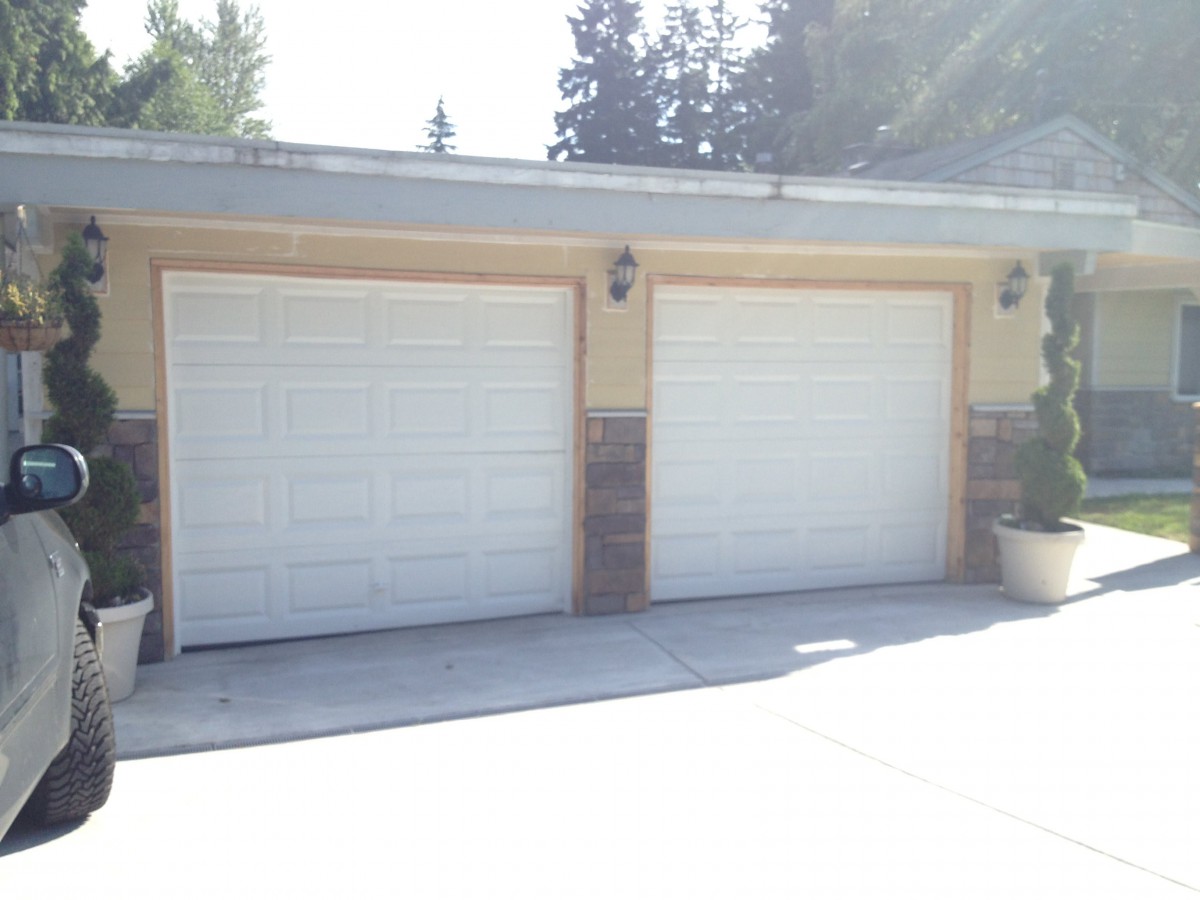
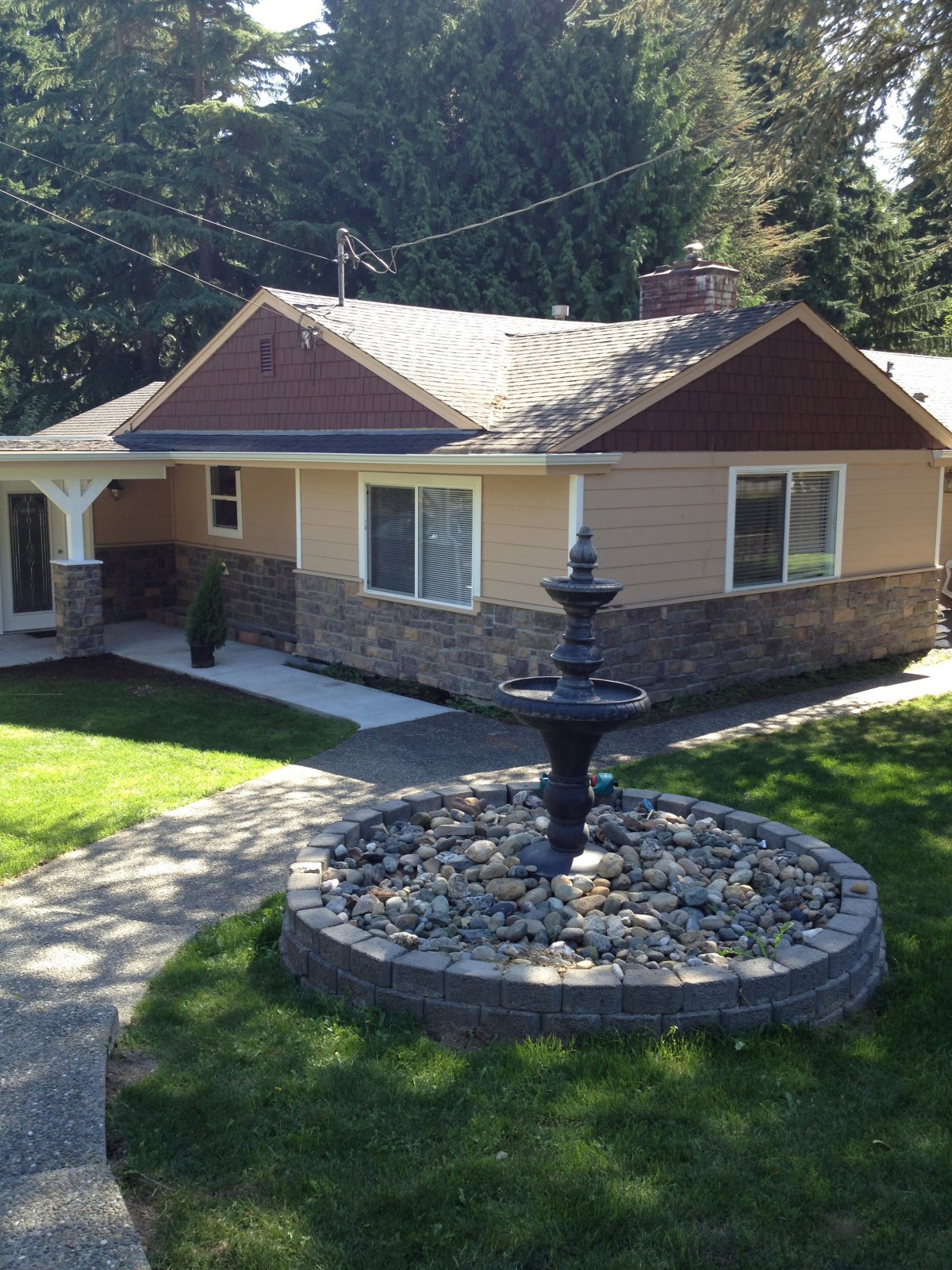
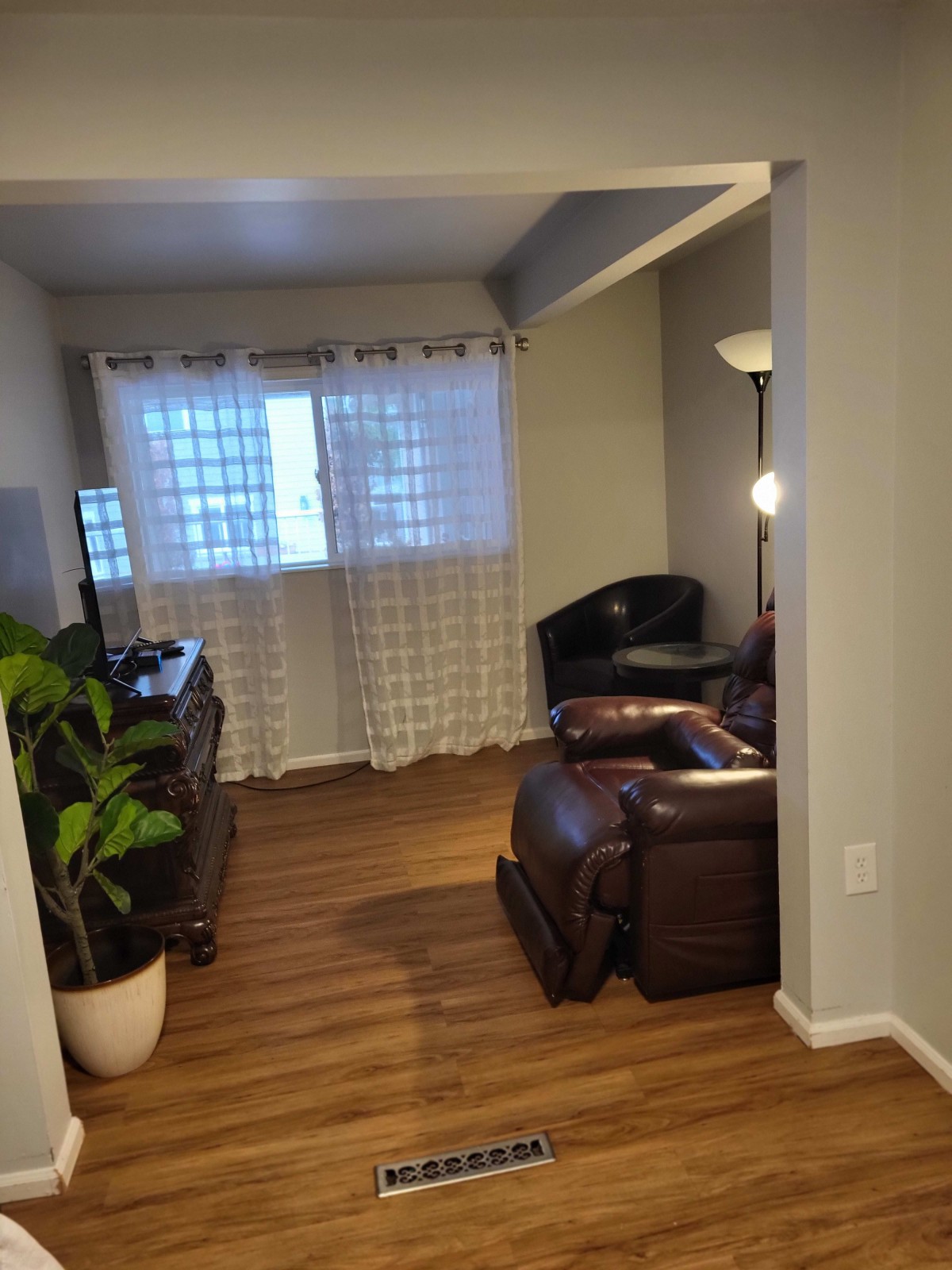
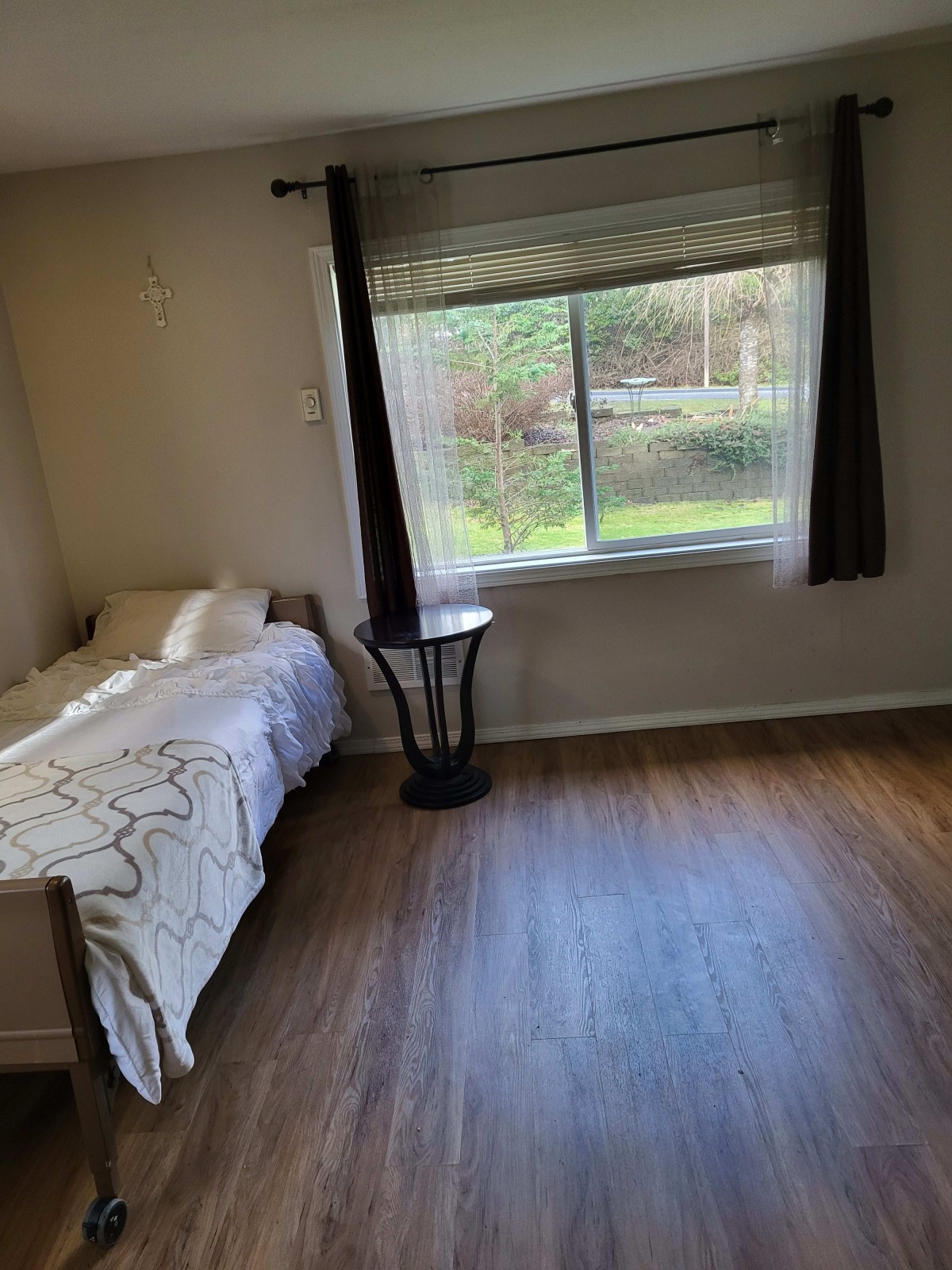
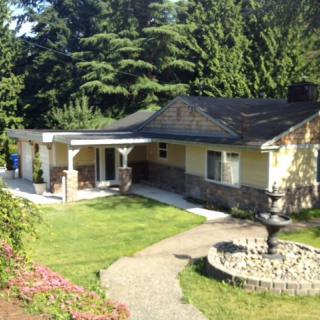
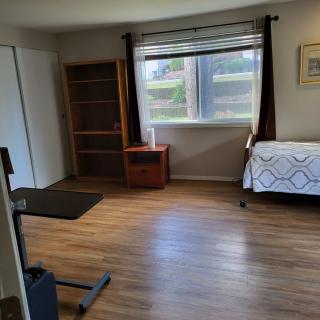
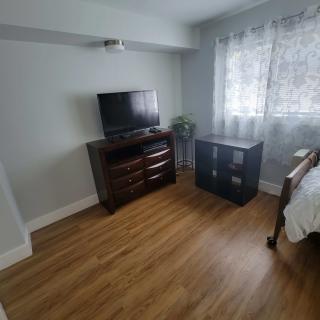
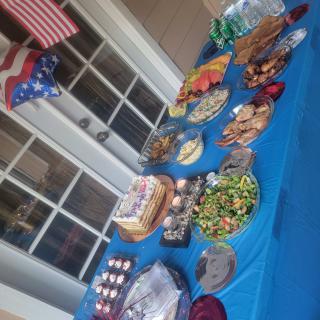
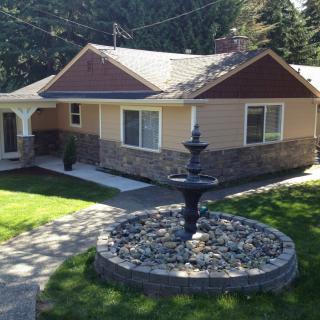
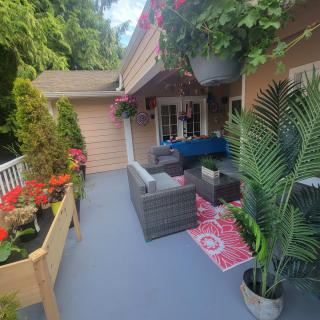
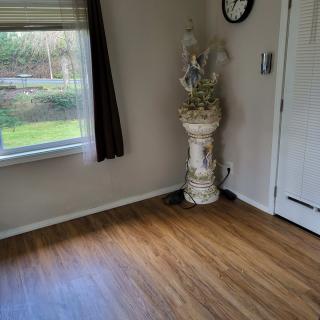
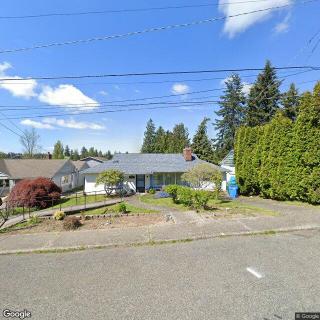
15520 33rd Ave NE, Lake Forest Park, WA 98155
To contact a resident: (206) 602-7227
For more information about senior living options: (866) 208-4318
Creative Home Care AFH Costs & Pricing
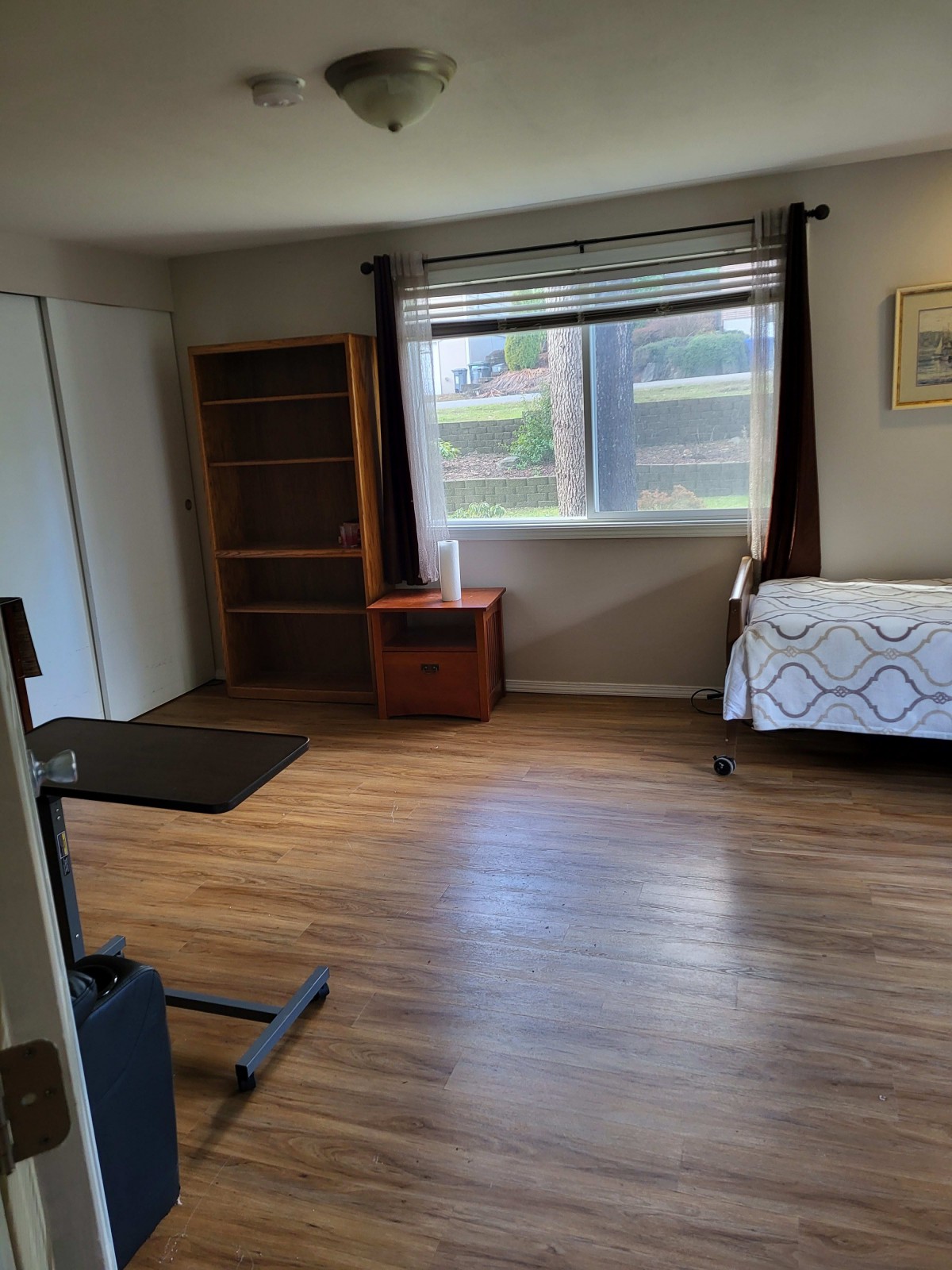
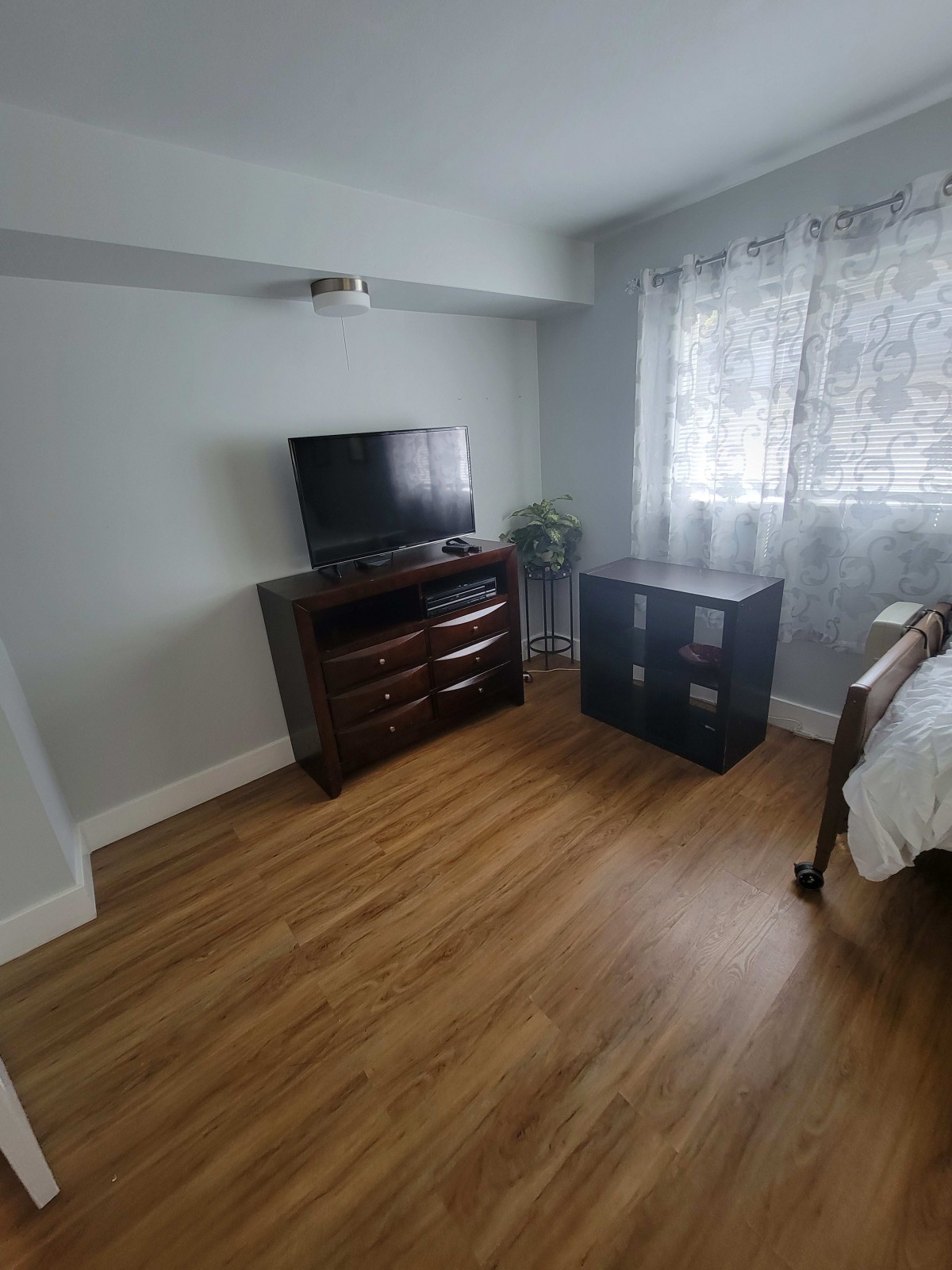
Creative Home Care AFH offers competitive pricing for its residential care services, with a monthly cost of $5,000 for a private room. This rate is slightly lower than the average in King County, which stands at $5,034, and exceeds the state average of $4,772. For those seeking more spacious accommodations, a one-bedroom option is available at Creative Home Care AFH for $6,000 per month. This price also compares favorably against the King County average of $5,127 and significantly surpasses the state average of $4,632. Overall, Creative Home Care AFH provides quality living arrangements that balance affordability within the context of regional market trends.
| Floor plans | Creative Home Care AFH | King County | Washington |
|---|---|---|---|
| Private | $5,000 | $5,034 | $4,774 |
| 1 Bedroom | $6,000 | $5,127 | $4,634 |
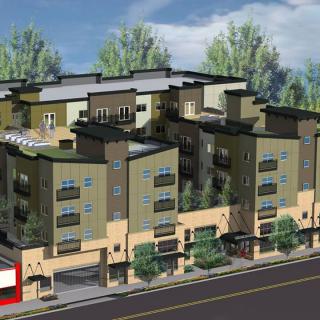
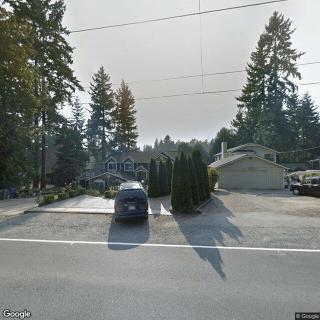
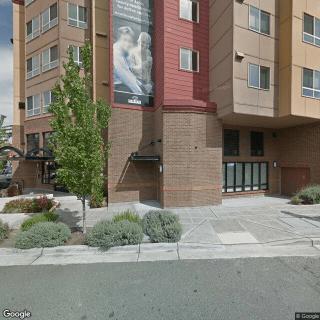
Memory care communities with a similar price nearby
-
from +$750 / mo
Fieldstone Rolling Bay and Fieldstone Memory Care
$5,750 to $8,895 / month11.1 miles away -
from -$500 / mo
We Care Adult Family Home
$4,500 to $8,000 / month14.4 miles away -
About the same

Peace and Pleasant Care Adult Family Home II
$5,000 to $6,000 / month24.2 miles away -
from +$500 / mo

3 Tree Vista Adult Family Home, LLC
$5,500 / month19.7 miles away -
About the same
Abundant Life Lynnwood
$5,000 to $6,000 / month8.8 miles away
Overall Review of Creative Home Care AFH
Pros
 Aden saved the author's father's life.
- Aden improved the environment and turned it around 180 degrees during the father's care.
- The author felt the father was in good hands at every visit.
- The author could never thank her enough.
- The environment was wonderful and the staff excellent.
- They are a loving, kind, and friendly team.
- The mother felt very loved and enjoyed laughing with the ladies.
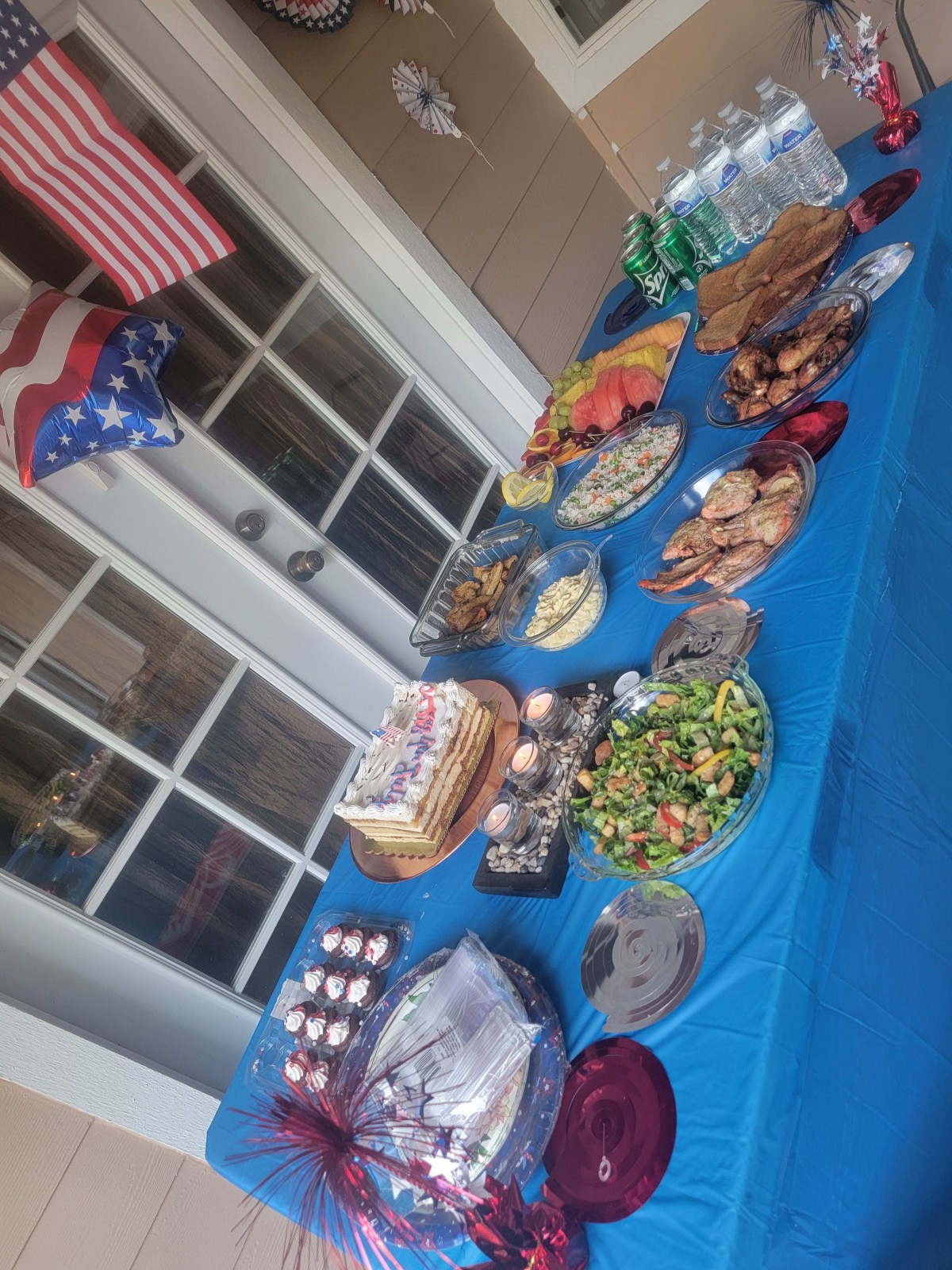
- The facility offered very personalized attention, homemade food, and a lovely owner, manager, and staff.
- The father was really well cared for.
- The author would absolutely recommend Creative Home Care.
- The owner left a family dinner to meet them personally to ensure the father was settled.
- The staff are wonderful, caring, and willing to work with hospice.
Cons
 Mother only lived there two months before she died.
- The food is mediocre and there would be more fruit available.
- They were left stranded in the emergency room with no evaluation and no paperwork.
- They started with a different family home that did not care about residents’ well-being or emotional needs.
- The father died after only seven weeks there.
Review
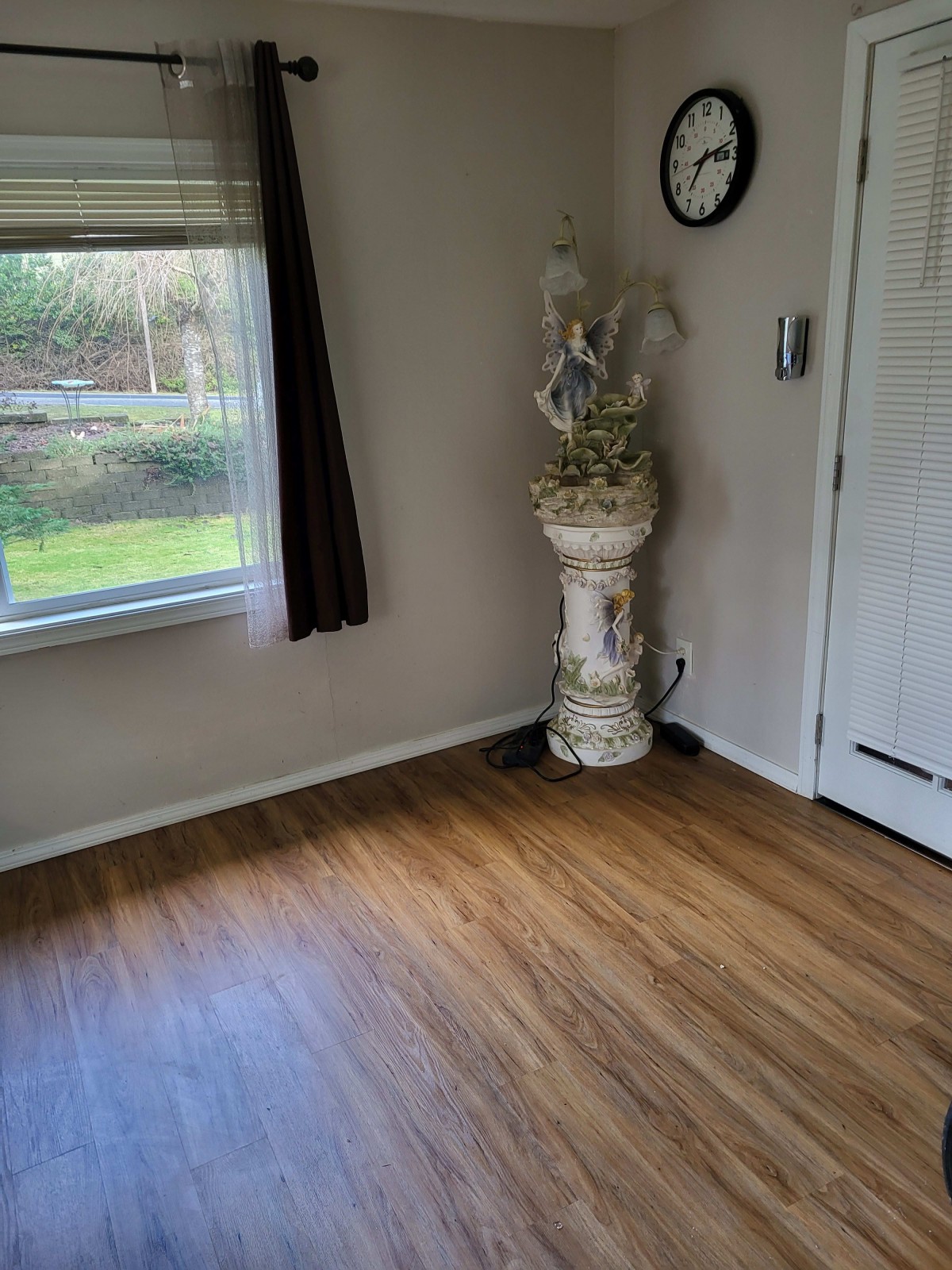
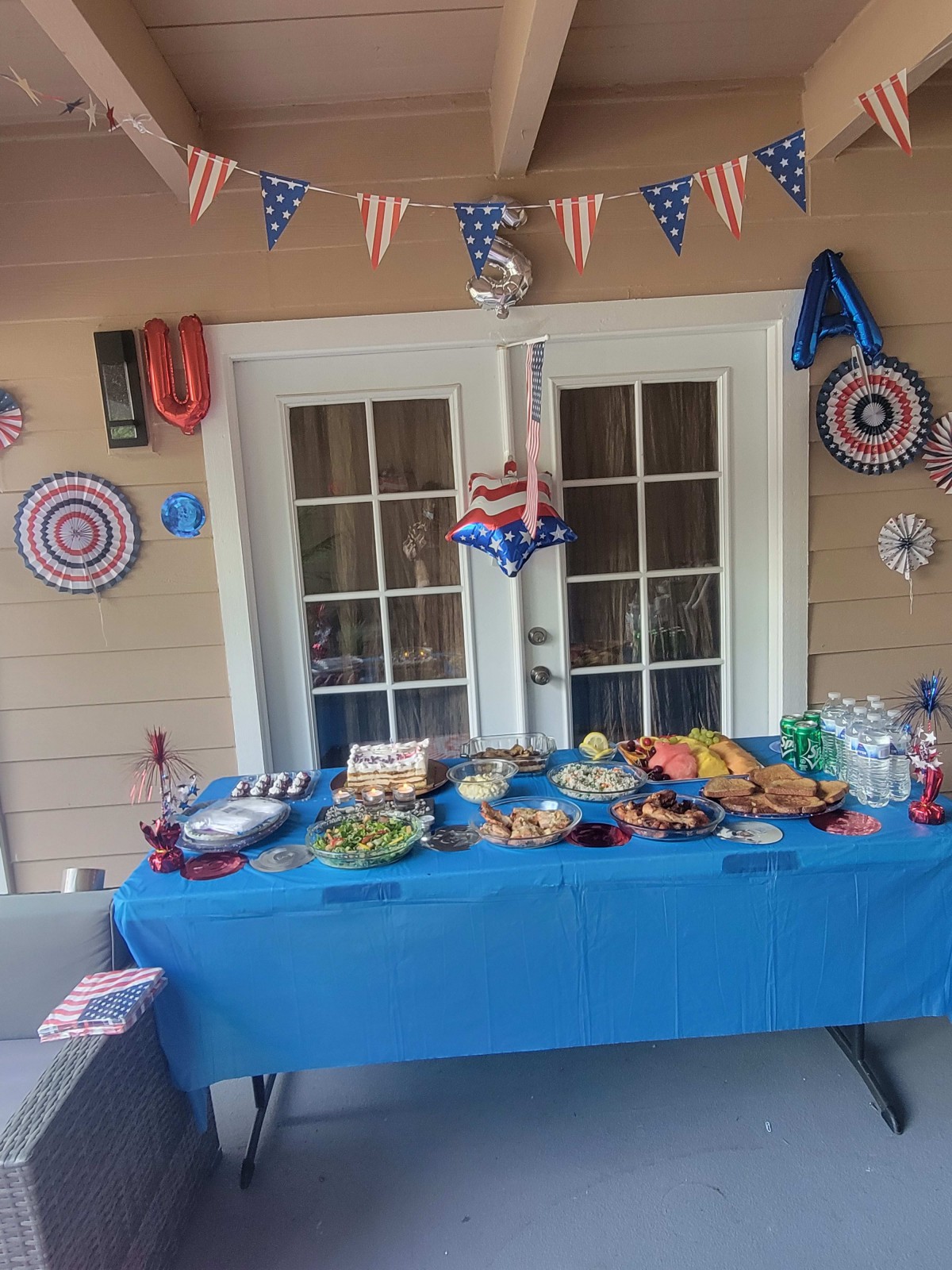
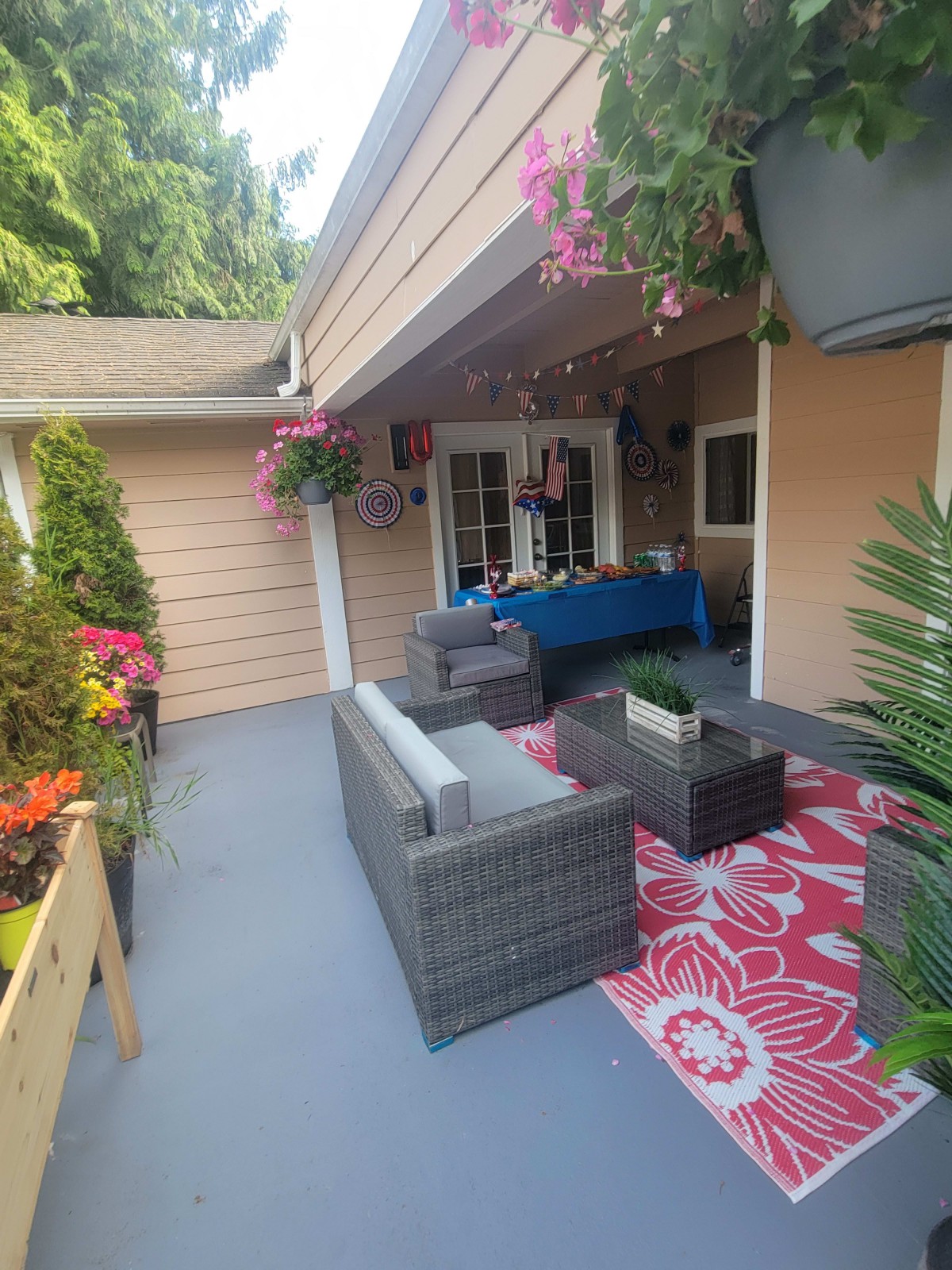
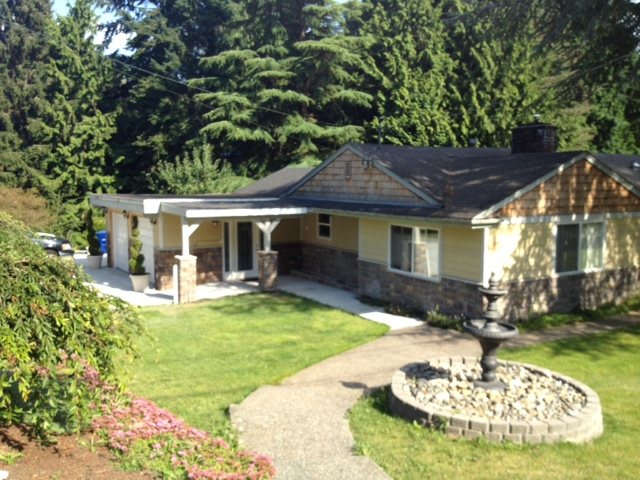
Creative Home Care AFH in Lake Forest Park is best suited for families seeking a small, intimate, home-like setting where an aging parent receives highly personalized, hands-on care from a stable, compassionate staff. This community shines for residents who value consistent caregiver relationships, a warm atmosphere, and ongoing family involvement. It is a good fit for seniors who do not require around-the-clock medical supervision but rely on attentive daily support, companionship, and help with routines. The residents benefit from a homelike environment, homemade meals, and a manager who is accessible and engaged. The low-key, intimate scale supports frequent family visits and easy access to the owner and care team, enabling parents to feel seen and valued each day.
Those who may wish to consider alternatives are families prioritizing high-level medical oversight, expansive campus amenities, or formalized social programming. For residents with complex mobility issues or memory-care needs, a larger assisted-living community or a dedicated memory-care environment may deliver the structure and nurse staffing necessary for ongoing acuity. While the reviews celebrate warmth and personal attention, the trade-off is a quieter, single-family-home vibe that can feel sparse for those expecting a bustling calendar or robust clinical services. If independence is waning rapidly and the care plan requires regular 24/7 skilled nursing, options designed for higher acuity should be explored.
Pros that consistently surface include a loving, kind, and responsive staff; a clean, orderly environment; and homemade meals that contribute to daily comfort. Families repeatedly note personalized attention, easy access to the owner and director, and a willingness to integrate hospice care when needed. The proximity to family and a close-knit culture also provide emotional reassurance during transitions. These strengths tilt the balance toward choosing this AFH when emotional well-being and daily warmth are top priorities. The main drawbacks are relatively modest: at least one reviewer described the food as mediocre and suggested more fruit, and the setting naturally lacks the scale and offerings of larger facilities. Still, the upsides frequently outweigh these small drawbacks for many residents.
Another clear advantage is practical medical collaboration. Care teams collaborate with visiting doctors and adjust plans to fit individual needs, delivering a level of medical responsiveness that residents and families value. The owner’s hands-on involvement during challenging moments, being willing to meet late at night to ensure a smooth placement and settling, speaks to an ethic of people-first care. The location is convenient for families, helping to reduce logistical stress. In short, this AFH offers not just caretaking but a trusted, guardian-angel presence during difficult transitions. The cost is often competitive with other small homes, yet the emotional return can be substantial.
To translate these strengths into a sound decision, verify a few practical points. Inquire about staffing ratios and shift coverage, the care-planning process, and how hospice or palliative services integrate with daily routines. Request sample menus and ask about meal flexibility if dietary variety matters. Review activity options, social engagement opportunities, and whether the environment supports independence as long as possible. Seek recent references and talk with families about staff consistency and turnover. Finally, assess accessibility to the owner or administrator and confirm placement timelines if a transition is needed. A structured visit with focused questions clarifies expectations and reduces uncertainty.
Overall, Creative Home Care AFH is a strong match for families prioritizing warmth, individualized attention, and an atmosphere that feels like home where care comes with emotional reassurance. It is less ideal for those requiring robust clinical oversight, high-acuity memory-care programming, or a bustling social calendar. For many, the strengths, compassionate staff, homemade meals, family-centered care, and flexible medical collaboration, clearly offset the few drawbacks. The recommended next step is a guided tour paired with candid discussions about care needs, meal options, and hospice involvement to confirm alignment. When the balance resonates, this community offers a dependable, intimate option that keeps loved ones comfortable, connected, and truly cared for.
 Board and Care Home
 Memory Care
 Cats allowed
 Dogs allowed
 Activities on-site
 Beautician on-site
 Devotional services on-site
 Indoor common areas
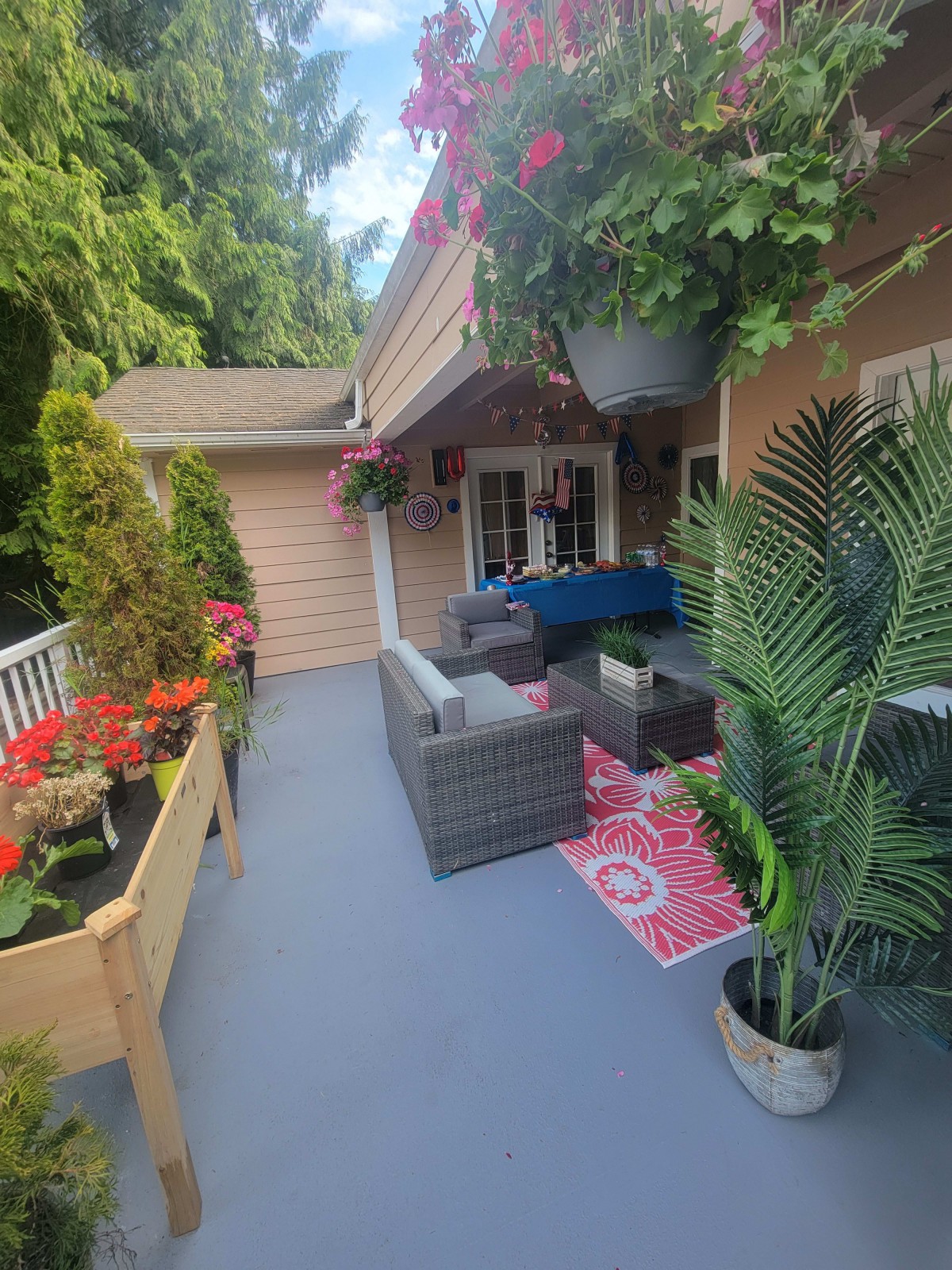
 Outdoor common areas
 Private
 Respite or short term stays offered
 Wheelchair accessible showers
 Seattle-Tacoma International (20 miles away)
 Diabetic care
 High acuity care
 Incontinence care
 Medication management
 Kosher
 How to Communicate with a Loved One Living with Dementia: 10 Supportive Strategies
 Comprehensive Guide to VA Nursing Homes: A Crucial Long-Term Care Resource for Veterans
 Estimating the Expenses of At-Home Dementia Care: A Detailed Exploration