
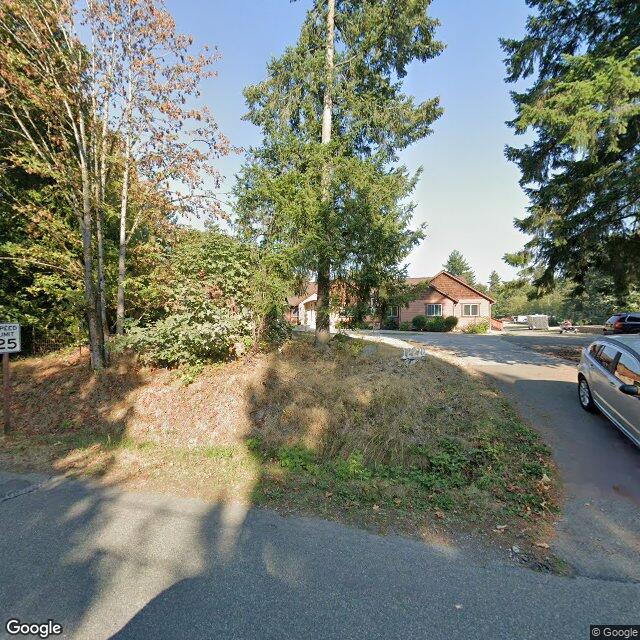
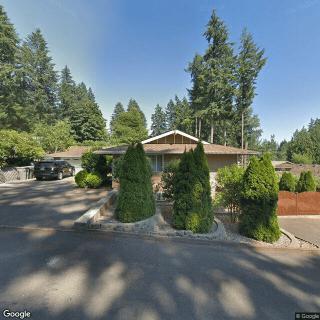
12210 176th Ave SE, Renton, WA 98059
To contact a resident: (206) 240-7630
For more information about senior living options: (866) 208-4318
May Valley Golden Age AFH Costs & Pricing
May Valley Golden Age Adult Family Home offers competitive pricing in the context of both King County and the broader Washington state landscape. For a private room, residents can expect to pay $7,000 per month, which is significantly higher than the county's average of $5,034 and the state average of $4,772. Similarly, for a one-bedroom unit, the cost mirrors that of a private room at $7,000 - again exceeding local and state averages ($5,127 for King County and $4,632 for Washington). While these costs may reflect a premium experience or specialized care at May Valley Golden Age AFH, prospective residents should weigh these figures against the range of services and quality of life enhancements offered by this facility.
| Floor plans | May Valley Golden Age AFH | King County | Washington |
|---|---|---|---|
| Private | $7,000 | $5,034 | $4,774 |
| 1 Bedroom | $7,000 | $5,127 | $4,634 |
Memory care communities with a similar price nearby
-
from -$500 / mo
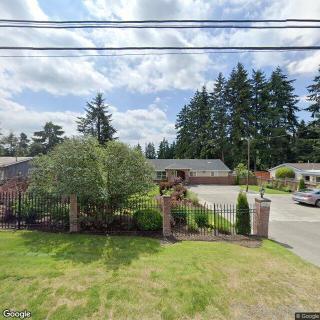
The Promised Land
$6,500 / month20.8 miles away -
from -$1000 / mo
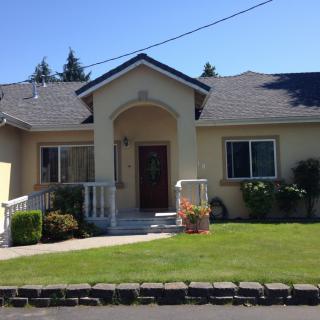
Elderly Home Care
$6,000 to $8,000 / month17.7 miles away -
from -$1250 / mo
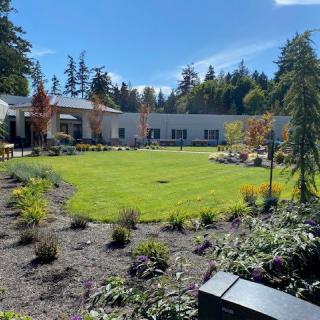
Fieldstone Rolling Bay and Fieldstone Memory Care
$5,750 to $8,895 / month21.9 miles away -
from +$900 / mo
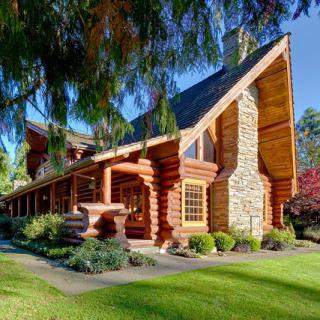
Caring Cabin Manager, LLC
$7,900 to $9,000 / month20.5 miles away -
from -$1000 / mo
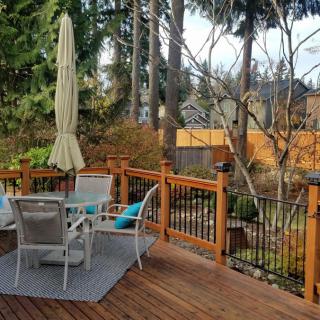
Blue Horizon Adult Family Home
$6,000 to $7,000 / month7.4 miles away
Overall Review of May Valley Golden Age AFH
Pros
 The home is wonderful and has loving, caring owners and staff.
- The staff and owners provide excellent care.
- They are very respectful and treat residents like family.
- It eases families' minds to see their loved ones are well taken care of.
- Families can visit anytime and stay as long as they wish.
- Even at the end, residents are treated with dignity, and the staff share in the family's sorrow.
Review
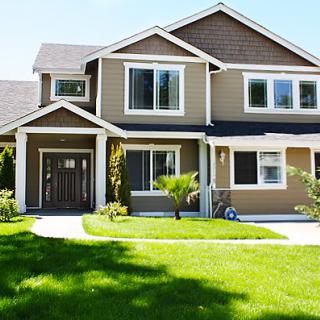
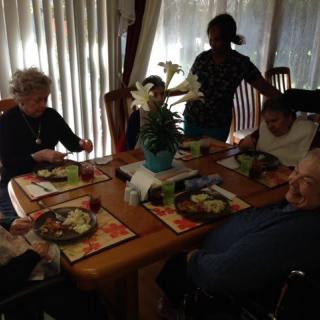
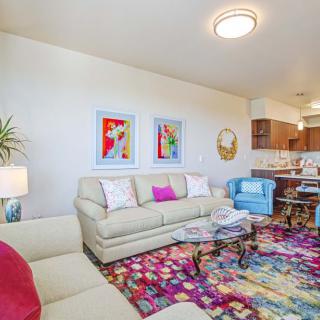
May Valley Golden Age AFH in Renton, WA, is best suited for families seeking a small, home-like assisted living where the resident is cared for as part of a close-knit household. This community shines for seniors who want personal attention, consistent warmth, and a calm, respectful atmosphere that feels like a family extension rather than a clinical setting. The right fit is a resident who values the dignity of daily interactions, meaningful visits from loved ones, and a home environment where staff know preferences, routines, and history. In short, this is where practical care and genuine compassion meet in a way that reduces the stress of transition for both resident and family.
Those who may want to consider alternatives are clear: if the priority is robust, around-the-clock medical oversight, memory-care security, or highly structured programming with extensive social schedules and transportation options, a larger community with formal clinical staff may be more appropriate. Families seeking a wide range of amenities, rigorous activity calendars, or specialized dementia services could find a bigger campus offers the level of resources they require. May Valley Golden Age AFH excels in intimate, personalized care, but this format naturally carries fewer on-site medical programs and fewer formal activities than larger facilities.
The strongest pro foundation here is the human element. Owners and staff are described as loving, caring, and deeply respectful, treating residents as if they were a grandmother. This translates into excellent, attentive care and a steady, reassuring presence that dominates daily life. The ability to visit anytime and the openness to the family’s involvement are more than conveniences; they are core to the experience, fostering trust and reducing worry for relatives. End-of-life care is delivered with dignity, and the staff’s emotional engagement, sharing in tears, offering solidarity, provides a level of reassurance that a clinical setting rarely matches. These advantages offset the typical constraints of a small, family-operated home by prioritizing genuine connection over procedural polish.
The narrative focus on dignity in care and family-inclusive practices is not incidental. It suggests a setting where residents are known intimately, and care decisions feel collaborative with loved ones. That approach often yields smoother transitions, less agitation for frail elders, and a steadier emotional climate for everyone involved. The upside is clear: a resident can thrive in a familiar, honoring routine, with staff who respond quickly to changing needs and who weave family input into daily care. The potential trade-offs, such as fewer formal activities or less access to medical specialties, are mitigated by the depth of relationship, consistent presence, and the comfort of a home-like schedule.
For families actively evaluating options, practical steps matter. Confirm the level of clinical oversight available on site and how medications are managed; inquire about staffing patterns, night coverage, and emergency protocols; and verify how memory-related needs would be addressed, should they arise. Plan a comprehensive visit to observe how residents interact with owners and staff, how the home handles meals and mobility support, and whether the environment aligns with the resident’s preferences for autonomy and privacy. Ask for transparent references about end-of-life care and the comfort level of staff with difficult conversations, so the anticipated emotional climate matches expectations.
In the end, May Valley Golden Age AFH represents a compelling choice for families prioritizing intimate, compassionate, and dignity-centered care in a home atmosphere. It is a strong match for seniors who thrive on personal attention, easy visiting, and the sense that care is embedded in daily life rather than separated into clinical routines. If such an environment aligns with the resident’s needs and the family’s goals, the community offers exceptional peace of mind and a compelling quality of life. For those whose requirements include extensive medical services, dementia-specific programming, or a broader array of on-site amenities, exploring larger, more medically oriented options may be warranted.
 Board and Care Home
 Memory Care
 Activities on-site
 Air-conditioning
 Bath tubs
 Beautician on-site
 Devotional services off-site
 Ground floor units
 Handicap accessible
 Indoor common areas
 Outdoor common areas
 Private
 Private bathrooms
 Respite or short term stays offered
 Wheelchair accessible showers
 Wi-Fi/high-speed internet available
 Seattle-Tacoma International (10 miles away)
 Diabetic care
 High acuity care
 Incontinence care
 Medication management
 Low / no sodium
 BBQs or picnics
 Birthday parties
 Catholic services
 Jewish services
 Sensory-based programs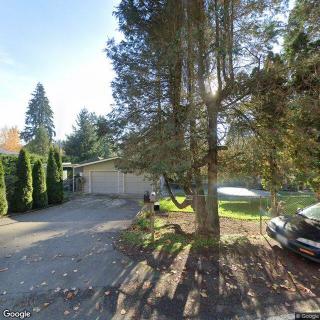

 Comprehensive Insights on the Late Stages of Dementia: What to Expect and How to Provide Care
 Medications Associated with Dementia Risk: A Comprehensive Overview
 Guiding Your Journey: Understanding Power of Attorney for Elderly Parents