
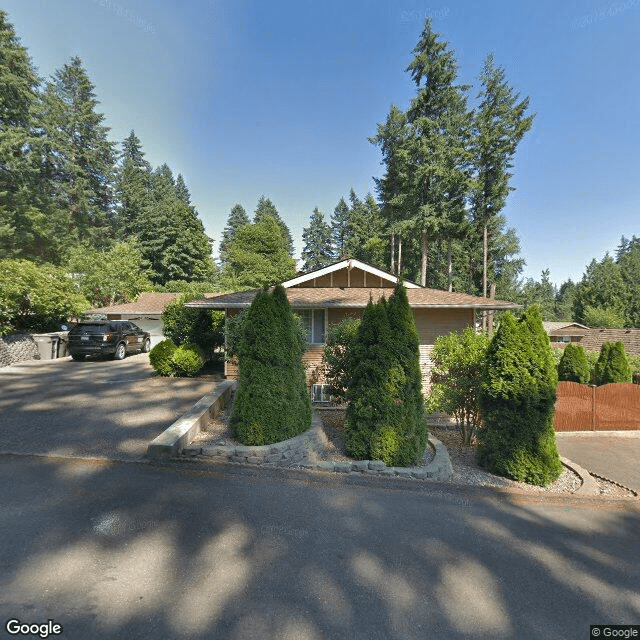
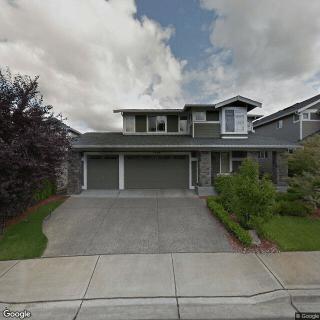
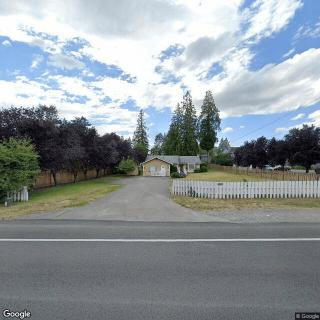
14406 164 PL SE, Renton, WA 98059
To contact a resident: (425) 271-4018
For more information about senior living options: (866) 208-4318
Mariana's AFH Inc. Costs & Pricing
Mariana's AFH Inc. offers a range of room types with pricing that reflects the quality and personalized care provided within the facility. For semi-private accommodations, the cost is $4,387 per month, which is slightly lower than the county's average of $4,430, while remaining competitively priced against the state average of $4,267. Moving to private rooms, residents can expect to pay between $5,264 and $7,000 monthly; this falls above both King County's average rate of $5,034 and Washington state's typical cost of $4,772. Studio apartments at Mariana's are priced at $5,703 - considerably higher than county averages ($4,464) and the state average ($4,126). Lastly, for those seeking one-bedroom units, Mariana's rate of $7,000 stands out as significantly higher than both King County's average of $5,127 and Washington's overall average of $4,632. Overall, while some rates for specific room types exceed local and state averages, they reflect a commitment to providing exceptional care in a nurturing environment.
| Floor plans | Mariana's AFH Inc. | King County | Washington |
|---|---|---|---|
| Semi-Private | $4,387 | $4,430 | $4,272 |
| Private | $5,264 to $7,000 | $5,034 | $4,774 |
| Studio | $5,703 | $4,464 | $4,128 |
| 1 Bedroom | $7,000 | $5,127 | $4,634 |
Memory care communities with a similar price nearby
-
from -$387 / mo

Riverton Home Care
$4,000 to $5,000 / month8.0 miles away -
from -$387 / mo
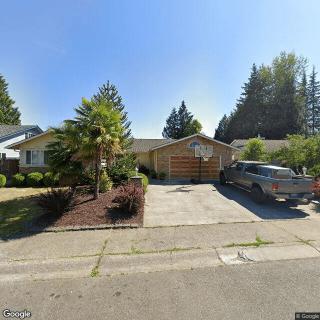
Gentle Care Home
$4,000 to $5,500 / month1.6 miles away -
from +$613 / mo

Peace and Pleasant Care Adult Family Home II
$5,000 to $6,000 / month8.6 miles away -
About the same
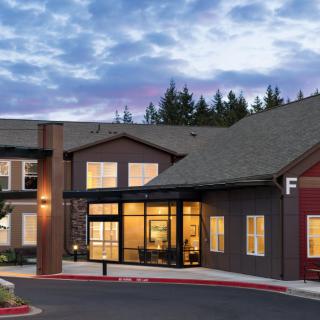
Penrose Harbor at Heron's Key
$4,305 to $7,332 / month24.0 miles away -
About the same
A Serenity AFH
$4,500 to $6,000 / month12.7 miles away
Overall Review of Mariana's AFH Inc.
Pros
 They are happy with the level of care and attention at Mariana’s AFH.
- The caregivers address her physical and emotional needs and support her to do as much as she can despite her advanced dementia.
- Their stress level has decreased since they know their loved one is safe and well cared for.
- The staff at Mariana’s AFH are amazing people.
Review
Mariana’s AFH Inc. in Renton, WA is best suited for families seeking a highly personalized, home-like living arrangement for a loved one with advanced dementia who benefits from intimate daily oversight and strong safety all day, every day. This community shines when care is measured more by relationship, responsiveness, and consistent hands-on attention than by a sprawling menu of institutional services. It is the kind of setting where staff can form continuing, meaningful connections with both resident and family, adapting routines and supports to the person’s evolving abilities while preserving dignity and comfort.
Those evaluating alternatives should note that Mariana’s AFH Inc. may not be the right fit for residents requiring robust, 24/7 medical oversight within a larger campus, or for families seeking a wide array of formal programs, specialized departments, or extensive on-site amenities. Bigger memory-care communities or traditional assisted-living facilities often emphasize structured activities, on-site clinicians, and broader social ecosystems. If a resident’s needs extend beyond daily supervision and emotional enrichment into complex medical management or highly diversified programming, exploring larger or more medically oriented options would be prudent.
The strongest pro of this community, as reflected in the family experiences shared, is a level of care and attention that remains steady and personal. Caregivers address both physical and emotional needs with a calm, proactive approach, and they support residents to do as much as possible. That combination, preserving autonomy wherever feasible while ensuring safety, creates a sense of trust that resonates with families. The close-knit, “small-house” atmosphere translates into visible, ongoing reassurance for relatives who worry about safety, routine, and the emotional climate in which their loved one lives.
Where a potential trade-off could appear, the reviews imply a low-key, intimate setting rather than a high-volume, service-rich environment. Yet that is not framed as a drawback by the families; instead, it is a defining feature that underpins the core strength: stability, familiarity, and reliable, attentive presence. The main takeaway is that the pros, personalized attention, steady caregiving, and the emotional reassurance they bring, offer a meaningful offset to the absence of a broader institutional footprint. For families prioritizing continuous human connection and vigilant daily care, the benefits far exceed the potential limitations of a smaller operation.
For families weighing this option, practical next steps matter. Confirm that staffing levels and schedules support consistent caregivers who can build a genuine rapport with the resident. Review the care plan for dementia-specific strategies, daily routines, and how responsiveness to evolving needs is documented and updated. Ask about how emotions, mood changes, and safety concerns are monitored, and who is accountable when adjustments are needed. Observe how staff interact with the resident during a visit, and solicit direct feedback from current families about continuity of care and communication. These checks help ensure the warmth described in the reviews translates into dependable day-to-day reality.
In the final assessment, Mariana’s AFH Inc. stands out for families seeking a compassionate, tightly knit environment where a loved one with advanced dementia can receive attentive, personalized care and clear reassurance about safety. It is particularly compelling for those who value meaningful daily engagement, emotional support, and a steady, caregiver-driven routine over a larger, more impersonal setting. If the priority is consistent human connection and the tailored, hands-on care that can grow with a resident’s changing needs, Mariana’s AFH Inc. deserves strong consideration; if the priority is expansive medical oversight, aggressive programming, or a wide spectrum of on-site amenities, alternatives in larger facilities may be worth evaluating.
 Board and Care Home
 Memory Care
 Activities off-site
 Air-conditioning
 Beautician on-site
 Cable or satellite TV
 Devotional services off-site
 Ground floor units
 Indoor common areas
 Outdoor common areas
 Private
 Private bathrooms
 Respite or short term stays offered
 Wheelchair accessible showers
 Wi-Fi/high-speed internet available
 Seattle-Tacoma International (9 miles away)
 Diabetic care
 High acuity care
 Incontinence care
 Medication management
 Anytime dining
 BBQs or picnics
 Birthday parties
 Live dance or theater performances
 Live musical performances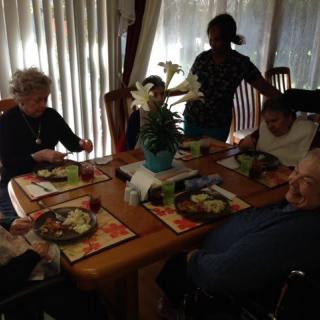
 When to Transition from Assisted Living to Memory Care: Key Indicators, Steps, and Finding the Right Community
 Understanding the Distinctions: Assisted Living and Memory Care Explained
 How to Communicate with a Loved One Living with Dementia: 10 Supportive Strategies