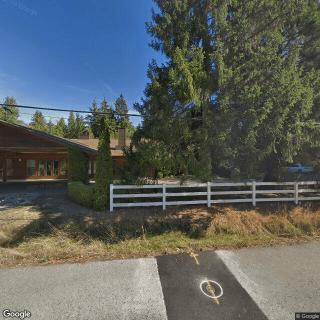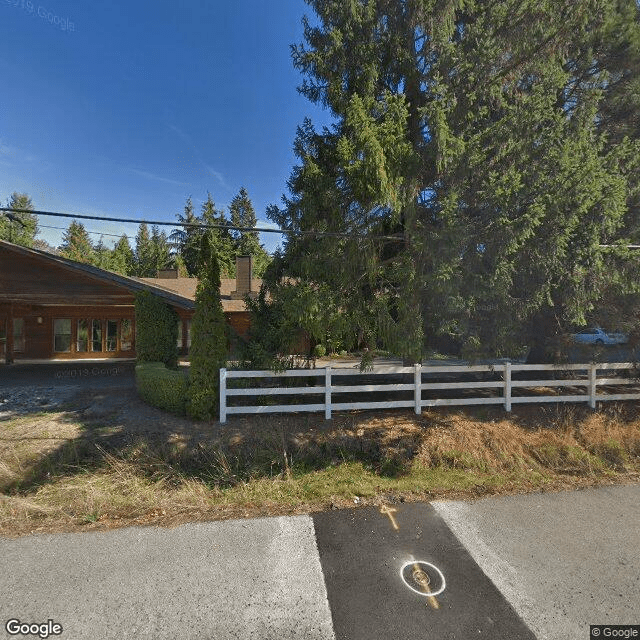
8720 208th Ave NE, Redmond, WA 98053
To contact a resident: (206) 919-1367
For more information about senior living options: (866) 208-4318
Union Hill Country Estates Costs & Pricing
At Union Hill Country Estates, the monthly costs for accommodation are set at $5,500 for both private rooms and one-bedroom units. This pricing positions it above the average costs in King County, where similar arrangements are priced at approximately $5,034 for private rooms and $5,127 for one-bedroom options. When compared to the broader state of Washington, where the averages drop further to about $4,772 for private rooms and around $4,632 for one-bedroom accommodations, Union Hill Country Estates offers a premium living experience that can be justified by its distinctive amenities, personalized services, and overall community atmosphere. While the costs are higher than those in both the county and state averages, they reflect a commitment to quality and care that residents can expect from this esteemed facility.
| Floor plans | Union Hill Country Estates | King County | Washington |
|---|---|---|---|
| Private | $5,500 | $5,034 | $4,774 |
| 1 Bedroom | $5,500 | $5,127 | $4,634 |
Memory care communities with a similar price nearby
-
from +$1000 / mo
The Promised Land
$6,500 / month13.9 miles away -
from +$500 / mo
Home Away From Home LLC
$6,000 to $7,000 / month20.7 miles away -
from +$500 / mo
Elderly Home Care
$6,000 to $8,000 / month11.2 miles away -
from +$250 / mo

Fieldstone Rolling Bay and Fieldstone Memory Care
$5,750 to $8,895 / month20.7 miles away -
from +$500 / mo
Blue Horizon Adult Family Home
$6,000 to $7,000 / month15.1 miles away
Overall Review of Union Hill Country Estates
Pros
 It was well organized.
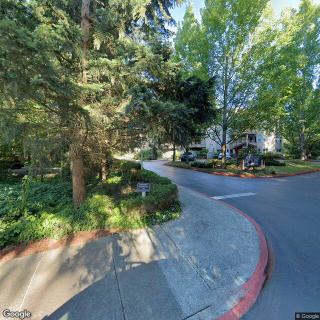
- The woodsy setting was great.
Cons
 The director could have been a little warmer.
- The director did not ever ask the reviewer to sit down to talk.
- The director was very matter-of-fact.
- The director was very concerned about how much money there was.
Review
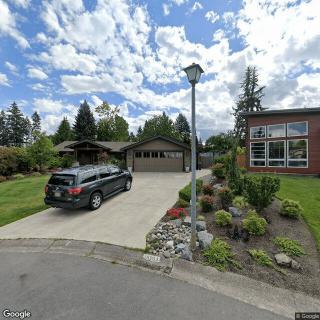
Union Hill Country Estates in Redmond is best suited for families and future residents who prize predictability, structured processes, and a woodsy, quietly serene setting over a warm, highly personalized onboarding. The community presents as well organized with clear transitions and a straightforward path to moving in. It works well for those who want frank, finance-forward conversations and a plan that can be relied upon, even if the initial greeting is not especially warm. People seeking a banner sales pitch or an overtly relational welcome may be disappointed. In short, practical buyers who value cost clarity and dependable operations will feel most comfortable here.
Those who crave a more relational onboarding should consider alternatives. If a genuinely warm, highly engaged introduction with leaders who invite conversation about care planning is nonnegotiable, other options will likely serve better. Families concerned about social atmosphere and ongoing reassurance as needs evolve may prefer communities that emphasize person-centered tours and collaborative planning sessions rather than a brisk, businesslike approach. For long-term budgeting, look for providers offering clearer, longer-term care projections or packages that feel less transactional from the outset.
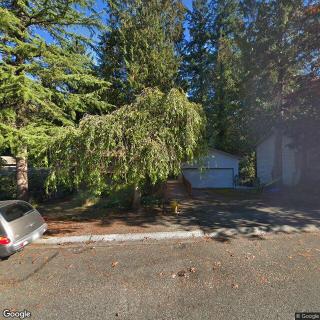
On the upside, the facility’s organization is a meaningful strength. A well-ordered operation translates into predictable routines, clear expectations, and smoother transitions during move-in and routine care. The woodsy setting is a notable asset, contributing to a calmer daily environment and opportunities for outdoor activity, which can bolster mood and engagement. Financial transparency emerges as a distinct advantage: in the described interactions, the director addressed exactly how much money remains, a blunt, no-nonsense stance that helps families map real feasibility and avoid overcommitting. For families prioritizing budget discipline, these elements carry real weight.
The most evident drawbacks are also substantial. A perceived lack of warmth from leadership can undermine initial trust, especially at the crucial decision-making stage. The described approach, as matter-of-fact and not inviting to sit down for a longer discussion, suggests a transactional onboarding that may leave some feeling adrift when personal comfort and reassurance are needed. The emphasis on “how much money is left” rather than broader, long-term care planning could overshadow questions about staffing, service levels, and how care will adapt as needs change. That dynamic can create a mismatch for residents who want emotional security alongside financial transparency.
Despite these concerns, the pros can offset many risks for the right buyer. Reliability, safety, and predictability matter greatly when transitioning to assisted living, and Union Hill Country Estates delivers in these areas. A clear financial posture helps families build realistic budgets and minimizes the chance of unexpected bills or hidden costs, which is invaluable. The woodsy ambiance supports a higher quality of life for many residents, contributing to daily satisfaction even when staff warmth isn’t the facility’s strongest suit. For those with solid financial literacy and a preference for concrete plans, this combination can provide a sturdy, dependable home-base.
To move forward confidently, pursue a targeted, cost-focused discussion while probing for care-planning specifics. Request a personalized long-term spend-down projection and a formal, itemized statement of what is included in monthly fees (meals, activities, transportation, care coordination, staffing ratios). Ask to meet additional staff who handle resident relations to gauge warmth and responsiveness, and insist on a sit-down meeting that feels less rushed. Compare these findings with communities touting stronger hospitality and collaborative intake processes to determine which balance, cost clarity or relational onboarding, best matches the family’s priorities. Union Hill Country Estates stands as a practical, financially transparent option in a tranquil setting, ideal for decision-makers who value certainty and cost management over a more emotive initial encounter.
 Board and Care Home
 Memory Care
 Cats allowed
 Dogs allowed
 Activities off-site
 Beautician on-site
 Devotional services on-site
 Indoor common areas
 Outdoor common areas
 Private
 Private bathrooms
 Respite or short term stays offered
 Wheelchair accessible showers
 Seattle-Tacoma International (16 miles away)
 Diabetic care
 High acuity care
 Incontinence care
 Medication management
 Kosher

 Comprehending Evening Confusion in Dementia: Causes, Manifestations, and Support
 Delirium and Dementia: Unraveling the Key Differences
 Are Dementia and Alzheimer's Disease Lethal? A Comprehensive Exploration