
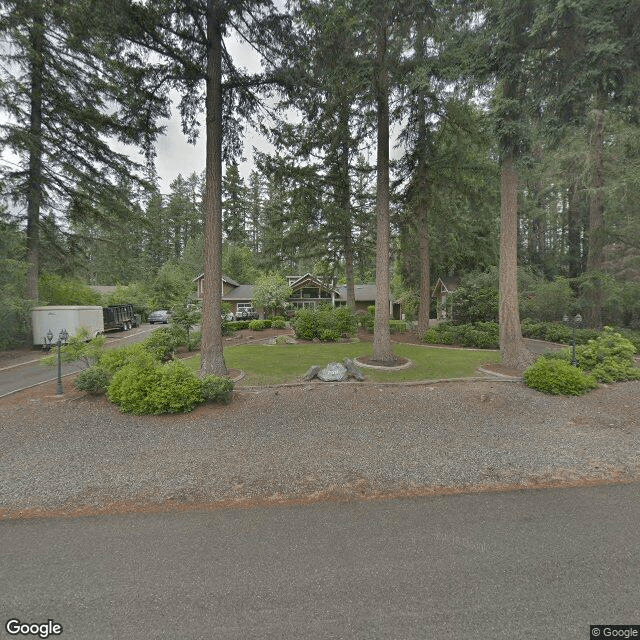
21514 NE 6th PL, Sammamish, WA 98074
To contact a resident: (206) 349-5956
For more information about senior living options: (866) 208-4318
Tiburon Estates AFH Costs & Pricing
Tiburon Estates AFH offers competitive pricing in comparison to both King County and the broader Washington state averages. With monthly costs for a private room and a one-bedroom unit set at $4,500, Tiburon Estates provides an appealing option for individuals seeking quality care without the higher price tag associated with other facilities in the region. In contrast, King County residents typically face costs of $5,034 for a private room and $5,127 for a one-bedroom unit, reflecting premiums often found in urban settings. Even when assessing statewide averages, Tiburon Estates remains attractive; the state average for a private room is approximately $4,772 and $4,632 for a one-bedroom. This positions Tiburon Estates AFH as both an economical and desirable alternative within the local senior care market.
| Floor plans | Tiburon Estates AFH | King County | Washington |
|---|---|---|---|
| Private | $4,500 | $5,034 | $4,774 |
| 1 Bedroom | $4,500 | $5,127 | $4,634 |
Memory care communities with a similar price nearby
-
from -$500 / mo

Riverton Home Care
$4,000 to $5,000 / month14.7 miles away -
from -$500 / mo
Gentle Care Home
$4,000 to $5,500 / month11.9 miles away -
About the same
We Care Adult Family Home
$4,500 to $8,000 / month24.3 miles away -
from +$500 / mo

Peace and Pleasant Care Adult Family Home II
$5,000 to $6,000 / month18.2 miles away -
About the same
A Serenity AFH
$4,500 to $6,000 / month23.0 miles away
Overall Review of Tiburon Estates AFH
Pros
 The facility is caring for residents and their families with no problems reported.
- The staff are wonderful at communicating with residents and their families.
- They can communicate directly with the Doctor by Fax.
- The community is small, with only six residents.
- The owners cook all of the food, and the meals are enjoyed by the residents.
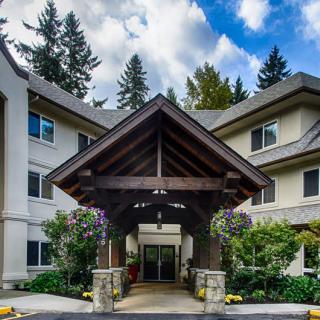
- The facility is very well kept and is a single-story building.
- The people are described as loving and caring.
Review
Tiburon Estates AFH in Sammamish is best suited for seniors who want a tightly run, home-like atmosphere where care feels personal and predictable. The six-resident footprint creates a close-knit feel, with owners who personally cook meals and a staff that communicates with families promptly. The setting is one-story and well maintained, reducing accessibility concerns and creating a safe, navigable environment. This is particularly appealing to couples who wish to stay together or individuals who want to know every caregiver by name and see familiar faces every day. In short, the community functions as a small, caring family-style home rather than a large, institution-style operation. The overall experience rests on responsive communication and a warm, hands-on approach to daily living.
However, Tiburon Estates AFH may not meet needs that hinge on robust programming or wide medical access. Those seeking a bustling activity calendar, social opportunities with a larger peer group, or on-site rehab and nursing oversight will likely find the offerings insufficient. Families relying on transportation services, variable meal plans, or a broad roster of activities may discover the options too limited. The intimate home model excels in warmth and attentiveness but can feel sparse for residents who require structured schedules or rapid access to a larger medical team.
Key advantages, the intimate resident-to-staff ratio, direct family communication, and quick doctor accessibility, translate into timely responses and proactive care. Home-cooked meals prepared by the owners are not merely nutritious; they offer emotional reassurance, reinforce daily routines, and reduce the stress of mealtime decisions. A clean, well-kept, one-story building supported by seasoned, loving staff creates a sanctuary where daily life feels manageable and predictable. These strengths partly offset the lack of breadth in programming because the care becomes highly individualized; where bigger communities drown residents in noise, Tiburon Estates AFH delivers quiet reliability and a sense of belonging.
Yet there are meaningful tradeoffs to weigh. With only six residents, social opportunities naturally shrink, and group activities may be sparse unless family involvement or staff-led small gatherings fill the day. Dietary variety may hinge on the owners’ menu preferences, which can limit accommodations for special diets or culinary tastes. The scale also implies potential gaps if staff travel, fall ill, or require time off, so clear expectations about coverage and backup plans matter. If medical needs escalate, the absence of a large on-site medical team may slow escalations or complicate transitions to higher levels of care, a dynamic families should confirm upfront.
For families evaluating Tiburon Estates AFH, verification of practical details becomes crucial. Probe staffing patterns, how many caregivers are present during peak hours and who covers evenings and weekends. Seek clarity on meal options, nutritional needs, and flexibility in the menu. Confirm how medical communications function beyond fax, including any on-call protocols or electronic updates that accelerate physician input. Explore the availability of social activities, out-of-house excursions, respite care, and the process for negotiating a move to a more comprehensive setting if needs shift. These practicalities determine whether the intimate environment remains an enduring benefit as care requirements evolve.
Overall, Tiburon Estates AFH stands out as a compelling choice for families prioritizing intimate, attentive care, strong, direct communication, and comfortable, home-cooked meals. It delivers peace of mind through hands-on caregiving in a small, well-maintained, low-stimulation setting. For residents who require more social engagement, diverse programming, or robust medical oversight, alternatives with larger staffs and broader services should be explored. The two 5-star reviews underscore reliability and warmth; use that as a baseline, but conduct due diligence on staffing continuity, menu flexibility, and medical pathways to ensure the setting will continue to feel like a secure, welcoming home as needs change.
 Board and Care Home
 Memory Care
 Activities off-site
 Beautician on-site
 Indoor common areas
 Outdoor common areas
 Private
 Respite or short term stays offered
 Swimming pool / hot tub
 Wheelchair accessible showers
 Seattle-Tacoma International (17 miles away)
 Ambulatory care
 Diabetic care
 High acuity care
 Incontinence care
 Medication management
 Meals provided
 Christian services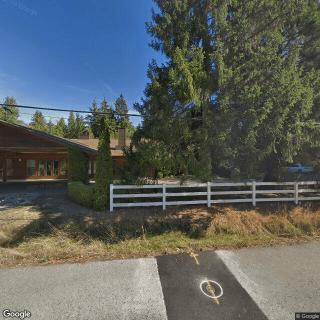
 Memory Care Pathways: A Holistic Guide to Dementia Support
 Comprehending Evening Confusion in Dementia: Causes, Manifestations, and Support
 Delirium and Dementia: Unraveling the Key Differences