
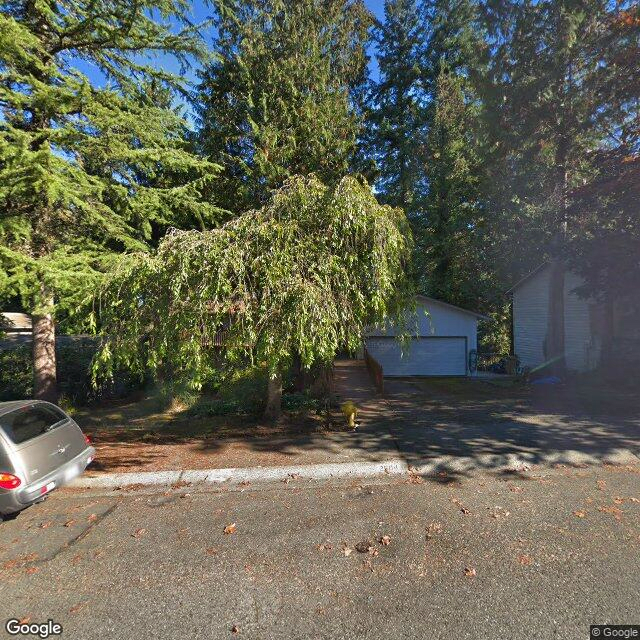
2604 - 186th Ave. N.E., Redmend, WA 98052
To contact a resident: (425) 861-9963
For more information about senior living options: (866) 208-4318
Overall Review of Faith and Hope Adult Family Home
Pros
 The reviews describe it as the best adult family home in the Redmond area, highlighting Marian and Naomi as caring and professional.
- Redmond’s Heart is described as a blessing, with a cozy, home-like environment and staff who treat residents like family, plus delicious home-cooked meals daily.
- The home is presented as a place where residents are truly cared for; caregivers greet residents and assist, with Marian and Naomi described as kind and respectful.
- The owners are described as amazing, skilled, attentive, and passionate, with caregivers who are proactive and treat residents as their own family.
- The home is described as run by angels, and reviewers note it would be a fortunate place for a parent.
- The home is said to have been built with love, with ongoing expansion, and a waitlist for admission.
- Staff are described as giving daily hugs, engaging residents, ensuring they stay active, and celebrating holidays with outdoor barbecues when possible.
- A reviewer notes improved mood and skin health for a stroke/dementia resident since moving in.
Review
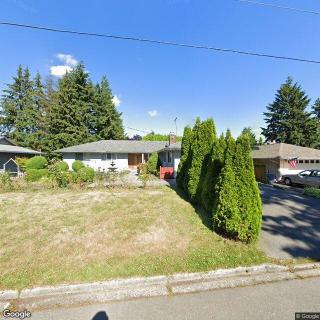
Faith and Hope Adult Family Home in Redmond, WA is best suited for families seeking a warm, home-like setting where a loved one receives highly personalized attention, daily engagement, and meals that feel cooked with care. The home is clearly run with hands-on commitment from Marian and Naomi, whose approach blends professional standards with a familial, respectful atmosphere. Residents are greeted warmly, treated with dignity, and encouraged to participate in everyday life rather than sit passively in a facility routine. This is not a sterile institutional environment; it is a small, intimate setting where caregivers know residents by name and almost treat the home as an extension of their own family.
Those evaluating alternatives should consider that Faith and Hope operates on the strengths and limitations of a small Adult Family Home. Families needing constant, on-site nursing supervision, highly structured activity calendars, or extensive medical therapies may prefer a larger assisted living or a dedicated memory-care community. The intimate scale may also mean fewer on-site specialists and fewer formal programs than bigger facilities. If transportation logistics, 24/7 medical oversight, or a broader menu of therapeutic services are priorities, it is prudent to compare options with facilities designed to provide those supports.
The strongest positives here are the human relationships and immediate, proactive care. Marian and Naomi are repeatedly described as compassionate, skilled, and truly invested in residents’ well-being. The environment feels like home because the owners are visibly involved, from daily greetings to hands-on help with routines, creating a sense of safety and belonging. Food is highlighted as a standout, with home-cooked meals and desserts every day, which supports overall health and mood. The staff treats residents as individuals, engaging them in meaningful activities and celebrations, which translates into tangible improvements in daily happiness and social connection.
There are clearly meaningful downsides to acknowledge, even amid abundant praise. The small, family-run format can translate into fewer available on-site professionals and a more variable level of formal oversight than larger communities. The current expansion of square footage signals growth but also suggests transitional periods while the home scales up. For families prioritizing extensive therapy services, highly structured schedules, or a wide array of on-site medical resources, these factors could feel limiting compared with larger campuses. Such considerations should be weighed against the extraordinary warmth and attentiveness that define Faith and Hope.
Yet the pros offset most potential downsides in practical, observable ways. The intimate staff-to-resident dynamic enables rapid problem-solving, very personalized care plans, and a level of attentiveness that is hard to match in bigger settings. The ownership’s hands-on involvement reduces the risk of gaps in care and fosters consistent communication with families and health-care partners. The emotional and social benefits, regular engagement, holiday celebrations, outdoor barbecues when possible, and the simple joy reflected in a resident’s smile, provide a level of well-being that often surpasses what larger facilities deliver in day-to-day life. If a family’s priority is a nurturing home atmosphere where care staff feel like extended family, Faith and Hope delivers.
The bottom-line recommendation is clear: schedule a tour and see if the family-run, home-style model aligns with the loved one’s needs and personality. It is an excellent match for residents who thrive on daily companionship, hands-on caregiving, and a comforting sense of belonging. For those requiring advanced medical oversight or a more formalized program, it is wise to explore alternatives with stronger on-site nursing coverage or broader activity offerings. When evaluating Faith and Hope, ask about caregiver-to-resident ratios by shift, the exact range of medical supports available on-site, how dementia-appropriate programming is implemented, dining options, and how the expansion plans will affect continuity of care. If securing a place in a warmly attended, proactively run home matters, this setting deserves serious consideration, and securing a spot early, given its growing capacity, can be a prudent move.
 Board and Care Home
 Seattle-Tacoma International (16 miles away)

 Exploring Nonmedical Home Care: Understanding Services, Costs, and Financial Approaches
 Engaging Brain Games and Innovative Apps to Keep Senior Minds Active
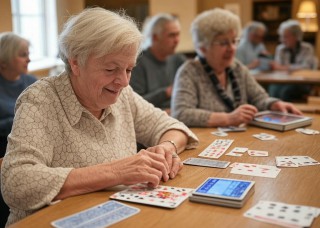 Effective Strategies for Keeping Seniors' Minds Active: A Deep Dive into Brain Games and Apps