
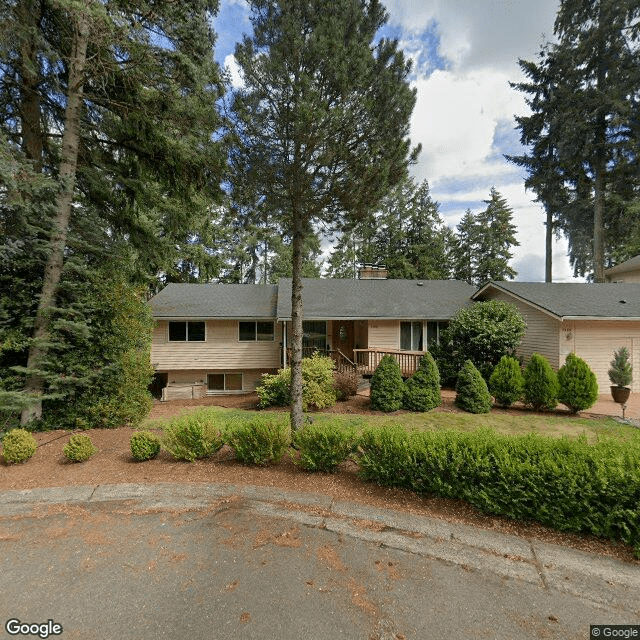
3408 181st Place Northeast, Redmond, WA 98052
To contact a resident: (206) 696-1915
For more information about senior living options: (866) 208-4318
Sammamish Lakeview Costs & Pricing
Sammamish Lakeview offers competitive pricing for its accommodations compared to both King County and the broader Washington state. For semi-private rooms, residents can expect to pay $3,750 per month, which is notably lower than the county average of $4,430 and the state average of $4,267. Private rooms at Sammamish Lakeview are also attractively priced at $4,500, again undercutting the local market rates of $5,034 in King County and $4,772 statewide. This strategic pricing positions Sammamish Lakeview as a cost-effective choice for those seeking quality living arrangements without compromising on care or community engagement.
| Floor plans | Sammamish Lakeview | King County | Washington |
|---|---|---|---|
| Semi-Private | $3,750 | $4,430 | $4,272 |
| Private | $4,500 | $5,034 | $4,774 |
Senior living communities with a similar price nearby
-
from -$250 / mo
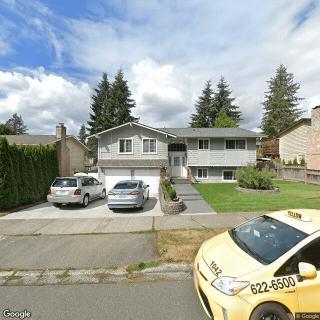
Dignity Life
$3,500 / month14.6 miles away -
from -$375 / mo
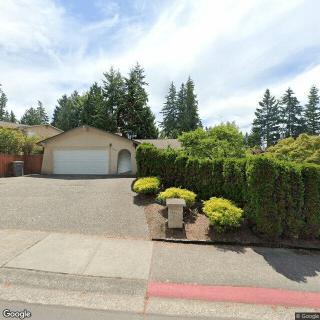
Evergreen Manor Senior Care Inc
$3,375 to $7,500 / month5.1 miles away -
from +$250 / mo
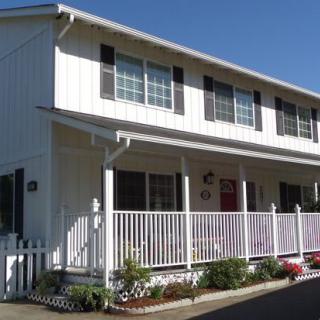
Meadow Crest Senior Home
$4,000 to $6,000 / month9.9 miles away -
from +$250 / mo

Riverton Home Care
$4,000 to $5,000 / month14.4 miles away -
from +$250 / mo
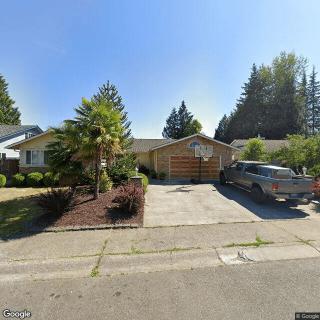
Gentle Care Home
$4,000 to $5,500 / month13.1 miles away
Overall Review of Sammamish Lakeview
Pros
 The place was nice.
Cons
 The setup of this community was not like the one they intended to choose.
- The place did not meet her mother's needs.
Review
Sammamish Lakeview in Redmond is best suited for families prioritizing a pleasant, well-maintained environment with meaningful caregiver presence, provided the care model and layout align with their loved one’s needs. The community’s appeal rests in its inviting atmosphere and general quality, making it a viable option for residents who do not require highly specialized care or an exact match to a specific floor-plan they have in mind. For families that can tolerate some variation from their envisioned setup, this location offers a solid daily living experience with accessible services and a warm, home-like feel.
Those who may want to consider alternatives are clear: if the arrangement of the space, the flow of common areas, or the precise care model matters as a non-negotiable, another community could be a better fit. In particular, when a loved one requires a highly specific layout, a particular routine, or a certain approach to memory care and staff engagement, the mismatch that reviewers highlighted, the setup not being what was expected and care needs not fully aligned, can become a decisive obstacle. For families with very particular expectations about how care should be delivered, exploring options with a closer match is prudent.
The key pros here revolve around environment and staffing dynamics. The facility itself is described as nice, clean, and well-maintained, which supports daily comfort and safety. A notable factor in the decision process is the staffing picture; caregivers are a major consideration, and adequate caregiver coverage can translate into more attentive assistance, timely help, and opportunities for social interaction. When staffing is reliable and visible in everyday routines, it elevates the experience, even if other elements do not align perfectly with every family’s vision.
The principal cons center on misalignment and expectations. The dominant critique is that the setup did not match the reviewer’s plans or the specific needs of the loved one, which is a fundamental barrier to a good match. If the floor plan, activity programming, or care rhythms do not support a resident’s particular needs, whether mobility, independence, or level of supervision, the overall fit weakens. The caregiver factor, while potentially a strength, can also amplify concerns if staffing does not consistently address the nuanced demands of a resident’s daily life. In short, a pleasant setting and decent staffing do not compensate for a care model that misses the mark.
In weighing how pros offset the cons, the conclusion depends on the individual scenario. For a senior whose needs are moderate and who appreciates a calm, welcoming environment, solid staffing and good maintenance may compensate for some mismatches in layout or routine. For those requiring highly tailored care, or a layout that mirrors a specific research or family expectation, the misalignment becomes a decisive drawback. Pros such as a strong, visible staff presence and a pleasant, safe milieu can sustain quality of life, but only when they complement the resident’s required level of assistance and preferred daily structure.
Practical next steps for families are clear and action-oriented. During visits, probe into floor plans, circulation patterns, and how daily routines are actually executed on the floor, not just advertised. Ask for specifics on caregiver-to-resident ratios per shift, staff continuity, and how care plans are personalized and updated. Request candid conversations with front-line caregivers about daily expectations, and seek a trial period or a day-in-the-life experience to observe how the community responds to your loved one’s particular needs. If alignment remains elusive, it is wise to explore communities with layouts and care models that more precisely reflect the loved one’s requirements, rather than settling for a pleasant environment that does not fit.
 Board and Care Home
 Cats allowed
 Dogs allowed
 Activities off-site
 Devotional services off-site
 Indoor common areas
 Outdoor common areas
 Private
 Private bathrooms
 Respite or short term stays offered
 Wheelchair accessible showers
 Seattle-Tacoma International (16 miles away)
 Diabetic care
 High acuity care
 Incontinence care
 Medication management
 Kosher
 Christian services

 Comprehensive Look at Senior Blood Pressure Charts: Normal and Elevated Levels by Age
 Top Canine Companions for Older Adults
 Comprehensive Guide to Blood Pressure Charts for Older Adults: Understanding Normal and High Readings by Age