
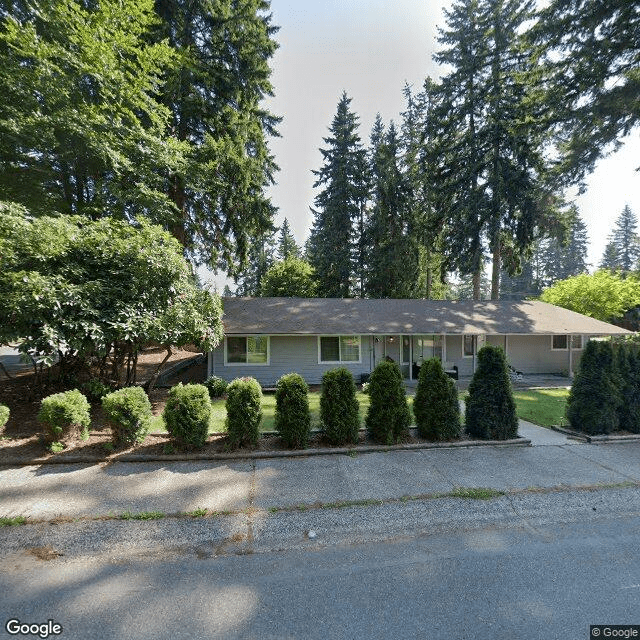
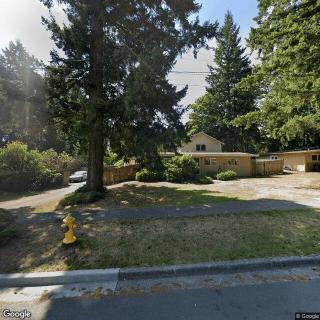
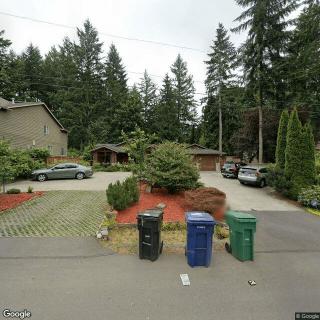
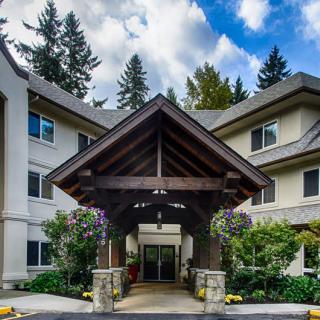
16607 NE 100th Street, Redmond, WA 98052
To contact a resident: (425) 376-1981
For more information about senior living options: (866) 208-4318
Redmond's Own AFH Costs & Pricing
Redmond's Own Adult Family Home (AFH) offers competitive pricing in comparison to broader regional costs. With a monthly rate of $4,500 for both private and one-bedroom accommodations, it stands out as a more affordable option than the average costs in King County, which are $5,034 for private rooms and $5,127 for one-bedroom units. Additionally, Redmond's Own AFH remains below the state average as well, which is $4,772 for private room setups and $4,632 for one-bedroom options. This positioning not only underscores Redmond's Own AFH as a value-driven choice for families seeking quality care but also highlights its commitment to providing accessible services within the community.
| Floor plans | Redmond's Own AFH | King County | Washington |
|---|---|---|---|
| Private | $4,500 | $5,034 | $4,774 |
| 1 Bedroom | $4,500 | $5,127 | $4,634 |
Memory care communities with a similar price nearby
-
from -$500 / mo

Riverton Home Care
$4,000 to $5,000 / month16.8 miles away -
from -$500 / mo
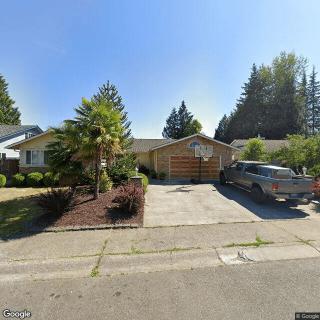
Gentle Care Home
$4,000 to $5,500 / month16.5 miles away -
About the same
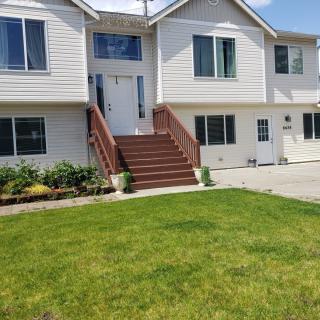
We Care Adult Family Home
$4,500 to $8,000 / month18.5 miles away -
from +$500 / mo

Peace and Pleasant Care Adult Family Home II
$5,000 to $6,000 / month21.5 miles away -
from +$500 / mo
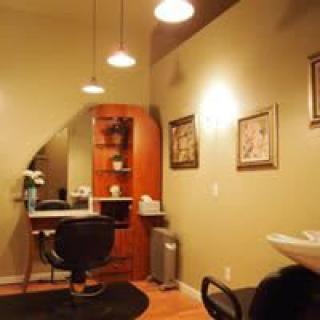
Abundant Life Lynnwood
$5,000 to $6,000 / month14.0 miles away
Overall Review of Redmond's Own AFH
Pros
 Marian and Naomi are caring and professional in everything they do.
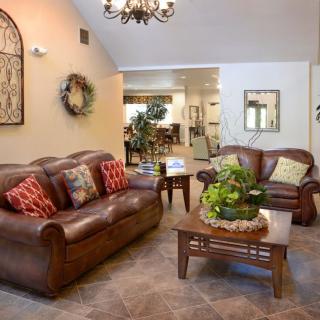
- Redmond's Heart is a blessing, with a cozy, home-like environment.
- The staff are amazing and treat residents like family.
- The team is professional and honest, and it's great to have them around.
- The caregivers proactively address concerns and care for residents as if they were family.
- The home is run by angels and feels like a wonderful place for loved ones.
- The home was built with love and is expanding its square footage.
- The meals are home-cooked and the desserts are delicious.
Cons
 The only drawback mentioned is that the home is pretty small.
Review
Best suited for families wanting an intimate, home-like setting where care feels personal and sustained, Redmond's Own AFH offers a compelling option in Redmond, WA. The community centers on hands-on, compassionate caregiving, with staff who greet residents warmly, keep routines consistent, and treat each person as a member of the family. Marian and Naomi run the home with a clear commitment to professionalism married to genuine kindness, delivering attentive supervision and proactive support. For residents who thrive on daily engagement, regular meals prepared on-site, and a warm, familiar environment, this AFH delivers what larger campuses often miss.
However, the setup is small by design. The intimate footprint is a strength for personalized attention but a potential limitation for families seeking broader amenities, more private space, or a wider calendar of on-site activities. One review noted the space was pretty small, and while expansion is underway, that reality can mean a waiting list or limited capacity in the near term. For residents who require substantial medical oversight, intensive memory care, or a campus with many shared public spaces, alternatives in bigger assisted living communities may be more appropriate.
On the upside, the pros read as a consistent, practical advantage for most movers-in search of homelike care. The environment feels cozy and like-home, with caregivers readily available and the owners deeply invested. The kitchen and dining experience stands out, home-cooked meals and desserts daily that residents actually look forward to. The team’s professionalism is underscored by praise from a Home Health RN who notes proactive, follow-through-driven care and involvement at every level; it’s the kind of teamwork that reduces gaps in care and makes transitions smoother. Residents are engaged rather than left idle, with staff celebrating holidays and creating opportunities for social connection in the courtyard or common spaces.
That said, the primary drawback centers on size. A small footprint means fewer private rooms, tighter common areas, and a pace that's tuned to a smaller community. While the care is highly personalized, some families may crave more breadth in programming or more expansive settings. The expansion underway helps address this, but until the extra square footage lands, the space-to-resident ratio will remain a practical consideration for families weighing long-term placement.
Yet the advantages tend to outweigh the constraints for most seniors who value connection and attentiveness. The owners’ hands-on involvement translates into a level of proactive care that often outpaces what larger facilities deliver; staff aren’t just doing tasks, they’re nourishing relationships. The result: improved mood, better engagement, and physical health benefits such as well-maintained skin for residents with mobility challenges, testaments found in resident outcomes. The safety scaffolding, like discreet floor alarms, adds a quiet layer of protection without compromising the homelike feel. In short, the pros cultivate a sense of safety, belonging, and daily purpose that the space limitations cannot easily erode.
For families evaluating options, this AFH is a strong fit when the priority is a loving, actively engaged home atmosphere and a high degree of caregiver involvement. Schedule a tour, observe interactions between staff and residents, and inquire about the caregiver-to-resident ratio, especially for memory care needs. Ask how meals are planned, what activities are offered, and how emergencies or changes in health are managed. If space or a wider activity calendar is essential, consider competing options but keep this home on the short list because its core strength, personalized, respectful care, often translates into noticeably better daily quality of life.
 Board and Care Home
 Memory Care
 Cats allowed
 Dogs allowed
 Activities off-site
 Bath tubs
 Devotional services off-site
 Indoor common areas
 Outdoor common areas
 Private
 Private bathrooms
 Respite or short term stays offered
 Wheelchair accessible showers
 Seattle-Tacoma International (19 miles away)
 Diabetic care
 High acuity care
 Incontinence care
 Medication management
 Kosher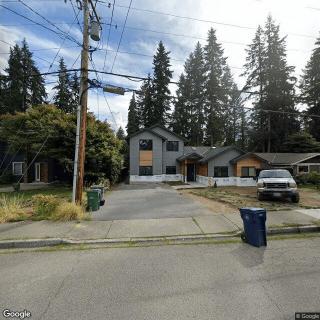
 8 Key Indicators That Suggest It May Be Time to Transition from Assisted Living to Skilled Nursing Care
 Nourishing the Mind: Essential Dietary Approaches for Dementia
 Understanding Dementia Behaviors: Practical Insights and Strategies for Caregivers