
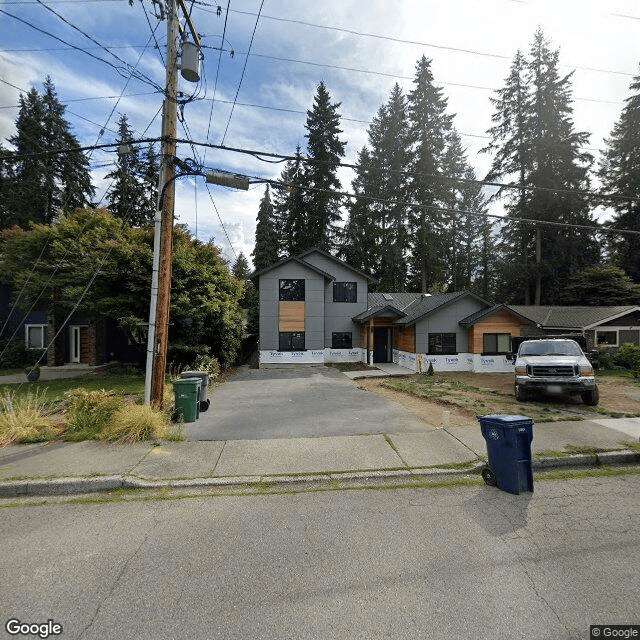
16555 NE 99th Street, Redmond, WA 98052
To contact a resident: (425) 435-3613
For more information about senior living options: (866) 208-4318
Redmond's Heart Adult Family Home Costs & Pricing
Redmond's Heart Adult Family Home offers a 1-bedroom option at a monthly cost of $6,000, which is notably above both the King County average of $5,127 and the state average of $4,632. This pricing reflects the unique services and personalized care provided by Redmond's Heart, positioning it within the higher end of the market in comparison to its peers. While it may be more expensive than other options available in the region, families seeking a nurturing and attentive environment for their loved ones often find that this investment translates into exceptional quality of care and enhanced living experiences for residents.
| Floor plans | Redmond's Heart Adult Family Home | King County | Washington |
|---|---|---|---|
| 1 Bedroom | $6,000 | $5,127 | $4,634 |
Memory care communities with a similar price nearby
-
from +$500 / mo

The Promised Land
$6,500 / month8.4 miles away -
About the same
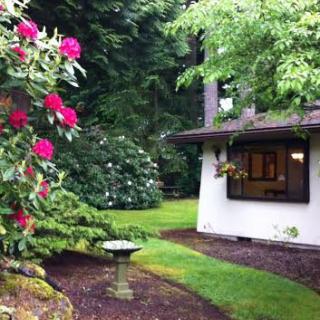
Home Away From Home LLC
$6,000 to $7,000 / month15.1 miles away -
About the same
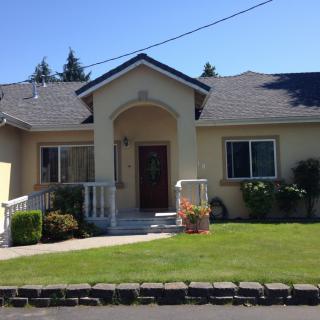
Elderly Home Care
$6,000 to $8,000 / month5.8 miles away -
from -$250 / mo
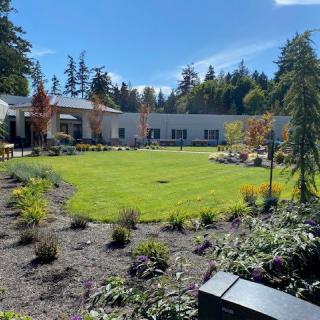
Fieldstone Rolling Bay and Fieldstone Memory Care
$5,750 to $8,895 / month17.9 miles away -
About the same
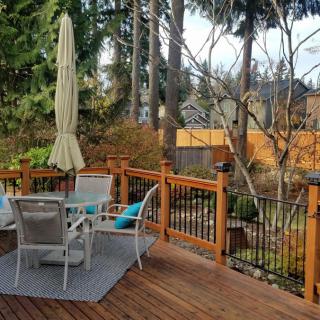
Blue Horizon Adult Family Home
$6,000 to $7,000 / month20.5 miles away
Overall Review of Redmond's Heart Adult Family Home
Pros
 Marian and Naomi are caring and professional in everything they do.
- Redmond’s Heart provides a cozy, home-like environment where the staff treat residents like family.
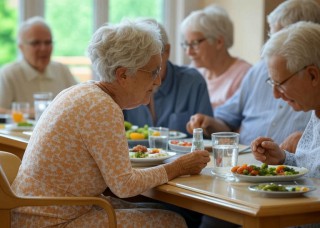
- The meals are delicious, with home-cooked dishes and desserts every day.
- The owners Marian and Naomi are kind and treat everyone with care and respect.
- The home is run by angels and is simply amazing.
- Caregivers greet residents and proactively assist with their needs.
- The home is built with love and is expanding its square footage.
- Residents are engaged daily, receive hugs, and celebrate holidays together.
Review
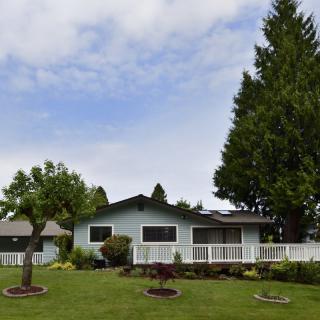
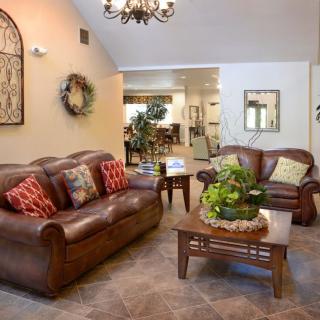
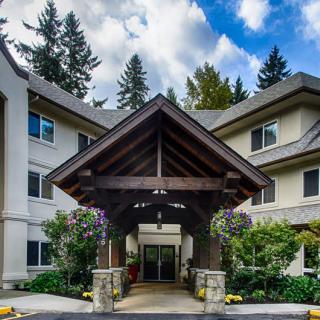
This community is best suited for families seeking a warm, intimate, home-like setting where an aging loved one can receive consistent, hands-on care and everyday engagement. Redmond’s Heart Adult Family Home shines for residents who value a cozy, residential atmosphere over a large, impersonal campus. The owners, Marian and Naomi, run the home with a genuine, professional touch, delivering daily care that feels personal and intentional. The environment is described as welcoming, with food that tastes home-cooked and a schedule that centers residents’ comfort, connection, and daily routines.
Those weighing alternatives should consider options if the priority is heavier medical oversight or specialized memory-care programming that a smaller AFH may not continuously provide. While the home shows remarkable attentiveness and proactive problem-solving, it operates within a smaller, residence-style model. For families confronting high-acuity needs, the absence of a large clinical team or a formal continuum of on-site nursing could be a mismtach. In short, this setting excels on personal attention and quality of life, but may not be ideal for residents requiring round-the-clock medical monitoring or highly structured dementia care plans that demand more intensive, facility-wide resources.
The strongest pros center on the human-focused care and daily engagement that define the experience. Caregivers greet residents warmly, and the sense of family pervades the hallways. The staff’s proactive involvement is repeatedly highlighted, caregivers not only respond to needs but anticipate concerns and treat residents as if they were their own family. The home’s leadership is deeply involved, with Marian and Naomi described as kind, skilled, and driven by genuine respect for residents. Meals stand out as a standout benefit, with frequent, homey cooking and desserts that contribute to a sense of normalcy and comfort. Finally, the environment emphasizes activity and social connection, holidays, outdoor barbeques, and consistent engagement, to prevent isolation and withdrawal.
Evidence from the resident stories reinforces the practical value of these strengths. One account notes a resident with limited mobility and dementia who has shown improved mood and engagement, with smiling interaction and better skin health, an indicator of overall well-being and affectionate, attentive care. The daily interactions, hugs, conversations, and purposeful activity, underscore a culture where residents are not merely housed but integrated into a familial rhythm. Even as the home expands its square footage, the core dynamic remains the same: a living space where residents’ needs are met with immediacy, warmth, and respect, rather than a rigid, clinical schedule.
Families evaluating this option should plan a thoughtful tour and observe how the care team interacts with residents in real time. Ask about caregiver-to-resident ratios, typical daily activities, and a resident’s care plan for mobility, nutrition, and cognitive support. Inquire how the expansion is progressing and what changes that will bring to daily life, privacy, and staffing. It is prudent to speak with Marian and Naomi directly to understand their approach to individualized routines and to get a read on how the home handles emergencies or behavioral changes. Seeing the home during a visit, watching routine, meal preparation, and the warmth of staff-resident exchanges, will reveal whether the environment aligns with one’s expectations for safety, dignity, and companionship.
Ultimately, Redmond’s Heart Adult Family Home stands out as a standout option for families who prize a genuinely home-like atmosphere, where care is hands-on, personal, and ambiance-driven toward daily joy and belonging. The owners’ hands-on leadership and the staff’s willingness to treat residents as family create a powerful offset to the natural limitations of a smaller setting. This is not the choice for those seeking the breadth of services, clinical redundancy, or the formal structure of a larger community. For families prioritizing intimate attention, meaningful daily engagement, and a nurturing home atmosphere, the conclusion is clear: Redmond’s Heart is a practical, highly capable match that delivers on warmth, respect, and quality of life, with alternatives worth exploring only when medical acuity or highly specialized memory care is non-negotiable.
 Memory Care
 Seattle-Tacoma International (19 miles away)
 Nourishing the Mind: Essential Dietary Approaches for Dementia
 Understanding Dementia Behaviors: Practical Insights and Strategies for Caregivers
 When Dementia Sparks Anger and Aggression: Understanding the Connection and Ways to Cope