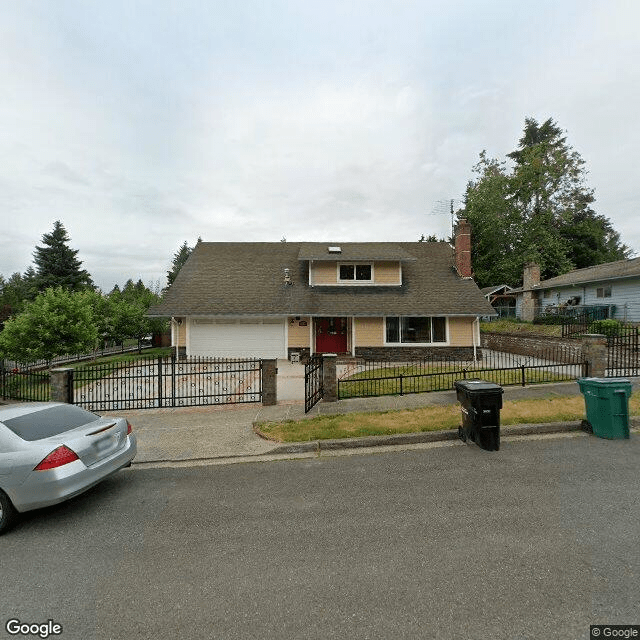
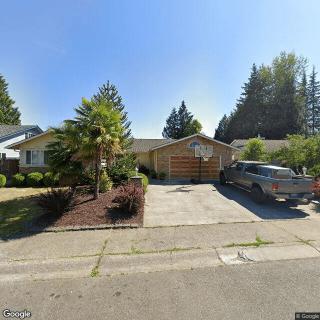
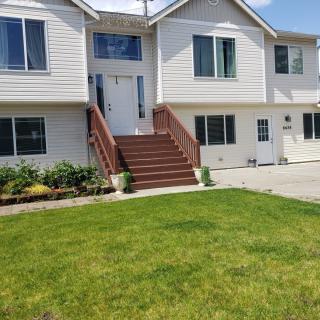
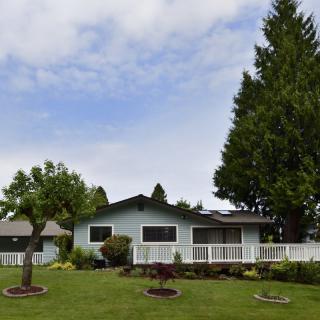
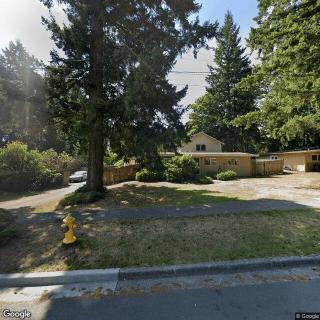
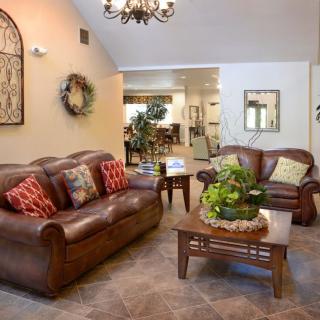
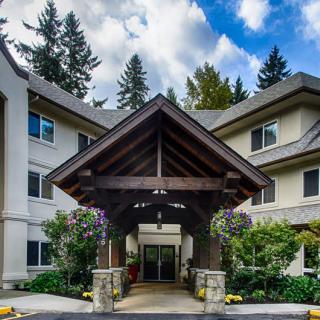
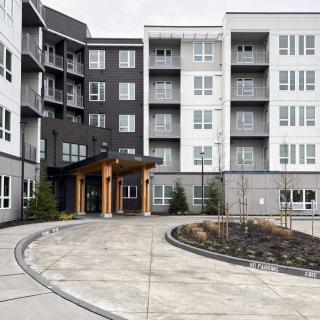
Education Hill AFH in Redmond, WA

Save
Education Hill AFH

Education Hill AFH in Redmond, WA

Information last verified:

16228 NE 100th Street, Redmond, WA 98052

For more information about senior living options: (844) 490-3973

4.8 from 48 reviews
5 stars
45
4 stars
1
3 stars
0
2 stars
0
1 stars
2

Seniors.FYI Elite Community Awards

Top 5% Senior Living Community in 2022

Add this award to your website

Education Hill AFH Costs & Pricing

Education Hill AFH offers competitive pricing for its residential care services compared to broader market rates in King County and the state of Washington. The monthly cost for a private room at Education Hill AFH is $4,700, which is slightly lower than the county average of $5,034 but comparable to the state average of $4,772. For those seeking a one-bedroom accommodation, Education Hill stands out with a monthly fee of $7,000, significantly higher than both the King County average of $5,127 and the state figure of $4,632. This distinction may reflect the quality and breadth of services provided at Education Hill AFH, positioning it as a premium choice within the local senior care landscape.

Floor plansEducation Hill AFHKing CountyWashington
Private$4,700$5,034$4,774
1 Bedroom$7,000$5,127$4,634

Overall Review of Education Hill AFH

Pros

  • pro The teachers are friendly and cook delicious food.
  • pro The school is clean and well organized.
  • pro The center provides a warm home-like atmosphere with a good student–teacher ratio.
  • pro The staff are patient, kind, and attentive, helping children thrive.
  • pro The meals are nutritious, well-balanced, and often homemade.
  • pro The environment is nurturing and enriching, with activities like crafts, music, and outdoor time.
  • pro The program is bilingual, offering English and Mandarin/Chinese to prepare children for preschool.
  • pro Parents receive timely updates with photos and videos, keeping them connected to their child’s day.
  • pro Janet Tang (Ms. Janet) is experienced, caring, and deeply involved in the children’s learning and well-being.

Cons

  • pro A reviewer notes there is not enough staff to care for the kids.
  • pro The kids-to-teacher ratio is not followed, creating safety concerns.
  • pro There is not enough supervision, which poses a safety issue.
  • pro Family members of the owner (not licensed) sometimes care for the children.
  • pro The children are mixed in the same group (infants, toddlers, and pre-K), which is not conducive for learning.
  • pro The owner is often busy with personal affairs instead of staying with the kids.
  • pro The owner communicates very poorly and aggressively.
  • pro Tuition reminders feel debt-collector like, and the reviewer says the owner cares more about money than the children.
  • pro Overall, the daycare is described as below-average.

Review

Education Hill Learning Center in Redmond is best suited for families who want a warm, home-like daycare that doubles as a strong early-education environment for toddlers through pre-K. It shines for households prioritizing an intimate setting where a small team can know each child well, respond quickly to needs, and partner closely with parents. The program leans bilingual, weaving English and Mandarin into daily routines, which makes it ideal for families seeking language development alongside practical life skills. The owner-operator model means Janet Tang is consistently present, cooking nutritious, homemade meals, overseeing activities, and maintaining a clean, organized space. The result is a nurturing, predictable rhythm that helps children settle quickly, form secure attachments, and approach early learning with confidence. For parents who want regular, meaningful updates, photos, videos, and detailed feedback, this center delivers, reinforcing trust and continuity between home and school. Price is viewed as reasonable for the Eastside market, delivering strong value without sacrificing quality.

Who may want to consider alternatives is not hard to identify. Families seeking a large, institutional-feel center with dozens of classrooms and a formal, policy-heavy operation may find Education Hill Learning Center too small or too locally focused. Those who require robust, round-the-clock staffing, or prefer a strict English-only environment, may prefer a different setting with a more standardized national curriculum and distant oversight. A single, negative review highlights real friction points: concerns about staff coverage, a perception that the owner can be stretched thin, and questions about consistency in policies and communication. For families who prize a highly structured, highly supervised framework with clearly documented backups and a broader administrative infrastructure, alternatives could feel more reassuring. Additionally, families needing specialized accommodations or longer daily hours might look elsewhere.

The major strengths of Education Hill Learning Center offset several realistic drawbacks. The most compelling pro is the caliber of care in a compact, family-like environment where teachers can tailor activities to each child. The caring, patient staff create smooth transitions for anxious arrivals and steady progression in skills, from early literacy tasks to practical self-care and social competencies. The bilingual program is not mere exposure; children routinely gain meaningful exposure to both languages, improving pronunciation, vocabulary, and cultural comfort. Nutritious, home-cooked meals support healthy growth and respect family values around food. Regular communications, daily updates, photos, and detailed notes, give parents a clear sense of daily life and growth trajectories, which reduces worry and strengthens home routines. Cleanliness and organization further amplify safety and consistency, letting parents trust that the environment supports healthy development. In short, the living, breathing proof is in the children: many families report their kids thrive, become more independent, and bring home reminders of what they learned each day.

Yet the potential downsides deserve front-and-center consideration. The most concrete risk is staffing stability in a small, owner-led setting. With Janet Tang deeply involved in day-to-day operations, there is a legitimate concern that coverage could be vulnerable when illness, personal matters, or turnover disrupts the routine. Prospective families should probe into how substitutes are handled, what the backup plan looks like, and whether a clearly documented staff roster is maintained. Policies and enforcement can feel less formal than in larger centers, so requesting a sample daily schedule, written rules, safety procedures, and a current ratio report is prudent. The negative review points to communication gaps and perceived over-extension; thus, it is wise to verify references from several current families and to observe the center’s responsiveness during a trial period. This isn’t a reason to dismiss the program, but a prudent reminder to confirm operational resilience before committing.

From a practical standpoint, the value proposition remains strong for families who can align with a small, intimate care model. For families prioritizing early academic and social readiness, the center’s approach, hands-on instruction, structured play, and rich enrichment, produces tangible gains. The bilingual environment gives children an expressive advantage in a multicultural ecosystem, while the focus on age-appropriate milestones, self-help skills, early numeracy and literacy, crafts, music, and outdoor activity, builds a robust foundation for preschool success. The homemade meals, attention to cleanliness, and frequent parent updates provide measurable reassurance that the child’s wellbeing is a constant priority. The setting’s size also limits illness exposure and fosters stronger peer relationships, elements that many parents value highly when choosing a first school-like experience outside the family.

The bottom-line recommendation is clear. For families who want a personal, attentive, bilingual early-education environment where the owner is hands-on, meals are thoughtfully prepared, and communication with parents is steady and transparent, Education Hill Learning Center stands out as a best-fit option in Redmond. It is particularly strong for families who value a smaller footprint, a home-like atmosphere, and a proven track record of children thriving under close supervision. However, for those who require a large, policy-heavy operation with formalized staffing backups, or for families needing non-Chinese language immersion, exploring alternatives is sensible. Prospective parents should schedule a visit, meet Janet Tang, request current staff-to-child ratios, review the daily routine and safety procedures, and talk to a spectrum of current families to confirm the fit. In the right match, this center delivers exceptional value and meaningful, joyful learning every day.

Features

Types of Care

  • Board and Care Home Board and Care HomeBoard and care homes provide a smaller, more intimate setting for seniors who require assistance with daily tasks but do not need the level of care offered by a nursing home. They offer personalized care, meals, and social activities in a homelike environment, ensuring that seniors receive individualized attention and support in their golden years.
  • Memory Care Memory CareMemory care is crucial for seniors as it provides specialized support and services for individuals with dementia or Alzheimer's disease. These programs offer a safe and secure environment where residents receive personalized care, cognitive stimulation, and help with daily activities. Memory care helps seniors maintain their independence, quality of life, and dignity while also providing peace of mind for their families.

Amenities

  • Activities off-site Activities off-siteEngaging in off-site activities is crucial for seniors to maintain social connections, stay active, and stimulate their minds. It promotes overall well-being and helps combat feelings of isolation and loneliness.
  • Activities on-site Activities on-siteActivities on-site are important for seniors because they provide opportunities for socialization, mental stimulation, physical activity, and overall well-being. Engaging in activities can help seniors stay active, maintain their independence, and improve their quality of life.
  • Beautician on-site Beautician on-siteHaving a beautician on-site at a senior living community is important for seniors as it allows them to easily access grooming and personal care services, boosting their self-esteem and overall well-being. It also provides convenience and helps seniors maintain their sense of independence and personal style.
  • Cable or satellite TV Cable or satellite TVCable or satellite TV is important for seniors because it provides entertainment, news, and companionship, helping to combat loneliness and boredom. It also offers a wide range of programming options tailored to different interests and preferences.
  • Devotional services off-site Devotional services off-siteDevotional services off-site are important for seniors as they provide spiritual nourishment, social engagement, and a sense of community outside of the senior living facility. This can enhance overall well-being and help combat feelings of isolation and loneliness often experienced by older adults.
  • Devotional services on-site Devotional services on-siteDevotional services on-site provide seniors with spiritual support and a sense of community, as well as an opportunity for reflection and guidance during their senior living experience. This can promote emotional well-being and connection to others, leading to a more fulfilling and enriching lifestyle in their later years.
  • Handicap accessible Handicap accessible"Handicap accessible" amenities are crucial for seniors to ensure they can easily navigate and access facilities, services, and activities without barriers or limitations due to physical impairments. This promotes independence, safety, and inclusivity for seniors in senior living communities.
  • Indoor common areas Indoor common areasIndoor common areas are crucial for seniors as they provide a space for socialization, recreation, and community engagement, promoting overall well-being and reducing feelings of isolation and loneliness.
  • Outdoor common areas Outdoor common areasOutdoor common areas are important for seniors as they provide a space for socialization, physical activity, and relaxation. Being outside in nature can improve mood and overall well-being, while also encouraging movement and engagement with others. These spaces can help combat feelings of isolation and promote a sense of community among residents.
  • Private PrivatePrivacy is important for seniors as it allows them to maintain their independence, dignity, and sense of control over their own lives. It also gives them the space and freedom to relax, reflect, and engage in activities that bring them joy and fulfillment. Creating private spaces within senior living facilities is crucial for promoting overall well-being and quality of life.
  • Wheelchair accessible showers Wheelchair accessible showersWheelchair accessible showers are crucial for seniors as they provide a safe and independent bathing option for those with mobility challenges. These showers help prevent falls and allow seniors to maintain their dignity and autonomy while ensuring they can bathe comfortably.
  • Wi-Fi/high-speed internet available Wi-Fi/high-speed internet availableWi-Fi/high-speed internet is important for seniors to stay connected with loved ones, access online resources, and participate in virtual activities to combat feelings of loneliness and isolation. It also allows them to easily manage healthcare needs, access entertainment, and engage in lifelong learning opportunities.

Transportation

  • Seattle-Tacoma International (19 miles away) Seattle-Tacoma International (19 miles away)

Care Services

  • Diabetic care Diabetic careDiabetic care is crucial for seniors as they are more susceptible to developing diabetes due to aging and other health conditions. Proper management of diabetes can help prevent complications such as heart disease, vision loss, and nerve damage, improving the overall quality of life for seniors in senior living communities.
  • Incontinence care Incontinence careIncontinence care is essential for seniors to maintain their dignity, hygiene, and overall quality of life. By addressing incontinence issues promptly and effectively, seniors can enjoy a sense of independence and comfort in their daily activities.
  • Medication management Medication managementMedication management is crucial for seniors to ensure they are taking the right medications at the correct dosages and times. This helps prevent adverse drug interactions, reduces the risk of medication errors, and promotes overall health and well-being. Proactive management also allows for adjustments as needed based on changing health conditions or new prescriptions.

Dining

  • Kosher KosherKosher options are important for seniors because they adhere to dietary laws that are significant to many Jewish individuals, providing them with peace of mind and an opportunity to maintain their cultural traditions and beliefs while living in a senior living community.
  • Low / no sodium Low / no sodiumLow/no sodium options are important for seniors because excessive sodium intake can lead to high blood pressure, heart disease, and other health issues commonly experienced by older adults. By choosing low/no sodium foods, seniors can better manage their health and reduce their risk of developing these conditions.
  • Meals provided Meals provided"Meals provided" are crucial for seniors in assisted living communities as it ensures they have access to nutritious, balanced meals without the stress of meal planning and preparation. This can help promote overall health and well-being for seniors who may have limited mobility or cognitive abilities.
  • No Sugar No SugarNo sugar diets are important for seniors because they can help prevent or manage chronic conditions such as diabetes, heart disease, and obesity. Sugar can also contribute to cognitive decline and inflammation in the body, so reducing sugar intake can lead to overall improved health and well-being in older adults.
  • Room service Room serviceRoom service is important for seniors in a senior living community because it provides convenience and allows them to have their meals delivered directly to their room. This can be especially beneficial for seniors who may have mobility issues or difficulty accessing the dining area. Room service ensures that seniors are able to receive nutritious meals without having to navigate through the facility, allowing them to maintain their independence and overall well-being.
  • Vegetarian VegetarianA vegetarian diet is important for seniors because it can help lower the risk of chronic diseases, maintain a healthy weight, and provide essential nutrients needed for aging bodies. Additionally, plant-based diets are often easier on digestive systems and can contribute to overall well-being in older adults.

Activities

  • Activities off-site Activities off-siteEngaging in off-site activities is crucial for seniors to maintain social connections, stay active, and stimulate their minds. It promotes overall well-being and helps combat feelings of isolation and loneliness.
  • Activities on-site Activities on-siteActivities on-site are important for seniors because they provide opportunities for socialization, mental stimulation, physical activity, and overall well-being. Engaging in activities can help seniors stay active, maintain their independence, and improve their quality of life.
  • Birthday parties Birthday partiesBirthday parties are important for seniors as they provide an opportunity for celebration, socialization, and joy. They allow seniors to feel special and appreciated, boosting their mood and overall well-being. Additionally, birthday parties can help combat feelings of isolation and loneliness by fostering connections with friends, family, and community members.
  • Devotional activities offsite Devotional activities offsiteDevotional activities offsite are important for seniors because they provide social engagement, spiritual growth, and a sense of community outside of their living environment. This can improve overall well-being, mental health, and combat feelings of isolation or loneliness.
  • Devotional activities on-site Devotional activities on-siteDevotional activities on-site provide seniors with a sense of community, spiritual fulfillment, and emotional support, promoting overall well-being and a positive sense of purpose in their lives.
  • Holiday parties Holiday partiesHoliday parties are important for seniors because they provide opportunities for socialization, community involvement, and mental stimulation. These festive events offer a sense of belonging and connection during a time that can be lonely for many older adults. Additionally, participating in holiday celebrations can boost mood and overall well-being for seniors living in senior living communities.
  • Live musical performances Live musical performancesLive musical performances can provide seniors with a sense of joy, nostalgia, and connection. Music has the power to evoke emotions and memories, improve mood and cognitive function, and foster social interaction among seniors. It can also serve as a form of therapy and stress relief for older adults, making it an important activity to include in senior living communities.
  • Visiting Rabbi Visiting Rabbi"Visiting rabbis provide spiritual and emotional support to seniors in assisted living communities, helping them connect with their faith, find comfort in times of need, and maintain a sense of community and belonging."
  • Visiting chaplain or priest Visiting chaplain or priestHaving a visiting chaplain or priest at a senior living community is important for seniors because it provides spiritual support, comfort, and guidance during a time of life that can be challenging and uncertain. Their presence can help seniors feel connected to their faith, find peace of mind, and cope with the emotional and mental struggles they may face in their later years.
Description

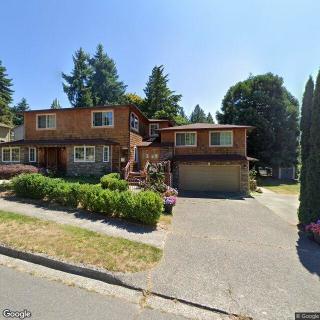
Education Hill AFH in Redmond, WA is an exceptional assisted living community that specializes in providing top-notch memory care services. Our dedicated team of caregivers is trained to meet the unique needs of individuals with memory impairments, ensuring their safety, comfort, and well-being.

At Education Hill AFH, we offer a range of amenities to enhance the quality of life for our residents. Our spacious indoor and outdoor common areas provide opportunities for socialization and relaxation. Residents can enjoy a variety of activities on-site, including live musical performances, birthday parties, and holiday celebrations. We also have designated spaces for devotional services both on-site and off-site for spiritual support.

We understand the importance of maintaining personal grooming routines, which is why we have a beautician on-site. Additionally, our residents can stay connected with family and friends through our Wi-Fi/high-speed internet access.

Our care services are designed to cater to the specific needs of individuals with memory impairments. We provide assistance with incontinence care and medication management to ensure our residents' health is properly managed.

In terms of dining, our skilled chefs prepare delicious meals that are nutritious and tailored to individual dietary needs. We offer low/no sodium options, no sugar options, vegetarian choices, as well as room service for added convenience.

Education Hill AFH is conveniently located near various amenities such as cafes, parks, pharmacies, physicians' offices, restaurants, and theaters. This allows our residents easy access to these facilities whenever needed or desired.

If you or your loved one are seeking an assisted living community that provides exceptional memory care services in a warm and welcoming environment, Education Hill AFH in Redmond is the perfect choice.

Nearby Places of Interest

This part of Redmond, Washington, offers a convenient and vibrant environment for senior living. With several pharmacies, physicians' offices, and hospitals located within a short distance, residents have easy access to medical care and services. The area also boasts a variety of parks, providing opportunities for outdoor activities and relaxation. In terms of dining options, there are a range of restaurants and cafes nearby for seniors to enjoy meals with friends and family. Additionally, the presence of theaters offers entertainment options for those looking to catch a movie or live performance. Overall, this neighborhood provides a well-rounded community with amenities that cater to the needs and preferences of older individuals seeking a comfortable and engaging place to call home.

Pharmacies

  • Bartell Drugs (0.6 miles)
  • Bartell Drugs (1.5 miles)
  • Target Pharmacy (1.5 miles)
  • Fred Meyer Pharmacy (1.6 miles)
  • Walgreens (2.5 miles)
  • Rite Aid (2.8 miles)
  • QFC Pharmacy (3.5 miles)

Parks

  • Sixty Acres Park (1.2 miles)
  • Grass Lawn Park (1.7 miles)
  • Marymoor Park (2 miles)
  • Marymoor Dog Park (2.1 miles)
  • Highlands Park (3.1 miles)
  • Bridle Trails State Park (3.3 miles)
  • Terrace Park (4 miles)

Physicians

  • Group Health Cooperative: Redmond Primary Care (1.2 miles)
  • Larson Nancy Allegro Pediatrics (1.3 miles)
  • EvergreenHealth (3.1 miles)
  • Allegro Pediatrics - Totem Lake (3.2 miles)
  • Lakeshore Clinic (3.2 miles)
  • Advanced Family Medicine (4.3 miles)
  • UW Medicine Sports Medicine Center at Eastside Specialty Center (4.8 miles)

Restaurants

  • Fire Creek Grill & Bar (1.3 miles)
  • Marymoor Amphitheatre (2 miles)
  • McDonald's (2.6 miles)
  • Taco Bell (2.6 miles)
  • Chick-Fil-A (2.9 miles)
  • Deru Market (3.4 miles)
  • McDonald's (3.7 miles)

Cafes

  • Mercurys Coffee (1.3 miles)
  • Starbucks (1.5 miles)
  • Starbucks (2.7 miles)
  • Don’t Yell At Me 不要對我尖叫 (3.1 miles)
  • Google (3.7 miles)
  • Urban Coffee Lounge (4.3 miles)
  • Starbucks (4.5 miles)

Theaters

  • Cinemark Totem Lake And Xd (3.1 miles)
  • AMC Factoria 8 (8 miles)

Hospitals

  • Overlake Hospital Medical Center (5.7 miles)
  • Dengda Tang MD | Kaiser Permanente (5.8 miles)
  • Seattle Children's Hospital (7.6 miles)

Frequently Asked Questions

How much does it cost to live at Education Hill AFH in Redmond, WA?
Where is Education Hill AFH?
Does Education Hill AFH provide care for residents with dementia or Alzheimer's disease?

Nearby Communities

  • Valley Vista Adult Family Home Inc

    Valley Vista Adult Family Home Inc

    Redmond, WA

    5 from 11 reviews
    $5,500 to $6,200 / month

    pro Nurse-owned home with personalized care and strong medical communication.

  • Redmond's Heart Adult Family Home

    Redmond's Heart Adult Family Home

    Redmond, WA

    5 from 10 reviews
    $6,000 / month

    pro Memory care in a warm, community-oriented home.

  • Redmond's Own AFH

    Redmond's Own AFH

    Redmond, WA

    4.8 from 12 reviews
    $4,500 / month

    pro Caring staff that make residents feel at home, with safety measures like floor alarm pads.

  • Mindful Senior Care,  LLC

    Mindful Senior Care, LLC

    Redmond, WA

    5 from 4 reviews
    $6,000 / month

    pro Extensive on-site amenities with private rooms and high-acuity care.

  • Stillwater House

    Stillwater House

    Redmond, WA


    pro Small, intimate 16-bed setting with personalized care, 24-hour supervision, ADL assistance, and meals in a fully furnished environment.

  • Hailey II Adult Family Home Care

    Hailey II Adult Family Home Care

    Redmond, WA

     
    $4,000 / month

    pro Affordable private-room pricing relative to King County and state averages.

  • Peters Creek Retirement Community

    Peters Creek Retirement Community

    Redmond, WA

    4.4 from 70 reviews
    $2,995 to $4,495 / month

    pro Friendly staff; spacious apartment-style rooms; clean spaces with engaging activities.

  • Aegis at Marymoor in Redmond

    Aegis at Marymoor in Redmond

    Redmond, WA

    4.8 from 36 reviews
    $4,560 to $6,748 / month

    pro Warm, homey environment with caring staff and engaging activities.

  • MorningStar Senior Living of Kirkland

    MorningStar Senior Living of Kirkland

    Kirkland, WA

    4.9 from 85 reviews
    $3,890 to $6,575 / month

    pro Brand-new, clean, welcoming with on-site nursing and strong health partnerships.

Related Resources

  • assisted living vs memory careAssisted Living and Memory Care: Understanding Their Core Differences

    Assisted living provides moderate support for seniors seeking independence, while memory care offers specialized support for individuals with dementia or cognitive impairments through structured routines and trained staff. Key differences include care approaches, environment security measures, staff training levels, activity types, and cost considerations.

  • assisted living vs nursing homeChoosing the Right Senior Care: A Detailed Exploration of Assisted Living and Nursing Homes

    Choosing between assisted living and nursing homes involves evaluating emotional and financial factors, with assisted living offering independence and support for daily activities at a lower cost, while nursing homes provide intensive medical care for individuals with significant health needs. The decision is influenced by personal preferences, health status, cognitive function, and varying Medicaid coverage across states.

  • how to prevent memory loss in old ageSafeguarding Your Memory Through the Golden Years: Eight Ways to Preserve Cognitive Health

    The article presents eight strategies for preserving cognitive health and memory in older adults, emphasizing a nutrient-rich diet, regular exercise, intellectually stimulating activities, adequate sleep, social connections, stress management techniques, limiting harmful substances, and regular medical checkups to mitigate age-related memory decline.