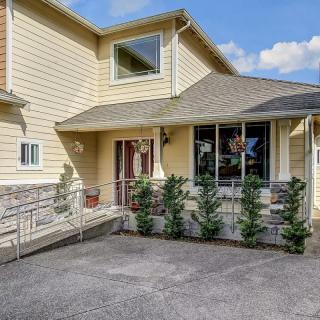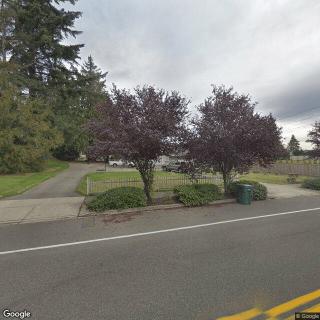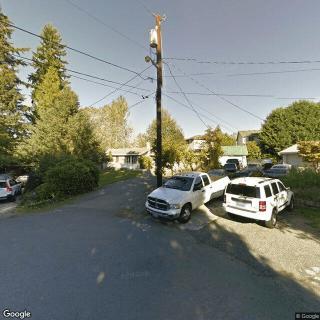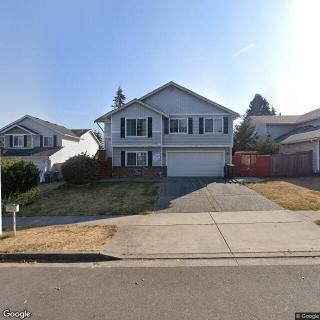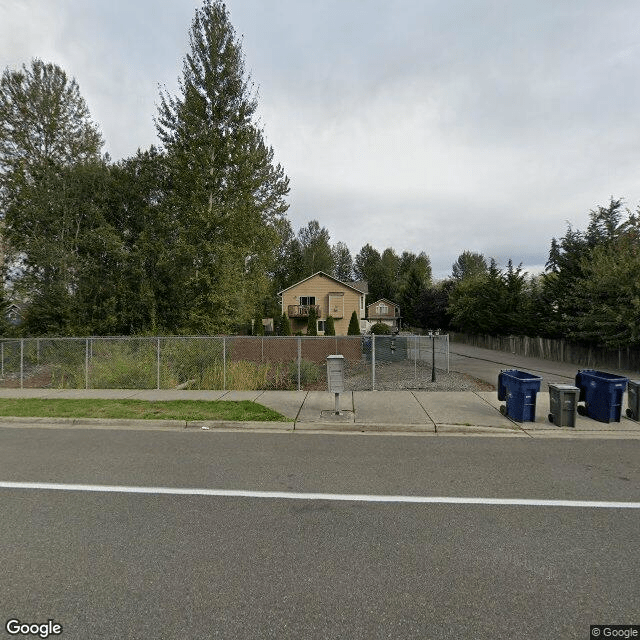
Meadow AFH in Lynnwood, WA

Save
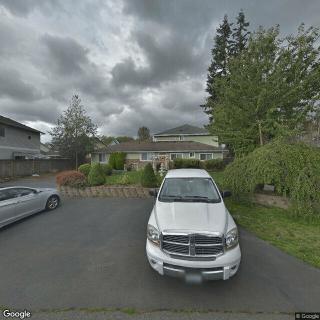
Meadow AFH

Meadow AFH in Lynnwood, WA

14505 Meadow Rd. A, Lynnwood, WA 98037

For more information about senior living options: (844) 490-3973

5 from 2 reviews
Board and Care Home Memory Care

Meadow AFH Costs & Pricing

Meadow AFH offers competitive pricing for its residents, particularly in comparison to the broader Snohomish County and Washington state averages. For semi-private rooms, Meadow AFH charges $2,500 per month, significantly lower than the county average of $4,320 and the state average of $4,267. Similarly, for private rooms, Meadow AFH's rate of $3,500 is more affordable than both the county's average of $4,834 and the state's average of $4,772. This pricing structure not only enhances accessibility for families seeking quality care but also positions Meadow AFH as a cost-effective option without compromising on the level of support and services provided.

Floor plansMeadow AFHSnohomish CountyWashington
Semi-Private$2,500$4,320$4,272
Private$3,500$4,834$4,774

Overall Review of Meadow AFH

Pros

  • pro They took very good care of residents; they are professional and compassionate.
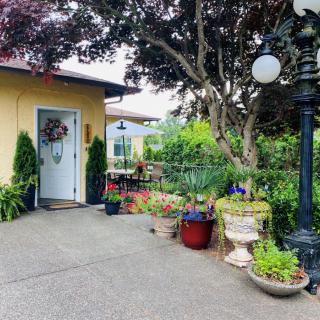
  • pro The home is beautiful, and the provider is wonderful.
  • pro This adult family home is highly recommended for anyone needing great care in a family environment.

Review

Meadow AFH in Lynnwood is best suited for seniors who crave an intimate, family-style living arrangement where daily care feels personal and hands-on. The setting is a small, homelike residence rather than a large institutional campus, and it appeals to residents and families that value continuity of caregivers, warmth, and direct involvement from the people providing day-to-day support. Those who want caregivers who know routines, preferences, and health updates on a regular basis will find Meadow AFH align with those expectations, delivering a sense of safety and belonging that larger facilities often struggle to replicate.

Any resident who requires robust, round-the-clock medical oversight, highly structured programming, or specialized memory-care design should consider alternatives. Larger assisted living communities or dedicated memory-care facilities typically offer more on-site clinicians, more formal activity calendars, and broader transportation options for appointments. For families pursuing aggressive rehabilitation timelines or complex clinical management, a nursing home or hospital-affiliated option may be more appropriate. Meadow AFH stands as a strong option for those who prioritize personal attention and a home-like vibe over the breadth of services found in bigger campuses.

Two reviews highlight a compelling core strength: care delivered with professionalism and genuine compassion. The statements emphasize respectful treatment of a loved one and a sense that the home functions as a true family environment. Those elements translate into tangible benefits: caregivers who are reliably present, staff who communicate clearly, and a living space that feels comfortable and reassuring. The combination of professional standards with a warm, intimate setting creates a foundation where daily needs are tended to with dignity and grace, reducing the stress often associated with transitions to care.

That core strength - professionalism paired with compassionate, personalized attention - addresses many of the chief concerns families weigh when evaluating smaller care settings. The professional demeanor supports consistent, predictable responses to routine tasks and potential emergencies, while compassion ensures that ordinary activities - hygiene, meals, mobility assistance - are carried out with respect for the resident's preferences and dignity. A beautiful, home-like environment further reduces anxiety, particularly for elders who worry about leaving their own familiar spaces. In practical terms, families often experience open communication, easier access to the caregiver team, and the comfort of knowing a loved one is treated as a person, not just a resident.

Where potential downsides exist in a small AFH model - limited on-site medical staff, fewer formal activities, and less 24/7 clinical coverage - the strong personal attention and family-like culture act as offsetting strengths. Residents benefit from rapid, individualized adjustments to care plans, and families benefit from straightforward, non-bureaucratic communication. Yet these advantages do not fully replace the structure and breadth offered by larger communities, so a careful match to health status, mobility, and dependency level remains essential. If a resident's condition requires extensive therapy, regular nurse visits, or comprehensive programing throughout the week, these realities should guide the decision, with alternatives kept actively in consideration.

When advising families, the central task is alignment: fit Meadow AFH to the level of support required, the desire for family involvement, and the budget. It is an excellent choice for those who want great care in a beautiful, home-like setting and who are comfortable with a smaller-scale operation. Those who prioritize extensive medical oversight, transportation-heavy activity schedules, or specialized memory-care programming may want to explore alternatives with broader clinical capacity. Prospective families should visit, talk with the caregiver and current residents, review care plans, and assess the consistency of staff and the home's ability to meet both routine and emergent needs over time.

Features

Types of Care

  • Board and Care Home Board and Care HomeBoard and care homes provide a smaller, more intimate setting for seniors who require assistance with daily tasks but do not need the level of care offered by a nursing home. They offer personalized care, meals, and social activities in a homelike environment, ensuring that seniors receive individualized attention and support in their golden years.
  • Memory Care Memory CareMemory care is crucial for seniors as it provides specialized support and services for individuals with dementia or Alzheimer's disease. These programs offer a safe and secure environment where residents receive personalized care, cognitive stimulation, and help with daily activities. Memory care helps seniors maintain their independence, quality of life, and dignity while also providing peace of mind for their families.

Amenities

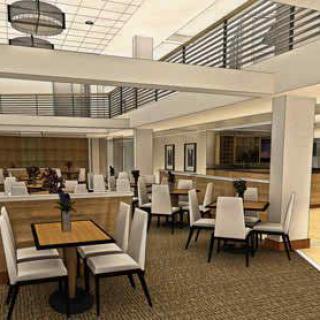
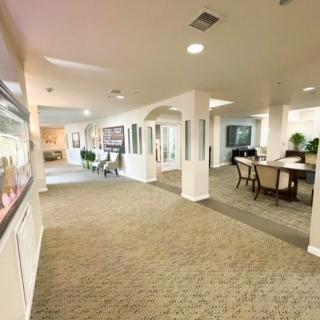
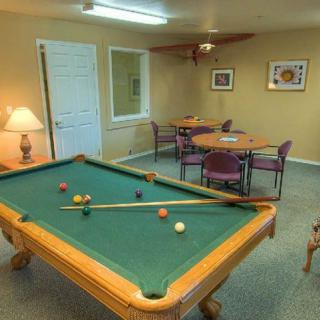
  • Indoor common areas Indoor common areasIndoor common areas are crucial for seniors as they provide a space for socialization, recreation, and community engagement, promoting overall well-being and reducing feelings of isolation and loneliness.
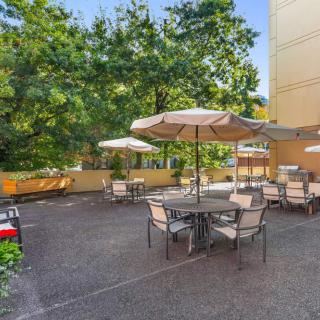
  • Outdoor common areas Outdoor common areasOutdoor common areas are important for seniors as they provide a space for socialization, physical activity, and relaxation. Being outside in nature can improve mood and overall well-being, while also encouraging movement and engagement with others. These spaces can help combat feelings of isolation and promote a sense of community among residents.
  • Private PrivatePrivacy is important for seniors as it allows them to maintain their independence, dignity, and sense of control over their own lives. It also gives them the space and freedom to relax, reflect, and engage in activities that bring them joy and fulfillment. Creating private spaces within senior living facilities is crucial for promoting overall well-being and quality of life.
  • Respite or short term stays offered Respite or short term stays offeredRespite or short term stays provide seniors with a temporary solution when their regular caregiver is unavailable, offering them the opportunity to receive additional care and support during times of need, while also giving caregivers a chance to rest and recharge.
  • Wheelchair accessible showers Wheelchair accessible showersWheelchair accessible showers are crucial for seniors as they provide a safe and independent bathing option for those with mobility challenges. These showers help prevent falls and allow seniors to maintain their dignity and autonomy while ensuring they can bathe comfortably.

Care Services

  • Ambulatory care Ambulatory care"Ambulatory care services provide essential medical support and treatment to seniors without requiring hospitalization, allowing them to maintain their independence and quality of life while managing chronic conditions or receiving routine medical care."
  • High acuity care High acuity careHigh acuity care is important for seniors because it provides specialized medical attention and support for individuals with complex medical needs. This level of care ensures that seniors receive the appropriate treatment and assistance to maintain their health and quality of life as they age.
  • Medication management Medication managementMedication management is crucial for seniors to ensure they are taking the right medications at the correct dosages and times. This helps prevent adverse drug interactions, reduces the risk of medication errors, and promotes overall health and well-being. Proactive management also allows for adjustments as needed based on changing health conditions or new prescriptions.

Dining

  • Kosher KosherKosher options are important for seniors because they adhere to dietary laws that are significant to many Jewish individuals, providing them with peace of mind and an opportunity to maintain their cultural traditions and beliefs while living in a senior living community.
  • Meals provided Meals provided"Meals provided" are crucial for seniors in assisted living communities as it ensures they have access to nutritious, balanced meals without the stress of meal planning and preparation. This can help promote overall health and well-being for seniors who may have limited mobility or cognitive abilities.
  • Vegetarian VegetarianA vegetarian diet is important for seniors because it can help lower the risk of chronic diseases, maintain a healthy weight, and provide essential nutrients needed for aging bodies. Additionally, plant-based diets are often easier on digestive systems and can contribute to overall well-being in older adults.

Description

Meadow AFH in Lynnwood, WA is an assisted living community that specializes in providing memory care for individuals with Alzheimer's disease or other forms of dementia. The community offers a range of amenities to enhance the comfort and well-being of its residents, including outdoor common areas where residents can enjoy fresh air and socialize with others. Additionally, Meadow AFH is designed to be wheelchair accessible, ensuring that all residents have easy access to showers.

The dedicated staff at Meadow AFH are trained in high acuity care, meaning they have the expertise to provide specialized assistance to individuals with complex needs. They also offer medication management services, ensuring that residents receive their medications as prescribed and on time.

In terms of dining options, Meadow AFH provides nutritious meals for its residents, including vegetarian options for those with dietary preferences or restrictions. This ensures that all residents receive balanced meals that cater to their individual needs.

Located in Lynnwood, Washington, the community benefits from its proximity to various amenities. Residents and their families can enjoy visiting nearby cafes, parks, pharmacies, physicians' offices, restaurants, transportation options, places of worship, and theaters. These convenient amenities make it easy for residents to access the services they need and maintain an active and fulfilling lifestyle.

Overall, Meadow AFH in Lynnwood, WA offers a supportive and comfortable environment for individuals needing memory care. With its array of amenities and focus on high-quality care services, this assisted living community strives to provide a safe and enriching home for its residents while promoting their overall well-being.

Nearby Places of Interest

This part of Lynnwood, Washington, offers a range of amenities and services that could be appealing for senior living. With multiple cafes and restaurants nearby, there are plenty of dining options for convenience and socializing. Pharmacies are also easily accessible in the area, making it convenient for managing healthcare needs. In terms of recreational activities, there are parks within a few miles radius for enjoying nature and staying active. The presence of theaters provides opportunities for entertainment outings. Additionally, there are several medical facilities and hospitals in close proximity, offering access to healthcare services when needed. Overall, this area provides a mix of conveniences and resources that could support a comfortable and fulfilling senior living experience.

Cafes

  • Starbucks (0.5 miles)
  • Starbucks (1.8 miles)
  • Starbucks (2.2 miles)
  • Tazza Di Vita Espresso Stand (2.5 miles)
  • Starbucks (2.6 miles)
  • Starbucks (3.5 miles)
  • Starbucks (4 miles)

Pharmacies

  • Walgreens (0.6 miles)
  • Rite Aid (1.4 miles)
  • QFC Pharmacy (1.5 miles)
  • Bartell Drugs (1.6 miles)
  • CVS Pharmacy (1.8 miles)
  • Walgreens (2.3 miles)
  • CVS Pharmacy (2.3 miles)

Transportation

  • U-Haul Moving & Storage (1.5 miles)
  • Snohomish County Airport (PAE) (3.8 miles)
  • The Boeing Company (4.8 miles)

Restaurants

  • McDonald's (1.8 miles)
  • Taco Bell (1.8 miles)
  • Blazing Onion Burger Company (2.2 miles)
  • Fusion India (2.4 miles)
  • Panda Express (2.5 miles)
  • Chick-Fil-A (2.7 miles)
  • McDonald's (2.8 miles)

Parks

  • Lynndale Park (2.1 miles)
  • High Trek Adventures (2.7 miles)
  • Meadowdale County Park (3.1 miles)
  • Tambark Creek Park (3.4 miles)
  • Lake Ballinger Park (5.9 miles)
  • Mukilteo Lighthouse Park (6.8 miles)
  • Log Boom Park (6.9 miles)

Theaters

  • AMC Alderwood Mall 16 (2.3 miles)
  • Regal Everett & RPX (4 miles)

Physicians

  • Providence Medical Center (2.6 miles)
  • Dr Z Pulmonary and Sleep Specialist (2.7 miles)
  • Everett Clinic (3.7 miles)
  • Northwest Asthma & Allergy Center (3.9 miles)
  • Lakeshore Clinic (6.8 miles)
  • The Everett Clinic: Dermatology (7.7 miles)
  • Rajesh Subramanian, MD (7.8 miles)

Places of Worship

  • Hindu Temple & Cultural Center (4.8 miles)

Hospitals

  • Swedish Medical Center (5.4 miles)
  • Prachi Thekdi, ARNP, DNP (7.7 miles)

Frequently Asked Questions

How much does it cost to live at Meadow AFH in Lynnwood, WA?
Where is Meadow AFH?
Does Meadow AFH provide care for residents with dementia or Alzheimer's disease?

Nearby Communities

  • Martha Lake Adult Family Home

    Martha Lake Adult Family Home

    Lynnwood, WA

    3 from 1 review
    $7,000 / month

    pro Dedicated staff focused on resident well-being and family communication.

  • Martha Lake

    Martha Lake

    Lynnwood, WA

     
    $3,000 / month

    pro Competitive price for private rooms with high-acuity care.

  • Guardian Angels Care Home

    Guardian Angels Care Home

    Lynnwood, WA

     
    $5,000 to $6,000 / month

    pro Specializes in memory care with compassionate staff in a peaceful, home-like setting.

  • Heavens Adult Family Home

    Heavens Adult Family Home

    Lynnwood, WA


    pro Personalized care with convenient nearby amenities.

  • Homecoming AFH I

    Homecoming AFH I

    Lynnwood, WA

    5 from 6 reviews
    $4,500 to $5,000 / month

    pro Private rooms with en-suite bathrooms and high-acuity care.

  • Manor Villa Adult Family Home

    Manor Villa Adult Family Home

    Lynnwood, WA

     
    $3,000 / month

    pro Memory Care focus with affordable $3,000/mo pricing and nearby amenities in Lynnwood.

  • Chateau Pacific

    Chateau Pacific

    Lynnwood, WA

    4.1 from 37 reviews
    $1,560 to $4,808 / month

    pro Beautiful, well-maintained accommodations with caring staff, engaging activities, high-quality dining and unique amenities.

  • Chateau Pacific Retirement Community

    Chateau Pacific Retirement Community

    Lynnwood, WA


    pro Wide range of care options with extensive amenities and memory care support

  • The Cottages at Mill Creek

    The Cottages at Mill Creek

    Mill Creek, WA

    3.2 from 19 reviews
    $4,450 to $4,950 / month

    pro Compassionate staff with patient-centered care in an intimate, small-unit setting.

Related Resources

  • do dementia patients sleep a lotWhy Do Dementia Patients Sleep So Much? Understanding Oversleeping, Stages, and Care Approaches

    Dementia often results in disrupted sleep patterns, leading to excessive daytime sleeping due to factors like brain damage affecting circadian rhythms, medication side effects, and lack of structure in daily activities. Caregivers must monitor these changes closely, as oversleeping can increase risks such as malnutrition or dehydration, and provide necessary support and routines to enhance patient engagement and well-being.

  • when to move from assisted living to nursing home8 Key Indicators That Suggest It May Be Time to Transition from Assisted Living to Skilled Nursing Care

    The transition from assisted living to skilled nursing care is often prompted by complex medical needs that assisted living cannot meet, with key indicators including frequent health declines, increased falls, severe memory issues, and caregiver burnout. Families should recognize these signs early to discuss options with healthcare providers and prepare for the emotional and logistical aspects of moving to a facility that offers comprehensive medical support.

  • best foods for dementia patients to eatNourishing the Mind: Essential Dietary Approaches for Dementia

    Dementia is characterized by cognitive decline, with nutrition playing a vital role in brain health; while no specific diet can prevent or reverse it, a nutrient-dense diet rich in antioxidants and healthy fats may support cognitive function. The MIND diet, which emphasizes beneficial foods and limits processed items, along with proper hydration and individualized meal strategies, can enhance the well-being of dementia patients.