
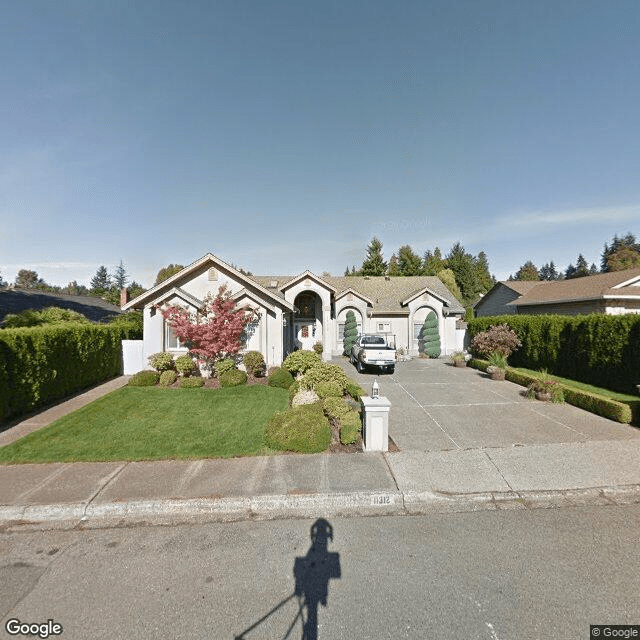
11312 NE 147th St., Kirkland, WA 98034
To contact a resident: (425) 829-2719
For more information about senior living options: (866) 208-4318
Sunshine Adult Family Homes Costs & Pricing
Sunshine Adult Family Homes offers competitive pricing for its services compared to the broader market in King County and the state of Washington. For a semi-private room, residents can expect to pay $3,500 per month, which is notably lower than the county average of $4,430 and the state average of $4,267. When it comes to private accommodations, Sunshine's rate of $4,950 is on par with King County's average of $5,034 but slightly higher than the state average of $4,772. Similarly, their one-bedroom options also start at $4,950, closely aligning with King County's average of $5,127 while remaining more affordable than the state's average of $4,632. Overall, Sunshine Adult Family Homes provides a cost-effective solution for those seeking quality adult care within a supportive community environment.
| Floor plans | Sunshine Adult Family Homes | King County | Washington |
|---|---|---|---|
| Semi-Private | $3,500 | $4,430 | $4,272 |
| Private | $4,950 | $5,034 | $4,774 |
| 1 Bedroom | $4,950 | $5,127 | $4,634 |
Memory care communities with a similar price nearby
-
About the same
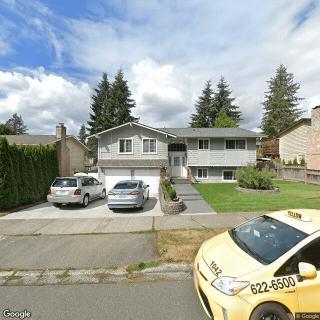
Dignity Life
$3,500 / month7.2 miles away -
from -$125 / mo
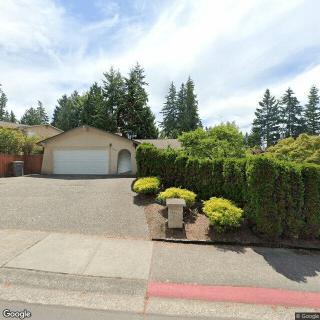
Evergreen Manor Senior Care Inc
$3,375 to $7,500 / month2.9 miles away -
from -$500 / mo
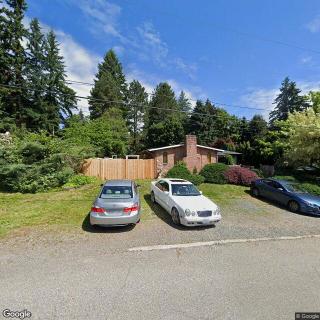
Caring Adult Family Home #1
$3,000 / month2.1 miles away -
from +$500 / mo

Riverton Home Care
$4,000 to $5,000 / month18.5 miles away -
from -$500 / mo
Home Care in Kent Inc.
$3,000 to $3,500 / month24.0 miles away
Overall Review of Sunshine Adult Family Homes
Pros
 The staff at Sunshine Family Home treated her with dignity and respect and loved her.
- The caregivers became like family at Sunshine Family Home and were meticulous and attentive to her needs.
- They went out of their way to accommodate her food preferences.
- The staff at Sunshine Family Home were consistent and highly skilled.
- The family was grateful that Mom had the best final days at Sunshine.
- The care at Sunshine House is of high quality.
- The caregivers at Sunshine House are loving, caring, and personable.
Review
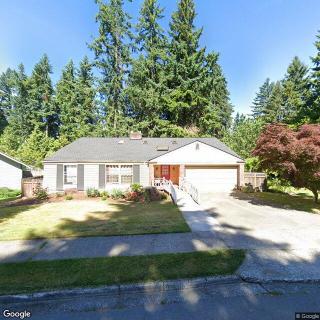
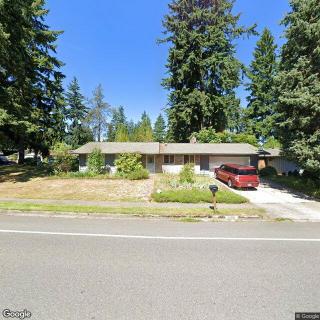
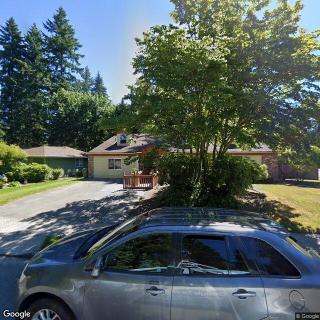
Sunshine Adult Family Homes in Kirkland is best suited for families seeking an intimate, home-like setting where senior care feels personal and attentive. It shines for residents navigating dementia or approaching end-of-life care, and for families who value daily warmth, consistent staffing, and a team that becomes trusted caregivers. The setting is small enough that caregivers know residents well, yet skilled enough to handle complex needs, with staff who listen, adapt meals to preferences, and treat every resident with dignity and respect. Families describe staff who feel like extended family, providing reassurance during difficult transitions. In short, this community is ideal for those who prioritize personalized attention, trust, and a comforting, home atmosphere over campus size or flashy amenities.
Those who may want to consider alternatives include families seeking robust medical oversight, 24/7 on-site nursing, or a broad slate of activities and amenities typical of larger assisted-living campuses. For residents requiring more structured memory-care programming or hospital-grade coordination, a bigger community might offer more clearly defined protocols and a wider array of interim services. The Sunshine model prioritizes relationship-building and individualized care, which can feel limiting if the expectation is a bustling campus with extensive recreational facilities or formal therapy suites. If private rooms, flexible visiting arrangements, or a more institutional feel matter, exploring other options ensures expectations align with realities.
On the upside, the strongest advantages are consistent, compassionate caregivers who become like family, and owners who are approachable and easy to work with. This combination yields exceptional continuity of care, particularly important for dementia care where knowing routines and preferences reduces anxiety. The staff’s meticulous attention to food likes and dietary restrictions demonstrates a level of person-centered attentiveness that frequently translates into better nutrition and comfort. The end-of-life care described by families underscores a culture of dignity, patience, and genuine affection. These strengths create a safety net that offsets the absence of a hospital-scale resource network by delivering reliability, warmth, and trust.
Another clear strength is the staff’s stability and skill. Residents encounter caregivers who stay long-term, a factor that reduces the emotional costs of transitions and spares families repeated introductions during fragile phases. The owners’ direct involvement signals a hands-on leadership style that translates into prompt adjustments to care plans and transparent communication. For families dealing with dementia, the ability to receive timely updates about daily routines or dietary choices is a meaningful relief. The reputation for “feeling like family” is not a marketing claim but a lived reality that shapes daily life and long-term peace of mind.
The one pragmatic caveat is the inherent trade-off of a smaller, home-like setting: fewer on-site amenities and less formal medical programming than larger facilities. That reality is not a flaw so much as a design choice, prioritizing intimate staffing ratios and personalized interactions over campus-scale features. For families satisfied by high-touch, responsive care and clear, compassionate communication, this is a net positive. For those who require comprehensive activities or immediate access to a full spectrum of medical services, it is prudent to compare options and confirm how medical oversight is arranged and how swiftly health changes are coordinated.
Ultimately, Sunshine Adult Family Homes stands out for families who want trust, tenderness, and tailored attention during the challenging periods of dementia or end-of-life care. The caregivers’ devotion, the staff’s consistency, and the owners’ hands-on approach create a dependable, comforting environment where loved ones can stay emotionally engaged and maintain dignity. If these are the priorities, the decision becomes straightforward: Sunshine is a best-fit match. If the priority list tilts toward a larger campus, broad activities, or aggressive medical programming, exploring alternate communities is warranted to ensure alignment with specific care expectations.
 Board and Care Home
 Memory Care
 Cats allowed
 Dogs allowed
 Activities on-site
 Bath tubs
 Beautician on-site
 Devotional services off-site
 Indoor common areas
 Outdoor common areas
 Private
 Private bathrooms
 Respite or short term stays offered
 Wheelchair accessible showers
 Seattle-Tacoma International (21 miles away)
 Diabetic care
 High acuity care
 Incontinence care
 Medication management
 Kosher
 8 Key Indicators That Suggest It May Be Time to Transition from Assisted Living to Skilled Nursing Care
 Nourishing the Mind: Essential Dietary Approaches for Dementia
 Understanding Dementia Behaviors: Practical Insights and Strategies for Caregivers