
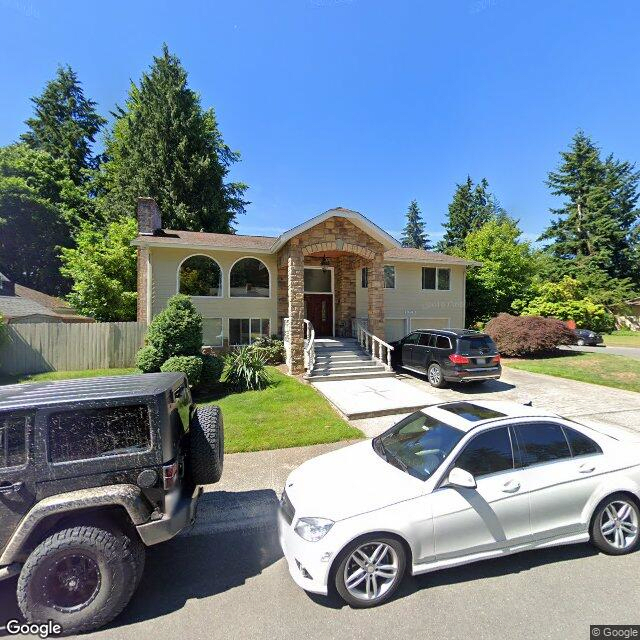
11643 NE 155th St, Bothell, WA 98011
To contact a resident: (425) 483-2239
For more information about senior living options: (866) 208-4318
Luca's Adult Family Home Costs & Pricing
Luca's Adult Family Home offers a competitive monthly rate of $3,500 for private rooms, positioning itself favorably against the broader market in Snohomish County and the state of Washington. In comparison, the average cost in Snohomish County is approximately $4,834 per month, while the statewide average hovers around $4,772. This substantial difference highlights Luca's commitment to providing quality care at a more accessible price point, making it an appealing option for families seeking affordable adult family home care without compromising on essential services and comfort.
| Floor plans | Luca's Adult Family Home | Snohomish County | Washington |
|---|---|---|---|
| Private | $3,500 | $4,834 | $4,774 |
Senior living communities with a similar price nearby
-
About the same
Dignity Life
$3,500 / month6.9 miles away -
from -$125 / mo

Evergreen Manor Senior Care Inc
$3,375 to $7,500 / month3.1 miles away -
from +$500 / mo
Meadow Crest Senior Home
$4,000 to $6,000 / month16.1 miles away -
from -$500 / mo
Caring Adult Family Home #1
$3,000 / month1.8 miles away -
from +$500 / mo

Riverton Home Care
$4,000 to $5,000 / month18.9 miles away
Overall Review of Luca's Adult Family Home
Pros
 Luca’s Adult Family Home and Suzy are extraordinary on every level.
- The care, compassion, and sense of belonging at Luca’s provide a level of comfort beyond expectations.
- Suzy and the staff are wonderful caregivers.
- The home is beautiful, spotless, and welcoming, with comforting scents of meals simmering on the stove.
- The peace of mind from knowing a loved one is in the very best of hands means a great deal to families.
- Families feel incredibly blessed to have found Luca’s and highly recommend it.
Review
Luca’s Adult Family Home in Bothell is best suited for families seeking an intimate, home-like setting where a senior receives highly individualized attention, consistent caregiver relationships, and a sense of belonging that feels more like extended family than a typical care facility. The community works well for residents who value warmth, daily home-cooked meals, and steady, compassionate supervision in a small, beautifully kept environment. It is particularly strong for families prioritizing stability, continuity of care, and a nonclinical atmosphere core to easing transitions for aging loved ones who may resist larger, more institutional settings.
Families should explicitly consider alternatives when a resident has high-acuity medical needs or requires extensive skilled nursing, complex wound care, or specialized memory-care programming that a small adult family home cannot routinely provide. Larger assisted living communities or dedicated memory-care facilities often offer on-site medical staff, more formalized rehab, and broader activity calendars. For those seeking a strict, highly structured program, or environments with more participants to socialize with on a daily basis, Luca’s may not fulfill every requirement. The decision hinges on balancing the comfort of a homey pace with the level of medical oversight and programming needed.
The most powerful positives begin with the staff and leader: Suzy Lucas and her team are described as extraordinary in care, compassion, and reliability. Long-tenured care teams create a sense of trust and continuity that families repeatedly highlight as peace of mind, knowing someone truly knows the resident’s routines, preferences, and evolving needs. The home itself is presented as beautiful, spotless, and welcoming, with sensory cues like the scent of cooking that reinforce a stable, comforting routine. This environment translates into an atmosphere where residents feel valued, safe, and part of a warm, extended family, which in turn reduces anxiety for families who must entrust care away from home.
These strengths offset potential drawbacks by delivering something that larger facilities often struggle to replicate: individualized attention. A small, tightly run operation can adapt quickly to changing moods, dietary needs, and daily schedules, ensuring that care feels personal rather than impersonal. For families navigating end-of-life transitions, the reviews underscore a depth of compassion and companionship that can be more meaningful than a longer list of services. The trade-off, less emphasis on large-scale programming and medical infrastructure, is offset by the consistent, hands-on care that creates real certainty about a loved one’s daily experience and emotional well-being.
To make a prudent, informed decision, families should structure their evaluation around concrete questions during tours and conversations. Observe meal times to gauge kitchen hygiene, food quality, and how dining fosters social interaction. Inquire about how medical tasks are handled, who coordinates with external providers, and what level of on-site nursing or therapy is available. Discuss vacancy turnover, daily schedules, and the approach to memory challenges if relevant. Ask about respite Care options, long-term residency feasibility, and how care plans are updated. Finally, verify licensing specifics for an AFH setting and request references from current families to corroborate the described continuity and warmth.
Ultimately, Luca’s Adult Family Home represents a standout choice for families prioritizing a secure, loving, home-centered atmosphere above all else. When the primary goal is to see a resident thrive through intimate supervision, consistent caregivers, and genuine belonging, the strengths shine, the peacemaking effect on families is palpable. However, for those whose loved ones require robust clinical oversight or an expansive social and programming calendar, it remains wise to explore larger communities with more comprehensive medical support. In the end, Luca’s is not just a place to stay; it is a deeply trusted environment where care feels personal, and that distinction often makes all the difference for both resident and family.
 Board and Care Home
 Private
 Seattle-Tacoma International (21 miles away)
 Ambulatory care
 Diabetic care
 High acuity care
 Incontinence care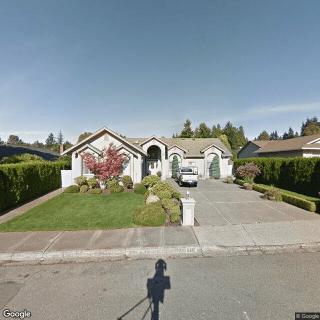



 Encouraging Participation in Adult Day Care: A Guide to Supporting a Hesitant Parent
 Comprehensive Exploration of Living Wills and Other Advance Directives
 A Detailed Exploration of Living Wills and Advance Directives