
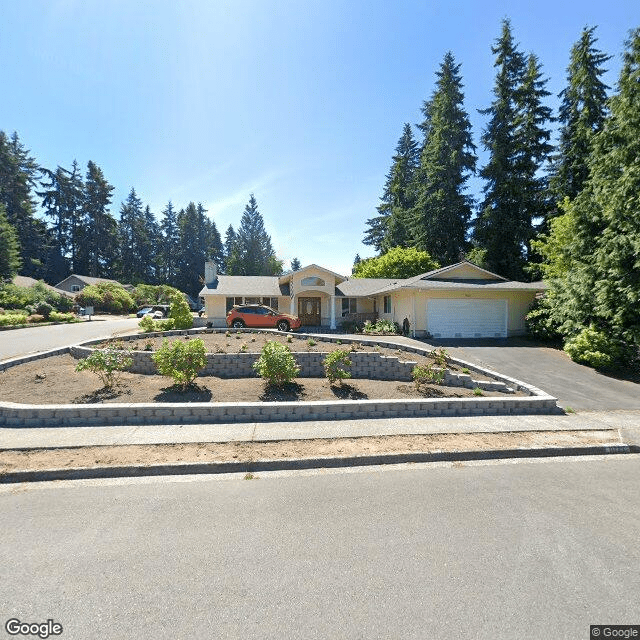
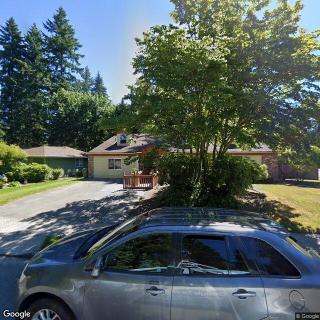
11725 NE 144th Place, Kirkland, WA 98034
To contact a resident: (425) 882-4973
For more information about senior living options: (866) 208-4318
Best Care, Inc. Costs & Pricing
Best Care, Inc. offers competitive pricing for its private room accommodations at $3,000 per month, significantly lower than the average costs in King County and the broader state of Washington. In comparison, the cost for a private room in King County stands at $5,034, while the statewide average is approximately $4,772. This pricing strategy not only highlights Best Care's commitment to providing quality care at an accessible rate but also positions it as an attractive option for individuals seeking affordable care solutions without compromising on service quality.
| Floor plans | Best Care, Inc. | King County | Washington |
|---|---|---|---|
| Private | $3,000 | $5,034 | $4,774 |
Senior living communities with a similar price nearby
-
from +$500 / mo
Dignity Life
$3,500 / month7.4 miles away -
from +$375 / mo
Evergreen Manor Senior Care Inc
$3,375 to $7,500 / month2.6 miles away -
from -$200 / mo
Gold Standard Care
$2,800 / month7.6 miles away -
About the same
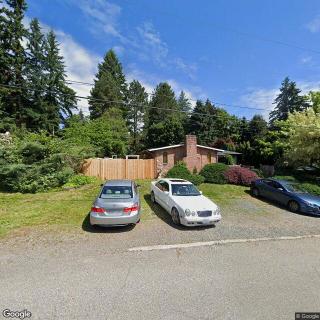
Caring Adult Family Home #1
$3,000 / month2.3 miles away -
About the same
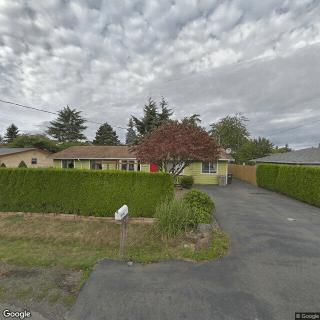
Home Care in Kent Inc.
$3,000 to $3,500 / month23.8 miles away
Overall Review of Best Care, Inc.
Pros
 Caregivers are patient and kind, delivering high-quality care for residents with dementia.
- The home feels warm and welcoming to visiting families and treats residents like family.
- Families feel fortunate to have found such a loving and caring place for their loved ones.
- The staff provide personal attention and ensure safety, with clean rooms and attentive care.
- The environment offers great food and a level of care that feels like being cared for by loved ones.
- Gena's place is amazing, providing top-notch care and peace of mind for families.
Review
Best Care, Inc.’s Gena’s Home in Kirkland is best suited for families seeking a warm, home-like dementia care setting where residents receive highly personalized, attentive supervision. The arrangement reads as a private, intimate environment rather than a large campus, which translates into consistent daily routines, meticulous personal care, and meals prepared with evident pride. Caregivers are described as loving, patient, and respectful, with the capacity to handle the unpredictable dynamics dementia can introduce. The emphasis on safety and cleanliness is palpable, beds are made, residents stay clean, and the living space feels calm and orderly. For families who want to see a direct, tangible sense that a loved one is treated like family, this setting delivers that reassurance with tangible, everyday reliability.
This is not the right fit for every situation, though. Families needing a highly structured medical model or expansive on-site clinical support should consider alternatives. Larger memory-care communities or assisted-living campuses often offer more formalized nursing coverage, 24/7 on-site medical oversight, and a broader slate of therapeutic activities. If a resident requires frequent rehabilitative services, complex medication management, or a formal care plan monitored by a medical director, it may be prudent to compare options that emphasize institutional scale and routine medical oversight. Additionally, the small-home format inevitably means a smaller resident pool, which can limit social variety and sometimes affect availability during peak times or transitions.
The strongest pro: an unmistakable sense of trust built on genuine caregiver relationships. Reviews consistently highlight staff who treat residents with love and respect, even when dementia presents challenges. The home atmosphere, described as warm, welcoming, and like visiting family, reduces anxiety for both residents and visiting family members. Cleanliness, attention to personal grooming, and consistent daily routines give families confidence that their loved one is in a stable, predictable setting. The meals and everyday attentiveness contribute to a mood and participation level that often surpass what is expected in more impersonal environments. For families who prize emotional security, this intimate care dynamic is a powerful offset to the absence of a larger clinical footprint.
Given there are no explicit cons noted in the reviews, a candid evaluation requires acknowledging plausible trade-offs inherent in small, family-style operations. While the warmth and small-scale attention are its hallmark, the model can mean fewer on-site specialists, fewer built-in activity programs, and potential reliance on a single caregiver leadership. Families should verify how staffing coverage is managed, especially nights and weekends, and ask about access to external medical professionals when needed. It is wise to explore how emergency care is coordinated, what the resident-to-caregiver ratio looks like across shifts, and whether visiting clinicians or therapists can integrate smoothly with the daily routine. Capacity and turnover considerations also matter; a full house may limit intake or delay new placements.
When the positives are weighed against these practical considerations, the conclusion is clear for the right buyer. The pros, deeply caring staff, a home-like, low-stress environment, visible safety and cleanliness, and the comfort of “belonging” for both residents and visiting families, often offset the limitations of not having extensive on-site medical services or large-scale programming. For families whose priority is to minimize agitation and maximize a sense of belonging for a loved one with dementia, the advantages strongly outweigh potential gaps in formal healthcare infrastructure. The decision hinges on preference for intimacy, ease of visitation, and direct relationship with the care team. This setting earns strong consideration as the top choice when emotional security and personal connection drive the care plan.
In sum, Best Care, Inc. presents a compelling option for dementia care anchored in a genuine, family-like atmosphere. It suits families who value a stable routine, high levels of daily personal attention, and a home environment where staff are seen as extended family. Those prioritizing rigorous clinical programming, 24/7 on-site nursing, or a large, activity-filled campus should pursue alternatives for broader medical coverage and more extensive offerings. Prospective families are encouraged to schedule a visit, observe caregiver interactions, meet Gena and the team, and ask pointed questions about night coverage, medical coordination, and how transitions are handled. A thoughtful tour will confirm whether this intimate, heartfelt model aligns with the resident’s needs and the family’s expectations.
 Board and Care Home
 Private
 Private bathrooms
 Seattle-Tacoma International (20 miles away)
 Diabetic care
 High acuity care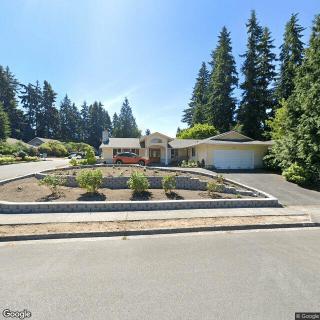


 Exploring the World of Home Health Nurses: Qualifications, Roles, and Hiring Tips
 Navigating Medicare Coverage for In-Home Care Services
 In-Home Care Costs in 2025: A Detailed State-by-State Exploration