At Overlake Adult Family Home (AFH), residents can expect competitive pricing that often falls below the average costs in King County and across Washington state. For a semi-private room, the monthly fee is $3,500, significantly lower than the county average of $4,430 and the state average of $4,267. Those seeking more privacy will find the private rooms at Overlake priced at $4,000, which again compares favorably to the King County average of $5,034 and the statewide average of $4,772. Additionally, for residents opting for a one-bedroom setup, Overlake offers a rate of $5,000 - just shy of the county's median cost of $5,127 but higher than Washington's state average of $4,632. This pricing structure reflects Overlake AFH's commitment to providing quality care at accessible rates while also accommodating various living arrangements to suit individual needs.
Floor plans
Overlake AFH
King County
Washington
Semi-Private
$3,500
$4,430
$4,272
Private
$4,000
$5,034
$4,774
1 Bedroom
$5,000
$5,127
$4,634
Memory care communities with a similar price nearby
Residents describe clinicians who listen closely and explain options thoughtfully.
Across the reviews, residents repeatedly mention feeling heard, not rushed, and supported during visits. Several also describe clinicians taking time to answer questions and present practical next steps, with an emphasis on collaboration and patient input. There are also comments praising thorough review of records and a careful approach to follow-ups.
common
Friendly, helpful office experience
Residents consistently say the staff is friendly, professional, and helpful.
Many reviews highlight friendly front-desk and support staff, with residents saying the whole team makes them feel comfortable. Several comments specifically call out reception experiences, responsiveness, and a professional yet personal tone. A few reviews also mention efficient check-in and generally smooth visit experiences.
caveat
Scheduling and billing problems
Some residents report frustrating scheduling and billing handling.
A small set of reviews describe difficulty scheduling and problems with confirmation and follow-through. Others mention billing that felt ambiguous or hard to resolve, including requests to reach billing support that did not go smoothly. There are also complaints about appointment changes being communicated late or unexpectedly.
How we summarize
We summarize when many written reviews mention each theme; a review can touch several themes, and only frequently mentioned themes are displayed.
Features
Types of Care
Board and Care Home
Day Program
Memory Care
Pets
Cats allowed
Dogs allowed
Amenities
Activities off-site
Activities on-site
Bath tubs
Beautician on-site
Devotional services off-site
Devotional services on-site
Indoor common areas
Outdoor common areas
Private
Private bathrooms
Respite or short term stays offered
Wheelchair accessible showers
Transportation
Seattle-Tacoma International (20 miles away)
Care Services
Diabetic care
High acuity care
Incontinence care
Medication management
Dining
Meals provided
Vegetarian
Activities
Activities off-site
Activities on-site
Devotional activities offsite
Devotional activities on-site
Nearby Places of Interest
Located in Kirkland, Washington, this neighborhood offers a variety of amenities that may appeal to seniors looking for a convenient and comfortable living environment. With multiple physicians, pharmacies, and hospitals within a few miles radius, residents have easy access to quality healthcare services. Additionally, there are numerous cafes and restaurants nearby where seniors can enjoy delicious meals and socialize with friends. The neighborhood also boasts several parks for leisurely strolls or outdoor activities, as well as places of worship for spiritual fulfillment. Overall, this part of Kirkland provides a well-rounded community with essential services and recreational opportunities for seniors to enjoy their golden years.
Physicians
EvergreenHealth (0.5 miles)
Allegro Pediatrics - Totem Lake (0.5 miles)
Lakeshore Clinic (0.7 miles)
Bellevue Vision Clinic (2.7 miles)
Group Health Cooperative: Redmond Primary Care (3.5 miles)
At Overlake Adult Family Home (AFH), residents can expect competitive pricing that often falls below the average costs in King County and across Washington state. For a semi-private room, the monthly fee is $3,500, significantly lower than the county average of $4,430 and the state average of $4,267. Those seeking more privacy will find the private rooms at Overlake priced at $4,000, which again compares favorably to the King County average of $5,034 and the statewide average of $4,772. Additionally, for residents opting for a one-bedroom setup, Overlake offers a rate of $5,000 - just shy of the county's median cost of $5,127 but higher than Washington's state average of $4,632. This pricing structure reflects Overlake AFH's commitment to providing quality care at accessible rates while also accommodating various living arrangements to suit individual needs.
Medication management at Overlake AFH ensures that residents receive their prescribed medications safely and on schedule, which is crucial for individuals with dementia or Alzheimer's disease who may struggle with memory and routine. This feature mitigates the risk of missed doses or medication errors, thereby promoting overall health and stability. Incontinence care is equally vital, as it addresses a common challenge faced by those with cognitive impairments. Providing compassionate and discreet support in this area not only safeguards residents' dignity but also minimizes anxiety and discomfort associated with incontinence, allowing them to feel more secure and focused on their daily activities. Together, these features foster a nurturing environment that enhances the quality of life for residents.
Dementia encompasses progressive neurological disorders that impair cognitive functions and can lead to paranoia due to cognitive decline and emotional changes. The article discusses the triggers of paranoia in dementia, caregiver strategies for managing it, and the importance of distinguishing between dementia-related paranoia and other psychiatric conditions.
Memory care activities are essential for improving the quality of life of seniors with cognitive impairments, as they stimulate cognitive function, promote well-being, and encourage social interaction through tailored strategies. These activities combine structured exercises with spontaneous tasks, sensory engagement, physical workouts, creative pursuits, and intergenerational interactions to enhance emotional connection and a sense of purpose.
Transitioning from assisted living to memory care is driven by an individual's cognitive decline and specific needs, requiring careful evaluation of indicators like increased confusion and wandering. The process involves consulting medical professionals, researching suitable communities, considering financial and legal aspects, and ensuring effective communication for personalized care plans.
Get PricingAsk A QuestionSchedule A TourContact Senior Advisor
By clicking submit, you agree to our Partner's Terms of Use. You
also consent to receive calls and texts, which may be autodialed, from our Partner. Your consent is not a condition to
using our Partner's service. Please visit our Partner's Privacy Policy for information about their privacy practices.

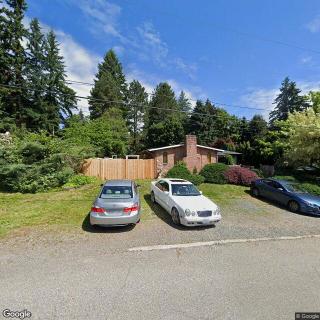

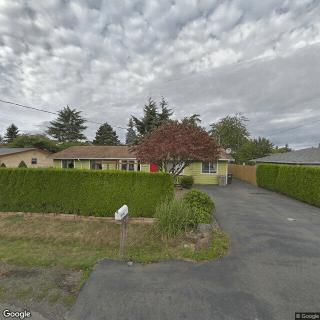
 Board and Care Home
 Day Program
 Memory Care
 Cats allowed
 Dogs allowed
 Bath tubs
 Beautician on-site
 Devotional services off-site
 Indoor common areas
 Outdoor common areas
 Private
 Private bathrooms
 Respite or short term stays offered
 Wheelchair accessible showers
 Seattle-Tacoma International (20 miles away)
 Diabetic care
 High acuity care
 Incontinence care
 Medication management
 Meals provided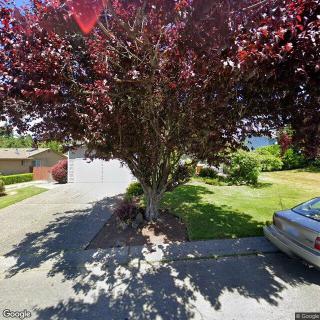
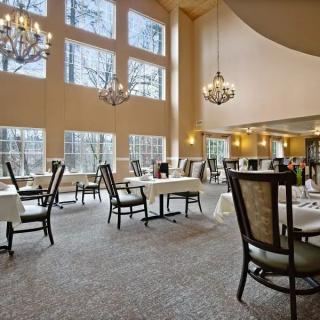
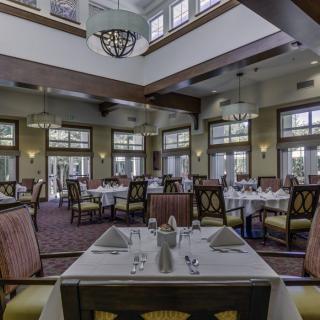
 Comprehensive care with extensive on-site amenities in a home-like setting.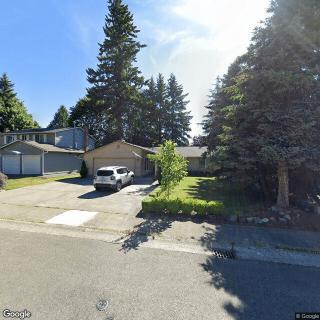
 Dementia, Paranoia, and Caregiver Guidance: Understanding the Connection
 Engaging Memory Care Activities That Enhance Quality of Life
 When to Transition from Assisted Living to Memory Care: Key Indicators, Steps, and Finding the Right Community