
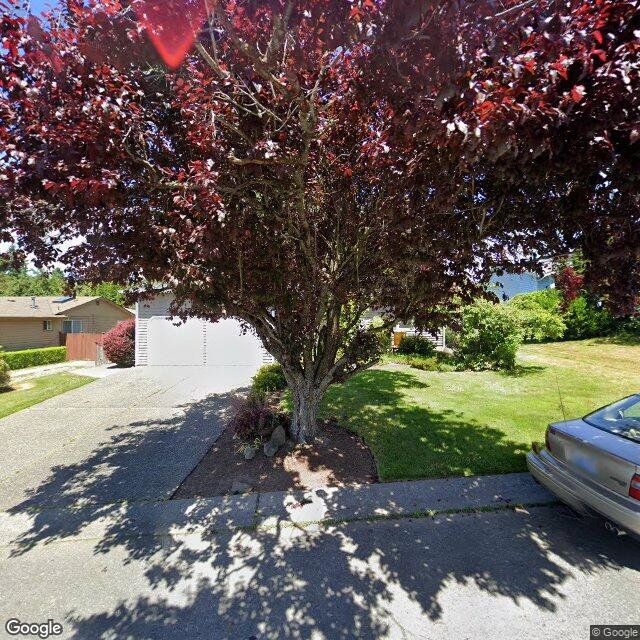
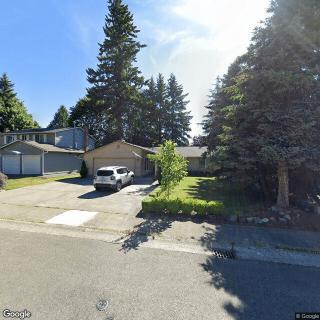
12742 Northeast 132 Place, Kirkland, WA 98034
To contact a resident: (425) 444-5200
For more information about senior living options: (866) 208-4318
Allen Homecare Costs & Pricing
At Allen Homecare, the monthly cost for a private room is set at $6,000, which reflects the specialized care and personalized services we provide. This rate exceeds both the average costs in King County, which stands at approximately $5,034 per month, as well as the state average of $4,772. While our pricing may be higher than these benchmarks, it underscores our commitment to delivering exceptional care tailored to meet individual needs. The investment in our services ensures that residents receive not just comfortable accommodations but also compassionate support and comprehensive resources aimed at enhancing their quality of life.
| Floor plans | Allen Homecare | King County | Washington |
|---|---|---|---|
| Private | $6,000 | $5,034 | $4,774 |
Senior living communities with a similar price nearby
-
from +$500 / mo

The Promised Land
$6,500 / month5.2 miles away -
About the same
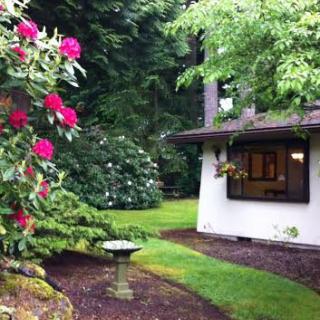
Home Away From Home LLC
$6,000 to $7,000 / month11.9 miles away -
from +$400 / mo

The Park at Belle Harbour
$6,400 to $15,500 / month6.2 miles away -
About the same
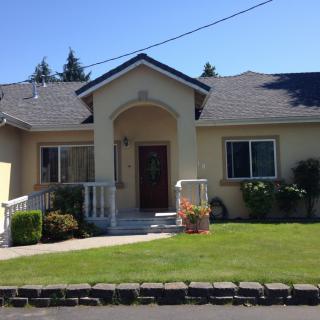
Elderly Home Care
$6,000 to $8,000 / month2.7 miles away -
from -$250 / mo

Fieldstone Rolling Bay and Fieldstone Memory Care
$5,750 to $8,895 / month15.9 miles away
Overall Review of Allen Homecare
Pros
 They feel that Nora's is a happy and content place where residents are treated with respect.
- The setting is peaceful, with a back deck overflowing with flowers and a view of birds.
- The staff at Nora's go above and beyond, meeting residents' needs with patience, kindness, and a personalized approach.
- Nora is described as caring and thoughtful, an RN who can assist with medical needs, and she employs highly trained staff who truly enjoy their jobs.
- The family would highly recommend Nora's Adult Family Home.
Review
Allen Homecare in Kirkland functions best for families seeking an intimate, home-like setting where care is deeply personalized, respectful, and consistently supervised by an owner-led team. The reviews describe residents and families finding happiness and a sense of belonging in a calm, domestic atmosphere, flowers on a back deck, birds in view, and spaces that feel more like a family home than a medical facility. The care team is noted for patience and a truly individualized approach, with the owner’s role as an RN providing practical medical oversight on site. This combination creates a predictable, serene daily rhythm that reduces stress for both residents and families and supports steady, trusting relationships.
Those who may want to consider alternatives are families with loved ones whose needs extend beyond routine assistance or who require robust medical infrastructure. The small, intimate model naturally limits the breadth of on-site medical resources, specialized dementia programming, and formal activity calendars you’d find in larger communities. If a loved one requires 24/7 licensed nursing coverage, intensive memory-care protocols, frequent hospital-level monitoring, or frequent transportation-to-appointments, a larger facility with broader staffing and more structured programs may be more appropriate. The decision should pivot on the anticipated medical trajectory and the demand for scheduled outings, therapies, and rapid emergency response.
The strongest pros, highly personalized attention, a warm, respectful culture, and on-site medical responsiveness, tend to offset the main drawbacks of a smaller home. The RN-owner and trained staff deliver care that feels adaptive rather than rigid, which keeps residents comfortable and reduces the stress often associated with transitions. The setting itself reinforces well-being: a peaceful interior, a deck overflowing with flowers, and outdoor time that enhances mood and social connection. In practical terms, these advantages translate into fewer relocations and deeper trust between caregivers, residents, and families, which can be a decisive factor for seniors who value dignity and continuity.
In practical decision terms, this model rewards families prioritizing continuity, emotional safety, and ease of family involvement. The owner’s nursing background matters because it translates into timely medical attention and a coordinated approach to evolving needs, without forcing a move to a hospital or large institution. Prospective families should verify concrete details: staffing ratios across day and night, the exact scope of medical oversight, meal quality, daily activity options, and any transportation supports. Extended visits that observe mealtimes, care routines, and how medical concerns are addressed will reveal whether the day-to-day experience matches the calm, personal tone described in reviews.
Watch for red flags that signal a potential mismatch with rising needs: repeated delays in responding to medical concerns, limited on-site nursing coverage after hours, or a lack of dementia-appropriate programming if cognitive challenges are present. If the resident’s preference leans toward a busy calendar of activities, community outings, and specialized therapies, a larger community may deliver more robust programming. It is essential to confirm a clear plan for emergency transfers and coordination with external medical providers because even a well-intentioned, small, RN-led home can feel stretched if acuity suddenly increases.
Bottom line: Allen Homecare, reflecting the Nora’s Adult Family Home model, offers a compelling choice for families who prize warmth, respect, and highly individualized care delivered by an owner-led, nurse-backed team within a tranquil, homey setting. It is a strong fit for residents who flourish with predictable routines, meaningful caregiver relationships, and a sense of “being at home.” For those whose loved ones require extensive medical infrastructure, aggressive memory-care programming, or expansive daily activities, it will be prudent to explore alternatives with broader nursing coverage and bigger programming. When a match exists, this community provides real peace of mind, dependable daily care, and a family-friendly environment where involvement remains straightforward and deeply valued.
 Board and Care Home
 Cats allowed
 Dogs allowed
 Activities off-site
 Bath tubs
 Beautician on-site
 Devotional services off-site
 Indoor common areas
 Outdoor common areas
 Private
 Private bathrooms
 Respite or short term stays offered
 Wheelchair accessible showers
 Seattle-Tacoma International (20 miles away)
 Ambulatory care
 High acuity care
 Incontinence care
 Medication management
 Meals provided



 Understanding the Full Cost of 24/7 In-Home Care: A Detailed Overview
 Exploring the World of Home Health Nurses: Qualifications, Roles, and Hiring Tips
 Navigating Medicare Coverage for In-Home Care Services