
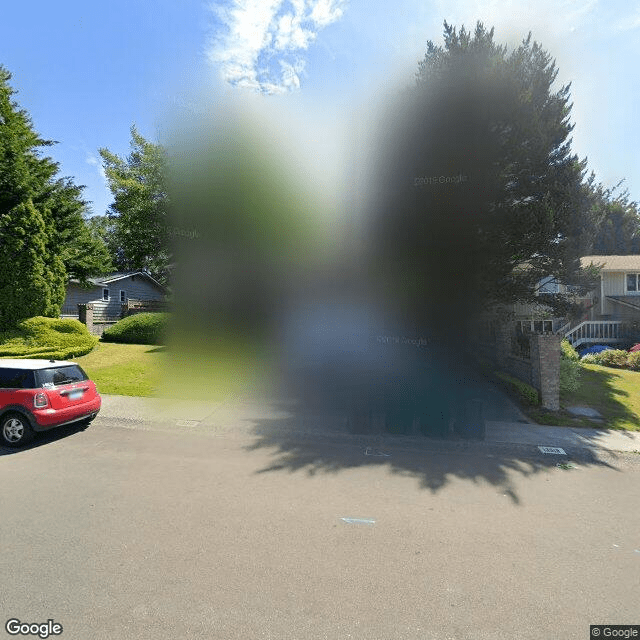
13918 129th Place NE, Kirkland, WA 98034
To contact a resident: (425) 823-7981
For more information about senior living options: (866) 208-4318
Estera's New Hope AFH, Inc. Costs & Pricing
At Estera's New Hope AFH, Inc., the monthly costs reflect a commitment to providing quality care in a supportive environment. For semi-private accommodations, residents can expect to pay $5,500, which is notably higher than both the King County average of $4,430 and the state average of $4,267. Similarly, private rooms and one-bedroom units are priced at $6,500 each, surpassing the county's average of $5,034 and state's average of $4,772 for private rooms as well as the county's $5,127 for one-bedroom options. These rates indicate that while Estera's New Hope may be on the higher end in comparison to local and state figures, they likely reflect enhanced services and amenities designed to ensure a comfortable living experience for their residents.
| Floor plans | Estera's New Hope AFH, Inc. | King County | Washington |
|---|---|---|---|
| Semi-Private | $5,500 | $4,430 | $4,272 |
| Private | $6,500 | $5,034 | $4,774 |
| 1 Bedroom | $6,500 | $5,127 | $4,634 |
Memory care communities with a similar price nearby
-
from +$1000 / mo

The Promised Land
$6,500 / month5.0 miles away -
from +$500 / mo
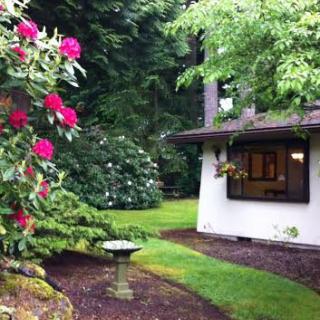
Home Away From Home LLC
$6,000 to $7,000 / month11.7 miles away -
from +$500 / mo
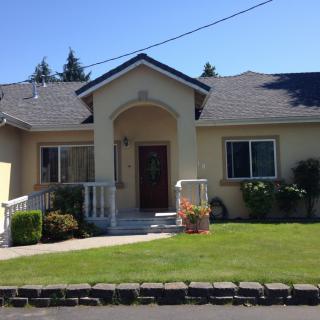
Elderly Home Care
$6,000 to $8,000 / month2.7 miles away -
from +$250 / mo
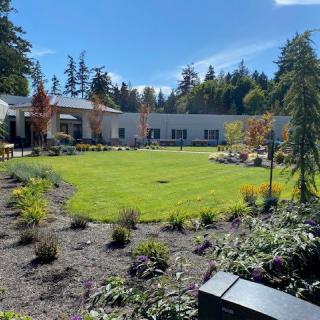
Fieldstone Rolling Bay and Fieldstone Memory Care
$5,750 to $8,895 / month16.2 miles away -
from +$500 / mo
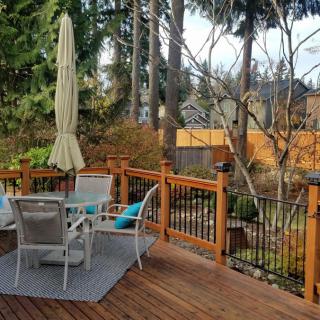
Blue Horizon Adult Family Home
$6,000 to $7,000 / month23.5 miles away
Overall Review of Estera's New Hope AFH, Inc.
Pros
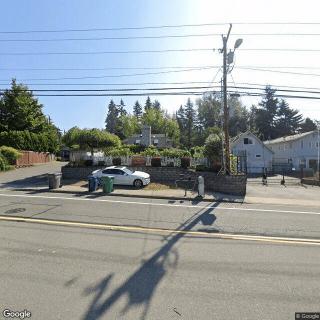
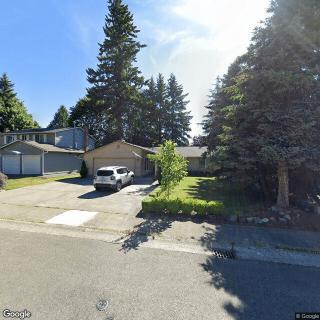
 The house is spacious, classy, and immaculately clean.
- The staff are friendly, courteous, and charming.
- The residents seem happy.
- The vibe is consistently positive during visits.
- Janice is healthy and happy thanks to the loving care she receives.
- The home is clean, well run, and a wonderful place for loved ones.
Cons
 They claim there are two fake profiles, one from Lisbon, Portugal and the other from New York, and question the legitimacy of the claims.
- They assert that their parents would never commit such a crime, suggesting that if the claims were true, they would have been shut down long ago.
- They say they have contacted other family homes and informed them of the alleged false claims.
Review
Estera's New Hope AFH in Kirkland is best suited for families seeking a warm, residential home environment where care feels personal, unpretentious, and consistently well tended. This community works well for seniors who value a tidy, spacious setting and staff who know residents by name and routine. The appeal lies in a house-like atmosphere that blends dignity, daily engagement, and clean, attractive surroundings, rather than the institutional feel of larger campuses. Residents who thrive here are likely those who respond to routine, enjoy social interaction in a small-group setting, and appreciate visible attentiveness from caregivers and family-like staff. For families prioritizing peace of mind through a well-run, intimate home rather than a high-rise, this AFH delivers with evident polish and heart.
Not everyone will find this format ideal, and alternatives deserve consideration. For residents needing heavy medical oversight, complex clinical interventions, or dementia care on a more structured, medicalized campus, larger assisted living communities or dedicated memory care facilities may prove more suitable. If 24/7 nursing on-site, extensive therapy services, or highly specialized behavioral programming are non-negotiable, the intimate AFH model may feel insufficient. Families with residents who require a broader continuum of care, more formal daily schedules, or a campus with centralized resources should compare options to ensure the level of medical and therapeutic support matches expectations and needs.
The strongest pros here center on environment, staff, and resident happiness, and those strengths effectively offset the most plausible drawbacks. The home itself is described as spacious, classy, and immaculately clean, which reduces stress for residents and families alike. Staff are consistently described as friendly, courteous, and charming, delivering a tone of daily warmth that translates into visible resident well-being. The most compelling proof is experiential: a resident who arrived with serious fragility has emerged healthier and more radiant, a story that speaks to sustained, compassionate engagement and a stable routine. The overall vibe, positive, engaged, and respectful, creates a foundation where care quality feels dependable and personal.
There are practical considerations to address during due diligence. Prospective families should verify licensing and ask for a transparent breakdown of staffing patterns, including typical ratios, shift overlap, and what medical supports are available on-site or on-call. Inquire about daily schedules, meal offerings, activity calendars, and opportunities for family participation, because these elements anchor the home-like experience. It is wise to request recent examples of care plans and to talk to current families about communications, response times, and how changes in health or mood are monitored. Given the online chatter around negative posts in some markets, it is prudent to assess credibility and focus on direct, in-person impressions from caregivers and resident interactions.
The profile of residents who will most benefit is clear: those who flourish with personalized attention in a compact, social, and aesthetically pleasing setting, where staff know their preferences and routines. This environment supports emotional well-being, consistent routines, and meaningful engagement, elements that often drive sustained happiness and a sense of belonging. Conversely, seniors requiring advanced medical management, highly structured dementia care, or a broader clinical ecosystem should explore options with more formal support networks. The recommendation is to prioritize a thorough visit, interviews with care staff, and candid conversations with families currently residing or recently transitioned, to ensure alignment with expectations and the resident’s trajectory.
Bottom line: Estera's New Hope AFH stands out as a top-tier choice for families prioritizing a home-like, clean, and people-centered care experience in Kirkland. The combination of a spacious, well-kept setting, a staff culture that radiates warmth, and demonstrable resident improvement creates a compelling case for choosing this path for suitable seniors. However, the realities of care needs coming with advancing health demands mean some families should still consider larger, more medically integrated communities if 24/7 nursing or dementia-focused programming is non-negotiable. With diligent visits, clear questions about staffing and care plans, and firsthand conversations with residents and their families, confidence in a well-matched placement will rise, and the decision will feel grounded in tangible, everyday quality rather than impression alone.
 Board and Care Home
 Memory Care
 Activities off-site
 Cable or satellite TV
 Devotional services off-site
 Full kitchen
 Ground floor units
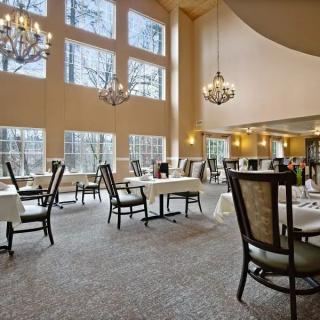
 Indoor common areas
 Outdoor common areas
 Private
 Private bathrooms
 Respite or short term stays offered
 Wheelchair accessible showers
 Wi-Fi/high-speed internet available
 Seattle-Tacoma International (20 miles away)
 Diabetic care
 High acuity care
 Incontinence care
 Medication management
 Kosher
 BBQs or picnics
 Birthday parties
 Live musical performances
 Stretching classes
 Visiting Rabbi
 Visiting chaplain or priest
 Nourishing the Mind: Essential Dietary Approaches for Dementia
 Understanding Dementia Behaviors: Practical Insights and Strategies for Caregivers
 When Dementia Sparks Anger and Aggression: Understanding the Connection and Ways to Cope