
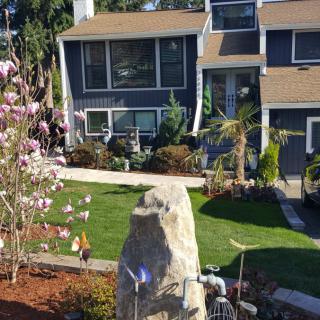
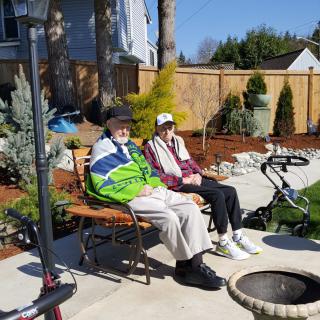
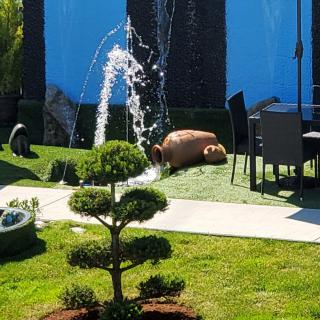
13806 123rd Ave NE, Kirkland, WA 98034
To contact a resident: (425) 749-8714
For more information about senior living options: (866) 208-4318
Overlake Adult Family Home Costs & Pricing
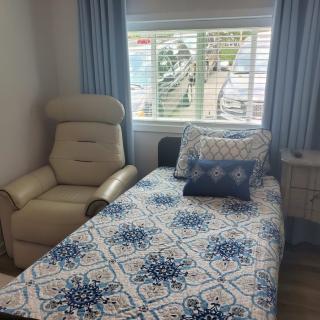
Overlake Adult Family Home offers a range of accommodation options at competitive rates compared to the broader market in King County and the state of Washington. The monthly cost for a semi-private room is $4,000, which is notably lower than both the county average of $4,430 and the state average of $4,267. For those seeking more privacy, private rooms are available at $5,000, slightly under the King County average of $5,034 and above the state average of $4,772. Studio apartments are priced at $8,000 - significantly higher than both county and state averages (which stand at $4,464 and $4,126 respectively). Lastly, for a one-bedroom option priced at $9,000, Overlake remains above both local ($5,127) and state ($4,632) benchmarks. These figures indicate that while some offerings may exceed regional averages - particularly for studios and one-bedroom units - Overlake Adult Family Home remains particularly competitive for semi-private and private accommodations in comparison to its neighbors.
| Floor plans | Overlake Adult Family Home | King County | Washington |
|---|---|---|---|
| Semi-Private | $4,000 | $4,430 | $4,272 |
| Private | $5,000 | $5,034 | $4,774 |
| Studio | $8,000 | $4,464 | $4,128 |
| 1 Bedroom | $9,000 | $5,127 | $4,634 |
Memory care communities with a similar price nearby
-
from -$500 / mo
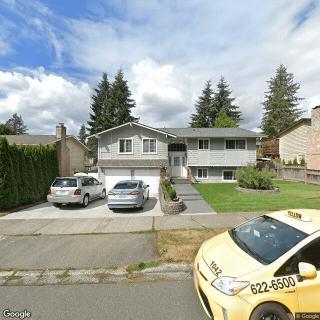
Dignity Life
$3,500 / month8.0 miles away -
from -$625 / mo
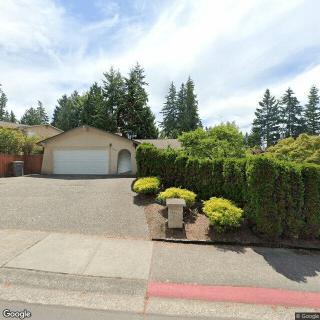
Evergreen Manor Senior Care Inc
$3,375 to $7,500 / month2.0 miles away -
About the same

Riverton Home Care
$4,000 to $5,000 / month18.0 miles away -
About the same
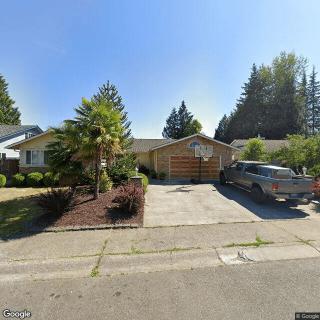
Gentle Care Home
$4,000 to $5,500 / month19.0 miles away -
from +$500 / mo
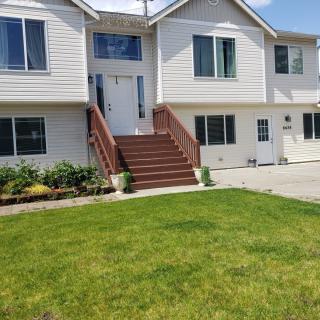
We Care Adult Family Home
$4,500 to $8,000 / month15.5 miles away
Overall Review of Overlake Adult Family Home
Pros
 It is the place to be for all care needs.
- Its priority is on the people they care for.
- It is a place where every person counts.
- It is homely and very warm for both employees and residents.
- They are caring, compassionate, and creative.
- They are highly recommended.
Cons
 She was not easy and had dementia as well as other medical issues.
Review
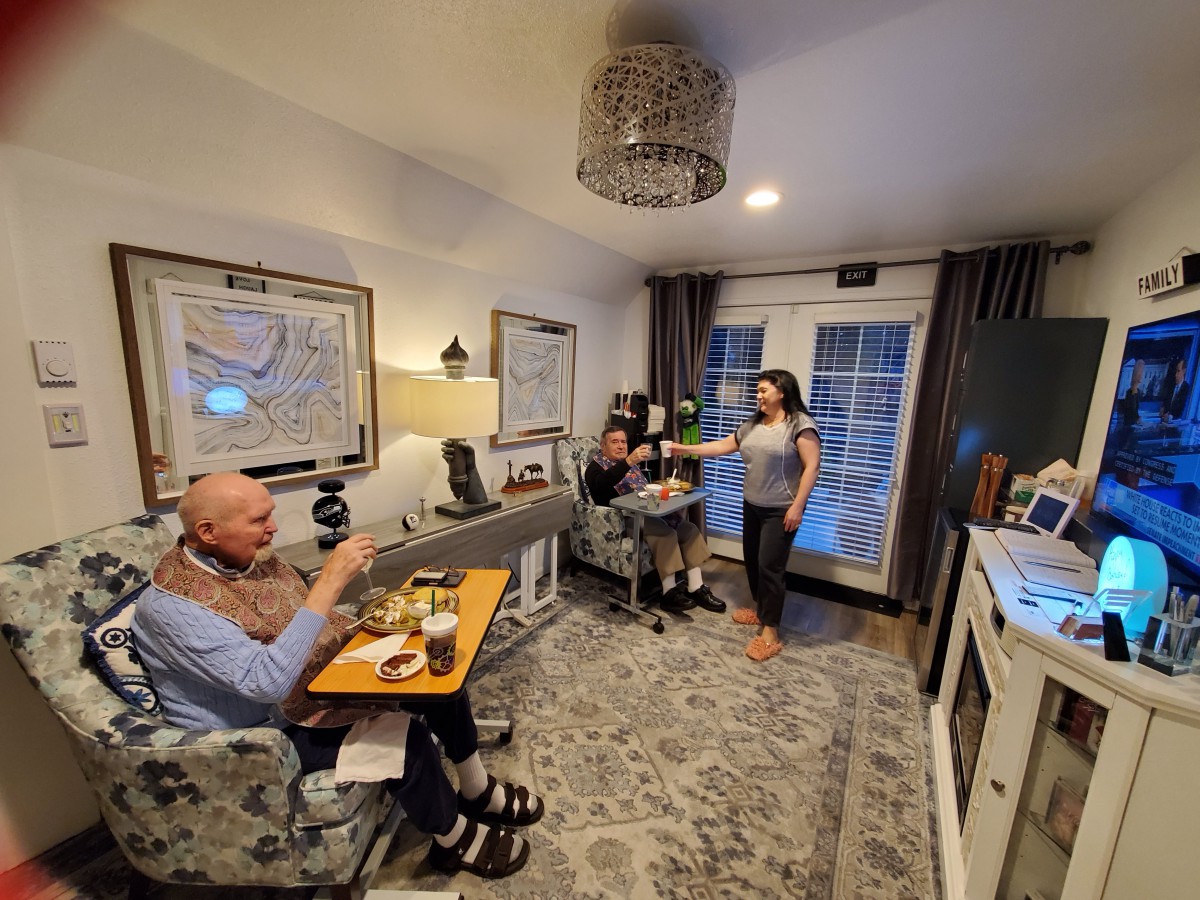
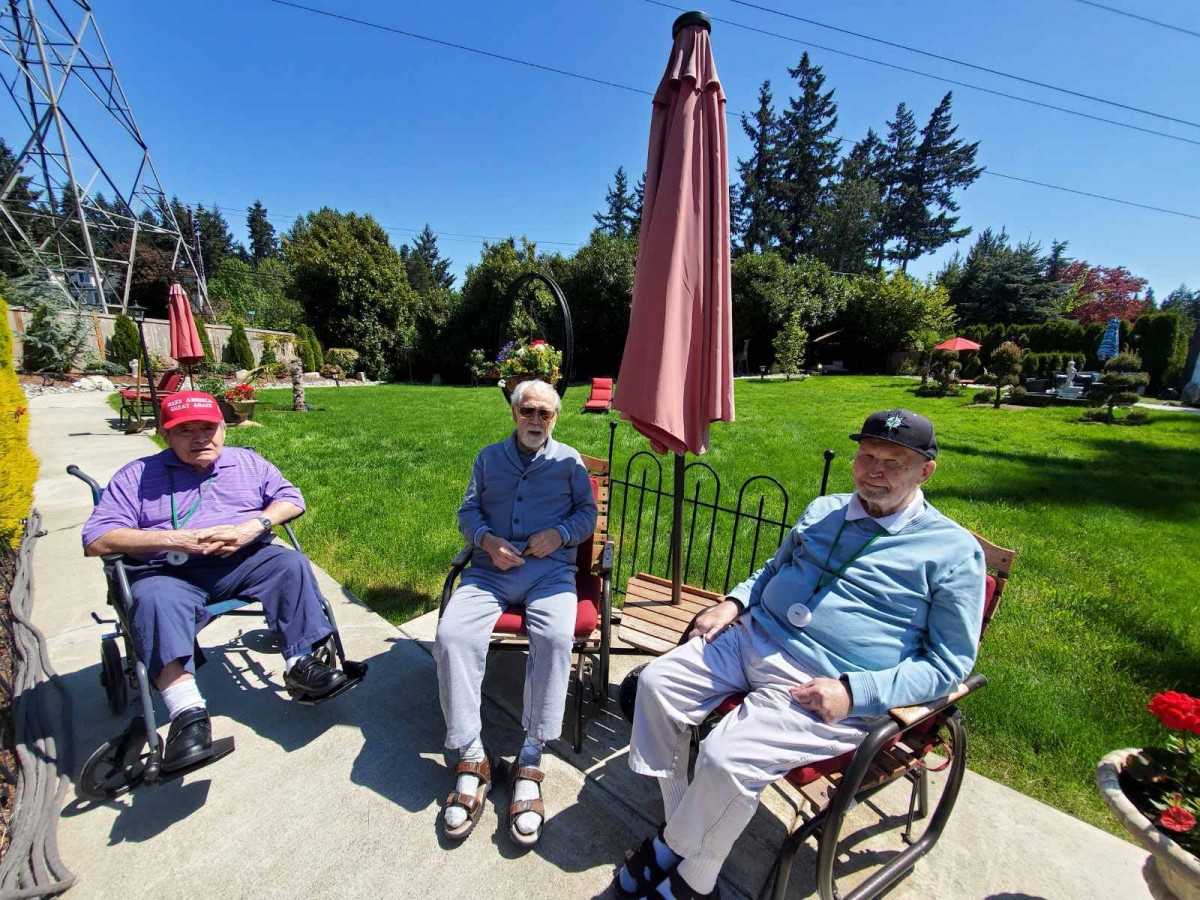
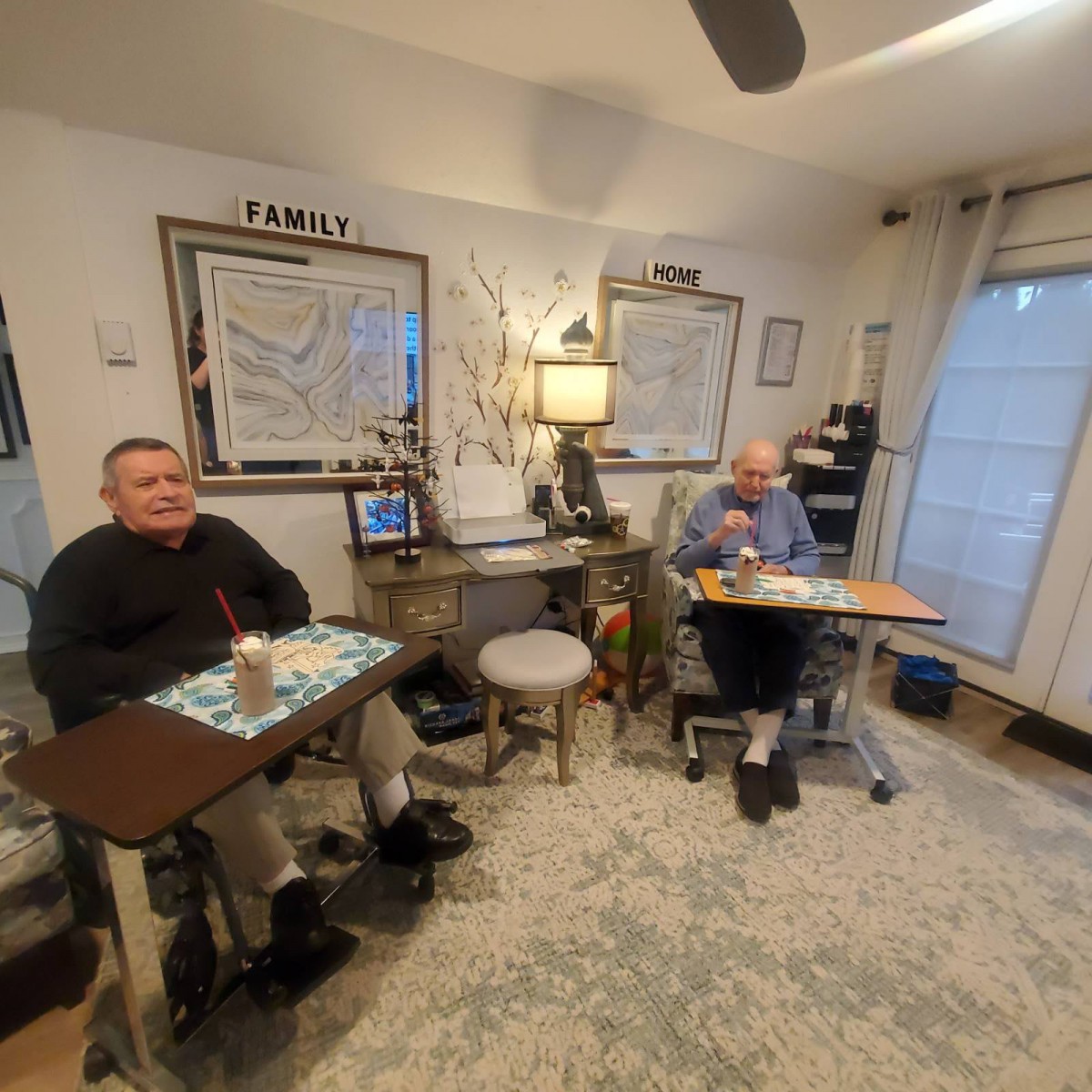
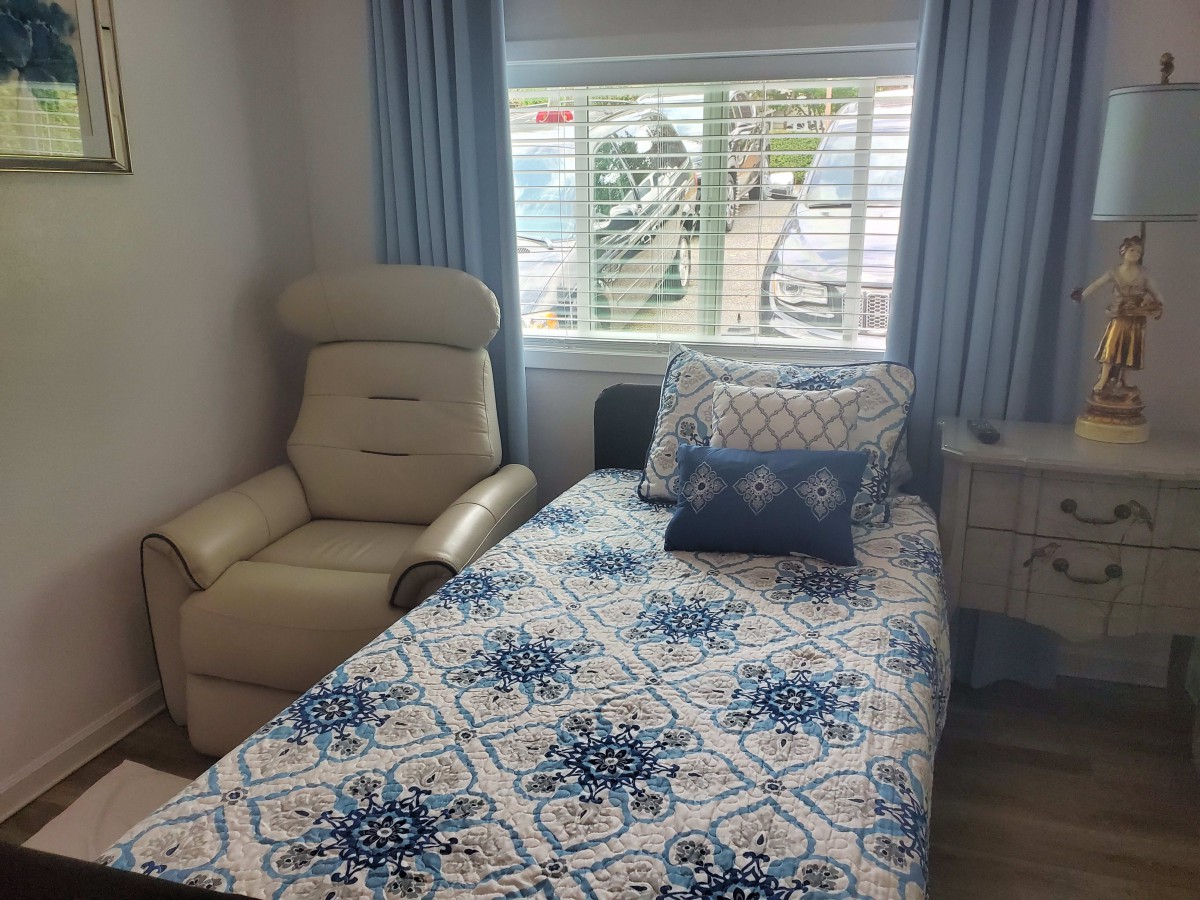
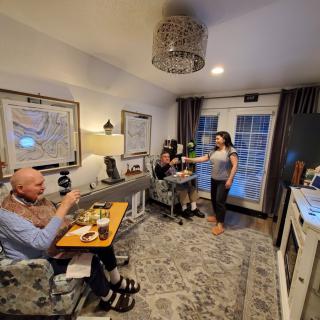
Overlake Adult Family Home in Kirkland is best suited for seniors who want a tight-knit, home-like environment where caregiving feels personal and consistently attentive. The community shines for families seeking a warm, human-centered approach with ongoing companionship and practical help with daily activities. Residents who thrive here tend to value routine, genuine interaction, and a setting where every person is treated as a cared-for member of a small, caring family. The atmosphere is repeatedly described as homely and welcoming, with an emphasis on peace of mind and everyday warmth rather than formality.
Those who may want alternatives are families looking for a more clinical setting or one with broader medical oversight and structured memory-care programming. If a resident requires frequent on-site nursing, rehabilitation services, or a wide menu of therapies, a larger assisted living community or dedicated memory-care facility may deliver the coverage and scheduling needed. The intimate, family-run format can mean fewer layers of specialized resources, which may translate into slower access to certain types of professional expertise for some residents.
The strongest pros center on a genuine people-first culture. Caregivers are described as caring, compassionate, and creative, delivering care in a way that feels more like a partnership than a routine task. The home atmosphere supports meaningful daily interactions, social moments, and a sense that each day has purpose. This kind of environment often reduces anxiety for both residents and families, fostering trust around care planning and daily decisions. For residents with dementia or other medical needs, the emphasis on dignity and personalized attention can translate into steadier routines and a calmer day-to-day experience.
Another clear advantage is staff morale and resident engagement. Anecdotes from a family perspective highlight staff who enjoy their work and bring a sense of fun to daily life, which in turn enhances the living experience. A smaller setting enables more flexible scheduling, personalized activities, and rapid responsiveness to changing needs. Families gain peace of mind knowing the caregiving team is not merely performing tasks but building a meaningful, ongoing relationship with the resident and with the family, which often translates into smoother care coordination and fewer friction points.
Nevertheless, the trade-offs of a family-operated home are worth considering. The warmth and personalization can come with limits on the breadth of services, including fewer on-site medical professionals, less formal programming, and a narrower range of advanced therapies. Prospective families should verify practical details, caregiver-to-resident ratios, around-the-clock coverage, how care is coordinated with outside physicians, and the availability of specialty activities focused on memory care. If those elements matter deeply, it may be prudent to compare with larger facilities that offer more robust clinical oversight and a broader menu of services.
Overall, Overlake AFH stands out for seniors who want a trusted, intimate environment that treats everyday care as a relationship rather than a checklist. For those who thrive on warmth, continuity, and highly personalized engagement, the pros clearly offset the potential limitations. But if a resident requires heavy clinical oversight, frequent therapy, or a formal memory-care program, exploring alternatives will likely yield a closer fit. Families should visit, meet the caregivers, observe interactions, and ask direct questions about daily routines, access to medical support, and opportunities for social and cognitive activities. The feedback from caregivers, residents, and families points to a home where every person counts, care is delivered with heart, and genuine peace of mind is the expected outcome.
 Board and Care Home
 Memory Care
 Cats allowed
 Dogs allowed
 Activities on-site
 Air-conditioning
 Beautician on-site
 Cable or satellite TV
 Full kitchen
 Ground floor units
 Handicap accessible
 Indoor common areas
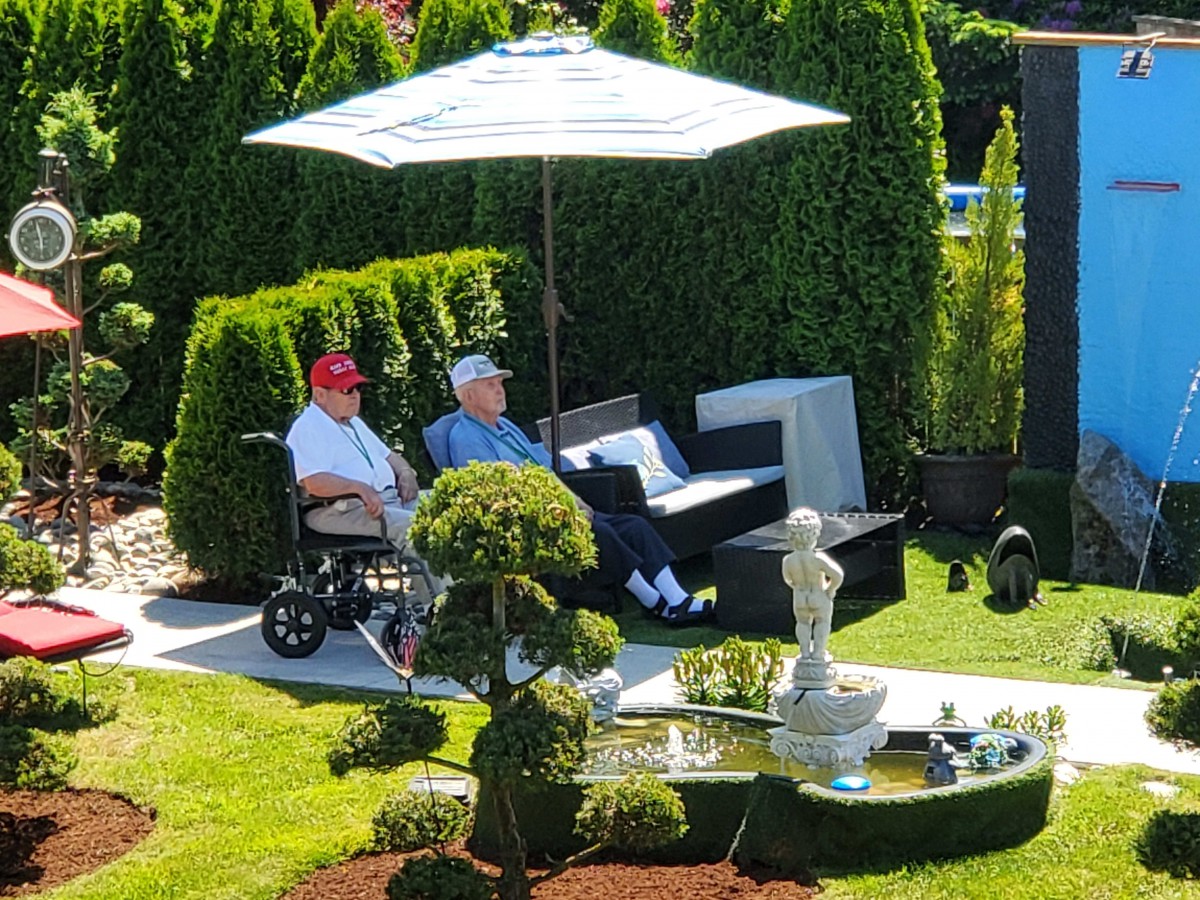
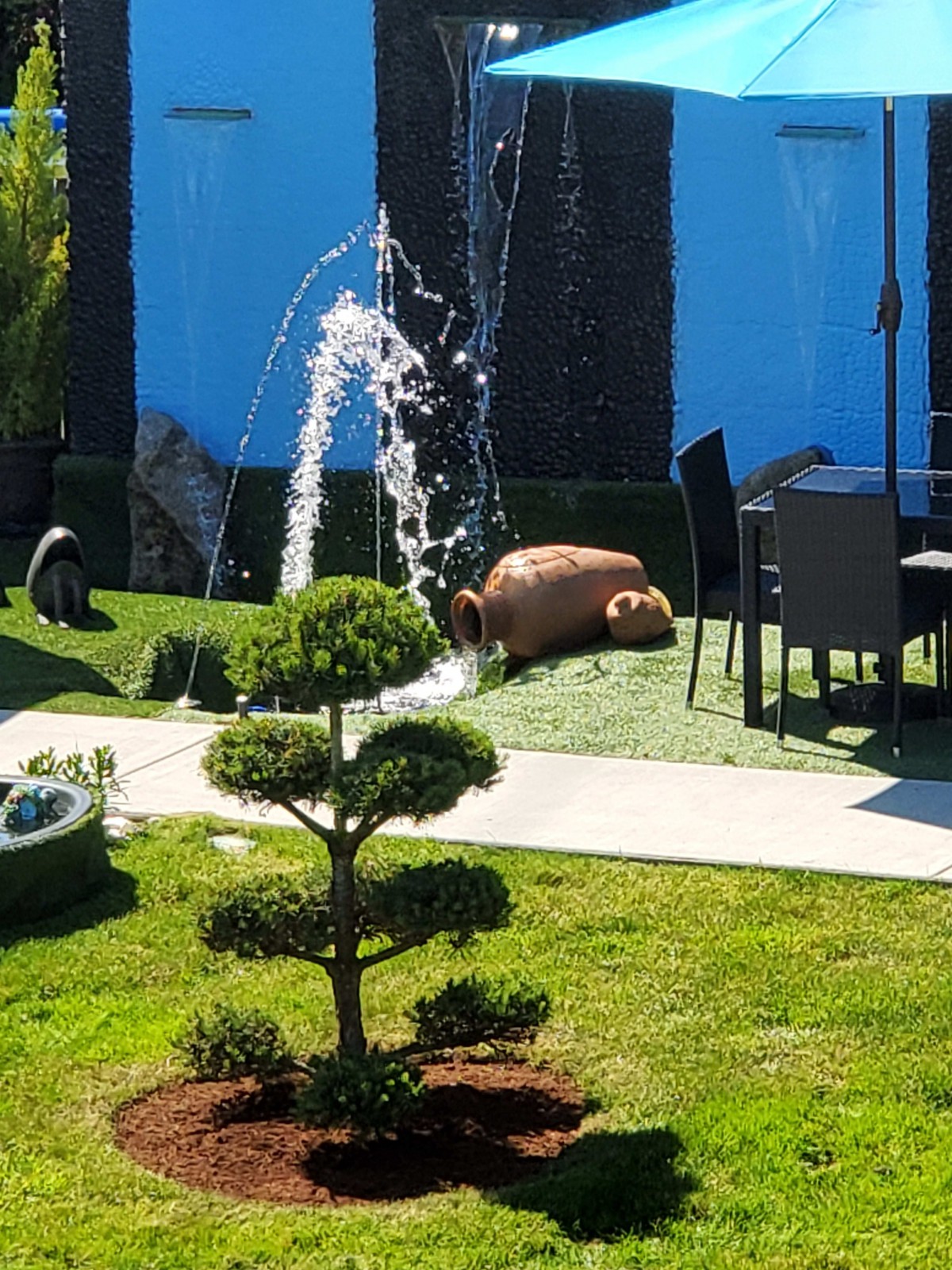
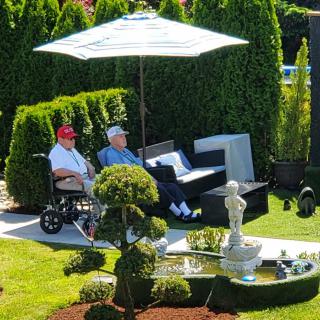
 Outdoor common areas
 Private
 Respite or short term stays offered
 Wheelchair accessible showers
 Wi-Fi/high-speed internet available
 Seattle-Tacoma International (20 miles away)
 Diabetic care
 High acuity care
 Incontinence care
 Medication management
 International cuisine
 Art classes
 BBQs or picnics
 Birthday parties
 Karaoke
 Live musical performances
 Pet-focused programs
 Stretching classes
 Visiting chaplain or priest

 Illuminating Insights About Alzheimer's Disease: Ten Crucial Realities
 A Thorough Discussion of Medications Potentially Linked to Dementia Risk
 Why Do Dementia Patients Sleep So Much? Understanding Oversleeping, Stages, and Care Approaches