
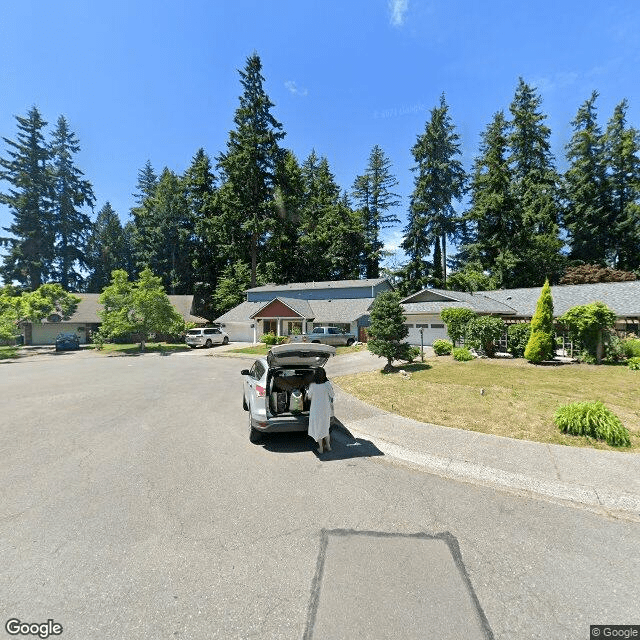
13823 119th Avenue NE, Kirkland, WA 98034
To contact a resident: (425) 820-7507
For more information about senior living options: (866) 208-4318
Mari's Home Care Costs & Pricing
Mari's Home Care offers a range of room types with pricing that reflects both the quality of care provided and the competitive landscape in King County and Washington State. For a studio, residents can expect to pay between $4,000 and $8,000 monthly, aligning closely with the county average of $4,464 and slightly above the state average of $4,126. The pricing for private rooms stands at a flat rate of $8,000, which is higher than the county average of $5,034 and the state average of $4,772. Similarly, semi-private accommodations are also priced at $8,000 monthly - substantially exceeding both local and state averages of $4,430 and $4,267 respectively. Lastly, one-bedroom units are offered at the same rate of $8,000 each month while sitting above both King County's average of $5,127 and Washington State's average of $4,632. Overall, Mari's Home Care positions itself in a premium segment within this regional market while focusing on delivering exceptional care to its residents.
| Floor plans | Mari's Home Care | King County | Washington |
|---|---|---|---|
| Studio | $4,000 to $8,000 | $4,464 | $4,128 |
| Private | $8,000 | $5,034 | $4,774 |
| Semi-Private | $8,000 | $4,430 | $4,272 |
| 1 Bedroom | $8,000 | $5,127 | $4,634 |
Memory care communities with a similar price nearby
-
from -$500 / mo
Dignity Life
$3,500 / month8.0 miles away -
from -$625 / mo
Evergreen Manor Senior Care Inc
$3,375 to $7,500 / month2.1 miles away -
About the same

Riverton Home Care
$4,000 to $5,000 / month17.9 miles away -
About the same
Gentle Care Home
$4,000 to $5,500 / month19.1 miles away -
from +$500 / mo
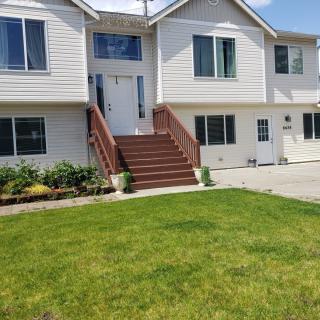
We Care Adult Family Home
$4,500 to $8,000 / month15.5 miles away
Overall Review of Mari's Home Care
Pros
 It is the place to be for all care needs.
- Its priority is on the people they care for.
- It is a place that every person counts.
- It is homely and very warm for both the employees and the people cared for.
- Congrats Peace of Mind.
Review
Mari’s Home Care in Kirkland, WA is best suited for seniors and families who want a small, home-like setting where care feels personal and every resident is treated as a distinct individual. The available impressions emphasize a people-first focus, with care that centers on the person rather than the program. For families seeking peace of mind through a warm, homely atmosphere where staff know residents by name and care plans feel individualized, this community offers a compelling match.
Those who may want to consider alternatives include seniors needing more formalized medical oversight or a broader menu of on-site services. If 24/7 licensed nursing, complex clinical management, or specialized memory-care programming are non-negotiables, a larger licensed assisted living or memory-care community may deliver the level of medical staffing and structured programming those needs require. Families should also weigh location convenience, transportation options, and the desire for a more expansive activity calendar, which can be harder to find in a smaller, home-based setting.
The strongest pros center on the warmth and attentiveness that permeate daily life. Review-language highlights a priority on people and a culture where “every person counts,” with a homelike environment that feels welcoming for residents and staff alike. Those conditions tend to translate into higher emotional security, easier adjustments for new residents, and clearer, more compassionate communication with caregivers. In practical terms, this can mean more consistent eye contact, quicker recognition of subtle changes in wellbeing, and a sense that care is tailored rather than delivered in a one-size-fits-all fashion.
Crucially, these advantages must be weighed against inherent limits of smaller, home-style operations. The available public feedback does not reveal explicit drawbacks, but the structure of such settings often means leaner staffing profiles and a narrower service array compared with larger facilities. Families should probe for practical details: regular access to licensed nursing, medication management, care coordination with outside providers, and the ability to accommodate a resident with evolving medical needs. The absence of a broad amenities repertoire may matter to those who value a highly choreographed activity schedule or extensive on-site therapies.
How the favorable elements offset potential gaps becomes a matter of priorities. For families prioritizing emotional safety, continuity of care, and a genuine sense of belonging, the warmth and person-centered approach of Mari’s Home Care can offset the absence of a sprawling program or heavy clinical infrastructure. The “Peace of Mind” sentiment captured in the positive feedback signals that families feel heard, respected, and confident that their loved ones are valued. In practical terms, this translates into steadier daily routines, clearer caregiver-resident relationships, and more transparent, compassionate communication during care transitions or health changes.
The bottom-line choice hinges on the resident’s care requirements and the family’s expectations for daily life. If the priority is a tightly knit, homelike environment where staff invest in knowing preferences and maintaining a comforting sense of home, Mari’s Home Care stands out as a thoughtfully designed option. If, however, the situation demands robust medical staffing, a broader activity slate, or specialized memory-care features, exploring larger assisted living communities or facilities with dedicated clinical oversight is advisable. In either case, a thorough visit is essential: request a current care plan sample, meet the caregiving team, ask about staff ratios and on-call coverage, and verify licensing and grievance processes. These steps will illuminate how the pros align with personal goals and reveal any gaps before committing.
 Board and Care Home
 Memory Care
 Cats allowed
 Dogs allowed
 Activities on-site
 Bath tubs
 Beautician on-site
 Devotional services off-site
 Indoor common areas
 Outdoor common areas
 Private
 Private bathrooms
 Respite or short term stays offered
 Wheelchair accessible showers
 Seattle-Tacoma International (20 miles away)
 Diabetic care
 High acuity care
 Incontinence care
 Medication management
 Kosher



 Why Do Dementia Patients Sleep So Much? Understanding Oversleeping, Stages, and Care Approaches
 8 Key Indicators That Suggest It May Be Time to Transition from Assisted Living to Skilled Nursing Care
 Nourishing the Mind: Essential Dietary Approaches for Dementia