
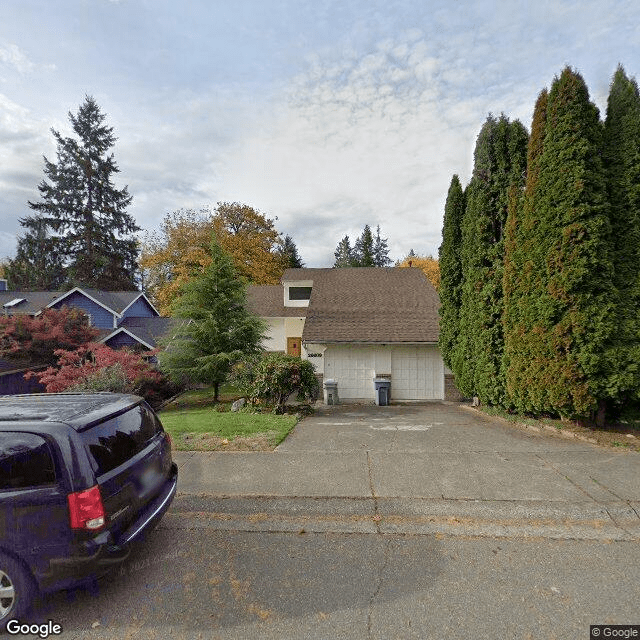
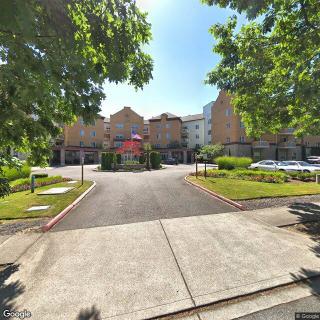
26609 199th PL SE, Covington, WA 98042
To contact a resident: (253) 630-7705
For more information about senior living options: (866) 208-4318
Senior Care AFH Costs & Pricing
When considering the costs associated with Senior Care Adult Family Homes (AFHs) in the context of King County and Washington State, it's clear that Senior Care AFH offers a competitive pricing structure. For a semi-private room, residents can expect to pay $3,500 per month, which is significantly lower than the county average of $4,430 and the state average of $4,267. Private room accommodations at Senior Care AFH are available for $4,000, again more affordable compared to King County's rate of $5,034 and Washington's average of $4,772. Additionally, their one-bedroom units are also priced at $4,000 monthly - an appealing option when contrasted with the county's higher cost of $5,127 and the state's typical charge of $4,632. Overall, Senior Care AFH provides valuable care options that offer both comfort and cost-effectiveness in an increasingly challenging financial landscape for senior living arrangements.
| Floor plans | Senior Care AFH | King County | Washington |
|---|---|---|---|
| Semi-Private | $3,500 | $4,430 | $4,272 |
| Private | $4,000 | $5,034 | $4,774 |
| 1 Bedroom | $4,000 | $5,127 | $4,634 |
Memory care communities with a similar price nearby
-
from -$125 / mo
Evergreen Manor Senior Care Inc
$3,375 to $7,500 / month23.4 miles away -
from -$500 / mo
Hummingbird Homecare
$3,000 / month10.4 miles away -
from +$500 / mo

Riverton Home Care
$4,000 to $5,000 / month12.8 miles away -
from -$500 / mo
Home Care in Kent Inc.
$3,000 to $3,500 / month6.4 miles away -
from +$500 / mo
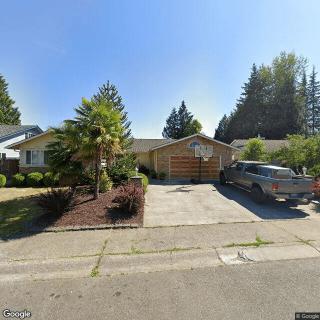
Gentle Care Home
$4,000 to $5,500 / month6.6 miles away
Overall Review of Senior Care AFH
Pros
 The facility is amazing and clean.
- The environment is really caring overall.
- The staff are very nice.
- The home is clean, simple, and organized.
- The rooms are very comfortable, clean, and personable.
- The setup includes a nice yard with a covered deck.
Cons
 None. The provided reviews contain only positive statements.
Review
Senior Care AFH in Covington is best suited for families seeking a small, home-like assisted living option where cleanliness, personal attention, and a neighborhood feel trump institutional size. The setting appeals to those who want a warm, low-key environment for an elder adult who does not require high-acuity medical care but still needs reliable daily support. The strongest signal from the two households reviewing the community is a sense of care that shows up in a clean, orderly home, and in staff who are described as genuinely nice and attentive. For families prioritizing a comfortable private space, a simple layout, and easy interactions with caregivers, this is a compelling match.
Key advantages center on a clean, cared-for atmosphere and approachable, personable staffing. The facility is praised as amazing and clean, with a home that is simple yet organized. Rooms are described as comfortable and personable, reinforcing the impression of a lived-in, welcoming space rather than a clinical setting. The yard and covered deck provide a safe, inviting outdoor area, contributing to daily quality of life by supporting sunlight, fresh air, and casual outdoor time. The neighborhood context matters too, offering a sense of normalcy and security that often translates into better residents’ mood and easier visits from family members.
That said, potential residents should explicitly consider alternatives if care needs escalate beyond what a small AFH can reliably provide. The reviews do not indicate extensive on-site medical staffing or advanced rehabilitative services, and the intimate scale of an adult family home typically means limited access to memory-care specialization, 24/7 nursing, or formal therapy programs. Families whose elder requires frequent skilled nursing tasks, complex medication regimens, or dementia-specific programming may find that larger assisted living communities or dedicated memory-care facilities offer more comprehensive coverage and planned activities. In short, this setting shines for daily comfort and companionship, not for high-acuity or highly structured care.
How the core strengths offset the potential misses becomes a practical lens for decision-making. The same features that create a homey feel, cleanliness, organization, and a calm, personable staff, also support reliable day-to-day care because caregivers can establish routines and know residents well. A simple, well-kept interior reduces confusion and stress, while a cozy, yard-equipped environment invites safe outdoor time that’s often harder to achieve in larger campuses. In a setting where trust and familiarity matter, the warmth of the staff can compensate for the absence of a bigger activity calendar or on-site specialists, provided expectations are aligned with what a small home can realistically deliver.
For families evaluating this option, a practical checklist helps translate impressions into a decision. Schedule a tour and observe how staff interact not only with the prospective resident but with allies in the family who accompany them. Ask about daily schedules, the scope of medication management, and how transitions in level of care are handled as needs evolve. Inquire about accommodations for memory-related challenges, if relevant, and whether external providers can be coordinated smoothly. Confirm bed availability, transparency on costs, and the ability to coordinate with outside hospice or rehab services if those needs arise. The neighborhood itself, quiet, safe streets and nearby amenities, also warrants a short visit to assess day-to-day livability.
Bottom line: Senior Care AFH in Covington delivers a clean, welcoming, home-like environment with a clearly caring staff, comfortable rooms, and an outdoor space that enhances daily living. It is an especially strong fit for families prioritizing intimate care, predictability, and a social atmosphere that feels like a well-maintained residence rather than a facility. However, for seniors who require extensive medical oversight, dementia-specific programming, or robust on-site rehabilitation, more expansive communities will likely be a better match. In the right circumstances, this AFH offers dependable daily quality of life with a level of personal attention that larger settings often struggle to match.
 Board and Care Home
 Memory Care
 Activities on-site
 Bath tubs
 Beautician on-site
 Indoor common areas
 Outdoor common areas
 Private
 Wheelchair accessible showers
 Seattle-Tacoma International (12 miles away)
 Diabetic care
 High acuity care
 Incontinence care
 Medication management
 Kosher
 Five Subtle Dementia Indicators to Observe: An In-Depth Guide to Understanding “Does My Mom Have Dementia?”
 Dementia, Paranoia, and Caregiver Guidance: Understanding the Connection
 Engaging Memory Care Activities That Enhance Quality of Life