
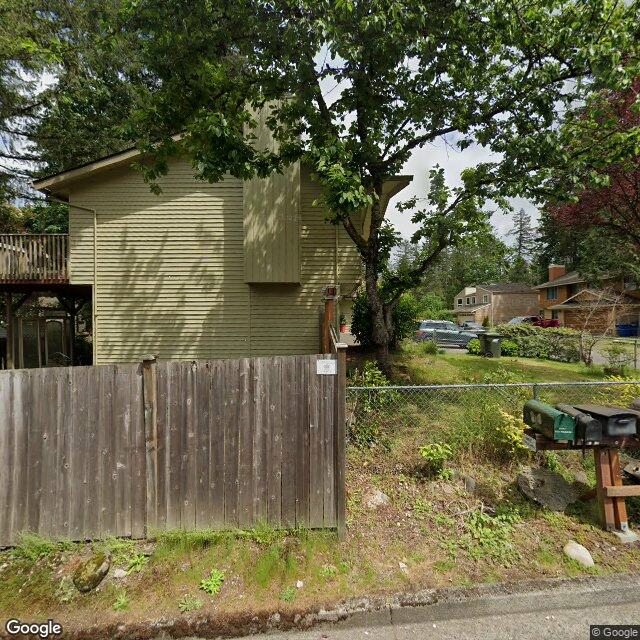
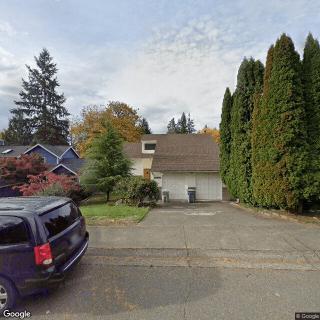
26308 185th Ave. SE, Covington, WA 98042
To contact a resident: (253) 638-8338
For more information about senior living options: (866) 208-4318
Angela's Adult Family Home Costs & Pricing
Angela's Adult Family Home offers competitive pricing for its services compared to the broader context of King County and the state of Washington. For a semi-private room, residents pay $3,000 per month, which is significantly lower than the county average of $4,430 and the state average of $4,267. Those opting for a private room at Angela's can expect a rate of $3,500 per month, again more affordable than both King County's average of $5,034 and Washington's statewide average of $4,772. This pricing structure positions Angela's Adult Family Home as an attractive option for individuals seeking quality care without the financial burden typically associated with similar facilities in the area.
| Floor plans | Angela's Adult Family Home | King County | Washington |
|---|---|---|---|
| Semi-Private | $3,000 | $4,430 | $4,272 |
| Private | $3,500 | $5,034 | $4,774 |
Memory care communities with a similar price nearby
-
from +$375 / mo
Evergreen Manor Senior Care Inc
$3,375 to $7,500 / month23.0 miles away -
About the same

Hummingbird Homecare
$3,000 / month10.0 miles away -
About the same
Home Care in Kent Inc.
$3,000 to $3,500 / month5.6 miles away -
from +$500 / mo

Twin Lakes Haven Adult Family Home
$3,500 to $8,000 / month13.0 miles away -
from -$500 / mo
Freedom Care
$2,500 to $3,000 / month7.9 miles away
Overall Review of Angela's Adult Family Home
Pros
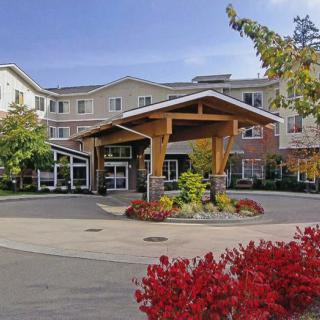
 The home is safe, clean, and cheery in a quiet neighborhood.
- The caregivers are compassionate and provide individual attention to residents.
- The residents are happy and have lived there for many years.
- Angela treats residents like family and is described as a gem with TLC.
- The environment is warm and family-friendly.
- Angela educates families about adult family home care, taking time to answer questions and discuss services to determine the right fit.
Review
Angela’s Adult Family Home in Covington is best suited for seniors who want a warm, home-like environment where care feels intimate and resident needs receive personalized attention. The setting is quiet and residential, described as safe, clean, and cheery. Families will notice caregivers who know residents well, offering individualized attention rather than a one-size-fits-all approach. The atmosphere centers on treating residents as members of a family rather than as patients, with a leadership style that comes across as deeply caring. For seniors who value continuity, stability, and a sense of belonging, this community provides a compelling fit.
Potential buyers should consider alternatives if the priority is higher-acuity medical care or a more structured, facility-scale program. This home-style option naturally focuses on daily caregiving in a small, intimate setting rather than on the broad clinical services found in larger assisted living campuses. Those needing constant on-site skilled nursing, intensive therapy, or memory-care environments with specialized programming should look toward facilities designed to deliver that level of clinical oversight. Similarly, if a robust activity calendar, campus amenities, or on-site multidisciplinary teams are non-negotiable, a larger community may better meet expectations.
The strongest positives here, personalized attention, warmth, and a familial care approach, consistently offset the limitations of a small home setting. Caregivers are described as compassionate and attentive, with residents who have stayed for many years signaling strong satisfaction and stability. Angela’s leadership stands out as a defining strength: she engages families thoughtfully, educates them about what adult family home care entails, and remains accessible during tough decisions. The home’s cleanliness, safety, and the “family-like” culture reinforce trust, while comments about Angela and her staff reflect genuine affection from residents and their families. This combination of direct, attentive care and a supportive, guided admission process creates a fortress of reassurance for families navigating difficult transitions.
That same intimate scale is what makes the pros so meaningful in real-world terms. When a caregiver notices a small change in a resident’s routine or mood, responses are immediate and personal, not filtered through layers of staff. The long-tenured resident base adds to predictability, which can ease the decision for families anxious about ongoing care. The hands-on education provided during inquiries helps families understand what home care should look like, preventing mismatches between expectations and service. In practice, this translates into fewer surprise gaps in daily life, with residents experiencing consistency, routine, and a sense of belonging that larger, more clinical settings can struggle to replicate.
Nevertheless, potential drawbacks should be weighed honestly. The most obvious gap is limited medical infrastructure: the home cannot replicate the full spectrum of on-site medical oversight found in larger facilities. For families who require continuous nursing presence, rapid access to specialized therapies, or highly structured dementia programming, this setting may fall short. The smaller environment also means fewer on-site amenities and a less expansive roster of social or therapeutic activities, though the warmth and familiarity often compensate by fostering meaningful, smaller-group interactions. The key to a good fit lies in aligning medical needs and desired activity breadth with the intimate, high-touch care model.
In the end, Angela’s Adult Family Home stands out for families prioritizing warmth, continuity, and a genuine sense that care happens within a family environment. It is a strong match for seniors who value individualized attention, stable caregiving relationships, and a direct, compassionate leadership approach. For those whose priorities include extensive medical resources, high-level skilled nursing, or a large, activity-rich campus, alternatives should be explored. Prospective families should visit to observe caregiving dynamics, meet Angela, and discuss staffing ratios, emergency protocols, and care plans to ensure the match is as strong in practice as it appears on paper.
 Board and Care Home
 Memory Care
 Activities off-site
 Beautician on-site
 Devotional services off-site
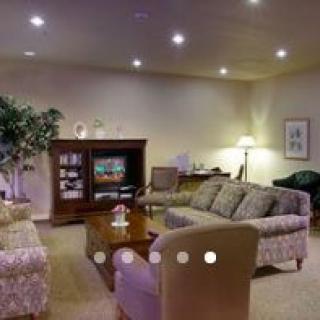
 Indoor common areas
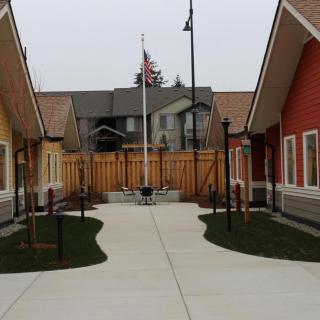
 Outdoor common areas
 Private
 Respite or short term stays offered
 Wheelchair accessible showers
 Seattle-Tacoma International (12 miles away)
 High acuity care
 Incontinence care
 Medication management
 Kosher
 Christian services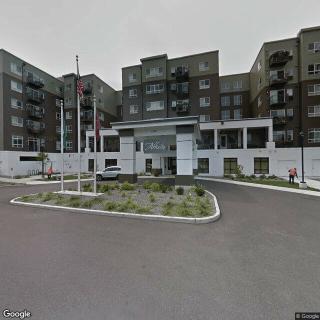

 A Holistic Dementia Care Guide: Effective Strategies for Memory Support
 Memory Care Pathways: A Holistic Guide to Dementia Support
 Comprehending Evening Confusion in Dementia: Causes, Manifestations, and Support