
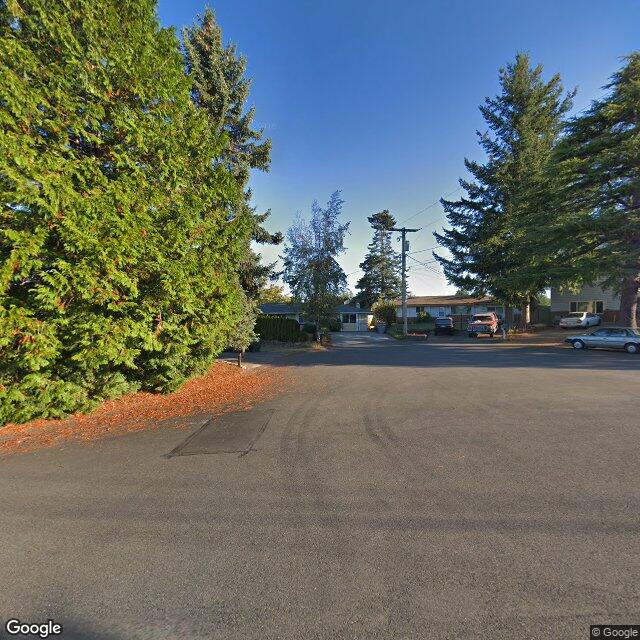
11038 SE 213th St, Kent, WA 98031
To contact a resident: (206) 612-0692
For more information about senior living options: (866) 208-4318
Brooklyn Manor AFH Costs & Pricing
Brooklyn Manor AFH offers competitive pricing for its residents, with both private rooms and one-bedroom accommodations available at $3,000 per month. This rate is significantly lower than the average costs in King County, which stand at approximately $5,034 for private rooms and $5,127 for one-bedroom units. In the broader context of Washington State, where average prices are around $4,772 and $4,632 respectively, Brooklyn Manor AFH presents an appealing option for those seeking quality care without the high expense typically associated with assisted living facilities. This combination of affordability and comprehensive care makes Brooklyn Manor a compelling choice for families considering options in the region.
| Floor plans | Brooklyn Manor AFH | King County | Washington |
|---|---|---|---|
| Private | $3,000 | $5,034 | $4,774 |
| 1 Bedroom | $3,000 | $5,127 | $4,634 |
Memory care communities with a similar price nearby
-
from +$375 / mo
Evergreen Manor Senior Care Inc
$3,375 to $7,500 / month19.7 miles away -
About the same

Hummingbird Homecare
$3,000 / month10.6 miles away -
About the same
Caring Adult Family Home #1
$3,000 / month24.4 miles away -
About the same
Home Care in Kent Inc.
$3,000 to $3,500 / month1.8 miles away -
from +$500 / mo

Twin Lakes Haven Adult Family Home
$3,500 to $8,000 / month10.3 miles away
Overall Review of Brooklyn Manor AFH
Pros
 The owner Maggie was a delight, very professional and polite.
- The other residents were sweet.
- The house was very neat and clean.
Cons
 The house was very cold temperature-wise.
- The staff did not appear to be terribly attentive to the residents.
- The mom would not fit in at this AFH.
- The rooms were quite small.
- The location in downtown Kent between two sets of railroad tracks was not ideal.
- The roads were very rough.
Review
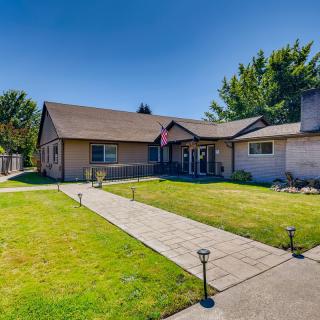
Brooklyn Manor AFH in Kent is best suited for families seeking a small, home-like, owner-operated environment where personal oversight is the dominant feature. The standout asset is the owner, Maggie, whose professionalism and courteous demeanor create a calm, respectful atmosphere. The house itself is neat and clean, and the residents present as friendly and pleasant. This setting tends to appeal to those who want a warm, intimate footprint rather than a sprawling campus, and who are comfortable with a tighter physical footprint and a more hands-on, personalized approach from the person-in-charge. It is not a setting built for high-volume care or rapid staff responsiveness, but for a certain kind of resident and family dynamic, the intentional, small-house model can feel comforting and manageable.
At the same time, clear cautions pull families toward alternatives. The strongest caveat is temperature control: the home reportedly runs very cold, which matters for residents sensitive to chill, those with circulation issues, or anyone who dislikes drafts and cool interiors. Staffing responsiveness is another concern, with notes that attendants were not consistently attentive to residents, a red flag for families needing reliable assistance and timely help. Room size is limited, and while the environment is tidy, the compact spaces can feel confining for those who prioritize larger, more private living areas. Finally, fit is an issue: while residents in general were described as sweet, the reviewer’s mom would not fit in socially, signaling that a mismatch in personality, routines, or social preferences can be a decisive factor.
The tangible advantages , a professional owner, a clean, orderly home and a small, neighborly feel , do provide genuine value, but they do not fully offset the primary drawbacks. The owner’s engagement tends to translate into courtesy, clear communication, and a steady point of accountability, which can reduce stress for families seeking clarity and consistency. Cleanliness and a neat presentation matter, especially for families prioritizing a well-maintained living space. However, the persistent cold environment, uncertain staffing attentiveness, and the limited room sizes undermine comfort and ongoing quality of life, particularly for residents who require more frequent assistance or who benefit from larger, more homelike living areas. The social fit concern further narrows the pool of ideal residents, making this option less versatile than it appears at first glance.
For families weighing next steps, practical verification is essential. Prospective movers should request a temperature profile that shows how heating is managed across bedrooms, common areas, and outdoor spaces, and seek a demonstration of how quickly a resident can summon help or receive a timely response. Inquire about typical staff-to-resident ratios, call-light responsiveness, and whether any staffing adjustments are planned to address gaps in attentiveness. Arrange a longer visit at different times of day to observe how warmth, activity, and interactions unfold in practice. Ask to meet the owner and several frontline staff in a relaxed setting to gauge compatibility with the resident’s routines, preferences, and pace.
Location considerations also deserve sober scrutiny. The downtown Kent setting, between railroad tracks with rougher road surfaces, can contribute to noise, traffic, and accessibility concerns for medical appointments or errands. For residents who value easy access to quieter streets, parks, or less congested neighborhoods, these factors can meaningfully impact daily life and safety. If proximity to transit, road quality, and neighborhood calm are priorities, it is prudent to compare with other nearby assisted living options that offer more serene surroundings and steadier environmental conditions, without sacrificing essential care and oversight.
In the end, Brooklyn Manor AFH will appeal to families seeking a tightly run, owner-led home where courtesy and order are evident, and where a resident can thrive in a compact, sociable, well-kept setting. It is less suitable for those who need consistent warmth, vigorous staffing support, expansive private spaces, or a calmer external environment. The prudent path is to align expectations with the resident’s care needs, social preferences, and tolerance for a cooler interior and a downtown-influenced footprint. If warmth, strong staffing, or larger, more flexible living space are non-negotiables, alternatives in the same area should be prioritized to avoid compromising on essential comfort and safety.
 Board and Care Home
 Memory Care
 Cats allowed
 Dogs allowed
 Activities off-site
 Bath tubs
 Beautician on-site
 Devotional services off-site
 Indoor common areas
 Outdoor common areas
 Private
 Respite or short term stays offered
 Wheelchair accessible showers
 Seattle-Tacoma International (6 miles away)
 Diabetic care
 High acuity care
 Incontinence care
 Medication management
 Meals provided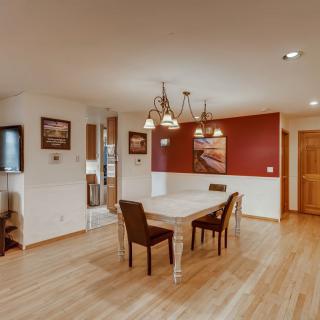
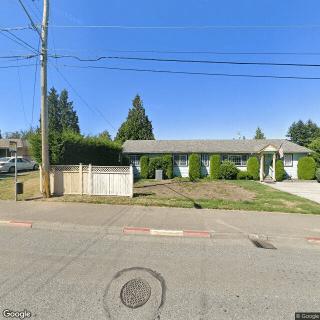
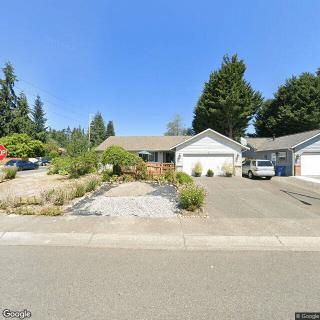
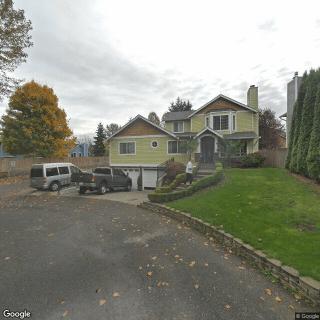

 When to Transition from Assisted Living to Memory Care: Key Indicators, Steps, and Finding the Right Community
 Understanding the Distinctions: Assisted Living and Memory Care Explained
 How to Communicate with a Loved One Living with Dementia: 10 Supportive Strategies