
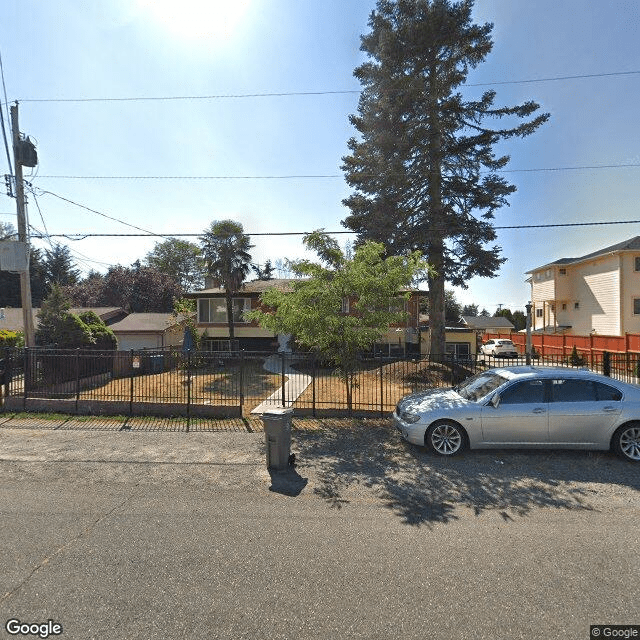
20049 104th Pl SE, Kent, WA 98031
To contact a resident: (253) 520-4799
For more information about senior living options: (866) 208-4318
Affable Caring Costs & Pricing
Affable Caring offers competitive pricing for its services, with both the one-bedroom and private room options set at $3,000 per month. This pricing stands in stark contrast to the median costs in King County and the broader state of Washington, where similar accommodations average around $5,127 and $4,632 respectively for a one-bedroom unit, and approximately $5,034 and $4,772 for private rooms. These figures indicate that Affable Caring provides exceptional value while maintaining a commitment to quality care. By positioning itself significantly below the regional averages, Affable Caring not only makes its services more accessible but also highlights its dedication to fostering an environment of comfort and support for its residents.
| Floor plans | Affable Caring | King County | Washington |
|---|---|---|---|
| Private | $3,000 | $5,034 | $4,774 |
| 1 Bedroom | $3,000 | $5,127 | $4,634 |
Memory care communities with a similar price nearby
-
from +$375 / mo
Evergreen Manor Senior Care Inc
$3,375 to $7,500 / month19.0 miles away -
About the same
Hummingbird Homecare
$3,000 / month11.2 miles away -
About the same
Caring Adult Family Home #1
$3,000 / month23.7 miles away -
About the same
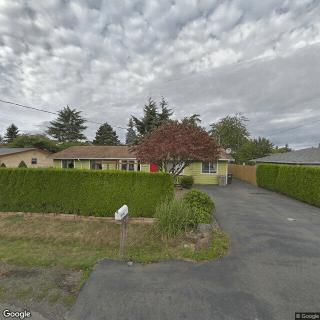
Home Care in Kent Inc.
$3,000 to $3,500 / month2.3 miles away -
from +$500 / mo

Twin Lakes Haven Adult Family Home
$3,500 to $8,000 / month10.4 miles away
Overall Review of Affable Caring
Pros
 They are very friendly, and the house resident is nice and clean.
- They would recommend this Affable Adult Family Home.
- They treat their patients like family.
- It is very clean, a wonderful place, and it feels like home.
Review
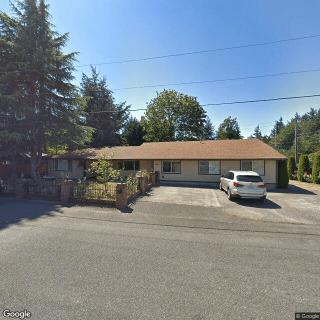
Affable Caring in Kent, Washington is best suited for seniors who want a warm, home-like setting where thanks to a small-house model, caregiving feels personal and attentive. The community stands out for its genuine friendliness, with staff who know residents by name and treat them like family. Cleanliness is a clear constant, and the environment consistently reads as safe, comfortable, and unpretentious. Families seeking a less institutional, more intimate living arrangement will find this option particularly compelling: daily life is structured around familiar routines, respectful interactions, and a palpable sense of belonging. In short, Affable Caring delivers the kind of dignity and warmth that can make a transition from independent living feel natural rather than obligatory.
Those who should consider alternatives tend to be seniors with higher medical acuity or specialized care needs. If on-site nursing supervision is non-negotiable, or if memory-care-specific programming and targeted therapies are essential, a larger assisted-living community or dedicated memory-care facility may serve better. This setting is not designed to function as a hospital floor or a full-scale rehab hub; it operates best as a compact, supportive home where daily care remains manageable and personalized. Families dealing with complex wound care, profound mobility challenges, or frequent skilled-nursing interventions should evaluate whether additional clinical resources are readily accessible nearby.
The strongest pros, the friendly, family-oriented culture and the impeccable cleanliness, are not merely feel-good qualities. They translate into practical advantages: residents experience less stress and confusion because caregivers establish predictable routines and respond quickly to needs. The intimate environment fosters open communication with family members, enabling caregivers to tailor activities, meal planning, and medication reminders with a level of nuance that larger communities struggle to match. The home-like ambiance also makes routine tasks, bathing, dressing, meals, feel less clinical and more dignified, reinforcing independence where possible and reducing the emotional burden of care.
That said, the most obvious potential drawback centers on scale. A smaller, home-based setting may have fewer formal amenities, fewer on-site medical professionals, and limited immediate access to specialized services. For families prioritizing extensive social programming, hospital-grade clinical oversight, or a broad spectrum of rehabilitation options, these gaps could become meaningful. Privacy, while generally well-guarded, can also feel more communal simply due to the closer quarters and frequent interpersonal contact. While every review is glowing, it is wise to gauge actual capacity for emergency situations and confirm how medical issues are managed when complex needs arise.
The core advantage framework, personalized attention, family-style care, and a spotless, comforting environment, offsets many potential limitations for many residents by delivering reliability, warmth, and a sense of security that larger facilities may struggle to reproduce. For those who can thrive within a tightly knit routine and who do not require constant nursing interventions, Affable Caring often delivers a higher perceived value than more institutional options. Pros offset the cons most effectively when the resident’s goals center on maintaining autonomy in a familiar setting and on sustaining meaningful social connection, rather than on accessing a full spectrum of on-site medical or rehabilitative services.
In making a decision, families should press for clarity on a few practical points before committing. Inquire about the staffing model, how many caregivers per shift, and whether a licensed clinician is readily available for medication management or urgent medical questions. Ask how care plans are developed, updated, and shared with family, and whether visiting clinicians can be incorporated into ongoing care. Explore the availability of emergency protocols and how quickly outside hospital services can be engaged if needed. Finally, verify whether dementia-focused activities or memory-care support is available on-site or nearby in a trusted partner facility. If the answer aligns with the resident’s care trajectory, Affable Caring represents a confident, well-suited choice; if not, alternatives with broader medical resources may be the prudent path.
 Board and Care Home
 Day Program
 Memory Care
 Bath tubs
 Devotional services off-site
 Full kitchen
 Handicap accessible
 Indoor common areas
 Outdoor common areas
 Private
 Respite or short term stays offered
 Wheelchair accessible showers
 Seattle-Tacoma International (5 miles away)
 Ambulatory care
 Diabetic care
 High acuity care
 Incontinence care
 Medication management
 Kosher
 Understanding Medicaid Coverage for Assisted Living: A Comprehensive Guide
 How and When Medicaid May Cover Assisted Living Costs
 A Detailed Exploration of Assisted Living Medicaid Waivers Across the United States