
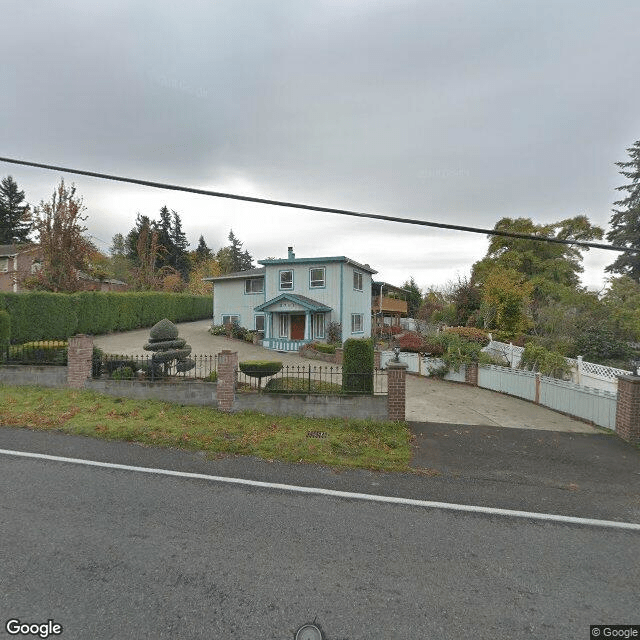
9701 S. 200 St, Kent, WA 98031
To contact a resident: (253) 856-2790
For more information about senior living options: (866) 208-4318
Evergreen Home Service Costs & Pricing
Evergreen Home Service's monthly costs stand at $6,000 for both private rooms and one-bedroom accommodations, positioning them above the averages for King County and the state of Washington. In King County, the average cost for a private room is approximately $5,034, while a one-bedroom unit averages around $5,127. Looking at the broader state level, these figures drop further to about $4,772 for private rooms and $4,632 for one-bedroom options. This pricing structure suggests that Evergreen Home Service may offer additional amenities or features that justify their higher rates compared to local competitors and overall state averages, appealing to clients seeking quality care and comfort in their living arrangements.
| Floor plans | Evergreen Home Service | King County | Washington |
|---|---|---|---|
| Private | $6,000 | $5,034 | $4,774 |
| 1 Bedroom | $6,000 | $5,127 | $4,634 |
Memory care communities with a similar price nearby
-
from +$500 / mo
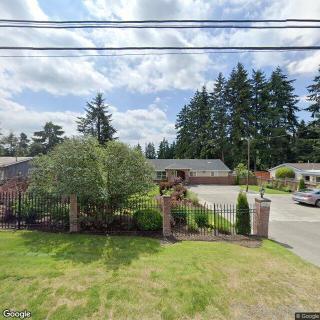
The Promised Land
$6,500 / month24.7 miles away -
About the same
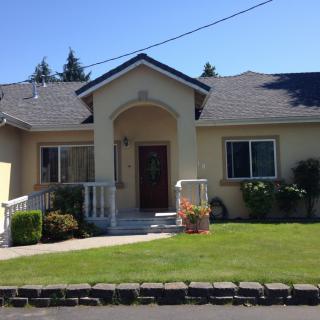
Elderly Home Care
$6,000 to $8,000 / month21.7 miles away -
from -$250 / mo
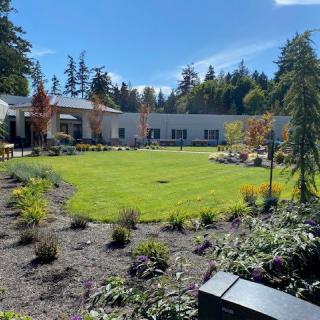
Fieldstone Rolling Bay and Fieldstone Memory Care
$5,750 to $8,895 / month21.4 miles away -
from -$500 / mo

Twin Lake Adult Family Home
$5,500 to $6,500 / month11.1 miles away -
About the same
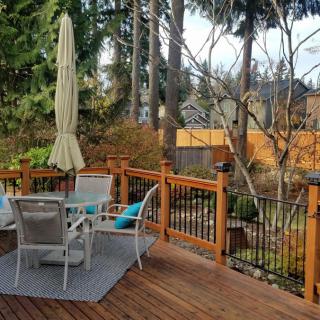
Blue Horizon Adult Family Home
$6,000 to $7,000 / month8.6 miles away
Overall Review of Evergreen Home Service
Pros
 They seem very caring and compassionate.
- The food is excellent.
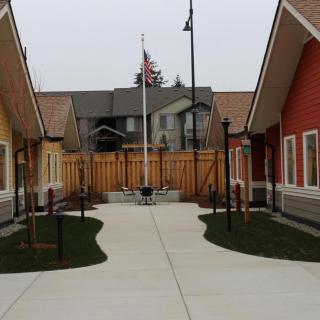
- They have a very nice courtyard with vegetables and flowers.
- They eat from the garden, which is one reason the reviewer chose this community.
Review
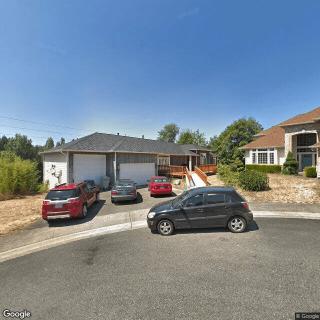
Evergreen Home Service in Kent, Washington is best suited for seniors who prize a warm, caregiver-driven environment where daily interactions with attentive staff feel dependable rather than incidental. The community appears to attract residents who savor homestyle dining and tangible connections to nature. The emphasis on a garden-forward lifestyle, courtyards filled with vegetables and flowers, and meals inspired by the garden, speaks to families seeking a setting that blends comfort with accessible, everyday beauty. In short, Evergreen seems ideal for individuals who want reassurance from compassionate caregivers and a setting that rewards regular, uncomplicated routines over clinical formality.
The strongest affirmations from the review revolve around the human touch and the kitchen. Staff are described as caring and compassionate, a quality that translates into reliable day-to-day interactions and a sense of security for families. The meals are highlighted as excellent, suggesting a kitchen program that prioritizes flavor, variety, and likely attention to residents’ preferences. The courtyard and garden emerge as more than scenery, the ability to eat from the garden signals an authentic garden-to-table ethos, offering meaningful engagement for residents who enjoy hands-on activities and a daily connection to nature. Taken together, these facets create a lived-in, homey atmosphere that many families seek when choosing care.
What remains unclear from a single account are the elements that families typically scrutinize in depth. No information is provided about pricing or value, room configurations, or the range of care levels (for example, assistance with activities of daily living, rehabilitation services, or memory care). Safety features, staffing ratios, emergency response times, and the consistency of caregiving teams are not described. Transportation options, hours of programming, and the breadth of social or enrichment activities beyond the courtyard are likewise unspecified. Because these factors often determine long-term suitability, families may want to compare Evergreen with other communities that disclose pricing structures, care tiers, and measurable outcomes.
These gaps do not erase the potential strengths noted by the reviewer. The compassionate staff and the quality of the meals offer emotional and daily-life value that can offset a perceived lack of formal medical programming for residents who require light assistance rather than intensive clinical oversight. For seniors who derive purpose from gardening or garden-inspired meals, the setting may uniquely support mood, appetite, and social connection. The courtyard acts as a daily anchor, an outdoor space that can foster movement, conversation, and spontaneous activity, which often translates into higher satisfaction for residents and peace of mind for families.
Prospective families should approach Evergreen with a clear checklist during tours. Observe how staff interact with residents in real time to gauge warmth and responsiveness. Request to sample a meal or two to assess taste, texture, and accommodation for dietary restrictions, and ask about menu rotation, portion sizes, and how residents influence meal planning. Inquire about garden-related activities, how often residents participate, what kinds of projects are available, and whether these activities adapt to different mobility levels. Seek transparency on costs, including what is included in monthly fees, any add-on charges, and how increases are handled if care needs escalate. Finally, determine what happens when a resident’s needs evolve, and whether the community can seamlessly scale its services.
In the final assessment, Evergreen can be a strong match for a resident who values a home-like atmosphere, attentive caregiving, and a dining program that treats meals as a source of daily joy and routine. The garden and courtyard add a meaningful dimension to everyday life, reinforcing a sense of purpose and belonging. However, for families prioritizing comprehensive medical oversight, extensive memory-care options, or a highly flexible pricing model, alternatives may offer better alignment. The prudent next steps are a structured site visit, candid conversations with leadership and caregivers, and a precise understanding of how Evergreen’s offerings map to the anticipated trajectory of care and budget.
 Board and Care Home
 Memory Care
 Activities off-site
 Bath tubs
 Beautician on-site
 Devotional services on-site
 Indoor common areas
 Outdoor common areas
 Private
 Private bathrooms
 Respite or short term stays offered
 Seattle-Tacoma International (5 miles away)
 Diabetic care
 High acuity care
 Incontinence care
 Medication management
 Meals provided
 Christian services
 Understanding Dementia Through Its Seven Stages: A Comprehensive Look at Progression and Expectations
 A Holistic Dementia Care Guide: Effective Strategies for Memory Support
 Comprehensive Insights into Activities of Daily Living (ADLs) and Their Assessment