20 South East Larch Avenue, College Place, WA 99324
For more information about senior living options: (866) 208-4318
3.8 from 45 reviews
5 stars
20
4 stars
10
3 stars
6
2 stars
4
1 stars
5
Eagle Springs Costs & Pricing
Eagle Springs presents a range of costs that, while reflective of its unique offerings, notably exceed those of both Walla Walla County and the broader state of Washington. For instance, the monthly fee for a semi-private room at Eagle Springs is $4,915, which is significantly higher than the county's average of $4,263 and state average of $4,267. This trend continues with studio apartments priced at $5,475 in Eagle Springs compared to a much more accessible $2,904 in Walla Walla County and $4,126 statewide. Additionally, one-bedroom accommodations are set at $6,050 at Eagle Springs, again surpassing the local ($3,359) and state ($4,632) costs by a considerable margin. These figures suggest that residents may be paying a premium for specific amenities or services that Eagle Springs provides.
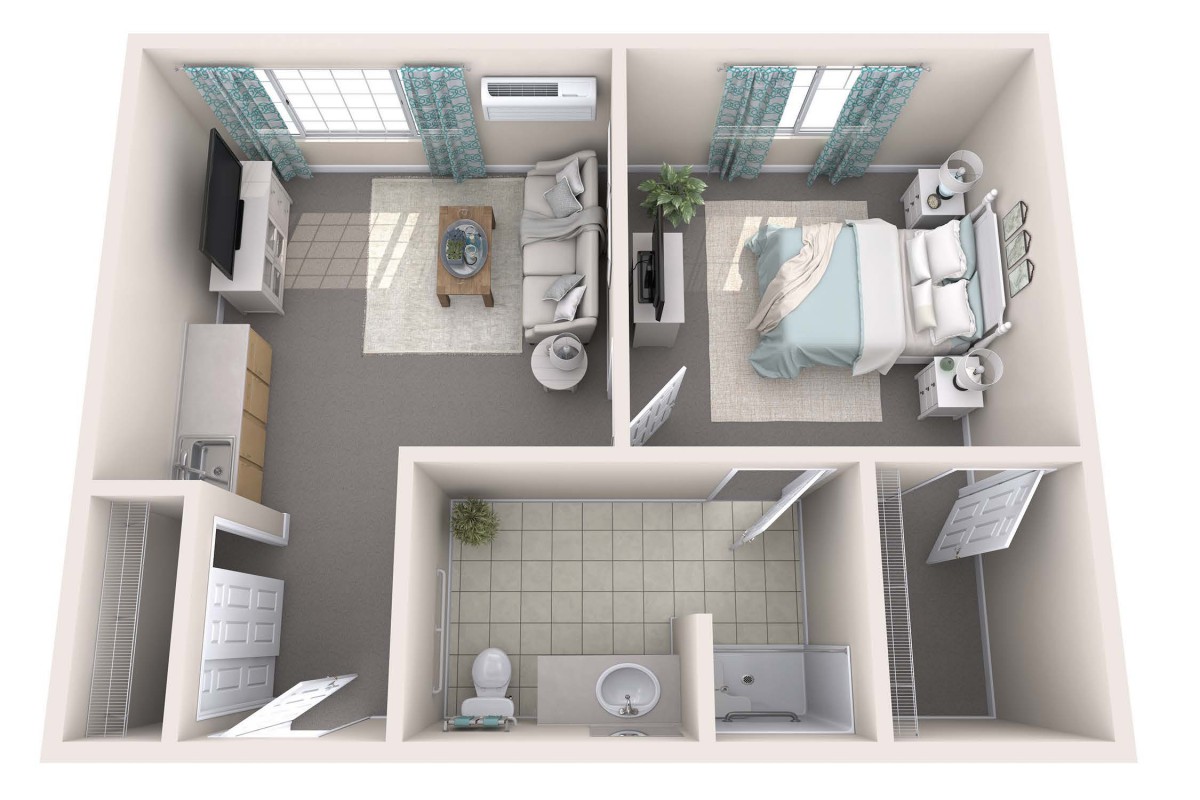
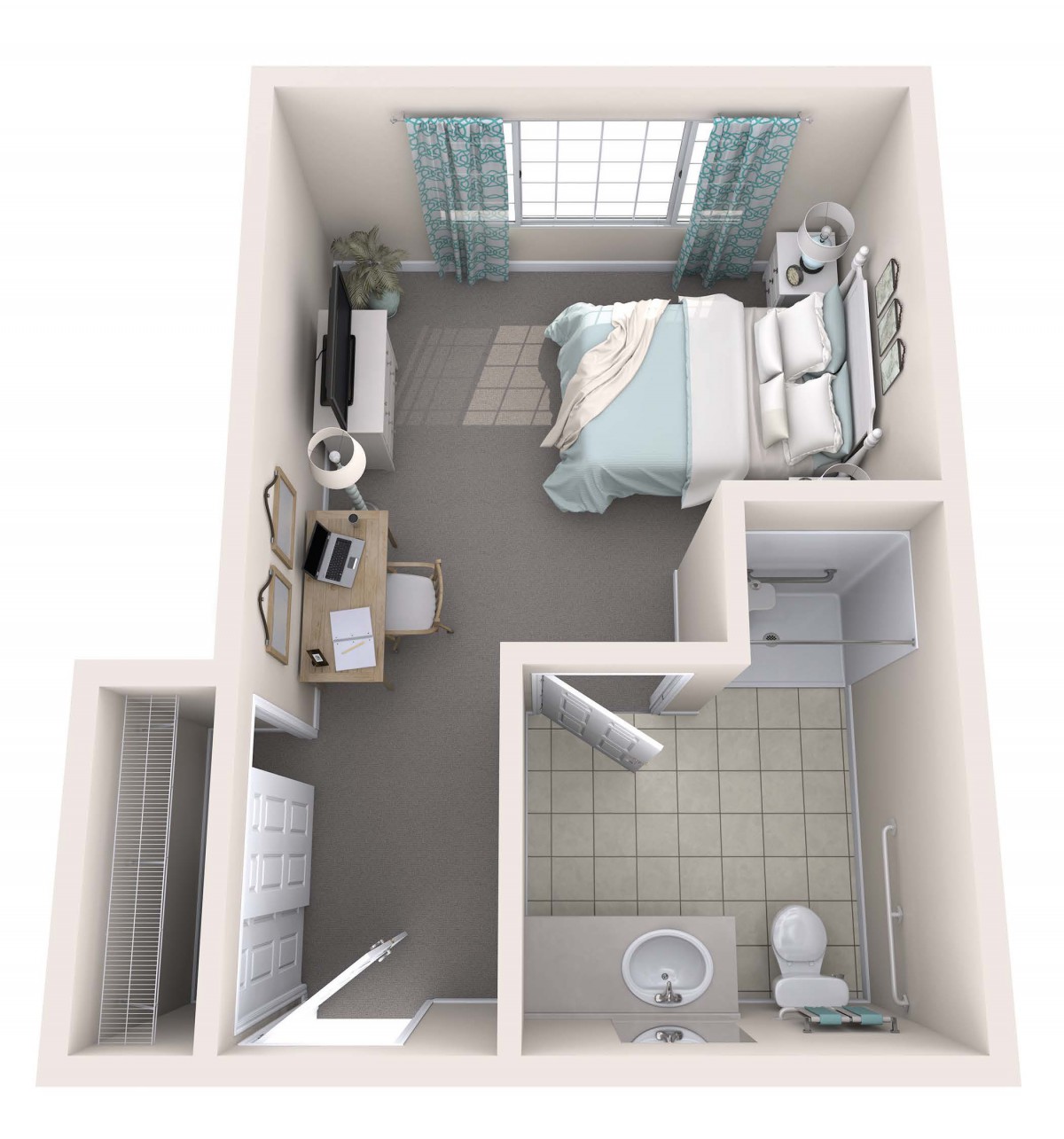
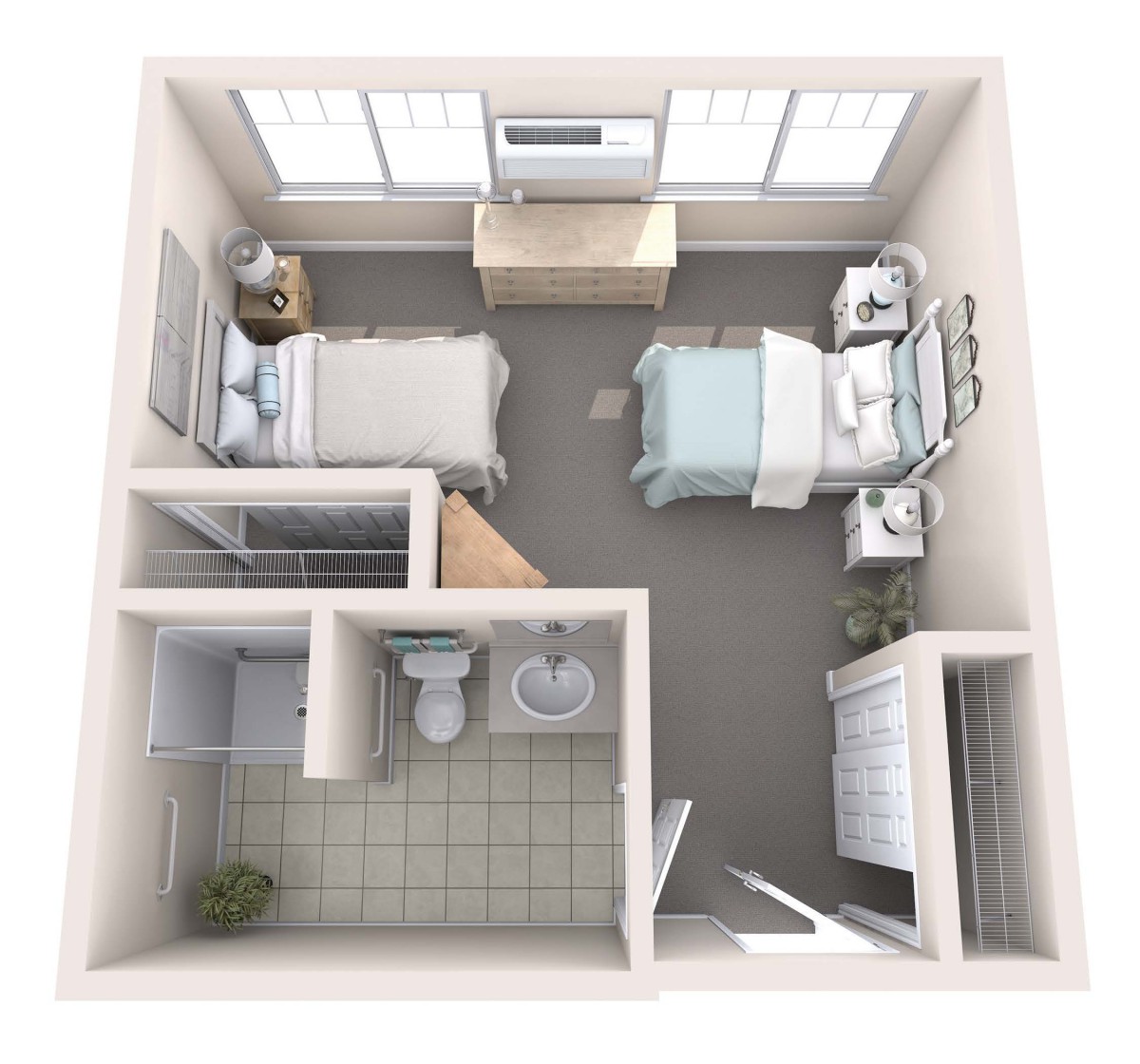
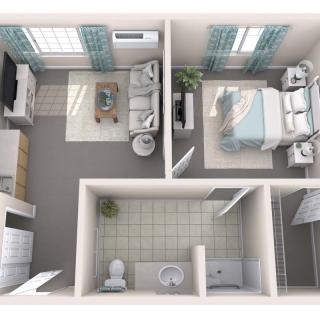
Floor plans
Eagle Springs
Walla Walla County
Washington
Semi-Private
$4,915
$4,263
$4,272
Studio
$5,475
$2,904
$4,128
1 Bedroom
$6,050
$3,359
$4,634
Overall Review of Eagle Springs
differentiator7 reviews mention this
Memory care support is central
Care is repeatedly described as focused on dementia needs.
Several reviews say the memory care approach helped residents stay comfortable and supported routines, including help with medication and daily hygiene. Others, however, question whether staff were adequately trained for specific dementia needs and describe gaps in communication around care details. A common thread is that families want clearer guidance when behaviors or health changes come up.
common18 reviews mention this
Staff responsiveness and kindness
Staff friendliness and attentiveness are a frequent highlight.
Many reviews praise staff as kind, caring, and competent, with families describing quick responses to questions and being called when something changes. Multiple residents are described as well cared for, including regular check-ins and help with personal care. A smaller set of reviews goes the other direction, describing poor communication and discouraging or harsh treatment during serious incidents.
common5 reviews mention this
Dining and meals get praise
Meals are often described as good and satisfying.
Some residents and families mention eating there and say the food was good. Others describe meal support that aligns with individual dietary needs, along with restaurant-style dining and meal service. While dining is generally viewed positively, a few reviews focus more on care and communication than food quality.
caveat6 reviews mention this
Concerns about safety and communication
A recurring concern involves falls and follow-through.
Multiple reviews describe serious problems, including repeated falls with injuries and dissatisfaction with how situations were handled afterward. Several families also report frustration with communication, such as not being informed about the extent of injuries or changes in condition. Even among generally positive reviews, the overall picture for some families is that they want more reliable updates and better coordination when care is changing quickly.
caveat2 reviews mention this
Cost feels high for families
Pricing is described as expensive by multiple families.
At least a couple of reviews call the community expensive, with one also stating it was more costly than the other place they chose. Based on the provided pricing ranges, the monthly costs are above county and state benchmarks across unit types.
How we summarize
Counts show how many written reviews mention each theme; a review can touch several themes, and only frequently mentioned themes are displayed.
Features
Housing
54 resident community capacity
1-bedroom apartments
Studio apartments
Types of Care
Memory Care
Pets
Cats allowed
Dogs allowed
Amenities
Activities off-site
Activities on-site
Air-conditioning
Beautician on-site
Beauty salon
Cable or satellite TV
Computer center
Devotional services on-site
Dining room
Fitness room
Fully furnished
Gaming room
Garden
General store
Ground floor units
Guasts at mealtime
Guest parking
Handicap accessible
Housekeeping services
Indoor common areas
Kitchenette
Laundry
Move-in coordination
Outdoor common areas
Outdoor patio
Outdoor space
Party space
Private bathrooms
Respite or short term stays offered
Restaurant-style dining
Security gate
Small library
TV room
Telephone
Wellness center
Wheelchair accessible showers
Wi-Fi/high-speed internet available
Transportation
Community operated transportation
Transportation & parking
Transportation arrangement
Transportation arrangement (non-medical)
Transportation to doctors appointments
Care Services
12-16 hour nursing
24-hour call system
24-hour supervision
Activities of daily living assistance
Assistance with bathing
Assistance with dressing
Assistance with transfers
Coordination with health care providers
Dementia waiver
Diabetes diet
Diabetic care
Hospice waiver
Incontinence care
Meal preparation and service
Medication management
Mental wellness program
Mild cognitive impairment
Special dietary restrictions
Specialized memory care programming
Transportation arrangement (medical)
Transportation to doctors appointments
Dining
Anytime dining
Diabetes diet
Guest meals
Low / no sodium
Meals provided
No Sugar
Restaurant style dining
Room service
Special dietary restrictions
Vegetarian
Activities
Activities off-site
Art classes
Arts and crafts
Brain fitness
Catholic services
Community-sponsored activities
Concierge services
Cooking classes
Day trips and outings
Devotional activities on-site
Educational speakers / life long learning
Fitness programs
Games
Gardening club
Karaoke
Live musical performances
Live well programs
Planned day trips
Religious services
Resident-run activities
Scheduled daily activities
Stories
Stretching classes
Visiting chaplain or priest
Wii bowling
Languages Spoken
English
Nearby Places of Interest
This area of College Place, Washington offers a variety of amenities and services that could be appealing to seniors looking for a vibrant community. With several parks nearby, such as Kiwanis Park and Lions Park, there are plenty of opportunities for outdoor recreation and socializing. Additionally, there are multiple places of worship in the area catering to different denominations for spiritual needs. For healthcare, there are several physicians' offices and pharmacies close by, as well as hospitals including Jonathan M. Wainwright Memorial VA Medical Center. A selection of restaurants and cafes provide dining options for residents, while transportation options like Valley Transit Station and Enterprise Rent-A-Car offer convenience for getting around town. Overall, this part of College Place appears to offer a comfortable and convenient environment for seniors looking to settle down in the area.
Parks
Kiwanis Park (0.2 miles)
Lions Park (0.5 miles)
Walla Walla Dog Park (1 miles)
Jefferson Park (1.7 miles)
Places of Worship
College Place Presbyterian Church (0.4 miles)
Upper Columbia Corporation of Seventh Day Adventist (0.5 miles)
University Church (0.6 miles)
College Place Village Church (0.7 miles)
General Conference Of Seventh-Day Adventists (0.7 miles)
North Albany Community Church (1.5 miles)
Calvary Fellowship Walla Walla (1.8 miles)
Physicians
Ashby, William Ashby William E Medical Group (0.4 miles)
Pain Management Group (1 miles)
Dr Walker (1.2 miles)
Family Medical Center (1.4 miles)
St Marys Medical Center (1.9 miles)
Providence Orthopedic Surgery - Walla Walla (2 miles)
Providence Medical Group Wound Care and Coumadin Clinic (2 miles)
Restaurants
Bangkok 103 Cafe (0.4 miles)
MOD Pizza (0.5 miles)
Taqueria Mi Pueblito (0.6 miles)
Tiki Teriyaki Grill (0.8 miles)
Cugini Italian Import Market (1 miles)
Del Taco (1.1 miles)
Panda Express (1.1 miles)
Cafes
The Human Bean (0.4 miles)
The Black Cup Coffee Co. (0.6 miles)
Roasters Coffee (1.5 miles)
Dutch Bros Coffee (1.6 miles)
Coffeecravings (1.8 miles)
Starbucks (2.3 miles)
Coffee Perk (2.3 miles)
Pharmacies
Walla Walla VA Pharmacy (1 miles)
Walmart Pharmacy (1.2 miles)
Safeway Pharmacy (1.5 miles)
Walgreens (1.6 miles)
Tallman's Drug (2.2 miles)
Tallman's Pharmacy (2.2 miles)
Tallman's Pharmacy-Curbside Pick Up Available (2.2 miles)
Hospitals
Jonathan M. Wainwright Memorial Va Medical Center (1.2 miles)
Ideal Option (2.3 miles)
Providence Family and Sports Medicine (2.4 miles)
Walla Walla General Hospital (2.4 miles)
Theaters
Cinemark Grand Cinemas (Formerly Hallett Grand Cinemas 12) (1.3 miles)
Eagle Springs presents a range of costs that, while reflective of its unique offerings, notably exceed those of both Walla Walla County and the broader state of Washington. For instance, the monthly fee for a semi-private room at Eagle Springs is $4,915, which is significantly higher than the county's average of $4,263 and state average of $4,267. This trend continues with studio apartments priced at $5,475 in Eagle Springs compared to a much more accessible $2,904 in Walla Walla County and $4,126 statewide. Additionally, one-bedroom accommodations are set at $6,050 at Eagle Springs, again surpassing the local ($3,359) and state ($4,632) costs by a considerable margin. These figures suggest that residents may be paying a premium for specific amenities or services that Eagle Springs provides.
Eagle Springs offers a comprehensive range of features designed to support residents with dementia and Alzheimer's disease, ensuring their safety and enhancing their quality of life. The 24-hour supervision allows for constant monitoring, which is crucial for individuals who may wander or require immediate assistance. Activities of daily living assistance, including bathing, dressing, and transfers, promote dignity while ensuring that residents can maintain personal hygiene and comfort. Brain fitness activities are incorporated to stimulate cognitive function, while the specialized memory care programming addresses the unique needs of those with varying stages of cognitive impairment. Coordination with health care providers guarantees that medical needs are met promptly, supported by a dementia waiver that accommodates specific requirements. Additionally, incontinence care is handled sensitively to preserve dignity, meal preparation provides balanced nutrition tailored to individual preferences, and medication management ensures adherence to prescribed regimens. The mental wellness program fosters emotional support and social interaction among residents, while transportation arrangements facilitate access to necessary medical appointments. Together, these features create an environment where residents receive holistic care tailored to their specific challenges associated with memory loss.
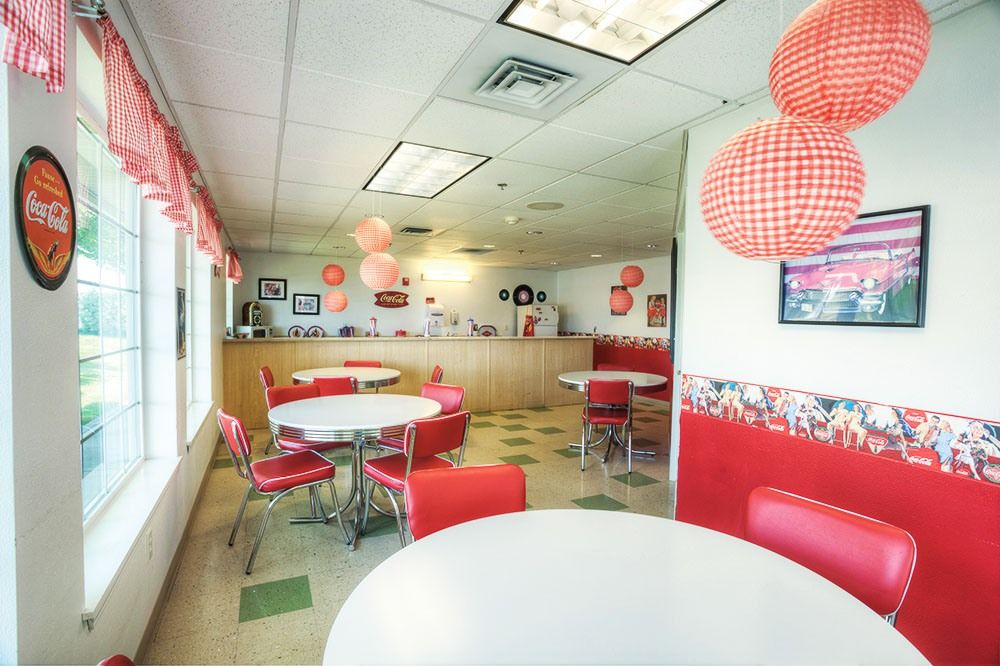
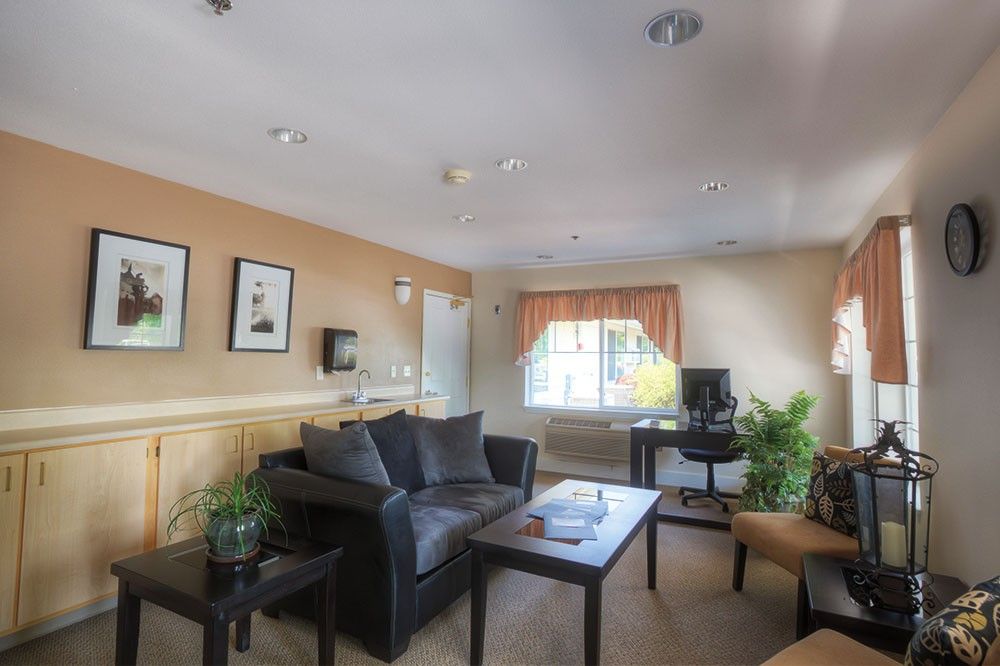
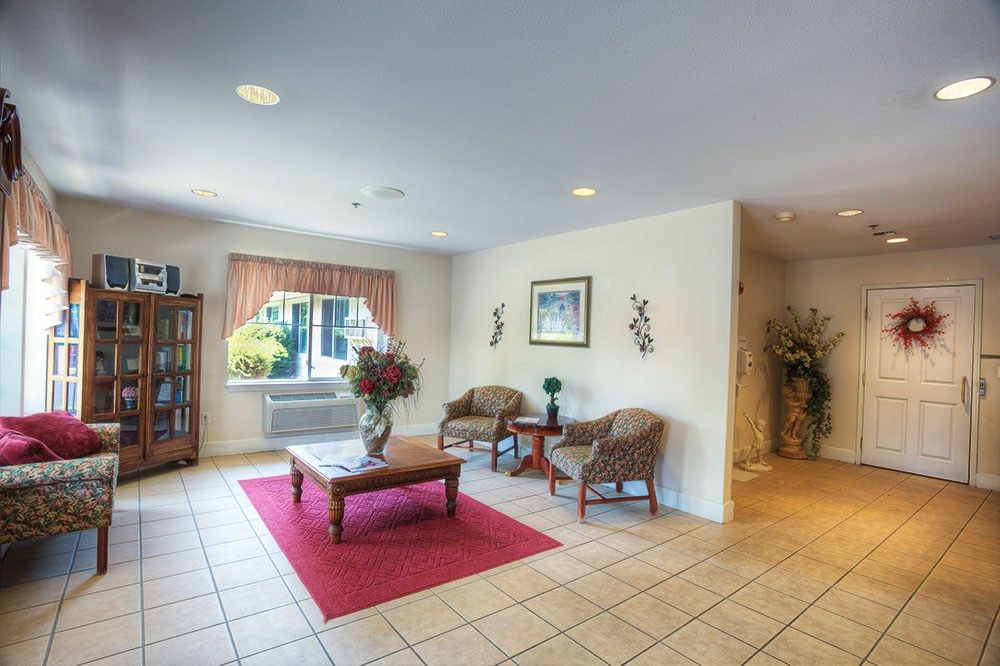
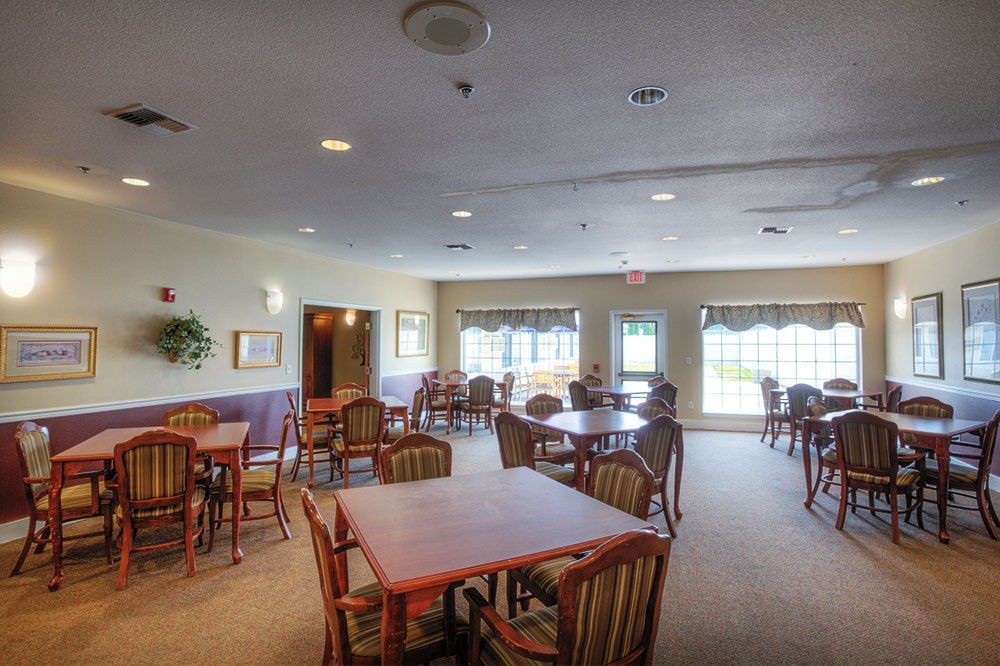
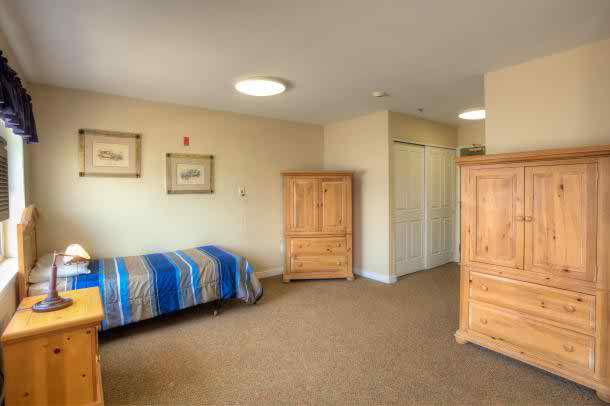
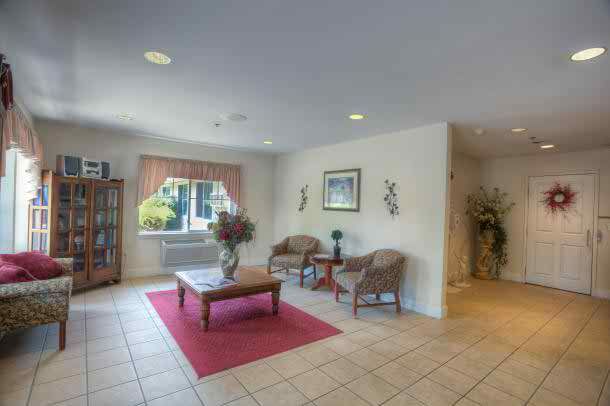
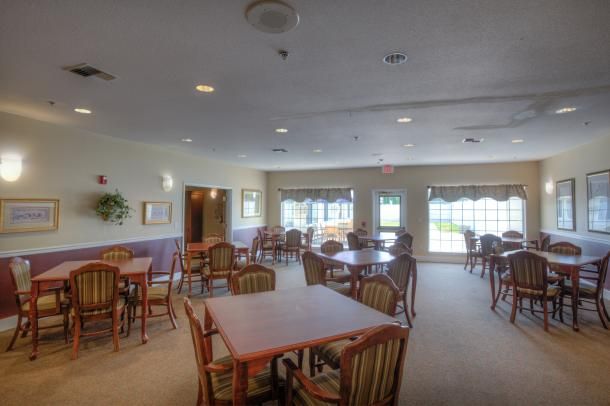
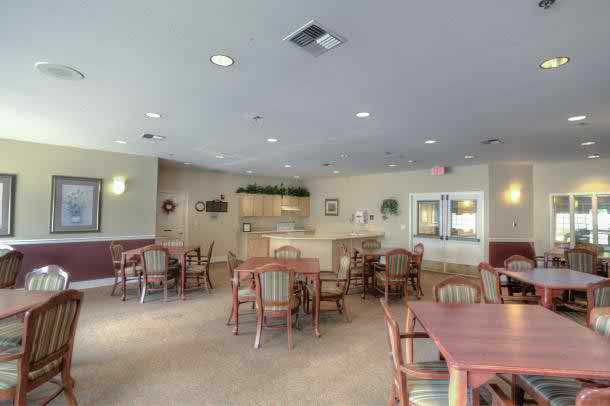
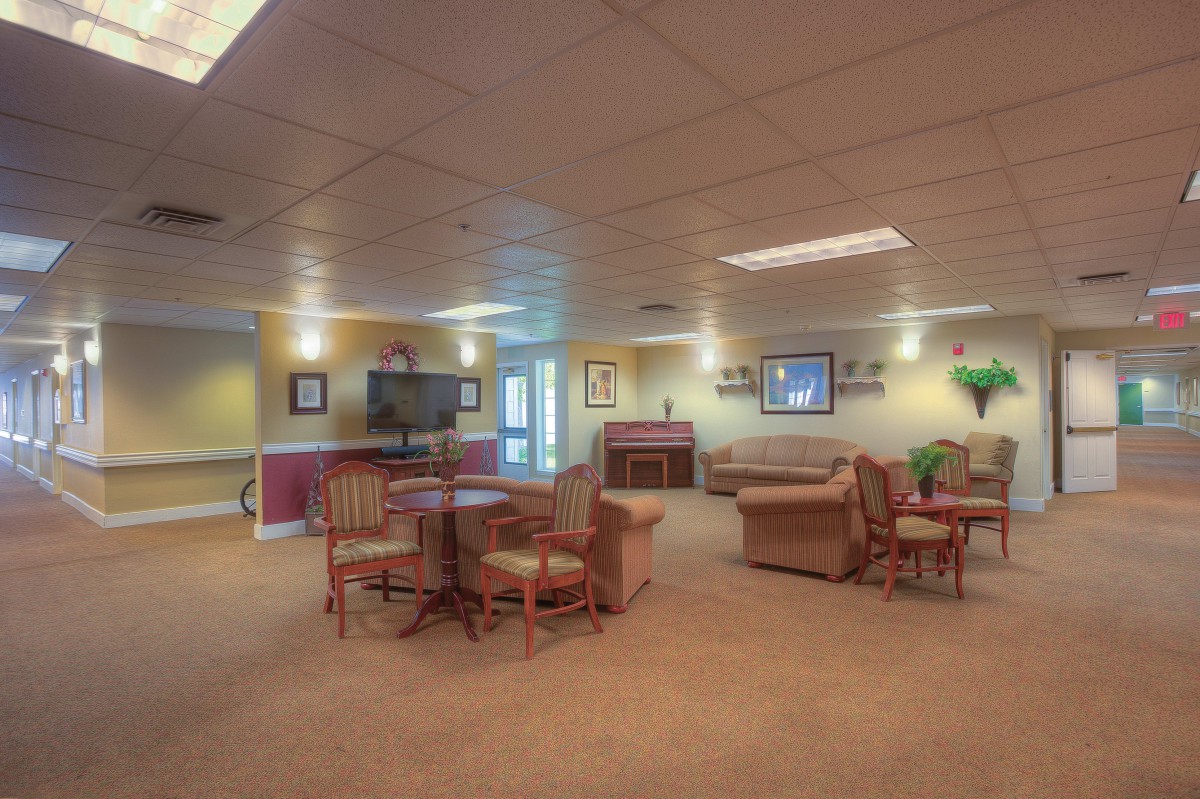
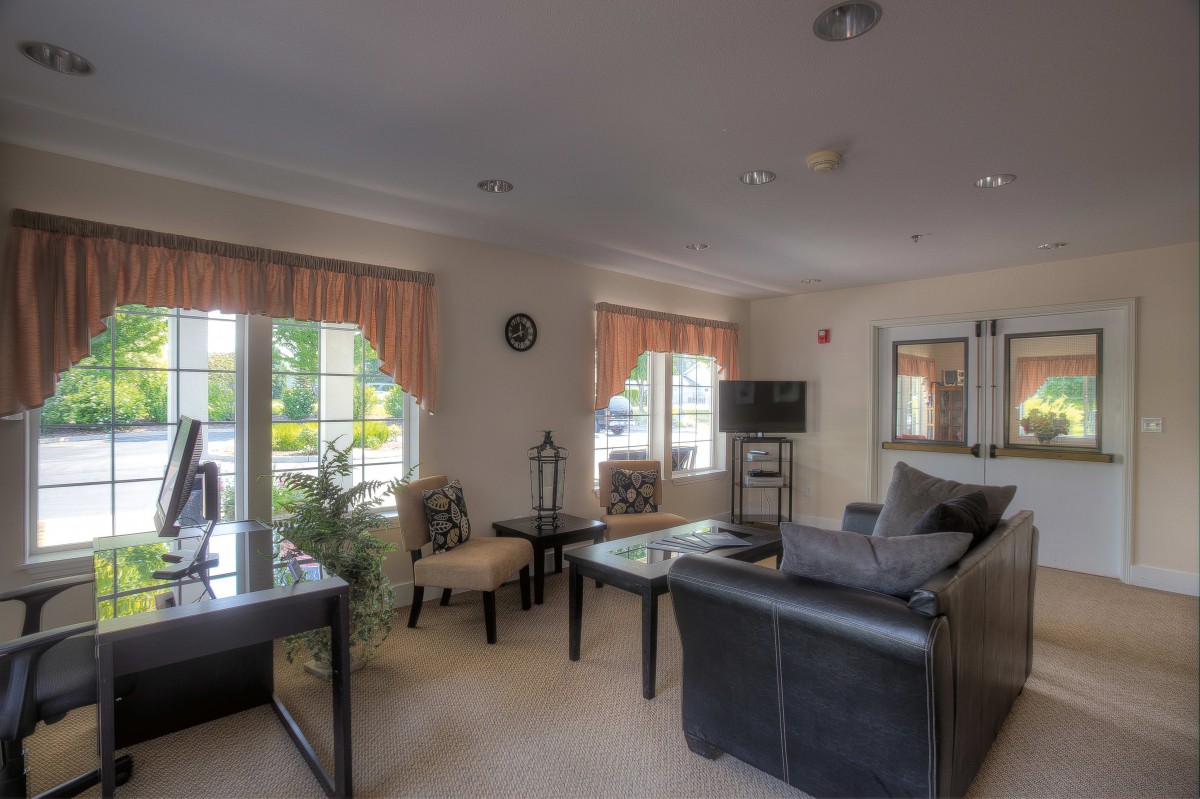
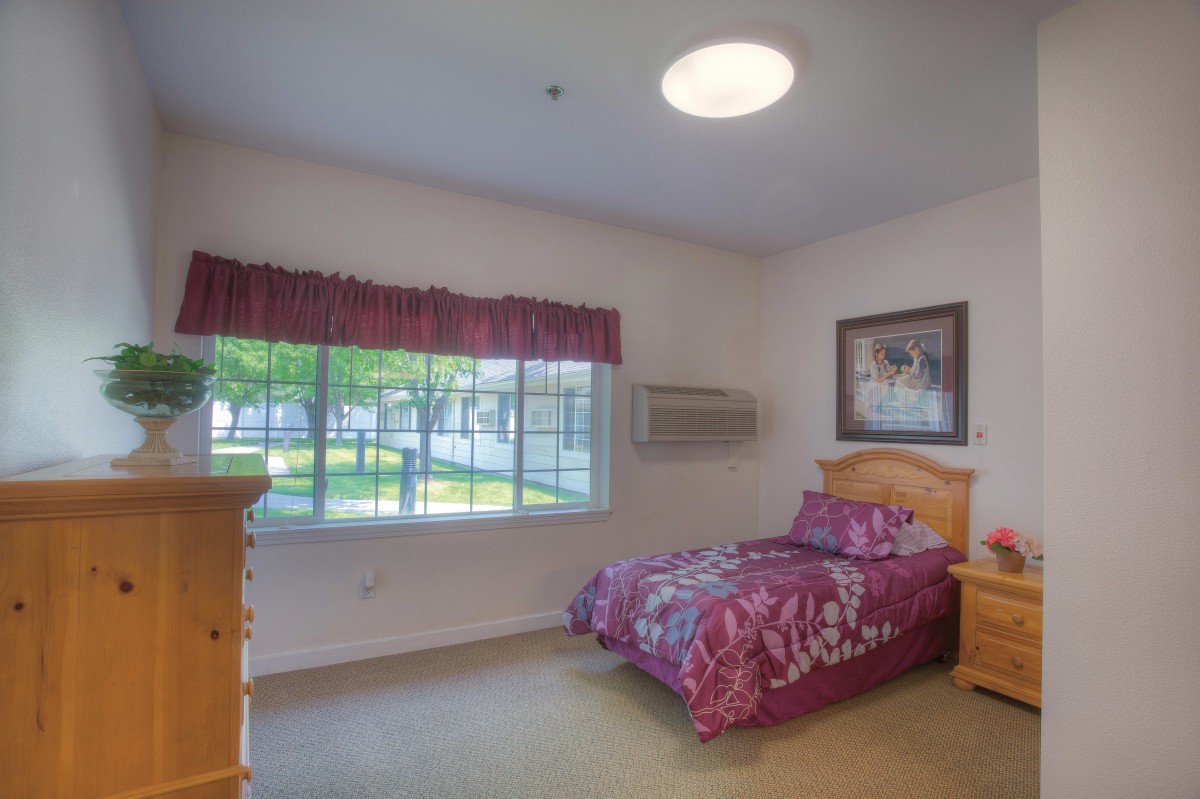
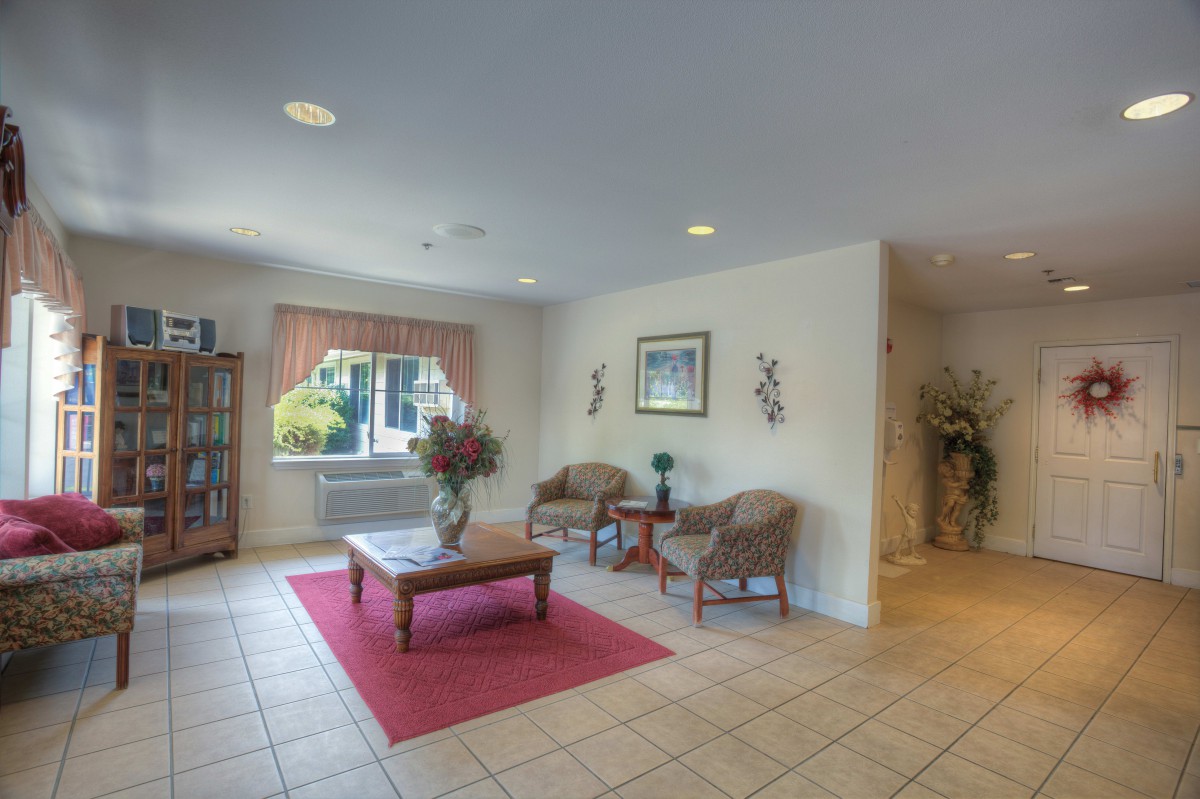
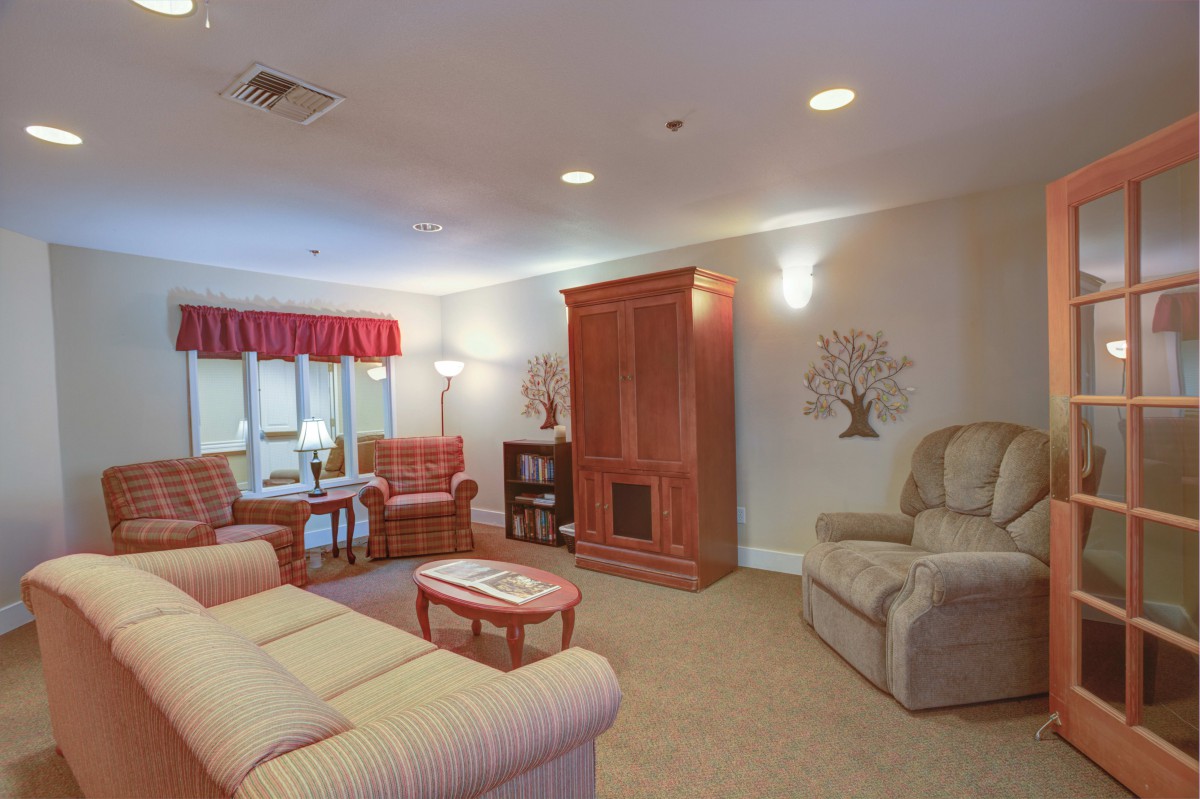
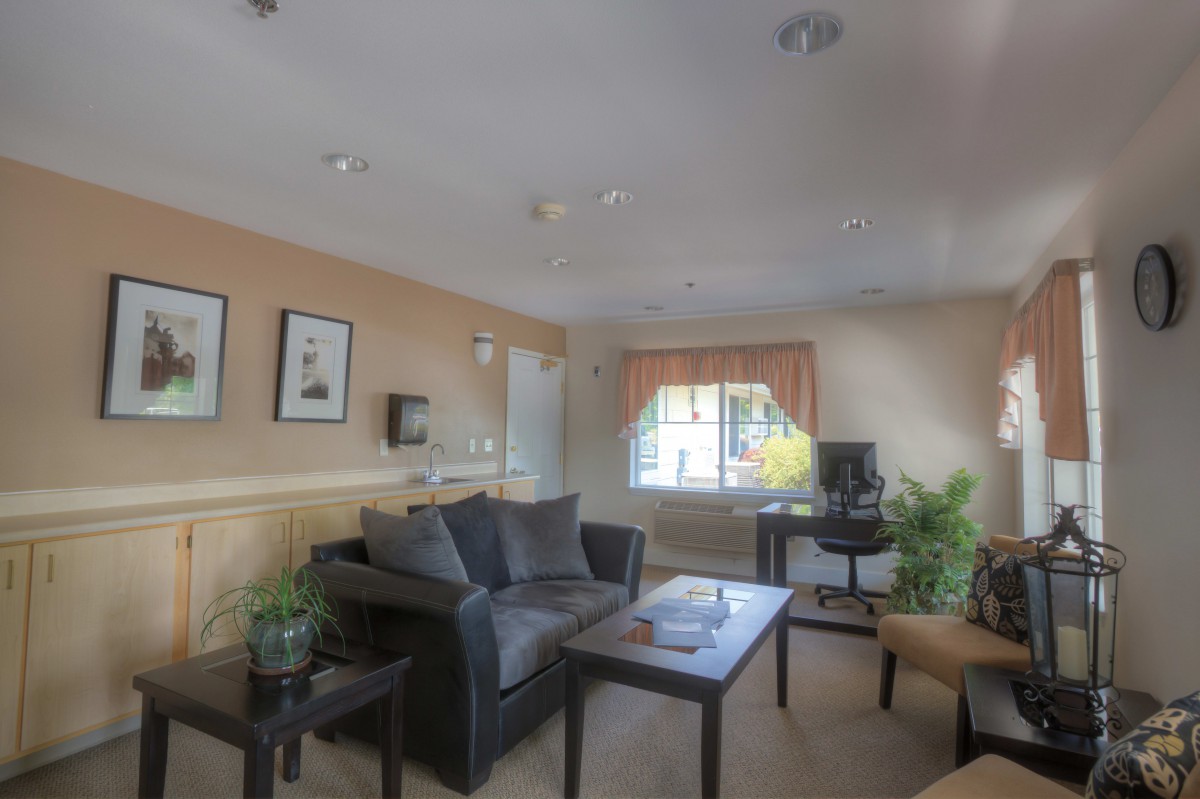
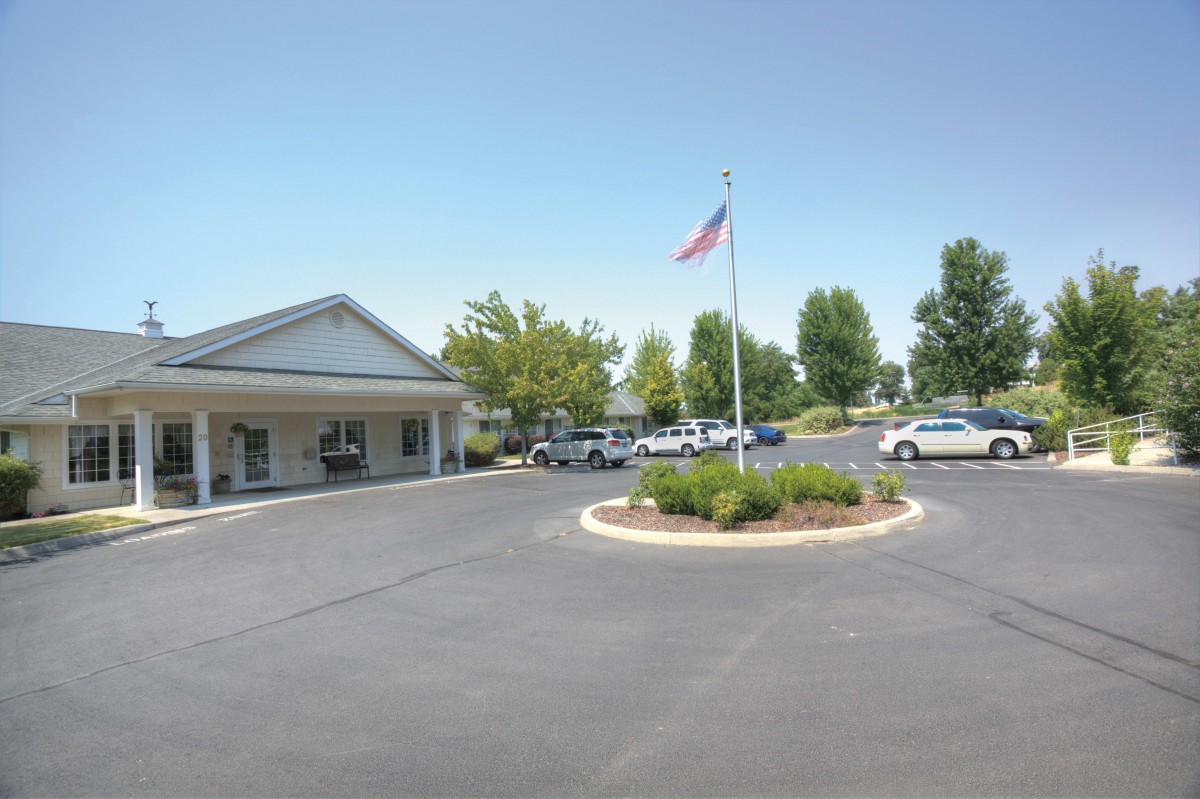
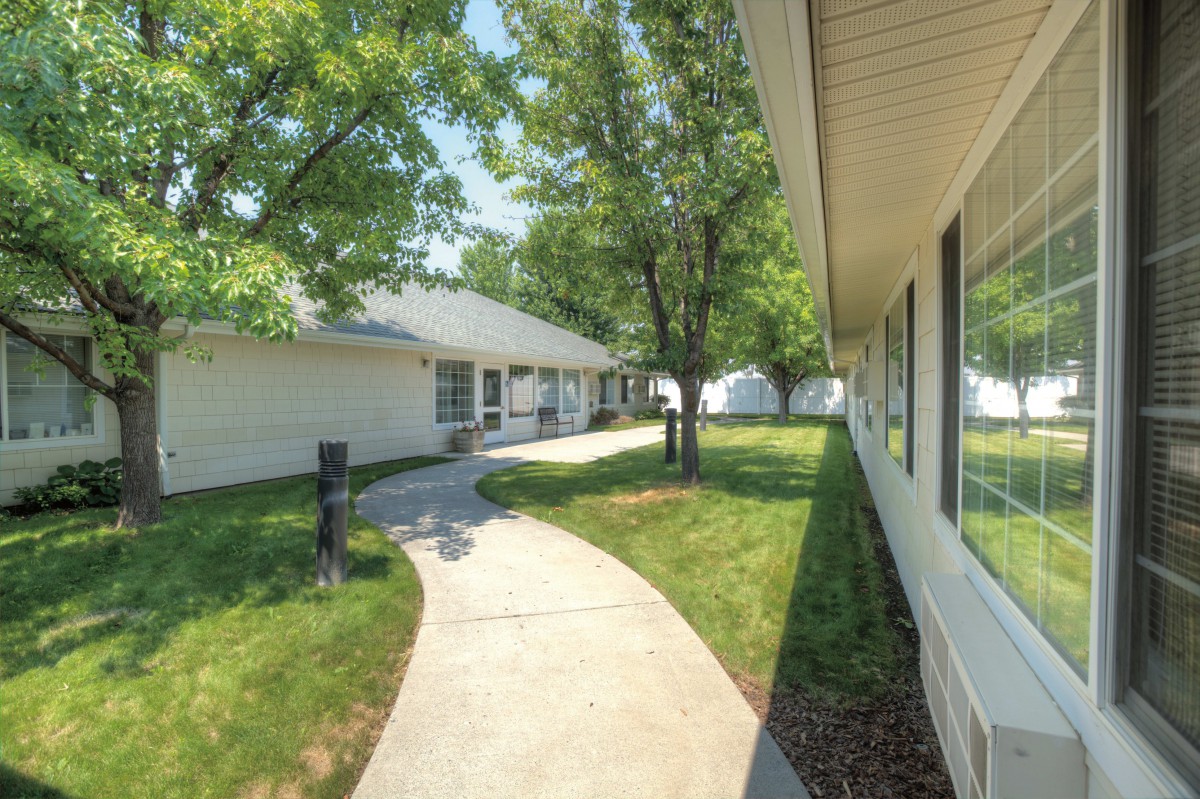
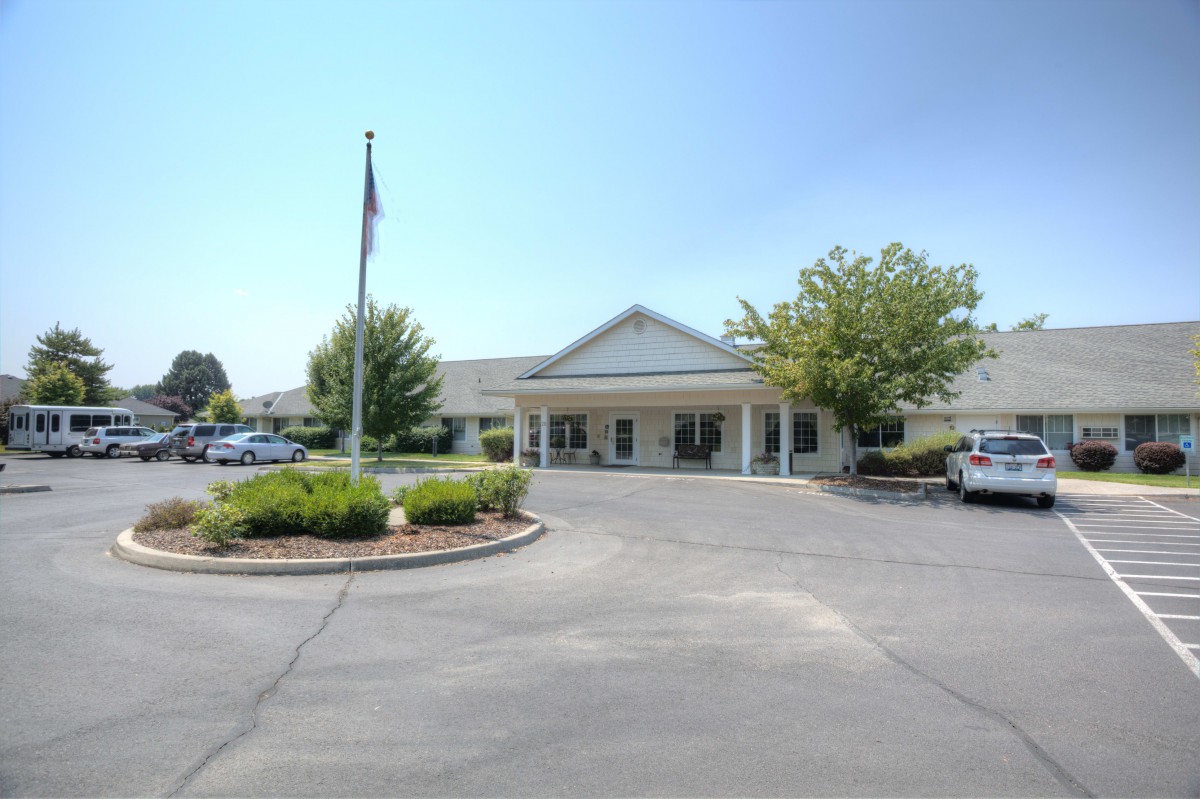
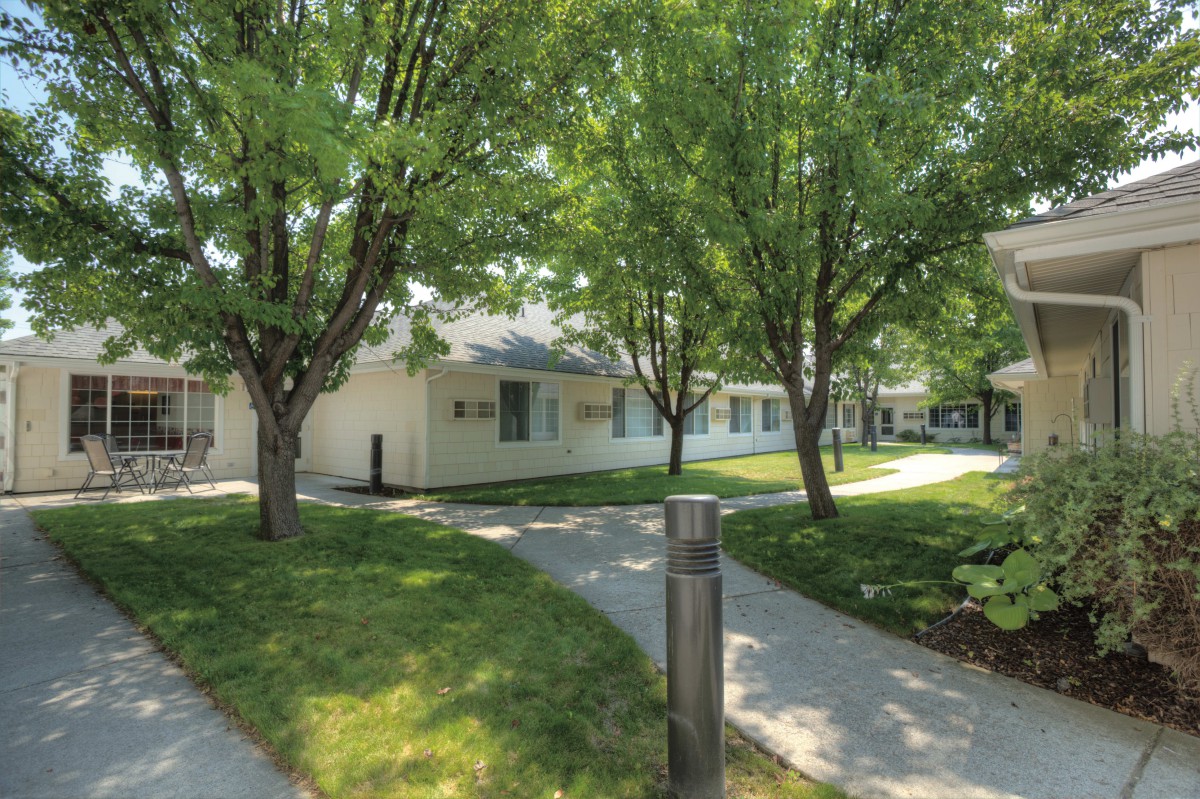
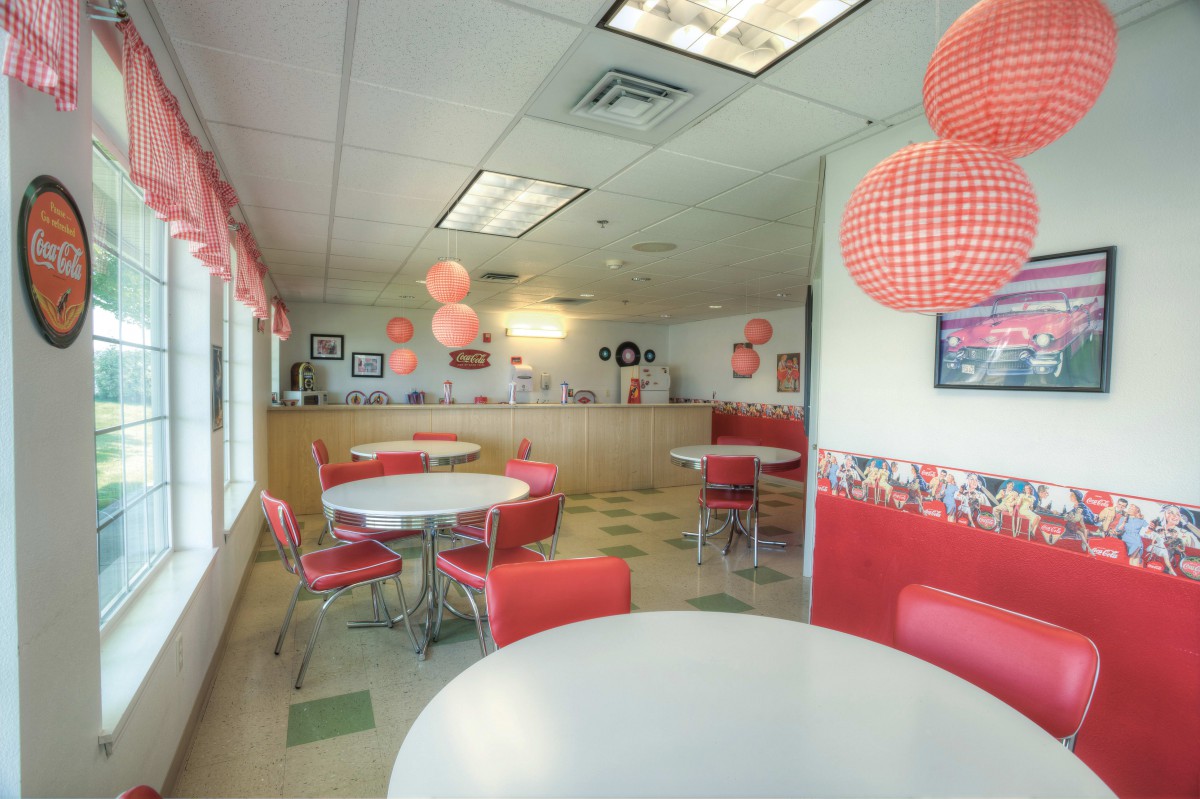
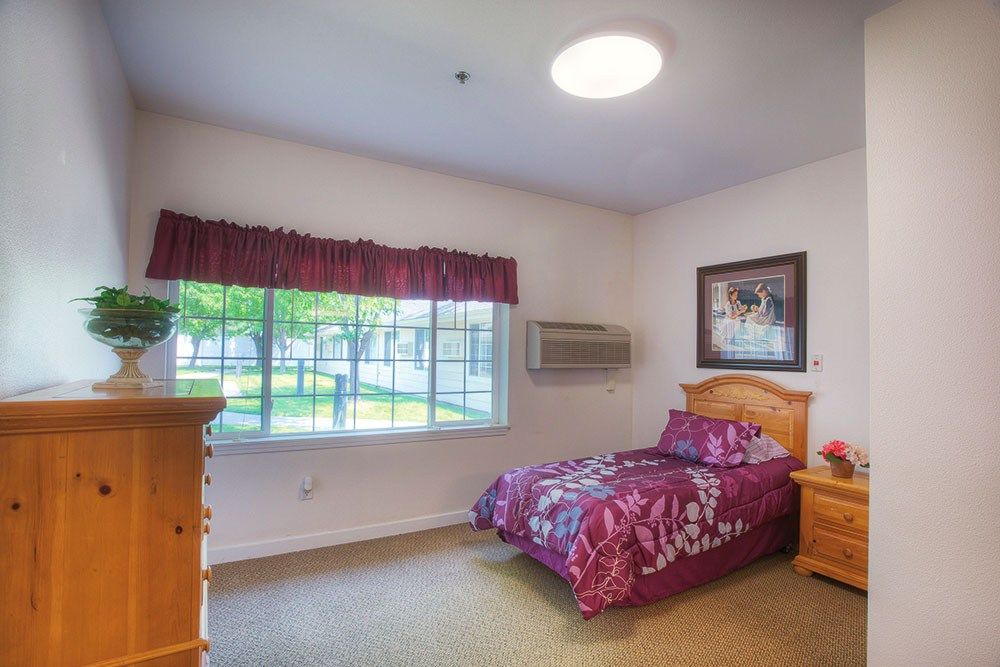
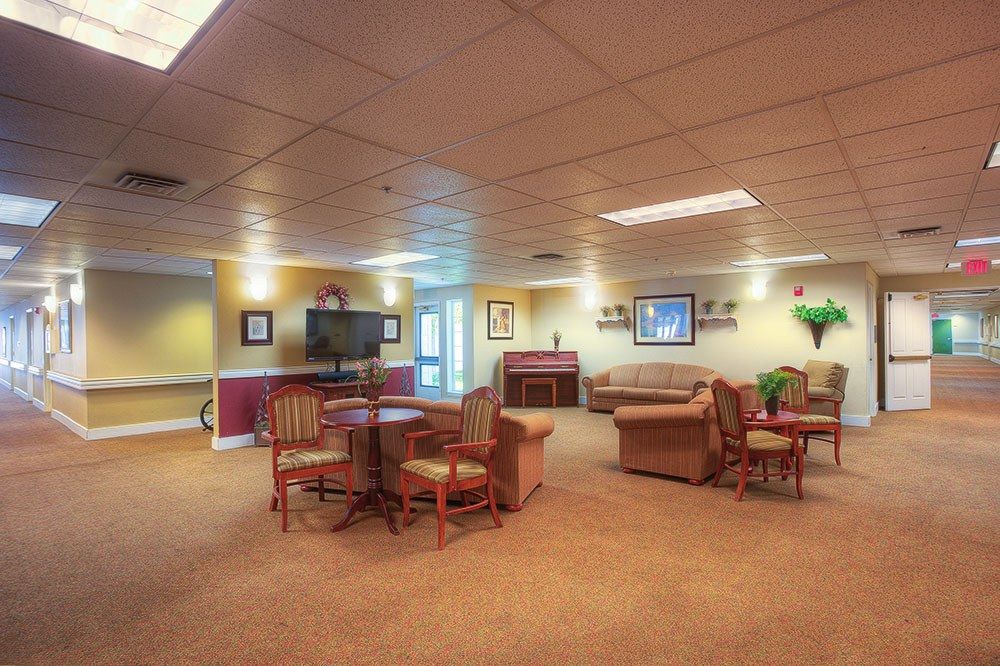
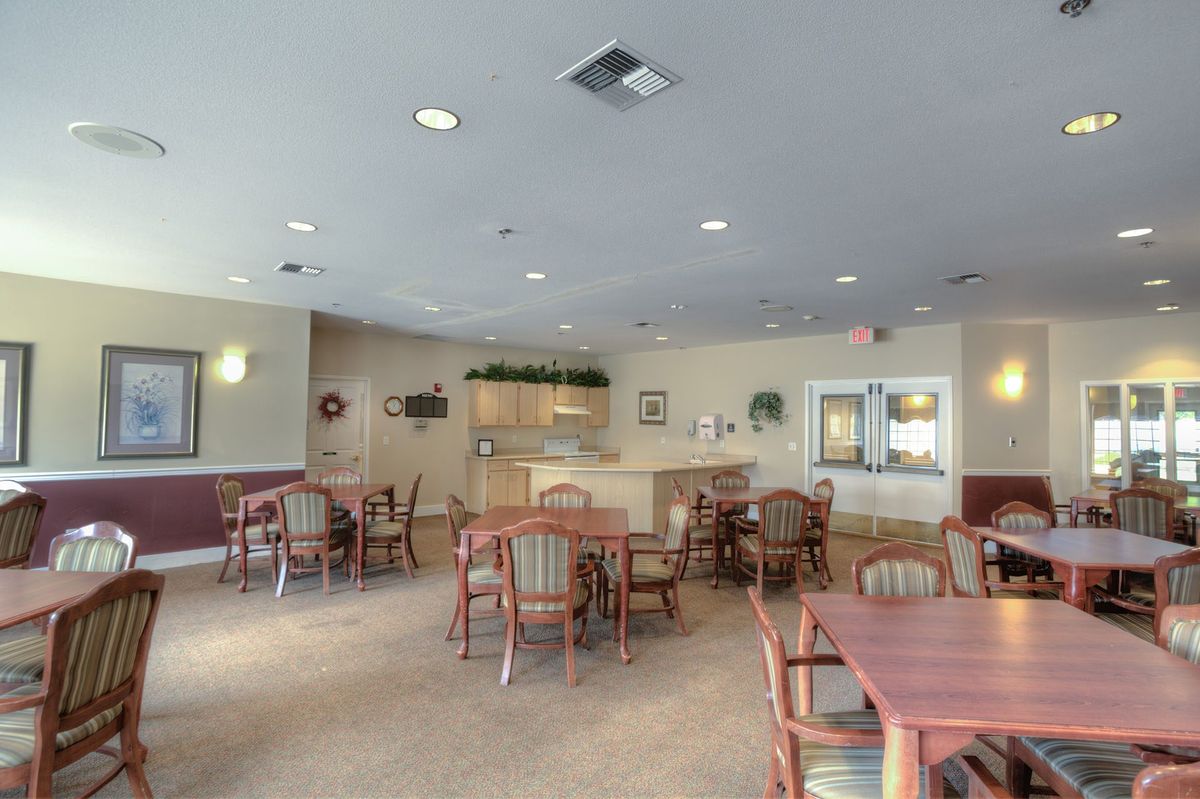
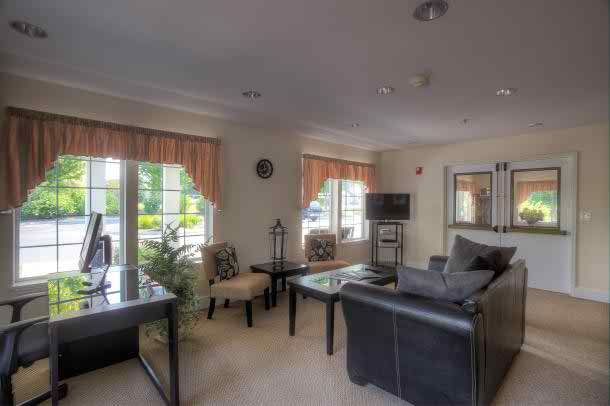
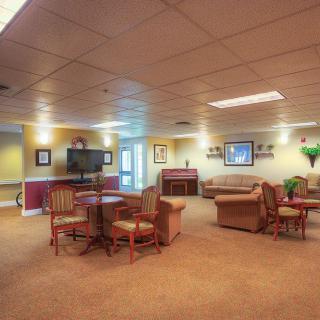
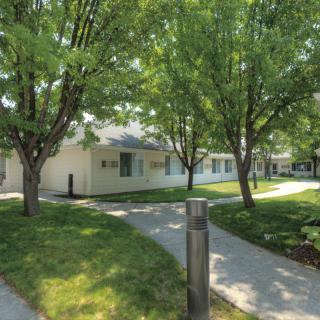
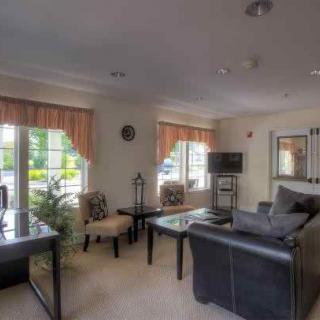
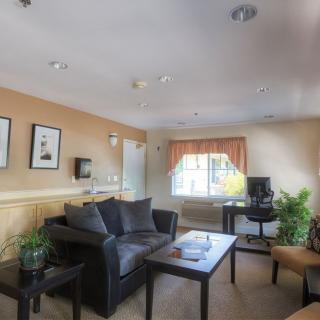
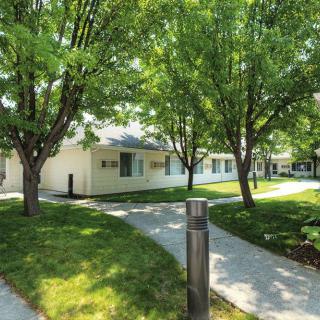
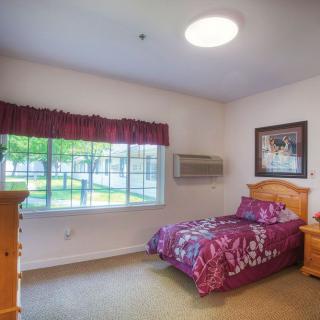
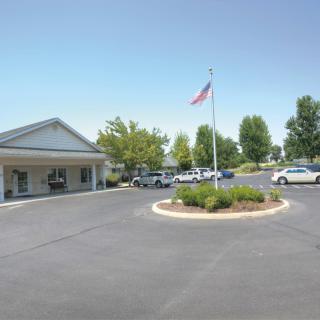
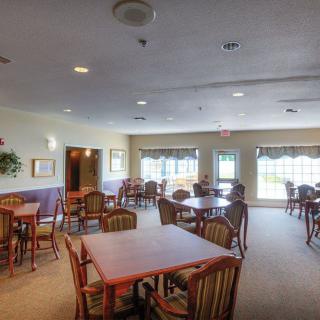
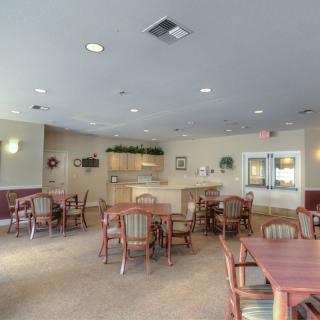
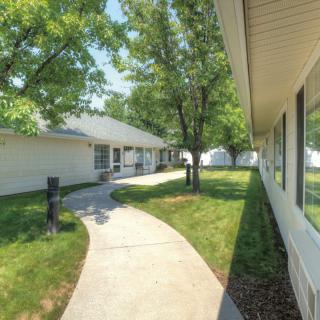
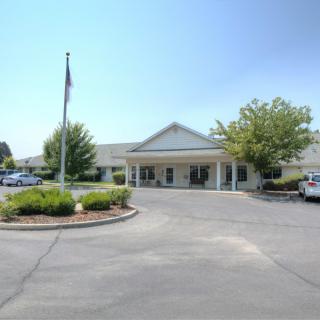
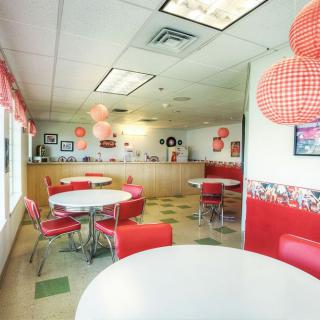
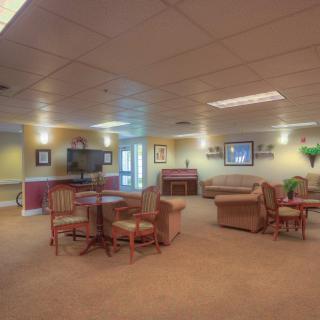
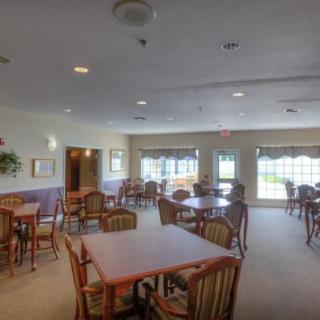
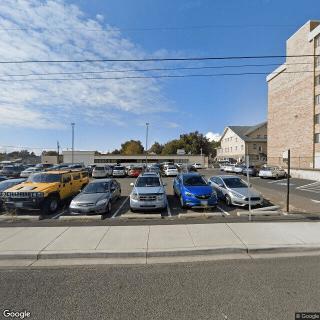
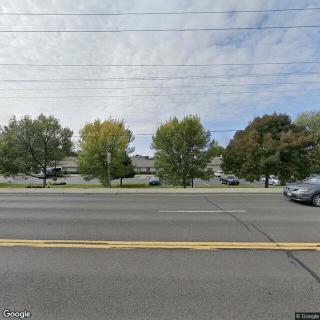
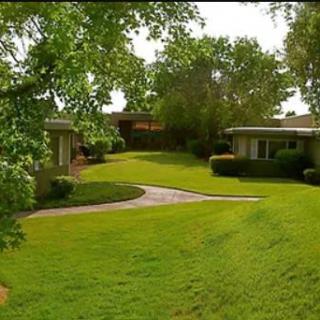
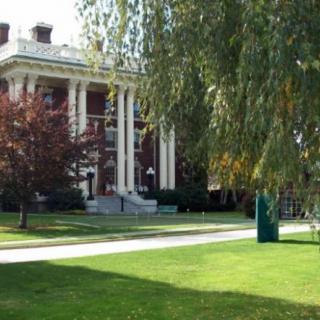
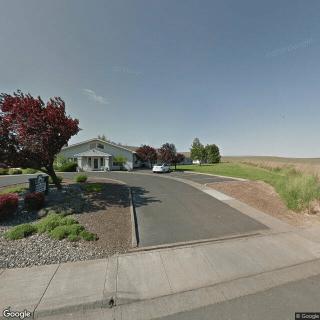
Eagle Springs on seniors.fyi includes 30 photos including images showing interior, decor, windows, bedroom, living room, floor plan, trees, landscaping, and more.
Nearby Communities
Brookdale College Place
College Place, WA
4.1 from 32 reviews
$3,605 to $4,120 / month
Beautiful, well-maintained facility with friendly staff and engaging activities.
Eagle Meadows Cottages
College Place, WA
3.5 from 4 reviews
Extensive nearby amenities and healthcare options.
Country View Senior Care #3
College Place, WA
4.3 from 4 reviews
$4,200 / month
Exceptional care and a warm, welcoming environment.
Country View Senior Care #4
College Place, WA
4.3 from 4 reviews
$3,900 / month
Friendly, attentive staff and engaging activities that support well-being.
Silver and Gold Adult Care
College Place, WA
4.6 from 7 reviews
$3,800 / month
Specialized diabetic care with on-site activities and indoor common areas.
Regency At The Park
College Place, WA
4 from 28 reviews
Clean, well-maintained facility with attentive staff, strong safety measures, on-site rehab, and family-friendly events.
Quail Run Retirement Community
Walla Walla, WA
4.9 from 23 reviews
$1,550 to $2,000 / month
Caring staff in a welcoming, well-maintained community with quality meals.
Washington Odd Fellows Home
Walla Walla, WA
4.8 from 108 reviews
$4,000 / month
Comfortable rooms with pleasant dining, friendly staff, and engaging activities.
Juniper House
Pendleton, OR
2.3 from 3 reviews
Fully furnished assisted living with 24/7 supervision, memory care options, dining and activity amenities.
The article discusses the late stages of dementia, detailing the progression from mild to severe impairment and highlighting key characteristics such as profound cognitive decline and dependency in daily activities. It emphasizes care strategies focused on comfort and dignity, the importance of advance directives, and the emotional support needed for family caregivers facing this challenging journey.
The article examines the link between certain medications and increased dementia risk, particularly in older adults, emphasizing that long-term or high-dose use of anticholinergics, benzodiazepines, and other drug classes can exacerbate cognitive impairment. It calls for careful medication evaluation and shared decision-making to mitigate these risks while managing treatment efficacy.
The article emphasizes the significance of establishing a power of attorney for elderly parents to enable an agent to make decisions on their behalf regarding health and finances, especially during cognitive or physical decline. It outlines various types of power of attorney, the importance of consulting legal professionals, and the responsibilities and challenges faced by agents, while also discussing alternatives and common misconceptions.
Get PricingAsk A QuestionSchedule A TourContact Senior Advisor
By clicking submit, you agree to our Partner's Terms of Use. You
also consent to receive calls and texts, which may be autodialed, from our Partner. Your consent is not a condition to
using our Partner's service. Please visit our Partner's Privacy Policy for information about their privacy practices.

 54 resident community capacity
 1-bedroom apartments
 Memory Care
 Cats allowed
 Dogs allowed
 Activities off-site
 Air-conditioning
 Beautician on-site
 Cable or satellite TV
 Computer center
 Devotional services on-site
 Dining room
 Fitness room
 Fully furnished
 Gaming room
 Garden
 General store
 Ground floor units
 Guest parking
 Handicap accessible
 Housekeeping services
 Indoor common areas
 Kitchenette
 Laundry
 Move-in coordination
 Outdoor common areas
 Outdoor patio
 Party space
 Private bathrooms
 Respite or short term stays offered
 Restaurant-style dining
 Security gate
 Small library
 Telephone
 Wellness center
 Wheelchair accessible showers
 Wi-Fi/high-speed internet available
 Community operated transportation
 12-16 hour nursing
 24-hour call system
 Assistance with bathing
 Assistance with dressing
 Assistance with transfers
 Diabetes diet
 Diabetic care
 Hospice waiver
 Incontinence care
 Medication management
 Mental wellness program
 Special dietary restrictions
 Transportation arrangement (medical)
 Art classes
 Brain fitness
 Catholic services
 Concierge services
 Cooking classes
 Day trips and outings
 Educational speakers / life long learning
 Games
Games Karaoke
 Live musical performances
 Stories
 Wii bowling
 English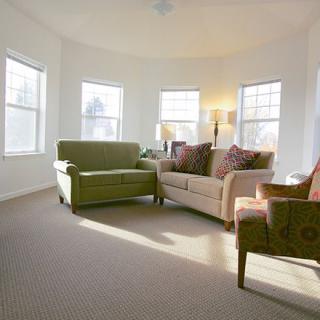
 Beautiful, well-maintained facility with friendly staff and engaging activities.
 Comprehensive Insights on the Late Stages of Dementia: What to Expect and How to Provide Care
 Medications Associated with Dementia Risk: A Comprehensive Overview
 Guiding Your Journey: Understanding Power of Attorney for Elderly Parents