
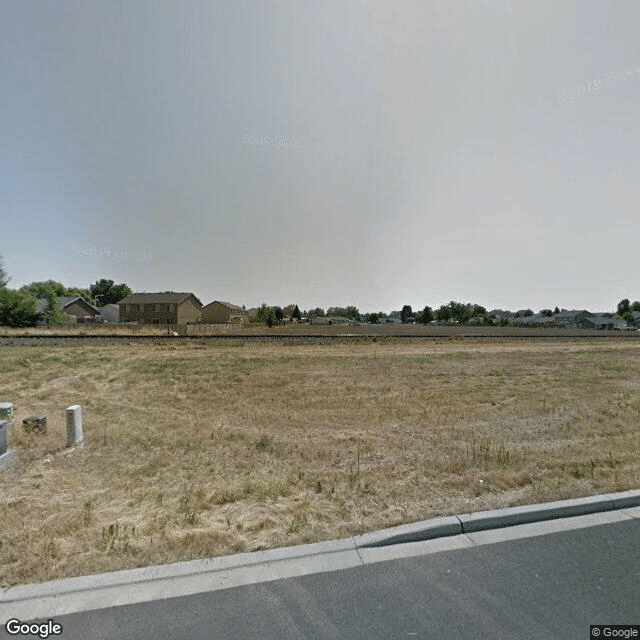
157 NW Maria St., College Place, WA 99324
To contact a resident: (541) 429-0651
For more information about senior living options: (866) 208-4318
Silver and Gold Adult Care Costs & Pricing
At Silver and Gold Adult Care, the monthly costs for various room types reflect both the quality of care provided and local market trends. For a studio unit, residents can expect to pay $3,800, which is notably higher than the average cost in Walla Walla County at $2,904 but remains competitive when compared to the state average of $4,126. The pricing is consistent across different room configurations; a one-bedroom also comes in at $3,800, contrasting with Walla Walla's average of $3,359 and Washington's overall average of $4,632. Similarly, for two-bedroom accommodations priced at $3,800, it is less than the state average of $4,301 yet significantly above the county's figure of $2,694. These numbers indicate that while Silver and Gold Adult Care's rates are on the higher end within the county context, they still offer appealing value relative to statewide averages for similar services.
| Floor plans | Silver and Gold Adult Care | Walla Walla County | Washington |
|---|---|---|---|
| Studio | $3,800 | $2,904 | $4,128 |
| 1 Bedroom | $3,800 | $3,359 | $4,634 |
| 2 Bedrooms | $3,800 | $2,694 | $4,301 |
Assisted Living communities with a similar price nearby
-
from +$200 / mo

Washington Odd Fellows Home
$4,000 / month3.4 miles away -
from -$195 / mo
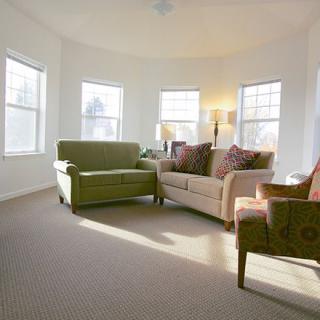
Brookdale College Place
$3,605 to $4,120 / month0.6 miles away -
from -$420 / mo
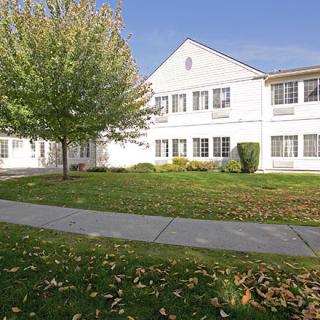
Brookdale Walla Walla
$3,380 to $4,120 / month1.6 miles away
Overall Review of Silver and Gold Adult Care
Pros
 They provide caregiving services that leave clients grateful and feeling blessed.
- They are nice.
- They offer great help when it is really needed.
- People love this place.
- They know all the resources available in the area and help access them to meet the needs of people who are aging or in need of long-term care.
- They are extremely concerned for their clients and go the extra mile to help people have a safe, manageable life.
- They find answers when a mature person needs help.
Review
Silver and Gold Adult Care in College Place, WA is best suited for seniors and adults who need ongoing caregiving support and a strong emphasis on connecting families with local resources. This community excels when the goal is to maintain a safe, manageable daily life through coordinated help rather than a heavy, on-site medical services model. For anyone who expects a robust on-site clinical team or a large-scale campus experience, this setting will feel more like a practical support hub than a full-service medical environment. The overall impression is that the facility prioritizes practical problem-solving and independence-supported daily living, rather than hospital-style oversight.
Those who may want to consider alternatives are families seeking intensive medical supervision under one roof, or those requiring highly specialized memory-care programming. If the loved one’s needs include constant clinical monitoring, complex wound care, or a dementia program with extensive on-site clinical staffing, exploring other options with broader on-site medical capabilities would be prudent. Similarly, families hoping for broad resort-like amenities or a large, bustling community may find Silver and Gold’s emphasis on resource navigation and personalized support to be a different kind of fit.
The strongest positives center on resource literacy and responsive caregiving. The team’s ability to map out every relevant service in the area and actively help access those resources stands out. This isn’t a facility that merely provides shelter; it acts as a facilitator who helps families maneuver the local system to keep aging loved ones safe. The staff’s demonstrated concern for clients translates into practical assurances, real people who go the extra mile to secure safer, more manageable living. That level of dedication is repeatedly described as what makes the difference when help is truly needed.
In practice, these strengths offset the main trade-off implicit in the model: the degree of on-site clinical care and day-to-day medical oversight may be lighter than in facilities marketed as medical or memory-care campuses. The emphasis on problem-solving and connection to external services means outcomes depend on effective coordination. For families already coordinating with outside professionals or who simply want a trusted ally to navigate resources, this approach delivers tangible value. The reviews’ consistency in praising responsiveness suggests this offset works well in real-world scenarios, producing dependable, practical support when it matters most.
Prospective residents and families should come prepared with a concrete plan for care coordination. Questions to prioritize include: what specific services are included in the base rate, what requires external providers, and how the team communicates and schedules outside care partners? Clarify the staff-to-resident ratio, hours of availability, and the process for escalating urgent needs. It’s also wise to confirm the expected wait times for accessing particular resources or services in the community, and to discuss any potential limitations tied to being in a smaller town setting. This diligence ensures alignment between expectations and the actual care model.
Overall, Silver and Gold Adult Care offers a compelling fit for families who value resourceful advocacy, dependable caregiving support, and a clear pathway to safer, more manageable aging. The combination of practical help, genuine concern for residents, and hands-on problem-solving creates a strong foundation for steady living, especially for those who thrive when a trusted coordinator handles the navigation of community services. For households prioritizing on-site medical supervision or specialized memory-care environments, alternatives should be weighed, but for many, this community delivers dependable, responsive support that keeps aging loved ones engaged, safe, and supported in daily life.
 Assisted Living
 Activities on-site
 Devotional services off-site
 Indoor common areas
 Ambulatory care
 Diabetic care
 Meals provided



 How and When Medicaid May Cover Assisted Living Costs
 A Detailed Exploration of Assisted Living Medicaid Waivers Across the United States
 Comprehensive Residential Support and Assisted Living Solutions for Individuals with Disabilities